Idioma
Moral courage of nurses in health services: scoping review
INTRODUCTION
Ethical challenges strongly affect nursing practice, as situations often arise when different values related to care or conceptions of the importance of values conflict.1 When ethical issues arise about patient care, nurses become actively involved in decision-making, expressing their concerns and developing moral reasoning to act ethically.2 Nurses need moral courage to strengthen ethical decision-making and act according to their professional and personal principles and values.1
Moral courage is defined as the courage or inner strength that a person possesses when acting in ethical conflicts according to ethical principles, values, and beliefs, even at the risk of adverse outcomes.3 In nursing, this term can be defined as the ability of nurses to defend their professional, ethical principles and act by them, despite the negative consequences, expected or actual, caused by defending or acting by them. This phenomenon presupposes rational deliberation and commitment to professional values and principles.4
Moral courage makes nurses want to speak up and do the right thing, even when restrictions or forces to do the opposite are present. The nursing professional transforms principles into actions despite a potential threat, such as humiliation, rejection, ridicule, loss of job, or loss of social position.4 Nurses who possess moral courage can promote the qualification of care, improve quality of life, increase patient safety, support colleagues, and promote their well-being at work.3
However, morally courageous behavior can have negative consequences, such as stress, anxiety, isolation from colleagues, or the risk of losing one's job.2 Also, studies indicate that a lack of moral courage leads to disregard for the patient's feelings and emotions, disrespect for their privacy, disregard for self-esteem, and errors associated with healthcare.5 Therefore, its application requires moral sensitivity, awareness, and experience.2
Internationally, discussions on the subject have increased in recent years due to the ethical challenges’ nurses have experienced in their care.6 A study2 reports that empirical research with nurses on this subject is scarce. Studies describe moral courage as a concept that needs more scientific evidence4.
In Brazil, a scoping review analyzed the scientific evidence on this concept and related factors in undergraduate nursing students. This review points to factors related to moral courage, such as moral distress, moral sensitivity, age, and a previous degree in the health area. The students understood the phenomenon as a defense of what they believed to be correct, even if it was difficult, and they could face negative consequences by challenging the context of inadequate practice.7
OBJECTIVE
To analyze scientific production on the moral courage of nurses working in health services.
METHOD
This is a scoping review developed according to the method recommended by the Joanna Briggs Institute (JBI) — Methodology for JBI Scoping Review, eight, which consists of a systematized, exploratory review aimed at mapping relevant studies in each area in scientific production.9
The following phases were developed: definition and alignment of the objectives and research questions; development of inclusion criteria according to the objectives and questions; elaboration and planning of the search strategy and selection criteria; identification of relevant studies; selection of studies; data extraction; data mapping and summarization of results.9 The Open Science Framework (OSF: osf.io/2a39j) registered the review protocol.
To construct the research question, the acronym PCC was used: P (Population): nurses; C (Concept): moral courage; and C (Context): health services. The following guiding question was established: what is the scientific production on the moral courage of nurses working in health services?
The search was carried out in the databases Latin American and Caribbean Literature in Health Sciences (LILACS), Spanish Biographical Index of Health Sciences (IBECS), Nursing Database (BDENF), Cumulative Index to Nursing and Allied Health Literature (CINAHL), and virtual libraries such as Cochrane Library, Scientific Electronic Library Online (SciELO), National Library of Medicine (PubMed), Web of Science, and SCOPUS. The Google Scholar tool and the reference list of included studies were also checked.
Controlled terminology descriptors recommended by the Medical Subject Headings (MeSH) and the Health Sciences Descriptors (DeCS) were used: Moral, Ethics, Nursing, and Nurse. “Moral Courage” does not appear as a descriptor but was used as a keyword. The search strategy used followed the definition of each corresponding database. The Boolean operators AND and OR were used with the following combinations: Nursing OR Nurses OR Nurse OR Nurs* AND Moral Courage AND Ethics AND Moral. This search strategy was adopted in its Spanish and Portuguese equivalents and carried out in June 2022. The search was updated in January 2024.
We included original articles written by nurses in health services addressing the issue of moral courage and studies published in Portuguese, English, or Spanish. No time limit was set for the searches. Duplicate studies, reviews, editorials, theses, dissertations, experience reports, theoretical essays, reflection studies, and abstracts from scientific events and books were excluded.
The final search results were exported to the EndNote reference management tool. The Liberal Accelerated Method10 strategy was used to select the articles. An independent researcher made the selection based on the titles and abstracts and then read the pre-selected articles, accurately identifying their relevance to the research and whether the inclusion criteria were met. A second reviewer reviewed all excluded articles to avoid being omitted from the review by mistake. Any doubts were resolved by a consensus-based approach, ensuring the reliability of our research.
The PRISMA Extension for Scoping Reviews (PRISMA ScR) methodology was used to systematize including studies.11 In total, 660 studies were identified, 389 of which were from databases, 269 from Google Scholar (n = 260), and two from the list of references (Figure 1).
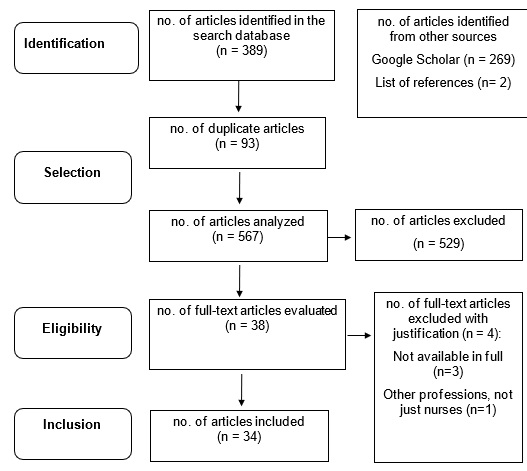
Figure 1. PRISMA ScR.11 flowchart Porto Alegre, Rio Grande do Sul (RS), Brazil, 2024.
Data from the selected studies was extracted using a structured tool in Microsoft Excel 2016. The tool contains information on the author, title, year of publication, country, journal of publication, service where the study was conducted, number of participants, study objectives, method used for data collection, design, and main results.
In addition to a numerical description of the results, a thematic description was organized according to the nature of the studies.
RESULTS
A total of thirty-four studies were included. All were original articles, and they were quantitative (N = 29), qualitative (N = 4), and methodological (N = 1).
As for the country in which they were carried out, they were conducted in Iran (N = 14), Finland (N = 4), China (N = 3), Egypt (N = 3), Belgium (N = 2), the United States (N = 2), India (N = 1), Norway (N = 1), Pakistan (N = 1) and Turkey (N = 1), published between the years 2021 (N = 10), 2023, (N = 8), (N = 6), 2022, (N = 5), 2019 (N = 3), 2018 (N = 1) and 2015 (N = 1), as shown in Table 1.
The studies were mainly published in the following journals: Nursing Ethics (n = 10), BMC Nursing (n = 5) and Journal of Medical Ethics and History of Medicine (n = 2), among others, as shown in Table 1.
Table 1. Characterization of articles according to author, country of study, year of publication, objective, participants, service and design, Porto Alegre, Rio Grande do Sul (RS), Brazil, 2024.
|
Authors |
Country (year) |
Objective |
Participants |
Design |
|
Dinndorf-Hogenson12 |
United States (2015) |
To understand how and what factors influence the moral courage of perioperative nurses in the operating room. |
154 nurses |
Descriptive Correlational |
|
Numminen et al.4 |
Finland (2018) |
To develop a scale to measure nurses' self-assessed moral courage, evaluate the scale's psychometric properties and briefly describe nurses' current level of self-assessed moral courage and associated sociodemographic factors. |
482 nurses |
Cross-sectional |
|
Taraz et al.13 |
Iran (2019) |
To show the moral courage index and determine the correlation between the hospital's ethical climate and nurses' moral courage. |
156 nurses |
Descriptive Correlational |
|
Mostafa14 |
Egypt (2019) |
To examine the role of supervisory abuse and moral efficacy in weakening or strengthening moral courage. The study also tests how the interaction between the two can influence moral courage. |
204 nurses |
Cross-sectional |
|
Afsar et al.15 |
Pakistan (2019) |
To examine the relationship between abusive supervision and moral courage and test the moderation of moral efficacy and attention. |
359 nurses |
Cross-sectional |
|
Abdeen et al.16 |
Egypt (2020) |
To explore the relationships between ethical work climate, moral courage, moral distress, and organizational citizenship behavior. |
384 nurses |
Descriptive Correlational |
|
Abadi et al.17 |
Iran (2020) |
To investigate the relationship between Moral Courage and Quality of Life at Work among nursing staff in hospitals in Bam in Iran. |
166 nurses |
Cross-sectional |
|
Khoshmehr et al.18 |
Iran (2020) |
To determine the correlation between moral courage and psychological empowerment of nurses. |
180 nurses |
Cross-sectional |
|
Kleemola et al.19 |
Finland (2020) |
To describe nurses' experiences in care situations requiring moral courage and their actions. The aim is to gain insight into the nature of care situations that require courage. |
286 nurses |
Descriptive |
|
Khodaveisi et al. 6 |
Iran (2020) |
To assess moral courage, moral sensitivity, and safe care in nurses caring for COVID-19 patients and to investigate the relationship between moral courage, moral sensitivity, safe care, and demographic characteristics in nurses caring for COVID-19 patients. |
420 nurses |
Cross-sectional |
|
Safarpour et al.20 |
Iran (2020) |
To evaluate the relationship between moral distress and moral courage among nurses at the Bam University of Medical Sciences hospitals. |
217 nurses |
Cross-sectional |
|
Rakhshan et al.21 |
Iran (2021) |
Identifying the barriers to demonstrating moral courage in Iranian nurses. |
19 nurses |
Qualitative content analysis |
|
Goktas et al.22 |
Turkey (2021) |
To assess intensive care nurses' moral sensitivity and courage during the COVID-19 pandemic. |
362 nurses |
Cross-sectional |
|
Konings et al.23 |
Belgium (2022) |
Translate the Nurses Moral Courage Scale into Dutch and describe nurses' self-assessed moral courage level with associated sociodemographic factors. |
559 nurses |
Descriptive non-experimental Cross-sectional |
|
Hauhio et al.24 |
Finland (2021) |
To describe nurses' self-assessed level of moral courage and its association with their sociodemographic factors. |
402 nurses |
Descriptive cross-sectional |
|
Khatiban et al.2 |
Iran (2021) |
The research questions aim to determine the predictors of professional moral courage, focusing on moral reasoning. |
224 nurses |
Descriptive correlational |
|
Abdollahi et al.25 |
Iran (2021) |
To study the relationship between resilience and professional moral courage among hospital nurses. |
375 nurses |
Descriptive cross-sectional |
|
Jena et al.26 |
India (2021) |
To determine the relationship between emotional reflexivity and work-life integration through the mechanism of moral courage and to improve understanding of these concepts. |
249 nurses |
Cross-sectional |
|
Kelley et al.27 |
United States (2021) |
To explore the experiences and perceptions of nurses in selected healthcare settings in the United States (US) during the COVID-19 pandemic. |
43 nurses |
Constructivist grounded theory approach. |
|
Numminen et al.1 |
Belgium (2021) |
To validate the Dutch language version of the four-component Nurses' Moral Courage Scale originally developed and validated on Finnish data. |
559 nurses |
Cross-sectional Exploratory non-experimental. |
|
Mohadeseh et al.28 |
Iran (2021) |
To investigate the correlation between moral courage and organizational commitment of operating room nurses working in the Arak University of Medical Sciences hospitals. |
136 nurses |
Descriptive correlational |
|
Gran Bruun et al.29 |
Norway (2022) |
Explore SRNA experiences of moral courage or lack of moral courage in the operating room. |
40 SRNAs (student registered nurse anesthetists)* |
Qualitative thematic analysis. |
|
Pakizekho et al.30 |
Iran (2022) |
To investigate the relationship between the ethical leadership of nursing managers and moral courage from the perspective of nurses. |
178 nurses |
Descriptive cross-sectional |
|
Ali Awad et al.31 |
Egypt (2022) |
Developing a structural equation model of crisis, ethical leadership and nurses' moral courage: the mediating effect of the ethical climate during COVID-19. |
235 nurses |
Cross-sectional and correlational. |
|
Pirdelkhosh et al.32 |
Iran (2022) |
It explored the effect of social capital in the workplace on moral courage and happiness in nurses working in COVID-19 wards. |
169 nurses |
Cross-sectional |
|
Wiisak et al.33 |
Finland (2022) |
To analyze the moral courage of potential whistleblowers and its association with background variables around health. |
454 nurses |
Cross-sectional Descriptive correlational |
|
Kashani, et al.34 |
Iran |
To determine the relationship between moral courage and safe care among nurses and to explain the factors that predict safe care. |
172 nurses
|
Cross-sectional |
|
Hakimi et al.35 |
Iran (2023) |
To explore the predictors of moral courage among nurses working in hospitals. |
267 nurses
|
Cross-sectional |
|
Berdida D.J.E.36 |
Philippines (2023) |
To investigate the mediating role of moral resilience and moral courage in the association between distress and moral damage. |
412 nurses |
Cross-sectional |
|
Peng et al.37 |
China (2023) |
To investigate the relationship between moral distress, moral courage, and professional identity; and to explore the mediating role of moral courage between moral distress and professional identity among nurses. |
800 nurses |
Cross-sectional |
|
Yu et al.38 |
China (2023) |
To explore the influence of moral courage and work esteem on social responsibility in disaster relief nurses and to clarify the relationship model between them. |
716 nurses |
Cross-sectional |
|
Alshammari, Alboliteeh 39 |
Saudi Arabia (2023) |
To investigate the mediating role of moral courage in the relationship between burnout, professional competence, and compassion fatigue among nurses in Saudi Arabia. |
684 nurses |
Cross-sectional |
|
Lotfi-Bejestani et al.40
|
Iran (2023) |
To investigate the relationship between the variables of Corley's model in mental health nurses. |
500 nurses |
Descriptive correlational |
|
Hong et al.41 |
China (2023) |
To identify and describe the potential categories of moral courage among nurses and to clarify nurses' coping styles under different categories. |
314 nurses |
Cross-sectional |
*The anesthesia education program for nurses in Norway requires at least two years of clinical experience in nursing before entry.
All the studies were conducted in hospitals, but only 13 specified the units studied. Studies were carried out in operating/surgery rooms,12,19,23-29 intensive care,1,19,22,24-27 psychiatry,19,23-24,40 obstetrics, gynecology and maternity,25-27 emergency, 2,25,27 inpatient areas and wards,13,21,32 pediatrics,25-26 internal medicine, 23,25 geriatrics,23, 26 head and neck center and pain management,19,24 thoracic and abdominal medicine,23,31 transplantation,26 urology, neurology and coronary unit,25 cardiology,26 oncology, locomotor system, special care, medical-technical services and outpatient care23 and other procedure environments. 27
The main results of the studies were presented in thematic categories: 1. Assessment of moral courage, 2. Factors and situations involving moral courage, and 3. Correlations with moral courage.
Evaluation of moral courage
The measurement of this term was covered in 29 articles.1,2,4,6,12-18,20,22-26,28,30-41. The following questionnaires were used to determine levels of moral courage: Professional Moral Courage Scale developed by Sekerka et al.2,13,16-18,20,25,28,30,32,35,40 Nurses' Moral Courage Scale (NMCS) developed by Numminen et al.1,4,22-24,26,31,33,36-39 Nurses' Moral Courage Questionnaire developed and validated by Sadoughi et al.6,34 Moral Courage Scale developed by May et al.14-15 and The Moral Courage Questionnaire for Nurses (MCQN) developed by Dillman et al.12
Professional Moral Courage Scale and Nurses' Moral Courage Scale (NMCS) were the most commonly used questionnaires in the studies evaluated. The Professional Moral Courage Scale questionnaire contains 15 questions on five aspects: 1. Moral agency, 2. Multiple values, 3. Resistance to threat, 4. Going beyond conformity, and 5. Moral purpose. The answers to the items are recorded on a 7-point Likert scale, ranging from options “never correct=1” to “always correct=7”; a negative score was given for the reverse question. The minimum and maximum scores ranged from 15 to 105.32
The Nurses' Moral Courage Scale (NMCS) questionnaire measures nurses' self-assessed level of moral courage. The original questionnaire has 21 items distributed in four dimensions (sub-scales) of moral courage: 1. Compassion and actual presence (five items), 2. Moral responsibility (four items), 3. Moral integrity (seven items), and 4. Commitment to good service (four items). Self-assessed moral courage is measured using a 5-point Likert scale, with the total NMCS score being the average for the 21 items. In addition, respondents are asked to rate their overall moral courage on a visual analog scale (VAS) from 0 to 10, where 0 indicates never, and ten shows always acting morally courageously.1
The Nurses' Moral Courage Questionnaire is a 20-item questionnaire divided into three dimensions: 1. Moral self-realization (9 questions), 2. Risk-taking (8 questions) and 3. Ability to defend the right (3 questions). It is classified according to a five-point Likert scale, from always (score 1) to never (score 5). The score for each item is obtained by multiplying the Likert score by the item's value. The questionnaire has a minimum score of 102 and a maximum of 510. This questionnaire considered low moral courage from 102 to 238, medium moral courage from 239 to 374, and high moral courage from 375 to 510. The content validity, obtained by determining the content validity index (CVI), was 0.87, and its internal consistency by calculating Cronbach's alpha coefficient was 0.88.6
The Moral Courage Scale is a four-item scale used to measure the concept and assess the extent to which the participant engages in a particular behavior. One item on this scale is “I would prefer to remain in the background even if a friend was being insulted or spoken about unfairly”.14,15
The Moral Courage Questionnaire for Nurses (MCQN) is an 11-page booklet with two hypothetical scenarios. Both involved a potential threat to patient safety with a staff member altered by substance use. The only difference between the scenarios was the staff member (doctor versus nurse).12
The findings indicate an elevated level of moral courage in 13 articles and a moderate level in 9. The Chinese study41 reports that nurses in the low moral courage group represented 60.51% of all participants (n= 314).
Factors and situations involving moral courage
This category presents the factors and situations involving moral courage. We found 13 studies 2,12,19,21,23-24,27,29-30,34-36,39 describing these factors and situations.
The factors that negatively influence this phenomenon are organizational failure, deterrent personal identity, and defeated professional identity. These factors include a lack of interest in the profession, lack of motivation at work, moral silence, self-confidence, egocentrism, fear of consequences, and lack of job security.21 Professional independence and lack of professional power hinder the development of moral courage,21 as does an ethical conflict with a doctor and/or the healthcare organization.23
Age, experience, personal, educational, and contextual factors,23 ethical leadership,30 support from nursing leaders and administrators12, and moral reasoning2 have positively influenced this phenomenon.
Moral courage in a study 29 was recognized and required when nurses experienced situations where they communicated for the patient or their colleagues when they witnessed unethical behavior and/or inappropriate treatment of other people and when they showed negligence in patient care. A study identified that moral courage was called for when it was necessary to report something about the incorrect medication administration or when nurses questioned consent, challenged unsafe practices, and had to overcome silence about ethical issues.12
Acting morally in an ethical conflict where the opposing actor is a coworker is easier, followed by a situation involving the patient, the head nurse, and the patient's relatives.23 A study34 says it is essential to identify the determinants of this phenomenon, find solutions, and lay the foundations for creating a morally appropriate environment, which plays a vital role in reinforcing courageous actions and promoting safe care.
When moral courage was lacking, the nurse tacitly accepted other colleagues' unethical behavior or lack of collaboration.29 Lack of moral courage was reported in another study and was associated with interference in the behavior of different professionals and fear of the opinions and attitudes of other professionals towards the nurse herself.24
Moral courage is a fundamental concept in nursing work, as it plays a significant role in providing safe patient care and influences decision-making.35 A study 39 reports that moral courage can protect nurses' mental health, especially during stressful situations. Therefore, from the organization's point of view, it is essential to implement measures such as programs and interventions to promote moral courage among nurses. This concept can be a crucial protective factor in preserving nurses' well-being.36 Therefore, promoting moral courage is essential.35
Correlations with moral courage
This category presents the correlations with moral courage. We found 23 studies2,6,13-18,20,22,24-26,28,30-35,38-40 in which correlations with this concept were described.
The significantly positive correlations with the phenomenon were: ethical work climate,13,16,31,35 organizational citizenship behavior,16 ethical leadership,30-31 dimensions of task orientation, power sharing, and conscientiousness,30 age,6,18,25 marital status, six work experience,6,19 crisis leadership,31 moral sensitivity,6,22,40 professional identity,37 social capital,32 employment status, safe nursing care, current job role, ethical knowledge base, additional ethical education, frequency of situations requiring moral courage,24,40 moral reasoning, two resilience,25 emotional reflexivity,26 moral efficacy,14 demographic variables, education, work, personality and social responsibility.33,38
The significantly negative correlations with this term were moral distress,16,20,37,40 compassion fatigue,39 practical considerations2, and abusive supervision.14-15
There was no significant correlation with moral courage when the other variables were demographic characteristics,17-18 quality of life at work,17 age, professional experience, higher education, sector of work, participation in ethics-related activities24, and organizational commitment.28 Similarly, there was a significant correlation between safe nursing care scores and moral courage.34
DISCUSSION
The findings indicate that all the studies analyzed were carried out internationally. A study7 on the phenomenon and its related factors among undergraduate nursing students corroborates the findings by suggesting that few publications exist, only in developed countries. As in this review, most of the articles researched also took a quantitative approach.
This study identified different types of questionnaires to assess nurses' level of moral courage. The Professional Moral Courage Scale and the Nurses' Moral Courage Scale were the most used questionnaires in the studies analyzed. Validated scales make it possible to use resources to raise awareness about the importance of moral courage as a dimension of nurses' socio-moral space and moral competence through educational interventions, interdisciplinary discussions, and supportive leadership models.4
The Professional Moral Courage Scale is a tool designed to measure the construction of moral courage as a managerial competence.34 This scale, which is public and free of charge, addresses five dimensions. The first dimension is moral agency, which considers a predisposition towards moral behavior and engagement as a moral agent. The second is multiple values, which refer to the ability to act on various values to determine the right action. The third dimension is threat resistance, when one pursues action and has the will to act despite facing a threat. The fourth dimension is going beyond compliance, when nurses consider and apply existing rules but go beyond compliance to do what is right and just. The fifth dimension is moral objectives when the nurse completes the action without thinking about self-interest42.
On the other hand, several studies analyzed in this review also identified the Nurses' Moral Courage Scale4 questionnaire, designed to measure nurses' moral courage. This questionnaire consists of 21 items that measure nurses' self-assessed level of moral courage in four dimensions: 1. Compassion and actual presence (5 items), 2. Moral responsibility (4 items), 3. Moral integrity (7 items), and 4. Commitment to good care (5 items).
As seen in this review, the authors also describe individual and organizational factors involving moral courage. Personal experiences, positive life and work experiences, high ethical standards, moral sensitivity, and moral responsibility can influence moral courage. Education can also strengthen moral courage, as it is believed that more excellent ethical knowledge helps to identify ethical problems and moral awareness.3
On the other hand, negative experiences of previous ethical conflicts, practice-related fatigue, lack of confidence, and moral distress could inhibit nurses' moral courage.3. An environment promoting moral courage is essential for organizational factors. Thus, organizations can encourage nurses' moral courage by adopting a shared set of values, generating opportunities for ethical discussion, and rewarding ethical behavior.
In this sense, studies report that teamwork is essential for maintaining nurses' moral courage.3,43 Insufficient collaboration from colleagues and rejection from other professionals can lead to job insecurity and inhibit nurses' moral courage. Similarly, communication problems can also inhibit moral courage when cooperation between colleagues does not occur. Hierarchy can also influence moral courage when, for example, nurses need more moral courage to deal with professionals at a higher hierarchical level.3,44
Although the indication of factors associated with moral courage is still very superficial in this study, a review19 points out that participation in ethics courses promoted moral courage, and the ethical climate and hierarchical structure of organizations were associated with moral courage. Education, through workshops focused on solving ethical problems with a multi-professional team, can be beneficial and promote a satisfactory ethical climate in organizations.45
The results of another study45 also confirm the association between professional competence and moral courage. This indicates that it is essential to connect the teaching of ethics with learning the different dimensions of professional competence; in other words, ethics should be linked to all teaching areas, including clinical practice.
Another study7 corroborates the results by showing that the frequency of moral distress was negatively related to moral courage. In situations of moral distress, nurses recognize the ethically correct action to follow but do not carry it out due to limitations or circumstances beyond their competence.46 Such situations may be associated with events related to nurses' daily work, such as unequal distribution of resources, low staffing levels, perception of controversial professional practices, and therapeutic resistance.47
On the other hand, nurses can promote their moral courage; for example, they can listen to their coworkers and discuss ethical problems with them, develop their skills in ethics by participating in ongoing ethics education, and take responsibility for maintaining good moral quality in their work.45
Therefore, it is believed that moral courage can be natural for nurses who believe in themselves and make appropriate decisions respecting their scope of practice and the professional Code of Ethics. Motivation and the will to do good to others are crucial to promoting moral courage.
The study aimed to evaluate many studies in the existing literature. However, some limitations may occur, given that studies published in other languages and indexing databases were not included in this study. The authors also assume that the search strategy may have omitted necessary published research.
CONCLUSION
This scoping review analyzed the scientific literature on the moral courage of nurses in health services and identified a more significant correlation between ethical work climate, ethical leadership, and moral courage. This study also found that the questionnaires most used in the literature were the Professional Moral Courage Scale and the Nurses' Moral Courage Scale, which assess moral courage.
One gap in the literature was the lack of studies conducted in Brazil and Primary Health Care. Future research is suggested to validate a scale to measure the level of moral courage in Brazilian nurses and to investigate the factors that hinder and favor the development of moral courage.
Finally, knowledge about ethics is emphasized, and improving ethics learning is essential to promoting nurses' moral courage. Nursing education needs to implement strategies that promote moral courage in the academic context, highlighting this theme across the board during undergraduate nursing studies and stimulating this theme through permanent health education and professional practice.
CONTRIBUTIONS
All the authors contributed equally to the writing and revision of the manuscript and approved the last version.
CONFLICTS OF INTERESTS
There is nothing to declare.
FUNDING
Financial support from Research Support Foundation of the State of Rio Grande do Sul (FAPERGS) (Fundação de Amparo à Pesquisa do Estado do Rio Grande do Sul). FAPERGS Notice 14/2022 - New doctoral grant. Grant agreement no. 23/2551-0000874-2.
REFERENCES
- Numminen O, Konings K, Claerhout R, Gastmans C, Katajisto J, Leino-Kilpi H, Casterlé BD. Validation of the Dutch-language version of Nurses’ Moral Courage Scale. Nursing Ethics. 2021;28(5):809-822. DOI: https://doi.org/1177/0969733020981754
- Khatiban M, Falahan SN, Soltanian AR. Professional moral courage and moral reasoning among nurses in clinical environments: a multivariate model. Journal of Medical Ethics and History of Medicine. 2021;14:1-16. DOI: https://doi.org/18502/jmehm.v14i20.8180
- Pajakoski E, Rannikko S, Leino-Kilpi H, Numminen O. Moral courage in nursing - An integrative literature review. Nurs Health Sci. 2021;23(3):570-585. DOI: https://doi.org/10.1111/nhs.12805
- Numminen O, Katajisto J, Leino-Kilpi H. Development and validation of Nurses’ Moral Courage Scale. Nursing Ethics. 2019; 26(7-8):2438-2455. DOI: https://doi.org/1177/0969733018791325
- Arablarimi M, Araghian Mojarad F, Ghasemi Charati F, Jafari H. Moral Courage of Nurses and its Affecting Factors: A Systematic Review. Tabari Biomed Stu Res J. 2021;3(2):58-69. DOI: https://doi.org/18502/tbsrj.v3i2.6674
- Khodaveisi M, Oshvandi K, Bashirian S, Khazaei S, Gillespie M, Masoumi SZ, Mohammadi F. Moral courage, moral sensitivity and safe nursing care in nurses caring of patients with COVID-19. Nursing Open. 2021; 8(6): 3538-3546. DOI: https://doi.org/1002/nop2.903
- Jantara RD, Barlem JGT, Jantara A, Rocha LP, Rocha SS, Stigger DAS. Analysis of moral courage and related factors among undergraduate nursing students: a scoping review. Rev Bras Enferm. 2023; 76 (Suppl 3): e20220225. DOI: https://doi.org/10.1590/0034-7167-2022-0225pt
- Peters MDJ, Godfrey C, McInerney P, Munn Z, Tricco AC, Khalil, H. Scoping Reviews (2020). Aromataris E, Lockwood C, Porritt K, Pilla B, Jordan Z, editors. JBI Manual for Evidence Synthesis. JBI; 2024. DOI: https://doi.org/10.46658/JBIMES-24-09
- O‘Malley L, Arksey H. Scoping studies: towards a methodological framework. International Journal of Social Research Methodology. 2007;8(1):19-32. DOI: https://doi.org/1080/1364557032000119616
- Khangura S, Konnyu K, Cushman R, Grimshaw J, Moher D. Evidence summaries: the evolution of a rapid review approach. Syst Rev. 2012;1:10. DOI: https://doi.org/1186/2046-4053-1-10
- Tricco AC, et al. PRISMA Extension for Scoping Reviews (PRISMA-ScR): Checklist and Explanation. Annals of Internal Medicine. 2018;169(7):467-473. DOI: https://doi.org/10.7326/M18-0850
- Dinndorf-Hogenson GA. Moral Courage in Practice: Implications for Patient Safety. Journal of Nursing Regulation. 2015;6(2):10-16. DOI: https://doi.org/10.1016/S2155-8256(15)30381-1
- Taraz Z, Loghmani L, Abbaszadeh A, Ahmadi F, Safavibiat Z, Borhani F. The relationship between ethical climate of hospital and moral courage of nursing staff. Electronic Journal of General Medicine. 2019;16(2):1-6. DOI: https://doi.org/29333/ejgm/93472
- Mostafa AMS. Abusive supervision and moral courage: does moral efficacy matter?. PSU Research Review. 2019;3(2):145-155. DOI: https://doi.org/10.1108/PRR-08-2018-0024
- Afsar B, Shahjehan A, Afridi SA, Shah SI, Saeed BB, Hafeez S. How moral efficacy and moral attentiveness moderate the effect of abusive supervision on moral courage?. Economic Research-Ekonomska Istraživanja. 2019;32(1):3431-3450. DOI: https://doi.org/1080/1331677X.2019.1663437
- Abdeen MA, Attia NM. Ethical Work Climate, Moral Courage, Moral Distress and Organizational Citizen Ship Behavior among Nurses. International Journal of Nursing Education. 2020; 12(2):79-85. DOI: https://doi.org/37506/ijone.v12i3.9731
- Abadi NE, Rahimzadeh M, Omidi A, Farahani F, Malekyan L, Jalayer F. The relationship between moral courage and quality of work life among nursing staff in Bam hospitals. Journal of Advanced Pharmacy Education & Research. [Internet]. 2020 [cited 2024 Jan 12];10(S1):127-132. Available from: https://japer.in/article/the-relationship-between-moral-courage-and-quality-of-work-life-among-nursing-staff-in-bam-hospitals
- Khoshmehr Z, Barkhordari-Sharifabad M, Nasiriani K, Fallahzadeh H. Moral courage and psychological empowerment among nurses. BMC Nursing. 2020;19(1):43. DOI: https://doi.org/1186/s12912-020-00435-9
- Kleemola E, Leino-Kilpi H, Numminen O. Care situations demanding moral courage: Content analysis of nurses’ experiences. Nursing Ethics. 2020;27(3):714-725. DOI: https://doi.org/10.1177/0969733019897780
- Safarpour H, Ghazanfarabadi M, Varasteh S, Bazyar J, Fuladvandi M, Malekyan L. The Association between Moral Distress and Moral Courage in Nurses: A Cross‑Sectional Study in Iran. Iranian Journal of Nursing and Midwifery Research. 2020;25(5):533-538. DOI: https://doi.org/4103/ijnmr.IJNMR_156_19
- Rakhshan M, Mousazadeh N, Hakimi H, Hosseini FA. Iranian nurses’ views on barriers to moral courage in practice: A qualitative descriptive study. BMC Nursing. 2021; 20:1-9. DOI: https://doi.org/10.1186/s12912-021-00728-7
- Goktas S, Aktug C, Gezginci E. Evaluation of moral sensitivity and moral courage in intensive care nurses in Turkey during the COVID-19 pandemic. Nursing in Critical Care. 2022;1(11):1-11. DOI: https://doi.org/1111/nicc.12820
- Konings KJP, Gastmans C, Numminen OH, Claerhout R, Aerts G, Leino-Kilpi H, Casterlé BD. Measuring nurses’ moral courage: an explorative study. Nursing Ethics. 2022; 29(1):114-130. DOI: https://doi.org/1177/09697330211003211
- Hauhio N, Leino-Kilpi H, Katajisto J, Numminen O. Nurses’ self-assessed moral courage and related socio-demographic factors. Nursing Ethics. 2021;28(7-8):1402-1415. DOI: https://doi.org/1177/0969733021999763
- Abdollahi R, Iranpour S, Ajri-Khameslou M. Relationship between resilience and professional moral courage among nurses. Journal of Medical Ethics and History of Medicine. 2021;14:1-11. DOI: https://doi.org/18502/jmehm.v14i3.5436
- Jena LK, Sarkar J, Goyal S. Sense of courage: The mediating role of courage between emotional reflexivity and work-life integration among nurses in Indian hospitals. International Journal of Nursing Sciences. 2021;8(3):318-324. DOI: https://doi.org/1016/j.ijnss.2021.06.001
- Kelley MM, et al. United States nurses‘ experiences during the COVID-19 pandemic: A grounded theory. Journal of Clinical Nursing. 2021;31(15-16):2167-2180. DOI: https://doi.org/10.1111/jocn.16032
- Mohadeseh R, Mohsenpour M, Azam M, Khosravani M. Correlation of moral courage and organizational commitment in operating room nurses. Siriraj Medical Journal. 2021;73(3):183-190. DOI: https://doi.org/33192/Smj.2021.24
- Bruun AMG, Valeberg BT, Leonardsen ACL. Moral Courage: Student Registered Nurse Anesthetist Experiences on the Operating Team. American Association of Nurse Anesthet [Internet]. 2022 [cited 2024 Jan 12]; 90(2):121-126. Available from: https://pubmed.ncbi.nlm.nih.gov/35343893/
- Pakizekho S, Barkhordari‑Sharifabad M. The relationship between ethical leadership, conscientiousness, and moral courage from nurses’ perspective. BMC Nursing. 2022;21:1-8. DOI: https://doi.org/1186/s12912-022-00941-y
- Ali Awad NH, Al-anwer Ashour HM. Crisis, ethical leadership and moral courage: Ethical climate during COVID-19. Nursing Ethics. 2022; 29(6):1441-1456. DOI: https://doi.org/10.1177/09697330221105636
- Pirdelkhosh M, Mohsenipouya H, Mousavinasab N, Sangani A, Mamun MA. Happiness and Moral Courage Among Iranian Nurses During the COVID-19 Pandemic: The Role of Workplace Social Capital. Frontiers in Psychiatry. 2022;13:1-8. DOI: https://doi.org/10.3389/fpsyt.2022.844901
- Wiisak J, Suhonen R, Leino-Kilpi H. Whistle-blowers: morally courageous actors in health care?. Nursing Ethics. 2022;29(6):1415-1429. DOI: https://doi.org/1177/09697330221092341
- Kashani M, Bozorgzad P, Roudsary DM, Janani L, Asghari H, Asgari MR, Babamohamadi H.The relationship between moral courage and providing safe care in nurses: A cross‐sectional study. Journal of Education and Health Promotion.2023.12(1): 1-9. DOI: https://doi.org/4103/jehp.jehp_977_22
- Hakimi H, Mousazadeh N, Sharif-Nia H, Nazari R, Dehghani M. The predictive factors of moral courage among hospital nurses. Philosophy, Ethics, and Humanities in Medicine. 2023;18(13):1-7. DOI: https://doi.org/1186/s13010-023-00141-9
- Berdida DJE. The mediating roles of moral courage and moral resilience between nurses’ moral distress and moral injury: An online cross-sectional study.Nurse Education in Practice. 2023; 71:103730. DOI: https://doi.org/10.1016/j.nepr.2023.103730
- Peng M, Saito S, Guan H, Xiaohuan M. Moral distress, moral courage, and career identity among nurses: A cross-sectional study. 2023; 30(3): 358-369. DOI: https://doi.org/10.1177/09697330221140512
- Yu Q, Wang H, Tian Y, Wang Q , Yang L, Liu Q, Li Y. Moral courage, job-esteem, and social responsibility in disaster relief nurses.2023; 30(7-8): 1051-1067. DOI: https://doi.org/1177/09697330231174540
- Alshammari MH, Alboliteeh M. Moral courage, burnout, professional competence, and compassion fatigue among nurses. Nursing Ethics. 2023; 30(7-8): 1068–1082. DOI: https://doi.org/10.1177/09697330231176032
- Lotfi-Bejestani S, Atashzadeh-Shoorideh F , Ghafouri R, Nasiri M, Ohnishi K, Ghadirian F. Is there any relationship between nurses’ perceived organizational justice, moral sensitivity, moral courage, moral distress and burnout? BMC Nursing. 2023; 22:368: 1-14. DOI: https://doi.org/1186/s12912-023-01536-x
- Hong N, Qichao N, Dong C, Chunling T, Dong P, Xinyu L, Yu S, Shilong L, Yuhuan Z. A study on diferent types of moral courage and coping styles of clinical nurses: based on potential profle analysis. BMC Nursing. 2023; 22:418: 1-8. DOI: https://doi.org/10.1186/s12912-023-01590-5
- Connor J. Sychometric Evaluation of the Professional Moral Courage (PMC) Scale in a Nurse Executive Population. [Tesis] [Internet]. EUA: Molloy University; 2017. [acesso 18 ago 2023]. Available from: https://digitalcommons.molloy.edu/etd/61
- Sadooghiasl A, Parvizy S, Ebadi A. Concept analysis of moral courage in nursing: A hybrid model. Nursing Ethics, 2018; 25(1):6–19. DOI: https://doi.org/1177/0969733016638146
- Escolar-Chua RL. Moral sensitivity, moral distress, and moral courage among baccalaureate Filipino nursing students. Nursing Ethics, 2018; 25(4):458–469. DOI: https://doi.org/10.1177/0969733016654317
- Pajakoski E, Rannikko S, Leino-Kilpi H, Löyttyniemi E, Numminen O. Nurses’ moral courage in Finnish older people care: A cross-sectional study. Nordic Journal of Nursing Research. 2023;43(1). DOI: https://doi.org/1177/20571585231162807
- Jameton A. Dilems of moral distress: moral responsibility and nursing practice. Clin Issues Perinat Womens Heath Nurs. 1993; 4(4):542-51. Available from: https://pubmed.ncbi.nlm.nih.gov/8220368/
- Yasin JCM, Barlem ELD, Ruivo EDG, Andrade GB, Silveira RS, Bremer LCF. Ethical issues experienced by nurses during COVID-19: relationship with moral distress. Texto Contexto Enferm. 2023; 32: e20230072. DOI: https://doi.org/10.1590/1980-265X-TCE-2023-0072pt
Correspondence:
Carlise Rigon Dalla Nora
E-mail: carlise.nora@ufrgs.br
Copyright© 2024 Revista de Enfermagem UFPE online/REUOL.
This open-access article is distributed under the CC BY 4.0 Creative Commons Attribution-ShareAlike 4.0 International License, allowing others to distribute, remix, adapt, and create from your work, even for commercial purposes, if they credit you for the original creation. It is recommended to maximize the dissemination and use of licensed materials.
 Português (Brasil)
  English
  Español (España)