Idioma
Health management by nurses in primary health care: a bibliometric study
 Aloma Sena Soares1, Giovanna Paraense2, Paula Gisely Costa Silva3, Eliene do Socorro da Silva Santos4, Ivaneide Leal Ataíde Rodrigues5, Laura Maria Vidal Nogueira6, Robenilson Caldas Valois7
1,2,3,4,5,6,7State University of Pará. Belém (PA), Brazil.
Introduction
In Brazil, Primary Health Care (PHC) is considered the main gateway to health services and the organizing center of the Health Care Network (HCN). PHC encompasses a set of individual, family and collective actions, including promotion, prevention, protection, diagnosis, treatment, rehabilitation, harm reduction, palliative care, and health surveillance. To ensure the effectiveness of these actions, it is recommended that they be developed through democratic and participatory care and management practices, with an integrated and qualified approach, carried out by a multi-professional team.1
The term "management" refers to knowledge applied to managing, administering and organizing the proper functioning of a service delivery. In the context of health management, at a macro level, the responsibility for drawing up public policies in line with specific demands, for defining priorities and activities, as well as for coordinating, articulating, negotiating, planning, following up, controlling, evaluating and auditing, stands out. 2-3
In PHC, management takes on a multidimensional character, covering financial, administrative, personnel, material and process-related aspects. It also involves the responsibility of promoting universal, comprehensive and equitable care for the assisted population, which represents a challenge for managers at this level of care.2
In this context, the role of “primary care manager” was incorporated through the National Primary Care Policy (NPCP) established by Ordinance No. 2436 of September 21, 2017. This proposal aims at improving the quality and enhancement of technical and managerial activities in PHC, as well as strengthening the care provided by health teams to the population.1
Given this scenario, it can be seen that nurses predominantly take on the managerial role in PHC, as they have the training and skills that enable them to integrate care and management from an interdisciplinary, intersectoral and multiprofessional perspectives. This profile contributes to the resoluteness of PHC and to promoting effective access to health care.4
However, nurses and other health professionals still face challenges and often feel unprepared to work in management, mainly due to a lack of experience in the field. Inadequate management features in professional practice can compromise access to health services, making it limited. In addition, management is often constrained by outdated administrative principles, which makes it difficult to systematize data and makes action planning ineffective, resulting in user dissatisfaction, conflicts between workers and an unproductive work environment.4
Allied to this, the lack of financial resources and the weaknesses in health management evidenced by professional inexperience in the area represent obstacles to the adoption of new technologies that could contribute to improving management processes and the work organization.2
Given the complexity of PHC management and its wide-ranging responsibility for guaranteeing health care for the population, it is essential to understand and measure scientific production on the subject. This makes it possible to characterize the existing literature and identify priorities and gaps that can guide investments in research and resources in the area.
In this perspective, an approach to the subject through bibliometrics was chosen, which consists of a set of quantitative techniques to measure indices of production and diffusion of scientific knowledge.4 Thus, this study aims to map scientific production on health management by nurses in primary health care according to the bibliometric laws of Bradford, Lotka and Zipf.
Method
This is a bibliometric study, which makes it possible to broaden knowledge about a scientific field, identify the dispersion of production, the most productive authors, the most relevant journals, and the keywords most used in indexing and disseminating research in the area by means of statistical and mathematical analysis.5-6
The study was carried out in seven stages: 1) definition of the object; 2) definition of the research objective; 3) elaboration of the guiding question; 4) design of the research protocol by the researchers; 5) data collection; 6) analysis and interpretation; 7) presentation of the results..7 To formulate the guiding question, the PICo strategy was used, where P (Population) represents nurses, I (Interest) refers to health management, and Co (Context) relates to PHC, resulting in the following question: what is the bibliometric profile of scientific production on health management by nurses in primary health care?
Based on these elements, descriptors were selected by using the Health Sciences Descriptors (DeCS) in Portuguese, English and Spanish: Nurses; Nursing Professionals; Nursing; Health Management; Health Services Management; Primary Health Care, as well as their respective alternative terms in Portuguese: Enfermeiro; Enfermeira; Enfermeiras; Gerência em Saúde; Gerência de Serviços de Saúde; Gerência dos Serviços de Saúde; Gestão de Serviços de Saúde; Gestão dos Serviços de Saúde; Atenção Básica à Saúde; Atenção Primária em Saúde. The Boolean operators AND and OR were used to optimize the search strategy.
Data were collected on June 14, 2023 from the Virtual Health Library (VHL), the Scientific Electronic Library Online (SciELO), Web of Science (WOS), SciVerse Scopus and Pubmed databases through access to the Federated Academic Community (CAFe) of the Journal Portal of the Coordination for the Improvement of Higher Education Personnel (CAPES)/Ministry of Education. These databases were selected due to their scope and relevance to studies in the health area, making it possible to identify scientific productions and their characteristics at a global level.
The inclusion criterion was open access publications in Portuguese, Spanish and English published between June 2018 and June 2023, while the exclusion criterion was duplicate publications across databases. The time frame considered the updating of the NPCP in 2017, which incorporated the duties of health unit managers.1
The web software Rayyan®, developed by the Qatar Computing Research Institute (QCRI), was used to exclude duplicate publications and to carry out a preliminary survey of the sample's profile.8 Duplicate publications were identified by two researchers, with a third one evaluating them in cases of disagreement.
The data were then extracted from Rayyan® in CSV format and organized into an analysis matrix on Microsoft Excel® (version 2016), including the following variables: publication; publication format; journal; authors; keywords; language; and year. A descriptive statistical analysis of those variables was carried out, organizing them in descending order according to their frequencies and percentages. In addition, the sample was analyzed according to the Classic Laws of Bibliometrics of Bradford, Lotka and Zipf.6,9
Bradford's Law makes it possible to identify the dispersion of the journals that publish the most on a given topic, classifying them into three groups with different production densities. The core contains a small group of journals with high productivity and relevance, while the peripheral zones aggregate a larger number of journals with a lower frequency of publications.9-10 In this study, the groups were divided equally, each corresponding to approximately 25% of total production.
Lotka's Law analyzes the productivity of authors, showing an inverse relationship between the number of published articles and the number of authors involved. Few researchers have high productivity, while the majority publish sporadically.11 For this analysis, the Pareto distribution was used, considering that 20% of the literature is produced by the most productive authors, while 80% corresponds to less productive authors, applying this percentage to the total production in order to identify the productivity of the authors.
Zipf's Law evaluates the frequency and distribution of keywords, highlighting those with the greatest semantic relevance and impact on indexing. This law shows that a small number of words appear with high frequency, making it possible to identify thematic clusters and research trends.5,6,12 In this study, the analysis of keywords and descriptors started with the nth value of the most frequent word followed by the nth of the generated value, distributing them into three groups: Trivial Zone (more frequent and less numerous words), Interesting Zone, and Noise Zone (less frequent, but more numerous words).6,12
To apply these laws, the data extracted and organized on Microsoft Excel® (version 2016) was used, and each law was analyzed on a separate tab, using descriptive statistics. To illustrate the results of Lotka's and Zipf's Laws, the data were then processed in Vosviewer® Software, allowing the construction and visualization of the bibliometric co-authorship network and the co-occurrence of keywords and their respective connections.
Given that this study used data available on publicly accessible databases, and considering the current rules for the production and dissemination of scientific knowledge, the research was exempt from consideration by the Research Ethics Committee.
Results
Profile of the scientific production
A total of 10.160 scientific publications were identified before the filters were applied. After applying the selection criteria, 1.780 publications remained, 126 of which were excluded due to duplication, resulting in a final sample of 1.654 productions. Figure 1 shows the flowchart of the selection stages for the scientific productions included in this bibliometrics.
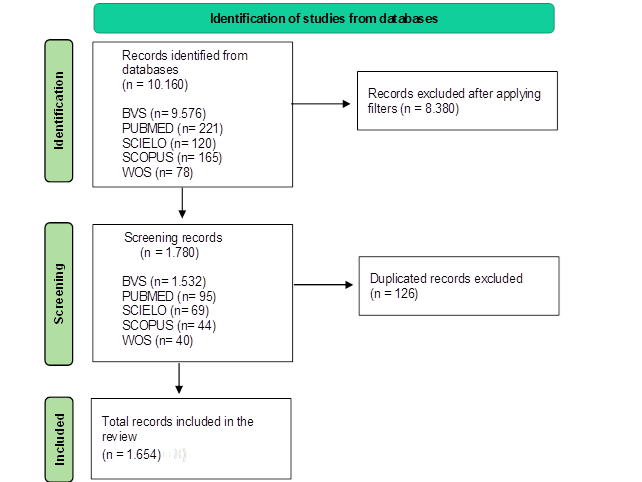
Figure 1 - PRISMA flowchart adapted for the selection of scientific productions included in the bibliometrics. Belém (PA), Brazil, 2025.
Among the analyzed publications, the scientific article format predominated (n=1.626), with the majority available in English (n=1.281) and published in 2018 (n=504). The period from 2018 to 2021 saw the highest volume of publications, with a decline in subsequent years. The annual distribution was as follows: 2018 (n=504), 2019 (n=466), 2020 (n=384), 2021 (n=202), 2022 (n=76) and 2023 (n=22), showing a progressive reduction in publications related to the topic.
8.407 authors were identified, two of whom presented nine publications on the subject, three authors published eight articles, and five authors contributed with seven publications. In addition, 6.726 authors registered only one publication. The co-authorship analysis was carried out using the Vosviewer® Software, allowing the connections between authors to be identified. For this analysis, a filter was applied considering authors with at least three publications, resulting in 6 clusters, 25 items, 61 connections, and a total connection strength of 103 between the authors, as illustrated in Figure 2.
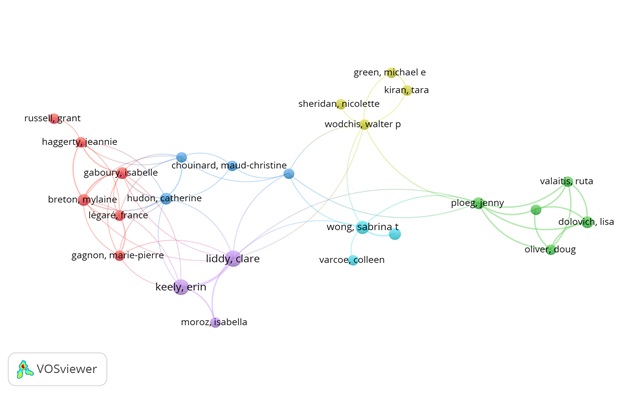
Figure 2 - Co-authorship network of scientific productions included in the bibliometrics. Belém (PA), Brazil, 2023.
To improve the organization of the findings, the results relating to journals, authors and keywords will be presented below, according to each bibliometric law.
Bradford's Law: Publications by journals
Bradford's Law was applied to analyze the dispersion of knowledge in scientific journals. 519 different journals were identified, which were distributed into four quadrants according to their productivity in the thematic area (Table 1).
The 1st quadrant is made up of 10 (1,9%) journals that published 416 (25%) documents; the 2nd quadrant includes 42 (8%) journals, responsible for 415 (25%) documents; the 3rd quadrant has 115 (22,1%) journals that published 414 (25%) documents; and finally, the 4th quadrant brings together the largest part, 352 (67,8%) journals, with 409 (25%) documents published.
The 10 journals with the highest number of publications were, in descending order: BMC Health Services Research (n=83), BMJ Open (n=69), Cadernos de Saúde Pública (n=52), Ciência & Saúde Coletiva (n=51), BMC Family Practice (n=38), Journal of the American Board of Family Medicine (n=30), PLOS One (n=27), British Journal of General Practice (n=23), Revista Panamericana Salud Publica (n=23) and Health Services Research (n=20).
Table 1 - Application of Bradford's Law to scientific productions included in the bibliometrics. Belém (PA), Brazil, 2023.
|
Quadrant |
Journals |
Productions |
Percentage (%) |
|
1º |
10 |
416 |
25% |
|
2º |
42 |
415 |
25% |
|
3º |
115 |
414 |
25% |
|
4º |
352 |
409 |
24% |
|
Total |
519 |
1654 |
99% |
Lotka's Law: Authors' productivity
8.407 authors were identified with a productivity of 9.768 articles. Based on Lotka's Law, it was established that 20% (n=1681) of the authors produced 31,15% (n=3042) of the articles, and 80% (n=6.726) of the authors produced around 68,85% (n=6726) of the articles (Table 2).
The 11 authors with the highest number of publications were, in descending order: Erno Harzheim (n=9), Clare Liddy (n=9), Erin Keely (n=8), Thiago Augusto Hernandes Rocha (n=8), Patricia Rodrigues Sanine (n=8), Patty Fidelis de Almeida (n=7), ERL Castanheira (n=7), Luiz Augusto Facchini (n=7), Alaneir de Fátima Dos Santos (n=7) and Elaine Tomasi (n=7).
Table 2 - Application of Lotka's Law to scientific productions included in the bibliometrics. Belém (PA), Brazil, 2023.
|
Authors |
N |
Productivity |
Percentage (%) |
|
20% of the Authors |
1681 |
3042 |
31,15% |
|
80% of the Authors |
6726 |
6726 |
68,85% |
Zipf's Law: Frequency and distribution of keywords
A total of 3.691 keywords were identified and used 10.135 times to index the publications. Zipf's Law was applied to order the words descendingly according to their frequency of occurrence, and they were distributed into three groups: Trivial Zone, Interesting Zone, and Noise Zone. (Figure 3).
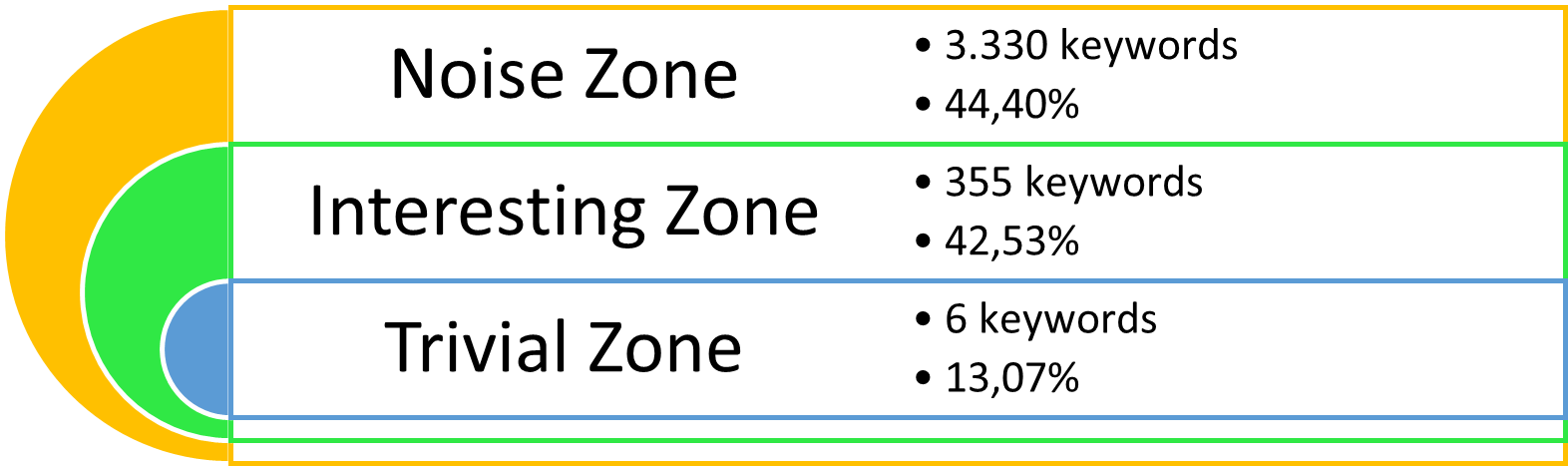
Figure 3 - Zipf's Law and the distribution of Zones. Belém (PA), Brazil, 2023.
The distribution of keywords was conducted by using the Vosviewer® Software, represented in Figure 4 by means of a heat map. For this analysis, a minimum cut-off point of five occurrences per keyword was adopted, resulting in 8 clusters, 335 items, 5.460 connections, and 12.398 connecting forces in the total number of cited words.
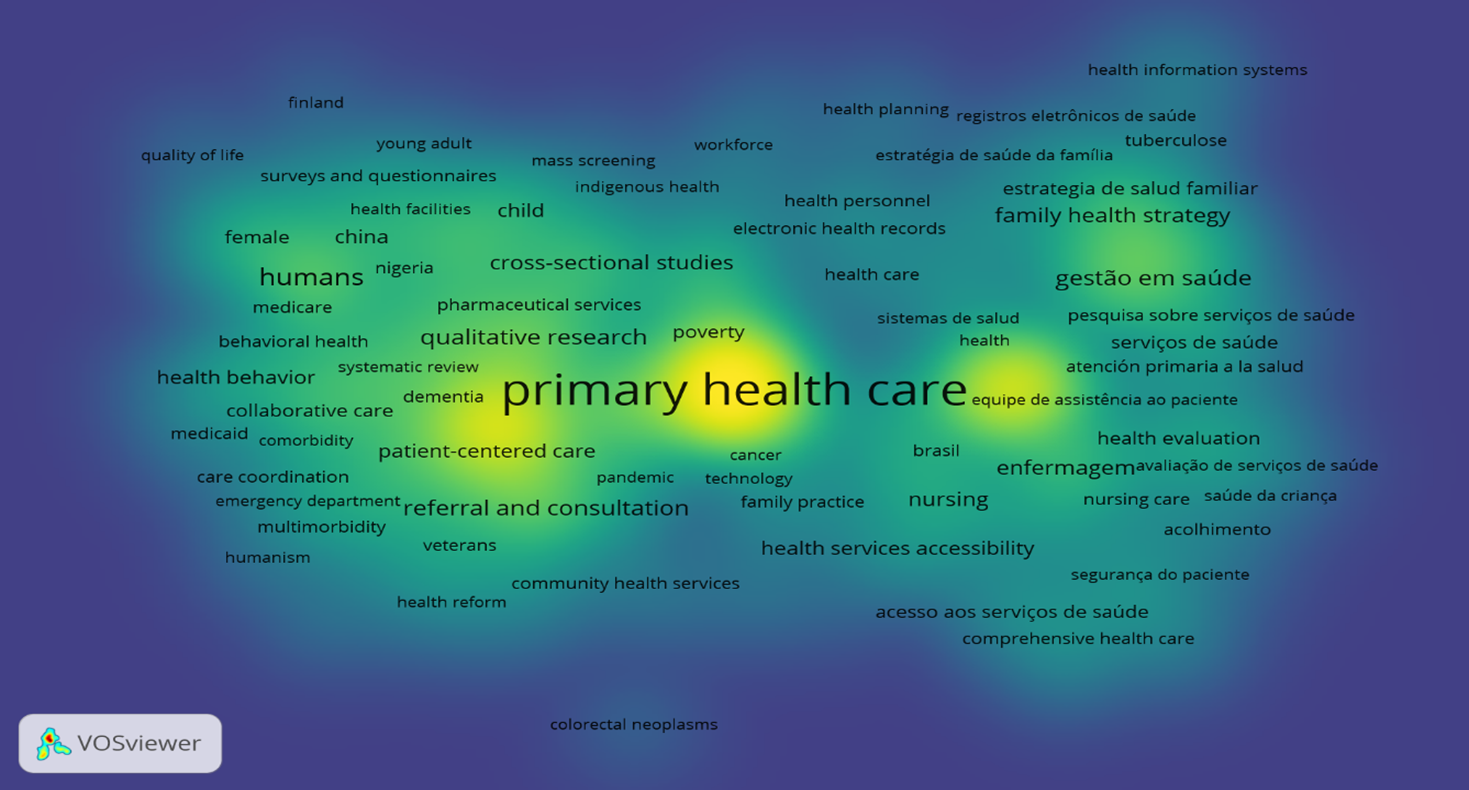
Figure 4 - Zipf's Law and the most prominent keywords in scientific productions included in the bibliometrics. Belém (PA), Brazil, 2023.
The Trivial Zone comprises the most frequently used and most relevant keywords for indexing productions on the subject. Table 3 shows the percentage of keywords that make up this zone in relation to the total number of analyzed terms.
Table 3 - Zipf's Law and Trivial Zone of scientific productions included in the bibliometrics. Belém (PA), Brazil, 2023.
|
|
Keywords |
Frequency |
% of all Zones |
% of Trivial Zone |
|
1 |
Primary Health Care |
607 |
5,99 |
45,81 |
|
2 |
Atenção Primária à Saúde |
218 |
2,15 |
16,45 |
|
3 |
Primary care |
209 |
2,06 |
15,77 |
|
4 |
Atención Primária de Salud |
146 |
1,44 |
11,02 |
|
5 |
Humans |
83 |
0,82 |
6,26 |
|
6 |
Referral and Consultation |
62 |
0,61 |
4,68 |
|
|
Total |
1325 |
13,07 |
99,99 |
Discussion
Given the volume of results from this bibliometrics, the relevance of studies on health management by nurses in PHC to the scientific and social environment can be noted. This is due to the broad scope of nurses' work in health management and PHC, both in Brazil and in other countries. PHC management is a complex process that requires professionals with diverse knowledge of management and the health sector. However, it is often the case that the managers of some health services do not have the appropriate training for this role, which has a direct impact on the quality of care provided to the population.13
Despite this scenario, it is important to emphasize the potential of nurses' training and scope of practice in administration and health care, making this professional category essential for the management of health services.13 The recognition of nursing as a science requires investments in the qualification of human resources, as well as incentives for research and scientific production, contributing to the transformation of society through the dissemination of knowledge.7
In this context, studies emphasize the importance of the ongoing training process for nurse managers in PHC, as this favors the development of decision-making and leadership skills that will help in their management practices. The growing search for qualification of managers can be reflected in the increase in scientific publications on the subject between 2018 and 2021, since health training and management have become areas of interest.13
When analyzing the dispersion of knowledge by using Bradford's Law, it became clear that a small number of journals concentrate most of the publications, while the number of journals in the other quadrants increases as their productivity on the subject decreases, corroborating the premise that “a few produce a lot, and many produce little”.14
This phenomenon indicates the concentration of scientific production in higher impact journals, which reinforces the findings of other studies that highlight the importance of these journals in disseminating relevant studies on PHC management. Thus, more than the volume of publications, it is essential to pay attention to the quality of the studies as well as to the quantity, guaranteeing the robustness and applicability of the generated knowledge.2
With regard to the productivity of the authors, the analysis based on Lotka's Law revealed that scientific production on the practice of nurse management was lower than expected. While 80% of the authors produced approximately 68% of the articles, the other 20% were responsible for around 32% of the total production, showing that many authors publish only once on a given topic, which may be related to the fact that most of the publications derive from academic work such as dissertations and theses, corroborating other studies that had the same result.15 Furthermore, the fragmentation of health management in PHC can also represent an obstacle to the development of robust models in the area, as pointed out by research that emphasizes the need for more integrated and collaborative approaches.16
When analyzing the frequency of keywords, “Primary Health Care” was observed to predominate, indicating a high volume of productions in that context. Yet, the term “health management” was found to be absent from the Trivial Zone, appearing only in the Interesting Zone, which demonstrates its low use in studies, even in light of its broad concept in the DeCS/MeSH, which allows for various applications: “It encompasses activities of formation, implementation and evaluation of health policies, institutions, programs, projects and services, as well as the conduction, management and planning of health systems and services”. Considering the intrinsic relationship between these terms, it is worth reflecting on the approach of scientific productions on the subject, bearing in mind that management is part of PHC as an essential activity for comprehensive care in this area, and can be carried out by direct action of the health professional to the user and by articulation between professionals of the health team working in PHC, which involves everything from resource management to care management.16-17
Moreover, with regard to the frequency of keywords, there was a predominance of the descriptor “Referral and Consultation”, which represents, according to DeCS/MeSH, “The practice of sending a patient to another program or doctor for the provision of services or advice which the referral source is not prepared to provide”, revealing that the referral of PHC patients to specialized care is frequent in both practical and scientific reality. The role of PHC in the regulation of care is highlighted, conceptually attributing the notion of micro-regulation, making the articulation between Telehealth and secondary care services possible, while expanding access to comprehensive care.18
Recognition of this protagonism, however, does not mean that it is effective in local realities, given that access to specialized care is one of the biggest problems in the Unified Health System (SUS in the original language) due to insufficient and/or fragile diagnostic and therapeutic supply, the organization and functioning of specialized care, as well as the quality of referrals and requests. This fact demands attention and reflection on the care that has been offered, with a strong search for rationalization of resources under the financial logic and care for the continuity of this care, with a view to strengthening and expanding the clinical and resolute capacity of PHC.18
Examining the scientific production on health management by nurses in PHC provides food for thought about what is being produced, how it is being indexed, and what the researchers actually want to show. As well as adopting an approach focused on bibliometric analysis that is different from other studies that discuss management in PHC, the analyses of co-authorship and dispersion of knowledge offer a new perspective on how the literature on the subject is being constructed, contributing to mapping scientific productivity and collaboration between authors, aspects that the analyzed studies do not address in detail.
These reflections may encourage further investigations with the aim of transforming the highlighted scenario and of strengthening nursing practice in PHC health management, contributing to the visibility and expansion of this area of knowledge, as well as to advances in valuing nursing in health management and PHC.
Study Limitations
This article has limitations with regard to the use of secondary data, since it is susceptible to errors and/or omission of data for indexing and disseminating studies, as well as the lack of depth in qualitative issues of the productions. However, the purpose of the study was met, prompting reflections on the subject and on the importance of nursing in PHC management, contributing to the advancement and strengthening of scientific production on PHC.
Conclusion
Based on the analysis of the bibliometric profile on health management by nurses in Primary Health Care, it was observed that scientific production on the subject is broad and diverse, but has declined over the analyzed period. Publications are predominantly articles in English, with significant collaboration between authors, but with a low number of researchers dedicated to the topic. In addition, the dispersion between journals and keywords indicates a wide variety of approaches and a certain fragmentation in the field of study.
The application of Bradford's Law revealed the most influential and productive journals in the area, which can guide the choice of journals for future publications. By using Lotka's Law, it was possible to identify the most productive authors, providing important references for future research on the subject. Analysis of the keywords by using Zipf's Law showed the most frequent and representative expressions in the field, which contributes to an understanding of the most relevant and emerging areas within the study of health management by nurses in Primary Health Care.
Hence, the importance of bibliometric studies for future research in the area of health, especially in nursing, is highlighted. These methodologies help to identify trends and gaps in knowledge, and are fundamental for directing and strengthening scientific production. The use of these approaches can help to consolidate nursing research, to improve the visibility of emerging themes, and to expand collaboration between researchers, optimizing the impact of scientific production on professional practice.
Authors’ Contributions
Study design: Aloma Sena Soares, Giovanna Paraense, Paula Gisely Costa Silva, Rubenilson Caldas Valois. Data collection: Aloma Sena Soares, Giovanna Paraense, Paula Gisely Costa Silva. Data analysis and interpretation: Aloma Sena Soares, Giovanna Paraense, Paula Gisely Costa Silva, Rubenilson Caldas Valois. Manuscript writing: Aloma Sena Soares, Giovanna Paraense, Paula Gisely Costa Silva, Eliene do Socorro da Silva Santos, Ivaneide Leal Ataíde Rodrigues, Laura Maria Vidal Nogueira, Rubenilson Caldas Valois. Critical revision of the manuscript: Aloma Sena Soares, Giovanna Paraense, Paula Gisely Costa Silva, Eliene do Socorro da Silva Santos, Ivaneide Leal Ataíde Rodrigues, Laura Maria Vidal Nogueira, Rubenilson Caldas Valois. Approval of the final version of the text: Aloma Sena Soares, Giovanna Paraense, Paula Gisely Costa Silva, Eliene do Socorro da Silva Santos, Ivaneide Leal Ataíde Rodrigues, Laura Maria Vidal Nogueira, Rubenilson Caldas Valois.
Conflict of interest
The authors have declared that there is no conflict of interest.
References
- Brasil. Ministério da Saúde. Portaria nº 2.436, de 21 de setembro de 2017. Aprova a Política Nacional de Atenção Básica, estabelecendo a revisão de diretrizes para a organização da Atenção Básica, no âmbito do Sistema Único de Saúde (SUS) [Internet]. Brasília (DF): Ministério da Saúde, 2017 [cited 2023 Aug 18]. Available from: http://bvsms.saude.gov.br/bvs/saudelegis/gm/2017/prt2436_22_09_2017.html
- Pires DEP, Vandresen L, Machado F, Machado RR, Amadigi FR. Primary Healthcare Management: What is discussed in the literature. Texto Contexto Enferm [Internet]. 2019 [cited 2023 Aug 18]; 28:e20160426. DOI: https://doi.org/10.1590/1980-265X-TCE-2016-0426
- Rodrigues Coelho AC, Almeida Silva D, Bomfim Filho CR, Hermelinda Maia Macena R, de Vasconcelos TB. Gestão do Cuidado em Saúde na Atenção Primária: uma Análise da Área Descentralizada de Saúde de Crateús/CE. J Health Biol Sci. [Internet]. 2024 [cited 2025 Feb 10]; 12(1): 1-8. Available from: https://periodicos.unichristus.edu.br/jhbs/article/view/5386
- Fontenele Júnior AAM, Barreto RM, Ribeiro MA, Albuquerque IMN, Carneiro MSM, Cunha ICKO. Percepção acerca do processo de gerenciamento em Centros de Saúde da Família. Enferm Foco [Internet]. 2020 [cited 2025 Aug 10]; 11(2):160-67. DOI: https://doi.org/10.21675/2357-707X.2020.v11.n2.3253
- Donthu N, Kumar S, Mukherjee D, Pandey N, Lim WM. How to conduct a bibliometric analysis: An overview and guidelines. J Bus Res [Internet], 2021 [cited 2024 Mar 29]; 133:285-296. DOI: https://doi.org/10.1016/j.jbusres.2021.04.070
- de Andrade EGR, Rodrigues ILA, Valois RC, Peixoto IVP, Nogueira LMV, de Matos WDV, et al. Perfil Da Produção Científica Sobre A Infecção Latente Da Tuberculose: Estudo Bibliométrico. Rev Enferm Atual In Derme [Internet]. 2022 [cited 2023 Jul 3]; 96(39):e-021297. DOI: http://dx.doi.org/10.31011/reaid-2022-v.96-n.39-art.1455
- Alves HLC, Lima GS, Albuquerque GA, Gomes EB, Cavalcante EGR, Viana MCA. Use of nursing theories in Brazilian theses: bibliometric study. Cogitare Enferm. [Internet]. 2021 [cited 2023 Jul 3]; 26. DOI: http://dx.doi.org/10.5380/ce.v26i0.71743
- Ouzzani M, Hammady H, Fedorowicz Z. Rayyan-a web and mobile app for systematic reviews. Syst Rev. [Internet]. 2016 [cited 2023 Jul 3]; 5(1):210. DOI: https://doi.org/10.1186/s13643-016-0384-4
- Silva RLS, Santos ERA, Andrade EGR, Rodrigues ILA, Nogueira LMV, Silva EP. Scientific production on the riverside population’s health in Brazilian territory: a bibliometric study. Enferm. UFSM [Internet]. 2023 [cited 2024 Mar 29]; 13(e41):1-21. DOI: https://doi.org/10.5902/2179769284359
- Anjos de Jesus L, Costa LEL, Oliveira MG, Souza VRS, da Silva GTR, Cordeiro ALAO, et al. Ensino da consulta de enfermagem na formação do enfermeiro: estudo bibliométrico. Cogitare Enferm. [Internet]. 2022 [cited 2023 Jul 3]; 27:e84473. DOI: https://doi.org/10.5380/ce.v27i0.84473
- Costa ICP, Sampaio RS, Souza FAC de, Dias TKC, Costa BHS, Chaves E de CL. Scientific production in online journals about the new coronavirus (covid-19): bibliometric research. Texto contexto Enferm [Internet]. 2020 [cited 2024 Mar 29]; 29:e20200235. DOI: https://doi.org/10.1590/1980-265X-TCE-2020-0235
- Albuquerque GPM, Coura AS, Fernandes MRCC, França ISX, Baptista RS, Nascimento MO. Produção científica dos cuidados de enfermagem ao paciente com traumatismo da medula espinhal: uma análise bibliométrica. Pesqui. Cuid. Fund. Online [Internet]. 2021 [cited 2024 Mar 29]; 13:568-574. DOI: http://dx.doi.org/10.9789/2175-5361.rpcfo.v13.9322
- Assad SGB, Valente GSC, Santos SCP, Cortez EA. Training and practice of nurses in Primary Care management: perspectives of Schön’s Theory. Rev Bras Enf. [Internet] 2021 [cited 2023 Jul 13]; 74(3):e202004661. DOI: https://doi.org/10.1590/0034-7167-2020-0461
- Sembay MJ, Pinto AL, Macedo DDJ, Moreiro González JA. Aplicación de la Ley de Bradford a la investigación sobre Open Government. An Doc [Internet]. 2020 [cited 2024 Mar 30]; 23(1). DOI: http://dx.doi.org/10.6018/analesdoc.326771
- Silva FJN, Chagas ML, Corrêa Neto SS, Moura TRS. Observações da lei de lotka na produção científica da literatura de gamificação aplicada à segurança do trabalho. Rev Foco [Internet]. 2023 [cited 2024 Mar 30]; 16(9):01-29. DOI: http://dx.doi.org/10.54751/revistafoco.v16n9-092
- Soder RM, dos Santos JLG, dos Santos LE, Oliveira IC, da Silva LAA, Peiter CC. Práticas de enfermeiros na gestão do cuidado na atenção básica. Rev Cub Enferm [Internet]. 2020 [cited 2023 Aug 19]; 36(1). Available from: https://revenfermeria.sld.cu/index.php/enf/article/view/2815
- Lopes OCA, Henriques SH, Soares MI. Competências dos enfermeiros na estratégia Saúde da Família. Esc Anna Nery [Internet]. 2020 [cited 2023 Aug 19]; 24(2):e20190145. DOI: https://doi.org/10.1590/2177-9465-EAN-2019-0145
- Melo EA, Gomes GG, Carvalho JOD. A regulação do acesso à atenção especializada e a Atenção Primária à Saúde nas políticas nacionais do SUS. Physis: Rev Saúde Colet [Internet]. 2021 [cited 2023 Aug 19]; 31(1):e310109. DOI: https://doi.org/10.1590/S0103-73312021310109
Corresponding Author
Aloma Sena Soares
E-mail: alomassoares@gmail.com
© The Author(s) 2025. This work is licensed under Creative Commons Attribution 4.0 International. License text for use: https://creativecommons.org/licenses/by/4.0/
 Português (Brasil)
  English
  Español (España)