Idioma
Risk factors and nursing care for skin injuries in newborns in the Neonatal Intensive Care Unit: a scoping review
 Luciana Maria Varela de Queiroz1, José Adailton da Silva2, Marcela Paulino Moreira da Silva Queiroz3, Neide Maria Palhano dos Santos4, João Henrique Silva Corrêa5, Douglas Fernandes dos Santos6, Hertz Wilton de Castro Lins7
1,2,3,4,5,6,7Universidade Federal do Rio Grande do Norte. Natal (RN), Brazil.
Introduction
Worldwide, approximately 350,000 preterm Newborns (NB) die as a result of sepsis and meningitis, and about 50% of these deaths occur in the first week of life, a period in which the barrier function of the epidermis is more compromised. These rates are even higher in developing countries, where mortality can reach up to 70%.1
In the national context, some studies demonstrate that the incidence of skin injuries in hospitalized NB is approximately 40.4%, with diaper dermatitis being the most prevalent lesion. In addition to this condition, pressure injuries related to immobility and the use of devices; injuries associated with the use of adhesives; injuries resulting from exposure to chemical substances; and thermal injuries, among others, are frequently observed, compromising the skin integrity of the NB.2-3
These findings may be explained by the fact that about 80% of neonatal morbidity and mortality are associated with trauma or alterations in the normal function of the skin. The Neonatal Intensive Care Unit (NICU) is characterized as a complex environment, marked by the use of advanced technologies and the performance of multiple procedures, invasive or not. Such interventions represent stressors to the NB and may negatively interfere with skin integrity.4
Furthermore, the greater the number of aggravating factors associated with the risk of skin injuries, the longer the length of hospital stay may be, reinforcing the need for intensive, continuous, and qualified care by Nursing. Such injuries largely result from the functional immaturity of newborn skin, often aggravated by inadequate handling during care.³
Thus, the prophylaxis of skin injuries falls predominantly on the team responsible for care, especially Nursing, which acts both in management, supervision, and professional training activities and in the provision of direct care to NB admitted to the NICU.4-5 In this context, considering that most procedures performed in the NICU are the responsibility of the Nursing team, the role of Nursing professionals becomes central and strategic in the assessment, prevention, and treatment of skin injuries, due to their continuous presence from admission to discharge.6 Given this reality, the current major challenge consists of reintegrating the NB into society without skin injuries, contributing to the reduction of hospital stay and hospital costs.
One of the international goals of the National Patient Safety Program, established in 2013, refers to injury prevention, reinforcing the importance of investigating this topic. This guideline highlights the need to rethink patient safety in the NICU, with emphasis on harm reduction and the guarantee of skin integrity.
Despite the relevance of the topic, a significant gap is observed in scientific production, especially because it involves a vulnerable population. The literature presents few studies specifically focused on newborn skin care in the NICU context, particularly regarding Nursing practices.7
In this context, the production of scientific evidence that guides the prevention of skin injuries and contributes to the qualification of neonatal Nursing practice becomes relevant. Therefore, the objective is to identify in the literature the main risk factors and Nursing care related to skin in NB in the NICU.
Method
This is a scoping review conducted according to the principles recommended by the Joanna Briggs Institute (JBI) method8 and the Preferred Reporting Items for Systematic Reviews and Meta-Analyses extension for Scoping Reviews (PRISMA-ScR) checklist.9 This review’s protocol is registered in the Open Science Framework (OSF), under DOI number: 10.17605/OSF.IO/NWD2Y.
The study followed the methodological strategy composed of six stages: 1) identification of the research question; 2) identification of relevant studies; 3) study selection; 4) data extraction; 5) organization, summarization, and presentation of results; and 6) presentation of the results.8
For the development of the review, the following research question was formulated: what risk factors and Nursing care are evidenced in the literature for the prevention and maintenance of NB skin in the NICU? The guiding question was structured according to the PECO strategy, considering: P – Population: NB in the NICU; E – Exposure: NB skin; C – Comparison: not applicable; R – Results: risk factors and Nursing care.
The review was conducted in the following databases: MEDLINE/PubMed, EMBASE, SCOPUS, Nursing Database (BDENF), and Scientific Electronic Library Online (SciELO).
For the database search, controlled descriptors from the Health Sciences Descriptors (DeCS) and Medical Subject Headings (MeSH), as well as keywords and synonyms, were used: Newborn, Skin Injury, Nursing Care, and Risk Factor. Table 1 presents the search syntax, descriptors/synonyms, and the Boolean operator “OR” used in the search. It is emphasized that the search was conducted in February and March 2024.
Table 1 - Databases and descriptors used in the databases. Natal (RN), Brazil, 2024.
|
Research bases |
Descriptors |
|||
|
Newborn |
Skin injury |
Nursing care |
Risk factor |
|
|
MEDLINE/ PubMed |
“Infants, Newborn” OR “Newborn Infant” OR “Newborn Infants” OR Newborns OR Newborn OR Neonate OR Neonates OR “Newborn Intensive Care Unit” OR “Neonatal Intensive Care Unit” OR “Newborn Intensive Care Units” (NICU) OR “Neonatal ICU” OR “Newborn ICU” |
“Injury skin” OR “skin tear” OR “Degloving Injury” OR “Injuries, Degloving” OR “Injury, Degloving” OR “pressure injury” OR “medical adhesive skin injury” OR “diaper dermatitis”
|
“Care, Nursing” OR “Management, Nursing Care” OR “Nursing Care Managemen” OR “Factor, Risk” OR “Risk Factor” OR “Health Correlates” OR “Skin Care”
|
“Risk, factor” OR Factor, Risk” OR “Factors, Risk” OR Risk, factors” |
|
EMBASE |
||||
|
SCOPUS |
||||
|
BDENF |
||||
|
SciELO |
||||
Studies addressing risk factors and Nursing care for the prevention and maintenance of NB skin in the NICU were included. It should be noted that there were no restrictions regarding language or publication period, and that participants of eligible studies were NB classified as: preterm, term, post-term, low birth weight, very low birth weight, extremely low birth weight, adequate weight, and macrosomic.
The results found were extracted and organized into a data spreadsheet using Microsoft Excel software. For analysis, selection, and exclusion of studies, the Rayyan software10 was used, including data such as article title, year of publication, country, language, objectives, study design, population, sample, setting, and level of evidence. Duplicate articles, those that did not address the research question, abstracts, conference proceedings, notes, reports, reviews, letters, and review studies were excluded. Article selection was carried out through careful reading of titles and abstracts to verify eligibility according to the aforementioned criteria.
The 11 eligible studies were retrieved in full and evaluated by two researchers. It is emphasized that disagreements were discussed until consensus was reached.
Data analysis was performed through tables and narrative discussion based on extensive reading of the findings of the selected articles.
Results
The initial search in the databases, conducted using the descriptors and applying the previously mentioned inclusion criteria, resulted in a total of 573 eligible articles in the following databases: MEDLINE/PubMed, EMBASE, Scopus, Nursing Database (BDENF), and Scientific Electronic Library Online (SciELO). The 573 articles identified at this stage are presented in Figure 1.

Figure 1 - Flowchart of selected articles. Natal (RN), Brazil, 2024.
Table 2 describes the studies' characterization regarding article title, author, year of publication, study type, risk factors, and Nursing care.
Table 2 - Characterization of studies selected in the scoping review. Natal (RN), Brazil, 2024.
|
Title |
Author/Year |
Study type |
Risk factors |
Nursing Care |
|
Atuação da enfermeira na prevenção de lesão de pele do recém-nascido.11 |
Rolim et al., 2009. |
Descriptive exploratory. |
▪ Electrode fixation. |
▪ Use of protectors or barriers for fixation of electrodes, probes, and catheters. ▪ Cleaning and drying of the skin before applying fixation adhesives. ▪ Use of transparent film and hydrocolloid. ▪ Skin antisepsis with cotton and 70% alcohol. Avoid cytotoxic solutions. ▪ Systematic skin assessment. ▪ Removal of electrodes with distilled water and mineral oil. ▪ Use of gauze compresses and microporous adhesive tape to cover the arterial blood gas collection site. ▪ Repositioning every two to three hours, according to the baby. ▪ Use of microporous adhesive tape in minimal amount and without compression for dressing fixation. ▪ Use of microporous and hypoallergenic adhesive tape for fixation of the orotracheal tube and nasal catheter. |
|
Global variation in skin injuries and skincare practices in extremely preterm infants.12 |
Jani et al., 2023.
|
Analytical study. |
▪ Diapers. ▪ Medical Adhesive-Related Skin Injury (MARSI). ▪ Pressure. ▪ Abrasion. ▪ Infection. ▪ Application of petrolatum-based emollients. ▪ Use of perforated plastic tapes. ▪ Assessment within less than 4 hours. |
▪ Use of petrolatum-based emollient. ▪ Skin care guidelines. ▪ Use of adhesive removers. ▪ Skin assessment at least every four hours. ▪ Device rotation. ▪ Use of a local skin assessment tool. ▪ Use of aqueous chlorhexidine, iodine- and alcohol-based solutions and antiseptic for skin antisepsis. ▪ Repositioning. ▪ Use of transparent film or hydrocolloid. ▪ Use of tape removers. ▪ Use of wet gauze to remove tapes. ▪ Monitoring of lesion cultures. |
|
Hospital-acquired skin lesions in the neonatal intensive care unit: a retrospective analysis of temporal trends and quality improvement strategies.13 |
Fassino et al., 2023. |
Retrospective study. |
▪ Use of nasal Continuous Positive Airway Pressure (nCPAP). ▪ Use of Heated Humidified High-Flow Nasal Cannula (HHFNC). ▪ Sex. ▪ Gestational age. ▪ Birth weight. |
▪ Educational and quality improvement program. ▪ Use of nasal barrier dressing. ▪ Alternation of nCPAP interface with HHFNC. ▪ Use of HHFNC as an alternative for noninvasive ventilation. |
|
Iatrogenic skin injury in the neonatal Intensive Care Unit.14 |
Sardesai et al., 2011. |
Prospective study. |
▪ Vacuum-assisted delivery. ▪ Monitoring with infrared light cables and electrodes. ▪ Phototherapy. ▪ Use of water heaters. ▪ Use of alcohol, chlorhexidine, iodine, and iodopovidone. ▪ Use of adhesives. ▪ Use of vasoactive drugs, parenteral therapy, calcium, and lipids via intravenous route. ▪ Blood collection and heel prick test. ▪ Use of Continuous Positive Airway Pressure (CPAP). |
▪ Rotation of monitoring devices. ▪ Skin cleansing after the use of alcohol, chlorhexidine, iodine, and iodopovidone. ▪ Removal of adhesives using oils. ▪ Use of appropriate materials for blood collection. ▪ Use of flexible prongs of appropriate size. ▪ Rotation between mask and prong with proper fixation. |
|
Intervenciones de enfermería en neonatos con presión positiva continua.15 |
Reza et al., 2018. |
Cross-sectional cohort study. |
▪ Prematurity. ▪ Low birth weight. ▪ Ineffective thermoregulation. ▪ Fragile skin. ▪ Respiratory distress. ▪ Intrauterine growth restriction. ▪ Pneumonia. ▪ Use of CPAP. |
▪ CPAP management. ▪ Use of Cavilon. ▪ Repositioning. |
|
Medical adhesives in the nicu.16 |
Lund, 2014.
|
Exploratory study. |
▪ MARSI. |
▪ Use of appropriate adhesive tapes: micropore, paper, silicone, hydrogel, hydrocolloid. ▪ Use of skin barrier products. ▪ Use of transparent film/barrier. ▪ Avoid use of alcohol-based products. ▪ Use of adhesive removers. |
|
Nasal injury with continuous positive airway pressure: need for “privileging” nursing staff.17 |
Naha et al., 2019. |
Observational study. |
▪ Use of CPAP. |
▪ Team trained for appropriate management. |
|
Survey of neonatal nurses' practices and beliefs in relation to skin health.18 |
Liversedge et al., 2018. |
Cross-sectional study. |
▪ CPAP. ▪ Peripheral access. ▪ Use of cannulas. ▪ Surgical tape. ▪ Pulse oximeter. |
▪ Training. ▪ Minimal handling. ▪ Performing skin assessment in an appropriate manner and at adequate time intervals. ▪ Individualization of care. ▪ Proper handling of medical devices. ▪ Use of protective barriers. ▪ Teamwork. ▪ Effective communication. |
|
Nasal prongs: risks, injuries incidence and preventive approaches associated with their use in newborns.19 |
Ribeiro et al., 2020.
|
Observational study. |
▪ Use of CPAP with prongs. |
▪ Selection of the appropriate prong size. ▪ Selection of the appropriate cap size. ▪ Proper fixation of the circuit to the cap. ▪ Lubrication of the prong with double-distilled water or 0.9% saline before insertion. ▪ Use of hydrocolloid and Velcro to secure the prong. ▪ Circuit insertion always performed by two professionals. ▪ Monitoring of positioning during prong use - 2 mm distance from the septum without traction on the airways. ▪ Continuous monitoring. ▪ Maintenance of appropriate temperature during humidification. ▪ Nasal columella massage every three hours. ▪ Ongoing training and team awareness. |
|
Lesão de septo nasal em neonatos pré-termo no uso de prongas nasais.20 |
Fátima et al., 2014. |
Analytical and prospective study, of the open therapeutic intervention cohort type. |
▪ CPAP. ▪ Weight. ▪ Gestational age. ▪ Duration of CPAP use. |
▪ Monitoring. ▪ Use of silicone gel. ▪ Compliance with the protocol. |
|
Neonatal intensive care practices and the influence on skin condition.21 |
Visscher et al., 2013. |
Retrospective review. |
▪ Contact with feces. ▪ Type of diet. ▪ Clinical status. ▪ Diagnosis. |
▪ Use of topical barriers. ▪ Frequent diaper changes. |
After analysis of the articles, it was concluded that the most frequently identified risk factors were: use of medical devices, 8;11,13-15,17-20 MARSI, 5;11-12,14,16,18 gestational age, 3;13,15,20 weight, 3;13,15,20 and length of hospital stay, 1 (Figure 2).20
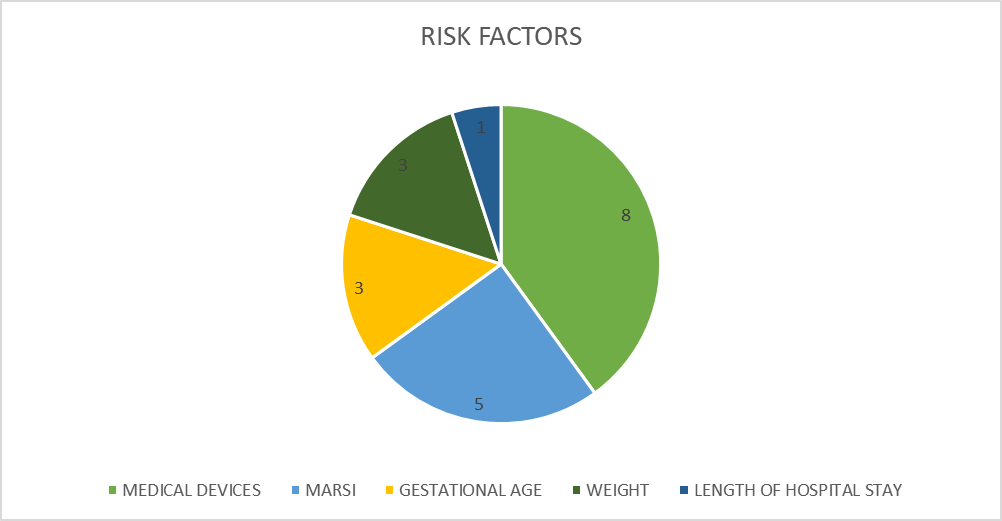
Figure 2 - Representation of the most frequent risk factors in the selected articles. Natal (RN), Brazil, 2024.
Regarding Nursing care, the following stood out: team training, 812-15,17-20; use of transparent film or hydrocolloid, 711-13,16,19-21; use of skin barrier products, 611-12,15-16,18,21; systematic skin assessment, 511-12,18-20; adhesive removers, 411-12,14,16; device rotation, 312-14; repositioning, 311-12,15; and infection control with chlorhexidine and alcohol, 311-12,14 (Figure 3).

Figure 3 - Representation of the most frequent Nursing care in the selected articles. Natal (RN), Brazil, 2024.
Discussion
Medical devices were observed to be one of the main risk factors for the development of skin injuries in NB admitted to the NICU. Among these devices, pulse oximetry and Continuous Positive Airway Pressure (CPAP) stand out, frequently associated with the development of such injuries.11,13-15,17-20 Although indispensable for support and clinical monitoring of NB, prolonged or inadequate use of these devices may compromise skin integrity.22
Corroborating these findings, a cross-sectional study conducted in China identified that approximately 37.15% of children admitted to the ICU presented skin injuries related to medical devices. The most prevalent injuries were skin detachment and laceration, with greater involvement of the facial region, frequently associated with the use of adhesive tapes to secure the endotracheal tube. These results are consistent with the data identified in this review.23
Specifically regarding the use of medical adhesives, there is evidence that skin peeling is the most common skin injury in NB. This type of condition may worsen the clinical status, prolong hospital stay, and compromise essential aspects such as feeding and adequate infant development.24
However, besides medical devices, other factors also contribute significantly to the risk of skin injuries. A study conducted in a NICU of a high-complexity public hospital in Fortaleza identified factors mainly related to mechanical and physical aspects, such as frequent handling by the healthcare team, hygiene processes and exposure to moisture, which may cause irritation and fragility of NB skin.24
In this context, variations in risk factors identified among studies may be related to the clinical severity of patients admitted to the NICU. Critically ill NB present a greater predisposition to the development of MARSI due to hemodynamic instability, use of vasoactive drugs, and alterations in the immune, circulatory, and respiratory systems, conditions that compromise skin structure and function. This risk is intensified by the inherent characteristics of neonatal skin, which is thinner, more fragile, and immature.25
Given this scenario, the results highlighted the importance of continuous monitoring and the implementation of preventive measures during the use of medical devices. In NB care, early identification and adequate management of risk factors are essential to preserve skin integrity and reduce harm. In this process, the role of Nursing stands out as essential.26
These professionals play a crucial role in the prevention, maintenance, and restoration of NB skin, which represents a significant demand in NICUs. The particularities of Nursing care in neonatal units require highly qualified professionals capable of quickly identifying problems and performing the necessary interventions to avoid skin injuries.26 This scientific evidence was verified by most authors of the studies included in this review, who identified professional training as an essential Nursing care strategy for maintaining NB skin integrity. The literature indicates that NICU nurses’ performance regarding neonatal skin care ranges from moderate to unsatisfactory and reveals a significant disparity in adopted care standards. This scenario highlights the lack of standardization of Nursing interventions, which often rely predominantly on individual professional experience.27
Maintaining NB skin integrity is an important indicator of the quality of Nursing care, as it helps prevent skin injuries, reduces infection rates and other severe complications, and minimizes negative effects on neurodevelopment.28
In summary, NB skin care requires continuous attention, delicacy, appropriate products, a trained team, and investment in professional training and updating, especially regarding the use of new technologies. Strengthening these strategies is essential to ensure qualified care, promoting comfort, safety, and healthy development of NB.28
Despite the above, the results indicate the need to develop specific preventive care strategies for this group, which may lead to improved care, provide support for Nursing care planning, and strengthen prevention strategies.
As this is a scoping review, this study presents limitations inherent to the method, especially related to the inclusion of studies with broad methodological heterogeneity regarding designs, populations, contexts, and outcomes. This variability prevented direct comparison of results and more in-depth analyses. Additionally, a limited number of studies on this topic were identified, which may be associated with ethical and operational particularities involved in research with NB, a population considered vulnerable. Even so, the findings allow mapping of the available knowledge and highlight relevant gaps, reinforcing the need for future investigations with more standardized and robust methodologies.
Conclusion
The use of medical devices, low birth weight, reduced gestational age, medical adhesive-related skin injuries (MARSI), sex, and prolonged length of hospital stay were the main risk factors associated with the development of skin injuries in NB admitted to the NICU.
Regarding Nursing care described in the literature, fundamental strategies for the prevention and maintenance of NB skin integrity in the NICU stand out, such as the use of transparent films or hydrocolloid dressings, systematic skin assessment, application of skin barrier products, use of adhesive removers, periodic team training, rotation of medical devices, regular repositioning and strict infection control with the appropriate use of antiseptic solutions such as chlorhexidine and alcohol.
This study’s results highlight the complexity of neonatal care and reinforce the need for continuous surveillance of skin integrity, especially in preterm NB. Moreover, they emphasize the central role of Nursing in promoting patient safety and preventing skin-related adverse events.
Skin injuries are a potential and recurrent problem in NICUs, resulting both from the clinical complexity of NB and from prolonged hospitalization and exposure to multiple risk factors. However, the findings demonstrated that the adoption of preventive measures based on scientific evidence can significantly reduce the occurrence of these injuries, reinforcing the relevance of implementing care protocols and a systematized performance of the Nursing team.
Finally, this study strengthens evidence-based Nursing knowledge and guides future investigations, especially those focused on the development and validation of care technologies, clinical protocols, and decision-support tools, contributing to safer, more effective, and more humanized care for the critically ill neonate.
Authors contributions
Study design: Luciana Maria Varela de Queiroz, José Adailton da Silva, Marcela Paulino Moreira da Silva Queiroz, Neide Maria Palhano dos Santos, João Henrique Silva Corrêa, Douglas Fernandes dos Santos, Hertz Wilton de Castro Lins. Data collection: Luciana Maria Varela de Queiroz, José Adailton da Silva, Marcela Paulino Moreira da Silva Queiroz, Neide Maria Palhano dos Santos, João Henrique Silva Corrêa, Douglas Fernandes dos Santos, Hertz Wilton de Castro Lins. Data analysis and interpretation: Luciana Maria Varela de Queiroz, José Adailton da Silva, Marcela Paulino Moreira da Silva Queiroz, Neide Maria Palhano dos Santos, João Henrique Silva Corrêa, Douglas Fernandes dos Santos, Hertz Wilton de Castro Lins. Manuscript writing: Luciana Maria Varela de Queiroz, José Adailton da Silva, Marcela Paulino Moreira da Silva Queiroz, Neide Maria Palhano dos Santos, João Henrique Silva Corrêa, Douglas Fernandes dos Santos, Hertz Wilton de Castro Lins. Manuscript critical review: Luciana Maria Varela de Queiroz, José Adailton da Silva, Marcela Paulino Moreira da Silva Queiroz, Neide Maria Palhano dos Santos, João Henrique Silva Corrêa, Douglas Fernandes dos Santos, Hertz Wilton de Castro Lins. Approval of the final version of the manuscript: Luciana Maria Varela de Queiroz, José Adailton da Silva, Marcela Paulino Moreira da Silva Queiroz, Neide Maria Palhano dos Santos, João Henrique Silva Corrêa, Douglas Fernandes dos Santos, Hertz Wilton de Castro Lins.
Conflict of interest
The authors declared that there is no conflict of interest.
References
1. Hahn LP. Pele do recém-nascido prematuro [monografia]. Curitiba: Departamento de Pediatria, Hospital de Clínicas da Universidade Federal do Paraná; 2001.
2. Kumar A, Mishra S, Singh S, Ashraf S, Kan P, Ghosh AK, et al. Effect of emollient therapy with sunflower seed oil on newborn survival in Uttar Pradesh, India: a community-based, cluster-randomized, open-label controlled trial. PLoS Med. 2021;18(9):e1003680. DOI: https://doi.org/10.1371/journal.pmed.1003680
3. Tenfen C, Barreto GMS, Moreira NM, Ferreira H, Zilly A, Silva RMMD. Skin injuries in newborns hospitalized in neonatal intensive care: a cross-sectional study. Rev Esc Enferm USP. 2024;58:e20240058. DOI: https://doi.org/10.1590/1980-220X-REEUSP-2024-0058en
4. Fox MD. Wound care in the neonatal intensive care unit. Neonatal Netw. 2011;30(5):291–303.
5. Kim H, Park J, Lee S. Analysis of research on developmentally supportive care for prematurity in neonatal intensive care unit: a scoping review. Child Health Nurs Res. 2022;28(1):9–22. DOI: https://doi.org/10.4094/chnr.2022.28.1.9
6. Ferreira EMC, Pereira ARC, Montoito AIM, Curado MAS. Validação clínica da Neonatal Skin Condition Score com recém-nascidos portugueses. Rev Gaucha Enferm. 2023;44:e20220059. DOI: https://doi.org/10.1590/1983-1447.2023.20220059.pt
7. Acosta A, Álvarez M, Bazzano C, Borda K, Borbonet D, De María M, et al. Manejo del neonato con piel frágil. Arch Pediatr Urug. 2024;95(1):e801. DOI: https://doi.org/10.31134/ap.95.1.16
8. JBI methodology for scoping reviews [Internet]. Adelaide: JBI; 2020 [cited 2024 Apr 30]. Available from: https://jbi.global/scoping-review-network
9. Page MJ, McKenzie JE, Bossuyt PM, Boutron I, Hoffmann TC, Mulrow CD, et al. A declaração PRISMA 2020: diretriz atualizada para relatar revisões sistemáticas. Rev Panam Salud Publica. 2022;46:e112. DOI: https://doi.org/10.26633/RPSP.2022.112
10. Ouzzani M, Hammady H, Fedorowicz Z, Elmagarmid A. Rayyan—a web and mobile app for systematic reviews. Syst Rev. 2016;5:210. DOI: https://doi.org/10.1186/s13643-016-0384-4
11. Rolim KMC, Farias CPX, Marques LC, Magalhães FJ, Gurgel EPP, Caetano JA. Atuação da enfermeira na prevenção de lesão de pele do recém-nascido. Rev Enferm UERJ. 2009;17(4):544–549. Available from: https://pesquisa.bvsalud.org/portal/resource/pt/lil-550104
12. Jani P, Mishra U, Buchmayer J, Maheshwari R, D’Cruz D, Walker K, et al. Global variation in skin injuries and skincare practices in extremely preterm infants. World J Pediatr. 2023;19(2):139–157. DOI: https://doi.org/10.1007/s12519-022-00625-2
13. Fassino B, Ferrario S, Sorrentino G, Adamini I, Pesenti N, Fumagalli M, Mosca F, Plevani L. Hospital-acquired skin lesions in the neonatal intensive care unit: a retrospective analysis of temporal trends and quality improvement strategies. J Pediatr Nurs. 2023;70:40–46. DOI: https://doi.org/10.1016/j.pedn.2023.01.009
14. Sardesai SR, Kornacka MK, Walas W, Ramanathan R. Iatrogenic skin injury in the neonatal intensive care unit. J Matern Fetal Neonatal Med. 2011;24(2):197–203. DOI: https://doi.org/10.3109/14767051003728245
15. García Reza C, Mejía-Flores MA, Guadarrama Pérez L, Gómez Martínez V. Intervenciones de enfermería en neonatos con presión positiva continua. Investig Enferm Imagen Desarr. 2018;20(1):1–10. DOI: https://doi.org/10.11144/Javeriana.ie20-1.ienp
16. Lund C. Medical adhesives in the NICU. Newborn Infant Nurs Rev. 2014;14(4):160–165. DOI: https://doi.org/10.1053/j.nainr.2014.10.001
17. Naha N, Pournami F, Prabhakar J, Jain N. Nasal injury with continuous positive airway pressure: need for privileging nursing staff. Indian J Pediatr. 2019;86(7):595–598. DOI: https://doi.org/10.1007/s12098-019-02960-1
18. Liversedge HL, Bader DL, Schoonhoven L, Worsley PR. Survey of neonatal nurses’ practices and beliefs in relation to skin health. J Neonatal Nurs. 2018;24(2):86–93. DOI: https://doi.org/10.1016/j.jnn.2017.07.007
19. Ribeiro DFC, Barros FS, Fernandes BL, Nakato AM, Nohama P. Nasal prongs: risks, injuries incidence and preventive approaches associated with their use in newborns. J Multidiscip Healthc. 2020;13:527–537. DOI: https://doi.org/10.2147/jmdh.s252017
20. Bonfim SFSF, Vasconcelos MGL, Sousa NFC, Silva DVC, Leal LP. Nasal septum injury in preterm infants using nasal prongs. Rev Latino-Am Enfermagem. 2014;22(5):826–833. DOI: https://doi.org/10.1590/0104-1169.3451.2486
21. Visscher MO, Taylor T, Narendran V. Neonatal intensive care practices and the influence on skin condition. J Eur Acad Dermatol Venereol. 2013;27(4):486–493. DOI: https://doi.org/10.1111/j.1468-3083.2012.04470.x
22. August DL, New K, Ray RA, Kandasamy Y. Frequency, location and risk factors of neonatal skin injuries from mechanical forces of pressure, friction, shear and stripping: a systematic literature review. J Neonatal Nurs. 2018;24(4):173–180. Available from: https://www.researchgate.net/publication/320208382_Frequency_location_and_risk_factors_of_neonatal_skin_injuries_from_mechanical_forces_of_pressure_friction_shear_and_stripping_A_systematic_literature_review
23. Wang D, Xu H, Chen S, Lou X, Tan J, Xu Y. Medical adhesive–related skin injuries and associated risk factors in a pediatric intensive care unit. Adv Skin Wound Care. 2019;32(4):176–182. DOI: https://doi.org/10.1097/01.asw.0000553601.05196.fb
24. Sales JM, Lima FE, Almeida PC, Oliveira RM, Santos IB. Fatores intervenientes na integridade cutânea de recém-nascidos em unidade de cuidado intermediário neonatal convencional. Rev Soc Bras Enferm Ped. 2021;21(1):44–50. Available from: https://journal.sobep.org.br/article/fatores-intervenientes-na-integridade-cutanea-de-recem-nascidos-em-unidade-de-cuidado-intermediario-neonatal-convencional/
25. Araújo DAS, Araújo JNM, Silva AB, Lopes JV, Dantas AC, Martins QCS. Alteration of skin condition in newborns admitted to neonatal intensive care: a concept analysis. Rev Bras Enferm. 2022;75(4):e20210473. DOI: https://doi.org/10.1590/0034-7167-2021-0473
26. Girão SGM, Pitombeira MGV, Damasceno AKC, Sales TB, Freitas MML, Menezes CPSR. Risco para lesões de pele em recém-nascidos em UTI neonatal. Rev Enferm UFPE On Line [Internet]. 2021 [cited 2025 Jan 3];15:e246268. Available from: https://periodicos.ufpe.br/revistas/revistaenfermagem/article/view/246268/37672
27. Magalhães AR, Braga Sportitsch A, Matos Abreu A. Autonomia do enfermeiro no tratamento de feridas: uma revisão integrativa. Rev Enferm Atual In Derme [Internet]. 2024 [cited 2024 Nov 25];98(2):e024282. Available from: https://revistaenfermagematual.com.br/index.php/revista/article/view/1635
28. Rysavy MA, Mehler K, Oberthür A, Ågren J, Kusuda S, McNamara PJ, et al. An immature science: intensive care for infants born at ≤23 weeks of gestation. J Pediatr. 2021;233:16–25. DOI: https://doi.org/10.1016/j.jpeds.2021.03.006
Corresponding Author
Luciana Maria Varela de Queiroz
E-mail: lucianavarela_@hotmail.com
The Author(s) 2026. This work is licensed under Creative Commons Attribution 4.0 International. License text for use: https://creativecommons.org/licenses/by/4.0/deed.pt_BR
 Português (Brasil)
  English
  Español (España)