Idioma
Nursing actions for the self-care of people with diabetes after amputation in the hospital setting: scoping review
 Suenny Alves dos Santos1, Erielton Gomes da Silva1, Ronny Anderson de Oliveira Cruz1, Renata Ferreira de Araújo1, Gleyziele Paiva dos Santos1, Cleide Rejane Damaso de Araújo1, Mirian Alves da Silva1, Marta Miriam Lopes Costa1
1Universidade Federal da Paraíba. João Pessoa (PB), Brazil.
Introduction
Diabetes Mellitus (DM) constitutes a major public health problem worldwide. It is estimated to affect approximately 250 million people globally, and this number may double by 20301. Diabetes-Related Foot Disease (DRFD) represents one of the most significant complications, accounting for approximately 80% of all lower-limb amputations in people diagnosed DM2.
Amputation, defined as the total or partial removal of a limb for therapeutic purposes, has shown an increasing incidence in recent years. In Brazil, in 2022, 31,190 lower-limb amputations were recorded, with an average of 85 procedures per day. In the Northeast Region alone, up to May 2023, 4,273 amputations had already been reported3-4.
This scenario highlights the impact of amputation on the affected individual's quality of life, with physical, psychological, economic, and social repercussions. Moreover, mortality rates are substantial: it is estimated that approximately 10% of patients die during the perioperative period, 30% within the first year after amputation, and 70% by the fifth year4-5.
The importance of preventive actions capable of reducing the risks related to DRFD and amputations by up to 50–80% is emphasized, considering that a significant proportion of these cases could be avoided through appropriate self-care4-6. In this context, educational actions represent strategies that contribute to well-being and health maintenance7. The Nursing professional plays a central role in promoting self-care, especially in the management of DRFD and the prevention of amputations, through guidance, follow-up, and patient training to encourage an active stance toward their own health condition8.
Among the approaches adopted by Nursing, health education stands out as a relevant tool for comprehensive care and for promoting self-care in people with DM9. This strategy can foster autonomous decision-making, encourage the adoption of new habits, and facilitate the process of acceptance and adaptation to the chronic condition10-11.
Given the relevance of Nursing interventions in post-amputation care for people with DRFD, especially those involving training for self-care and the prevention of complications, it becomes necessary to map these actions to support the qualification of care in the hospital setting. In this context, a preliminary search was conducted on the Open Science Framework (OSF) platform in June 2024, and no similar reviews or protocols were identified. Thus, this study aims to map Nursing actions for post-amputation self-care of people with diabetes-related foot disease in the hospital setting.
Method
This scoping review was conducted in accordance with the methodological guidelines of the JBI, following the updated version of the manual published in 202412-13. This method of knowledge synthesis is aimed at mapping key concepts, identifying gaps in the literature, and compiling the main available evidence on a given topic. The methodology adopted in this review followed the nine stages recommended by the JBI: (1) definition and alignment of the objectives and the review question; (2) development and alignment of the inclusion criteria; (3) description of the planned methods; (4) search for evidence; (5) selection of evidence; (6) data extraction; (7) analysis of the evidence; (8) presentation of the results; and (9) synthesis of the evidence and conclusions with implications for practice and future research. The Preferred Reporting Items for Systematic Reviews and Meta-Analyses (PRISMA) checklist for scoping reviews was also used.
Scoping reviews map key concepts that underpin a research area, clarify these concepts, and report the types of evidence that address them and inform practice14. This review was developed based on a protocol prospectively registered in the Open Science Framework (OSF) on July 25, 2024 (DOI: https://doi.org/10.17605/OSF.IO/BA5NV).
To construct the research question, objectives, and define the descriptors, the PCC mnemonic strategy was used, in which P (Population) corresponded to people with diabetes-related foot disease; C (Concept) to Nursing actions aimed at post-amputation self-care; and C (Context) to the hospital setting. Based on this strategy, the following guiding question was formulated: “What are the Nursing actions for the self-care of people with diabetes-related amputation in the hospital setting?”
For this review, the operational definition of the “Nursing actions aimed at self-care” concept was adopted as interventions that have a direct focus on education, training, follow-up, guidance, or empowerment of the amputated person to actively perform care related to their own physical, emotional, or functional health. Self-care actions were considered those aimed at promoting patient autonomy in the management of their chronic condition, including stump care, appropriate use of orthoses and prostheses, glycemic control, skin and foot care, as well as psychosocial aspects related to adaptation to the new condition.
Interventions considered external to self-care were excluded from the analysis, that is, those that were exclusively performed by the Nursing team without active patient participation or learning, such as unshared technical procedures, medication administration without proper guidance for use, or routine care that did not involve training processes.
Primary studies with qualitative, quantitative, or mixed-methods approaches were included, as well as narrative reviews and gray literature, available in full text, that addressed Nursing actions aimed at the self-care of people with amputations resulting from DRFD. There were no restrictions regarding language, publication date, or age group of participants. Duplicate studies were operationally managed using the Rayyan® QCRI software, with only one version of each study retained. Thus, the removal of duplicates was considered an organizational step of the analysis rather than an exclusion criterion based on content.
The search strategy was developed based on the combination of Health Sciences Descriptors (DeCS) and Medical Subject Headings (MeSH), used only in databases that recognize these vocabularies, such as LILACS, BDENF, SciELO, and PubMed/MEDLINE. It should be noted that the CINAHL and EMBASE databases have their own controlled vocabularies (CINAHL Headings and EMTREE, respectively) and do not use MeSH or DeCS. Similarly, the Scopus database does not employ a controlled vocabulary and is based on free-text searching. Therefore, the application of DeCS in Scopus and EMBASE is not technically appropriate and may have influenced the sensitivity of the search, constituting a limitation of this review.
The initial search strategy, including the terms, Boolean operators, and variations used, was structured individually for each database in order to respect their indexing specificities. Although the use of DeCS in the search conducted in LILACS was reported, the presentation of the strategy does not show the descriptors in the standardized form adopted by the database, which hinders the traceability of the strategy. The databases consulted included: PubMed/MEDLINE, LILACS, BDENF, SciELO, Web of Science, Scopus, CINAHL, and Embase, in addition to gray literature accessed through the Brazilian Digital Library of Theses and Dissertations (Biblioteca Digital Brasileira de Teses e Dissertações - BDTD), as well as national and international guidelines. Study screening and selection were performed independently by two reviewers, with disagreements resolved by a third evaluator.
Data extraction was carried out using a standardized instrument adapted from a model developed by the JBI to meet the focus of this investigation and included the following information: study title, authors, year of publication, country, journal, study type, sample, objectives, main findings, and the Nursing actions described. The final search strategies used are presented in Table 1.
Table 1 - Presentation of the terms corresponding to the PCC and search strategy. João Pessoa (PB), Brazil, 2024.
|
Search strategy |
|
|
MEDLINE/ PUBMED
|
(((((("diabetes mellitus"[MeSH Terms]) OR ("diabetes mellitus")) OR ("diabetic foot")) OR ("diabetic foot"[MeSH Terms])) OR ("diabetic feet")) AND ((((("nursing care") OR ("nursing care"[MeSH Terms])) OR ("nursing care management")) OR (nursing)) OR (nursing[MeSH Terms]))) AND ((((((("Surgical amputation") OR ("Amputation, Surgical")) OR ("Amputation, Surgical"[MeSH Terms])) OR (amputation)) OR (Amputations)) OR ("people with amputation")) OR (amputees)) |
|
CINAHL
|
("diabetes mellitus" OR "diabetic foot" OR "diabetic feet") AND ("nursing care" OR "nursing care management" OR nursing) AND ("Surgical amputation" OR "Amputation, Surgical" OR amputation OR Amputations OR "people with amputation" OR amputees) |
|
Scopus
|
(TITLE-ABS-KEY ( "diabetes mellitus" OR "diabetic foot" OR "diabetic feet" ) AND TITLE-ABS-KEY ( "nursing care" OR "nursing care management" OR nursing ) AND TITLE-ABS-KEY ( "Surgical amputation" OR "Amputation, Surgical" OR amputation OR amputations OR "people with amputation" OR amputees ) |
|
LILACS
|
(Diabetes OR "diabetes mellitus" OR "pé diabético" OR "ulcera diabética do pé" OR "diabetes mellitus" OR "diabetic foot" OR "diabetic feet") AND ("Cuidados de enfermagem" OR "cuidado de enfermagem" OR "assistência de enfermagem" OR "intervenção de enfermagem" OR "intervenções de enfermagem" OR enfermagem OR "nursing care" OR "nursing care management" OR nursing) AND ("Amputação cirúrgica" OR amputado OR amputados OR "pessoas com amputação" OR "sujeito com amputação" OR amputação OR "Surgical amputation" OR "Amputation, Surgical" OR amputation OR Amputations OR "people with amputation" OR amputees) |
|
Scielo
|
(Diabetes OR "diabetes mellitus" OR "pé diabético" OR "ulcera diabética do pé" OR "diabetes mellitus" OR "diabetic foot" OR "diabetic feet") AND ("Cuidados de enfermagem" OR "cuidado de enfermagem" OR "assistência de enfermagem" OR "intervenção de enfermagem" OR "intervenções de enfermagem" OR enfermagem OR "nursing care" OR "nursing care management" OR nursing) AND ("Amputação cirúrgica" OR amputado OR amputados OR "pessoas com amputação" OR "sujeito com amputação" OR amputação OR "Surgical amputation" OR "Amputation, Surgical" OR amputation OR Amputations OR "people with amputation" OR amputees) |
|
BDENF
|
(Diabetes OR "diabetes mellitus" OR "pé diabético" OR "ulcera diabética do pé" OR "diabetes mellitus" OR "diabetic foot" OR "diabetic feet") AND ("Cuidados de enfermagem" OR "cuidado de enfermagem" OR "assistência de enfermagem" OR "intervenção de enfermagem" OR "intervenções de enfermagem" OR enfermagem OR "nursing care" OR "nursing care management" OR nursing) AND ("Amputação cirúrgica" OR amputado OR amputados OR "pessoas com amputação" OR "sujeito com amputação" OR amputação OR "Surgical amputation" OR "Amputation, Surgical" OR amputation OR Amputations OR "people with amputation" OR amputees) |
|
Web of Science
|
("diabetes mellitus" OR "diabetic foot" OR "diabetic feet") AND ("nursing care" OR "nursing care management" OR nursing) AND ("Surgical amputation" OR "Amputation, Surgical" OR amputation OR Amputations OR "people with amputation" OR amputees) |
|
EMBASE
|
('diabetes mellitus':ab,ti OR 'diabetic foot':ab,ti OR 'diabetic feet':ab,ti) AND ('nursing care':ab,ti OR 'nursing care management':ab,ti OR nursing:ab,ti) AND ('surgical amputation':ab,ti OR 'amputation, surgical':ab,ti OR amputation:ab,ti OR amputations:ab,ti OR 'people with amputation':ab,ti OR amputees:ab,ti ) |
|
Brazilian Digital Library of Theses and Dissertations |
(Diabetes OR "diabetes mellitus" OR "pé diabético" OR "ulcera diabética do pé") AND ("Cuidados de enfermagem" OR "cuidado de enfermagem" OR "assistência de enfermagem" OR "intervenção de enfermagem" OR "intervenções de enfermagem" OR enfermagem) AND ("Amputação cirúrgica" OR amputado OR amputados OR "pessoas com amputação" OR "sujeito com amputação" OR amputação) |
For the study selection process, the Rayyan QCRI software was used to identify and exclude duplicates, complemented by a manual check to ensure accuracy, considering possible variations in indexing across databases. Screening was carried out independently by two previously trained reviewers, with disagreements resolved by a third reviewer. Before data extraction, a pretest of the form was conducted using a sample of two studies, allowing adjustments to the instrument and alignment among reviewers regarding the consistency of the criteria. The collected variables were organized through thematic categorization based on the objectives of the review and analyzed using a structured narrative synthesis. Some studies in languages other than Portuguese and English were included through automated translation using recognized tools, followed by verification by bilingual reviewers, ensuring semantic fidelity to the original content.
Finally, the reference lists of the studies included in the analysis were examined to identify potential additional studies that could contribute to this scoping review. This process took place from July to October 2024, and its details are presented in the PRISMA-ScR flow diagram (Figure 1), a tool designed to elucidate and facilitate the assessment of criteria relevant to the materials examined during scoping reviews15.
Regarding data extraction, a tool developed by the Joanna Briggs Institute was employed and adapted to the specific focus of this investigation. The information extracted from the studies included: title, authors, year, and source of publication, study type, objectives, sample size, methodology, and main findings; Nursing actions aimed at the self-care of patients with DRFD and amputation; and Nursing actions aimed at promoting the physical and psychosocial rehabilitation of individuals with DRFD and amputation.
As provided in the JBI methodological guidelines, the consultation stage with stakeholders is recommended as a complementary resource to enrich the interpretation of findings and validate results with professionals in the field or service users. However, in this scoping review, this stage was not carried out, as it was not an investigation directly linked to the implementation of a specific clinical protocol or to the development of public policies within a particular institution. Therefore, it was decided not to apply stakeholder consultation, without prejudice to the analysis and interpretation of the data extracted from the scientific literature.
The results were presented comprehensively, integrating descriptive text for contextualization and detailed analysis, as well as figures and tables that illustrated the main findings and highlighted relevant points.
Results
The study selection process, from the preliminary identification phase to the definition of the final sample, is described in the PRISMA-ScR flow diagram15, presented in Figure 1.
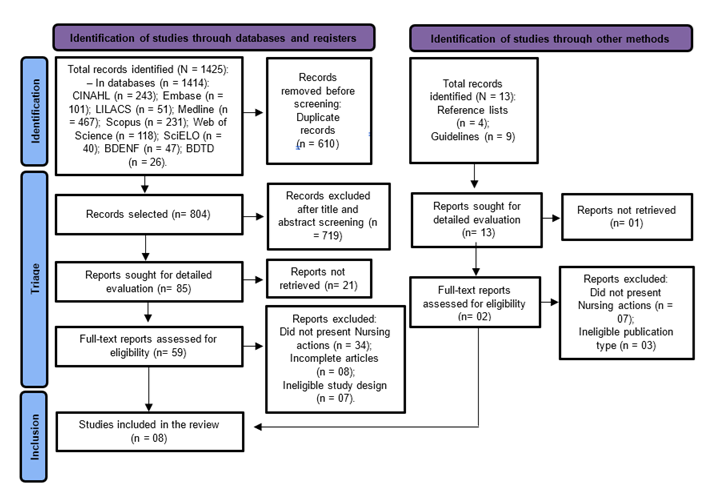
Figure 1 - Illustration of the process of identification, screening, and inclusion of studies in the research. João Pessoa (PB), Brazil, 2024.
Through the implementation of the selection procedures, application of the previously determined criteria, and careful examination of the results, a final sample consisting of ten studies was obtained. All studies addressed the investigated topic and answered the research question. Regarding study type, four (40%) were qualitative descriptive articles, two (20%) were cross-sectional studies, one (10%) was a methodological study, one (10%) was a randomized clinical trial, and two (20%) were guidelines.
Concerning the year of publication, three studies (30%) were published in 2013, one study (10%) in 2014, one study (10%) in 2020, two studies (20%) in 2022, and three studies (30%) in 2023. Additional information, along with the identification of the respective studies, can be found in Figure 3.
Table 2 - Characterization of the identified studies that composed the sample of this research. João Pessoa (PB), Brazil, 2024.
|
ID |
Material |
Title |
Author |
Year |
Country |
Journal |
Study design |
|
A01 |
Article |
Percepção da educação em saúde recebida pelo paciente diabético amputado |
Martínez, Martín.16 |
2013 |
Spain |
Revista Ibero-Americana de Ensino e Pesquisa em Enfermagem |
Retrospective cross-sectional |
|
A02 |
Article |
Cuidados de enfermagem ao paciente com pé diabético e suas complicações: habilidades e dificuldades assistenciais |
Batista et al.17 |
2023 |
Brazil |
Arquivo de Ciências da Saúde UNIPAR |
Qualitative descriptive |
|
A03 |
Article |
Vivência do idoso institucionalizado com membros inferiores amputados decorrentes de complicações do Diabetes Mellitus |
Bello et al.18 |
2014 |
Brazil |
Revista de Enfermagem UFPE |
Qualitative descriptive |
|
A04 |
Article |
Cuidado cultural del diabético amputado |
Ariz et al.19
|
2013 |
Colombia |
Revista Cultura del Cuidado |
Qualitative descriptive |
|
A05 |
Article |
Effect of nursing follow-up on recurrent amputations in diabetic amputation patients |
Eser, Özkan.20 |
2022 |
Turkey |
Journal of Nursology |
Cross-sectional descriptive |
|
A06 |
Article |
Nurses' perspective of treating patients with an amputation due to diabetic foot syndrome |
Font-Jimenez et al.21 |
2020 |
Spain/ Portugal |
Clinical Nurse Specialist |
Qualitative descriptive |
|
A07 |
Article |
Amputação por complicações do diabetes: protocolo de cuidados de enfermagem |
Gomes de Lima et al.22 |
2022 |
Brazil |
Cogitare Enfermagem |
Methodological |
|
A08 |
Article |
Effect of the educational intervention on the balance of diabetic foot amputees: a randomized controlled study |
Toygar et al.23 |
2023 |
Turkey |
Int J Low Extrem Wounds |
Randomized controlled trial |
|
A09 |
Guideline |
Diretrizes práticas sobre a prevenção e o tratamento da doença do pé relacionada ao diabetes (IWGDF) |
Not applicable |
2023 |
Global |
Not applicable |
Not applicable |
|
A10 |
Guideline |
Diretrizes de atenção à pessoa amputada |
Not applicable |
2013 |
Brazil |
Not applicable |
Not applicable |
Ten studies were identified that addressed Nursing actions specifically aimed at individuals with amputations diagnosed with DRFD and that encompassed strategies relevant to the prevention and rehabilitation of these patients, integrating pathophysiological and psychosocial dimensions, as well as aspects related to patient adaptation to the new condition. Figure 4 describes the objectives and the Nursing actions aimed at the management of self-care of people with diabetes-related amputations.
Table 3 - Description of the identified objectives and Nursing actions aimed at amputated patients with DRFD. João Pessoa (PB), Brazil, 2024.
|
ID |
Objective |
Nursing actions |
|
A01 |
To assess the perception of amputated diabetic patients regarding health education provided by Nursing professionals related to Nursing care for the prevention of major limb amputation. |
Pathophysiological aspects (hemostasis), limb conditions (color, temperature, pulse, edema, hematomas, and/or bleeding). Postoperative complications (hematoma, skin edge necrosis, infection, phantom limb sensation, stump joint contractures, neuroma, nonfunctional stump, and pressure injuries). Wound healing, pain relief, and control of phantom limb pain. Skin integrity (prevention of excessive bed rest). Recovery of mobility (proper sitting position, amputated limb maintained in a horizontal position). Dietary control and psychosocial aspects. |
|
A02 |
To identify skills and care-related difficulties in Nursing care for patients with diabetic foot and its complications in the context of tertiary care. |
Observe the feet daily, looking for pressure areas, wounds, skin irritations, or fissures; when washing them, never use hot water; keep them always dry, avoiding mycotic lesions; trim the nails carefully; avoid foot trauma; wear appropriate footwear to prevent injuries; seek medical care when noticing calluses or wounds on the feet; cease smoking. |
|
A03 |
To understand the experiences of institutionalized older adults with lower-limb amputations resulting from complications of Diabetes Mellitus. |
Importance of skin care, inspection, and the use of appropriate footwear that does not compress the foot and protects it from intrinsic injuries. |
|
A04 |
To identify emic and ethical care documented in patients with amputation due to diabetic foot. |
Guide the patient and the caregiver as a general care measure. Support the emotional expressions of family members and strengthen feelings of help. Clarify the consequences of an injury and its relationship with neuropathy. Prevent pressure areas on the feet when mobility is limited. Guide the need to avoid complications. Emphasize the importance of monitoring the stump area exposed to friction due to the prosthesis. Inform about the need for an appropriate diet as part of treatment. |
|
A05 |
To assess the relationship between recurrent amputation and Nursing follow-up. |
Guide on the importance of nutrition, daily physical activity, infection prevention, daily hygiene, diabetes care, and control of foot wounds. |
|
A06 |
To explore the perspective of specialist nurses regarding the needs and hospital care of people requiring amputation due to diabetic foot syndrome. |
Pain control and comfort, wound treatment, health education, early mobilization, and emotional support. Promote a healthy lifestyle, metabolic control, and foot care to prevent reamputations. Early mobility to achieve maximum independence. Encourage the patient to stand up and ambulate. |
|
A07 |
To develop and validate a Nursing care protocol for people amputated due to diabetic complications. |
Implementation of non-pharmacological pain relief techniques (relaxation, application of heat and cold, and massage). Stump assessment (signs of sensitivity, application of bandaging, and tingling sensation). Guide the patient transfer technique to achieve a higher level of autonomy. Indicate motor physical therapy for the prevention of joint contractures and strengthening of muscular control of the amputated limb. Strengthen and mobilize the unaffected limb through exercises. Encourage early ambulation with walking aids. Provide support for the stump when sitting, maintaining the knee in extension. Adequate nutrition and referral to a nutritionist. Guide pharmacological treatment. Guide capillary blood glucose monitoring and access to equipment. Offer emotional support and guide the need for specialized follow-up. Provide guidance on suture removal, hygiene with warm water and neutral soap; drying by compression; performing massages with emollient products; applying bandaging or using compression garments. Guide activities of daily living, such as showering while seated, use of prostheses, and skin protection when using them (use of soft and comfortable socks on the stump); guide weight transfer to the limb with the prosthesis in order to adequately distribute weight. |
|
A08 |
To assess the effect of an educational intervention on balance in amputees due to diabetic foot. |
Health education on gait, orthoses and prostheses, exercises to strengthen the muscles of the lower extremities, maintenance of stump hygiene, and coping strategies. |
|
A09 |
Not applicable |
Guide daily foot examination (surface and interdigital areas, appearance of blisters, cuts, scratches, or ulcers, loss of sensation, and vascular status). Guide skin assessment (color, temperature, presence of calluses, edema). Guide the presence of deformities (claw toes or hammer toes). Guide areas of the foot at higher risk of ulceration. Avoid walking barefoot, wearing flip-flops, or using only socks without shoes. Do not wear tight shoes with rough edges or irregular seams. Guide on optimizing glycemic control (use of insulin, when indicated). Do not wear tight socks and change socks daily. Wash feet daily and dry carefully between the toes. Use emollients to moisturize dry skin, except between the toes. Cut toenails straight across. |
|
A10 |
To provide guidance to multiprofessional teams for the care of people with limb amputation across points of care within the disability care network. |
Guide the center of gravity. Gait training. Maintain the integrity of the surgical wound. Mobilization after surgery (24 and 48 hours). Maintain joints in a neutral position. Do not position the amputation stump outside the bed. Maintain the knee in extension through support for the amputation stump. Maintain the mobility of the remaining body joints. Guide compressive stump bandaging to prevent residual edema. Stimulate stump metabolism and shaping for future prosthesis use. Guide tingling sensations and the use of compression garments. |
Discussion
Analyzed studies revealed practices related to pathophysiological, rehabilitative, and psychosocial aspects. However, it is essential to distinguish between care provided exclusively by the Nursing team and care that involves patient guidance and training, characterizing them as self-care actions. This distinction allows a clearer understanding of which interventions effectively contribute to the autonomy and empowerment of the amputated person.
The identified actions include skin and stump integrity care, foot hygiene and examination, glycemic control, and nutritional guidance. However, many of these care practices are described without specifying whether the patient actively participates in the process, which limits the understanding of their effectiveness as self-care practices. The absence of systematic foot assessments, for example, still constitutes a barrier to early risk detection and the prevention of ulcerative complications17-18-24.
The role of Nursing in maintaining foot health involves the application of emollients, appropriate hygiene, nail trimming, the use of suitable footwear, and careful cleaning, avoiding chemical agents and the excision of calluses and cuticles25-26. However, few studies detail how these actions are taught, supervised, or evaluated, or whether the patient effectively becomes capable of performing them autonomously.
Glycemic control is another central aspect in the promotion of self-care. A randomized clinical trial demonstrated that patients who underwent minor amputation presented significantly different glycemic levels compared to the control group23. In this regard, it is the nurse’s responsibility to instruct patients on the signs of hypo- and hyperglycemia, self-monitoring techniques, correct insulin use, and the importance of treatment adherence27. When carried out educationally, these actions directly contribute to the consolidation of self-care.
Another study highlighted pain management, including phantom limb pain, through non-pharmacological approaches. The use of mirror therapy was described as a resource capable of improving optimism and quality of life. However, it remains unclear whether these techniques are taught to patients or conducted exclusively by the team, which reduces their potential as a self-care strategy28.
Postoperative care also includes attention to the stump, encompassing incision maintenance, monitoring of physiological signs, early mobilization (between 24 and 48 hours), and the application of compressive bandages3,29-30. Furthermore, desensitization techniques using different textures and temperatures, massages, and the use of compression garments are recommended31. Rehabilitation with prostheses and orthoses requires technical and emotional preparation, considering the individual’s general health status, level of amputation, and walking ability32. Protocols also include exercises for the preserved limb during the prosthetic rehabilitation process33. Despite the complexity of these actions, few studies clarify whether there is active patient participation in these processes, which highlights a conceptual gap regarding self-care.
The psychosocial dimension requires special attention. Some studies indicated that coping and acceptance mechanisms contribute to greater life satisfaction after amputation34-35. Emotional support should be continuous, especially in the post-discharge period, which is marked by greater vulnerability35-36. Mental health care, when well structured, integrates the therapeutic alliance and is fundamental for adherence to self-care37. Even so, there is a scarcity of standardized practices aimed at emotional support, which limits their systematic implementation.
Among the limitations of this review is the predominance of qualitative studies, which, although providing insights, hinder the generalization of results. Moreover, most publications are international, which poses barriers to the applicability of findings to the Brazilian context, given the cultural, structural, and health policy differences among countries. A methodological limitation was also identified in the search strategy: the use of DeCS descriptors in databases that do not recognize them (such as Scopus and Embase) may have compromised search sensitivity, restricting the number of eligible studies.
Despite these limitations, the results of this review promote a broader perspective on the self-care of amputated individuals, considering not only clinical management but also functional and emotional aspects. Nevertheless, the literature still lacks an integrated conceptual model that organizes Nursing actions in an articulated manner oriented toward promoting patient autonomy.
It is necessary to invest in the development of evidence-based theoretical models and protocols to guide Nursing practice in the care of amputated individuals with DRFD. Future studies should prioritize experimental and nationally based designs, including randomized clinical trials and longitudinal studies that evaluate the effects of self-care actions over time. The systematic incorporation of educational strategies aimed at strengthening autonomy and psychosocial coping should be a central pillar in the rehabilitation of these patients.
Conclusion
This scoping review mapped Nursing actions aimed at the self-care of amputated individuals diagnosed with DRFD, identifying interventions distributed across areas such as skin and stump care, glycemic control, use of orthoses and prostheses, early mobilization, and psychosocial support. However, not all of these actions were shown to clearly favor self-care, as many studies did not specify whether patients were adequately trained to perform them autonomously.
Thus, a certain lack of definition was identified between traditional care practices and those that truly promote the autonomy and protagonism of the amputated person. Nursing, in addition to acting as a provider of direct care, should more explicitly assume its central role as an educator and facilitator of self-care through interventions that involve patient guidance, training, and empowerment.
This review’s findings can be applied in professional practice by supporting the development of care protocols, the construction of individualized care plans, and the development of specific educational strategies for the hospital context. Nevertheless, relevant gaps were identified, especially regarding emotional support after hospital discharge and the standardization of practices aimed at comprehensive rehabilitation.
It is therefore concluded that Nursing practice in the self-care of amputated individuals with DPRD should be intentionally systematized and centered on promoting patient autonomy. The development of national studies with experimental designs and a focus on structured educational interventions is recommended, as well as the construction of theoretical models to guide clinical practice in light of the physical, psychological, and social dimensions involved in care.
Authors contributions
Study design: Suenny Alves dos Santos, Cleide Rejane Damaso de Araújo, Marta Miriam Lopes Costa. Data collection: Suenny Alves dos Santos, Ronny Anderson de Oliveira Cruz, Renata Ferreira de Araújo, Gleyziele Paiva dos Santos. Data analysis and interpretation: Suenny Alves dos Santos, Erielton Gomes da Silva, Ronny Anderson de Oliveira Cruz, Renata Ferreira de Araújo, Gleyziele Paiva dos Santos. Manuscript writing: Suenny Alves dos Santos, Erielton Gomes da Silva, Ronny Anderson de Oliveira Cruz. Critical revision of the manuscript: Suenny Alves dos Santos, Cleide Rejane Damaso de Araújo, Mirian Alves da Silva, Marta Miriam Lopes Costa. Approval of the final version of the text: Suenny Alves dos Santos, Cleide Rejane Damaso de Araújo, Mirian Alves da Silva, Marta Miriam Lopes Costa.
Conflict of interest
The authors declared that there is no conflict of interest.
Funding
Coordenação de Aperfeiçoamento de Pessoal de Nível Superior - Brasil (CAPES) - Finance Code 001.
References
1. Sociedade Brasileira de Clínica Médica - SBCM. OMS afirma que casos de diabetes dobrarão até 2030. SBCM [Internet]. 2008. Available from: https://www.sbcm.org.br/v2/index.php/not%C3%ADcias/590-sp-896611050
2. Armstrong DG, Tan TW, Boulton AJM, Bus SA. Diabetic Foot Ulcers: A Review. JAMA. 2023;330(1):62–75. DOI: https://doi.org/10.1001/jama.2023.10578
3. Brasil. Ministério da Saúde. Secretaria de Atenção á Saúde. Departamento de Ações Programáticas Estratégicas. Diretriz de atenção à pessoa amputada. 2. Ed. Brasília: Ministério da Saúde, 2024 [cited 2024 Nov 2]. Available from: https://www.gov.br/saude/pt-br/assuntos/saude-de-a-a-z/s/saude-da-pessoa-com-deficiencia/publicacoes/diretrizes-de-atencao-a-pessoa-amputada.pdf/view
4. Sociedade Brasileira de Angiologia e de Cirurgia Vascular (SBACV). Brasil bate recorde de amputações de pés e pernas em decorrência do diabetes [Internet]. São Paulo: SBACV; 2023 [cited 2024 Nov 2]. Available from: https://sbacv.org.br/brasil-bate-recorde-de-amputacoes-de-pes-e-pernas-em-decorrencia-do-diabetes/
5. Sabouhi F, Mohtashami M, Mohammadpourhodki R, Mahdavi S, Khalili M, Imeni M. The effect of spiritual care on quality of life of patients with amputation caused by diabetes type 2: a clinical trial. J. Complement. Integr. Med. 2021;18(4):827-833. DOI: https://doi.org/10.1515/jcim-2020-0211
6. Zhou J, Zhou L. Comprehensive nursing model for diabetic foot ulcers: A strategy to improve prognosis and quality of life. Medicine. 2024;103(26):e38674. DOI: https://doi.org/10.1097/MD.0000000000038674
7. Silva EG, Silva AS, Marinho JI, Ferreira BVO, Silva RX, Santos AS, et al. Jogos educativos e sua influência no letramento em saúde sobre diabetes: revisão de escopo. Rev. Enferm. UFPE on-line [Internet]. 2024 [cited 2024 Jun 12];18:e261565. DOI: https://doi.org/10.5205/1981-8963.2024.261565
8. Ribeiro OMPL, Trindade LDL, Silva JMAV, Faria ADCA. Prática profissional no contexto hospitalar: visão de enfermeiros sobre contribuições das concepções de Dorothea Orem. Rev. Enferm. UFSM [Internet]. 2021 [cited 2024 Jul 6];11:e28. DOI: https://doi.org/10.5902/2179769254723
9. Bustami, B., Abdurrahman, A., & Amiruddin, A. The Role of Nurse Education in Enhancing Knowledge and Skills of Diabetes Management in Patients. Path. Sci. 2023;9(7):2050-2058. DOI: https://doi.org/10.22178/pos.94-9
10. Bavaresco M, Manfredini GM da SG, Santos R de P, Resck ZMR, Fava SMCL, Dázio EMR. Aplicabilidade da teoria de Orem no autocuidado de pessoa com estomia intestinal: estudo reflexivo. Cul. Cuid. [Internet]. 2020 [cited 2024 Jul 7];24(57):307-1. DOI: https://doi.org/10.14198/cuid.2020.57.21
11. Ribeiro W, Christiny L, Nivaldo G, Keila, Porath B, Maria M. Potencialidades, subsídios e repercussões da teoria do autocuidado de orem para uma pessoa com estoma intestinal. RevCCC [Internet]. 1º de setembro de 2023 [cited 2024 Nov 6];3(3). Available from: https://revistas.uece.br/index.php/conexaocomciencia/article/view/8488
12. Peters MDJ, Godfrey C, McInerney P, Khalil H, Larsen P, Marnie C, et al. Best Practice Guidance and Reporting Items for the Development of Scoping Review Protocols. JBI Evid. Synth. 2022 Jan 31. DOI: https://doi.org/10.11124/JBIES-21-00242
13. Tricco AC, Lilie E, Zarin W, O’Brien KK, Col-quhoun H, Levac D, et al. PRISMA Exten-sion for Scoping Reviews (PRISMA-ScR): checklist and explanation. Ann InternMed. 2018;169(7):467-73. DOI: https://doi.org/10.7326/M18-0850
14. Arksey H, O’Malley L. Scoping studies: Towards a Methodological Framework. Int. J. Soc. Res. Methodol. 2005;8(1):19–32. DOI: https://doi.org/10.1080/1364557032000119616
15. Mattos SM, Cestari VRF, Moreira TMM. Scoping protocol review: PRISMA-ScR guide refinement. Rev. Enferm. UFPI [Internet]. 2023 [cited 2024 Jul 7];12(1). DOI: https://doi.org/10.26694/reufpi.v12i1.3062
16. Martínez MA, Martín VN. Percepção da educação em saúde recebida pelo paciente diabético amputado. Rev. iberoam. educ. invest. enferm. 2013;3(3):6-13. Available from: https://pesquisa.bvsalud.org/portal/resource/pt/bde-29286
17. Batista JLFP, Oliveira CDB, Rodrigues DC de MM, Gomes LVC, Casimiro MRA, França ISX. Cuidados de enfermagem ao paciente com pé diabético e suas complicações: habilidades e dificuldades assistenciais. Arq. Ciênc. Saúde Unipar [Internet]. 2023 [cited 2025 Jul 6];27(4):1932-45. Available from: https://revistas.unipar.br/index.php/saude/article/view/9731
18. Bello EF, Souza EM Comassetto I, Oliveira JM. Vivência do idoso institucionalizado com membros inferiores amputados decorrentes de complicações do diabetes mellitus. Rev Enferm UFPE on-line [Internet]. 2014;8(1):44-51. Available from: https://periodicos.ufpe.br/revistas/revistaenfermagem/article/view/266604/version/44940
19. Briñez Ariza KJ, Muñoz de Rodríguez L. Cuidado cultural do amputado diabético. cultura [Internet]. 2013 [cited 2025 Jul 7];10(2):20-34. Available from: https://www.researchgate.net/publication/266369216_Cuidado_cultural_del_diabetico_amputado
20. Eser HR, Özkan S. Diyabetik Ampütasyonlu Hastalarda Hemşirelik Takibinin Tekrarlayan Ampütasyonlara Etkisi. Journal of Nursology. 2022 Mar. 1;25(1):22-30. DOI: https://doi.org/10.54614/JANHS.2022.937916
21. Font-Jimenez I, Acebedo-Uridales MS, Aguaron-Garcia MJ, Sousa, MR, Rubio-Rico L. Nurses' perspective of treating patients with an amputation due to diabetic foot syndrome. CNS. 2020;34(3):107-115. DOI: https://doi.org/10.1097/NUR.0000000000000519
22. Lima NKG de , Silva JC da, Rebouças CBA de A , Coura AS, Félix ND de C, França ISX de. Amputação por complicações do diabetes: protocolo de cuidados de enfermagem. Cogitare Enferm. [Internet]. 2022 [cited 2024 Jul 6];27. DOI: https://doi.org/10.5380/ce.v27i0.84546
23. Toygar İ, Suçeken S, Aslan FE, Çelebi ME, Batar S. Effect of the educational intervention on the balance of diabetic foot amputees: a randomized controlled study. Int J Low Extrem Wounds. 2023;15347346231171436. DOI: https://doi.org/10.1177/15347346231171436
24. International Working Group on the Diabetic Foot (IWGDF). Diretrizes práticas sobre a prevenção e o tratamento da doença do pé relacionada ao diabetes. 2023 [cited 2024 Nov 2]. Available from: https://iwgdfguidelines.org
25. Silva VRV da, Lage L dos R, Silva NS da, Grangeiro ACM, Marinheiro NPB, Lira TM, Rocha KN da, Pereira MG de L, Ribeiro R de JS, Costa JAMT.Nursing interventions for the prevention of diabetic foot in people with diabetes mellitus. RSD [Internet]. 2023 [cited 2024 Jul 6];12(4):e6012440914. DOI: https://doi.org/10.33448/rsd-v12i4.40914
26. Trombini F dos S, Schimith MD, Silva S de O, Badke MR. Prevenção do pé diabético: práticas de cuidados de usuários de uma unidade saúde da família. Rev. enferm. UERJ [Internet]. 2021 [cited 2024 Jul 6];29(1):e58551. DOI: https://doi.org/10.12957/reuerj.2021.58551
27. Szewczyk A, Tobiasz-Kałkun N, Stefanowicz-Bielska A, Kobos E, Młynarczuk M, Kapuściok J, et al. Practical Guidelines for Nursing and Midwifery Diabetes care – 2020 A position of the Polish Federation for Education in Diabetology. Sciendo. 2020;19(3):184-207. DOI: https://doi.org/10.2478/pielxxiw-2020-0022
28. Borgo FA, Kaminsk JH, Miyagusuku MS, Colhado OCG. Abordagem farmacológica na dor fantasma: uma revisão bibliográfica. Rev. Uningá [Internet]. 2019 [cited 2025 Jul 6];56(2):109-14. DOI: https://doi.org/10.46311/2318-0579.56.eUJ2718
29. Pinto EC, Farias KWB de, Silva ML de S, Brandão LB. Assistência do profissional enfermeiro ao paciente amputado por complicações do Diabetes Mellitus. Braz. J. Hea. Rev. [Internet]. 2021 [cited 2024 Nov 2];4(3):10977-95. DOI: https://doi.org/10.34119/bjhrv4n3-107
30. Kgs. Muhammad Faizal, Mulya. Efektivitas mobilisasi dini terhadap penyembuhan luka post operasi. JKSP [Internet]. 2020 [cited 2025 Jul 7];3(1):11-9. Available from: chrome-extension://oemmndcbldboiebfnladdacbdfmadadm/https://journal.ukmc.ac.id/index.php/joh/article/download/225/218/1084
31. Choo Y, Kim D, Chang M. Amputation stump management: A narrative review. World J. Clin. Cases. 2022;10:3981. DOI: https://dx.doi.org/10.12998/wjcc.v10.i13.3981
32. Ahn, J. Orthotic and Prosthetic Options after Diabetic Foot Amputation. J. Wound Manag. Res. 2022;18(2):76-82. DOI: https://doi.org/10.22467/jwmr.2022.02033
33. Tanaka Y, Ueno T. Results of Neuropathy Screening Test for Lower Limb Amputees With Diabetes Mellitus and Their Prosthetic Rehabilitation: A Cross-Sectional Study. Cureus. 2023 [cited 2025 Jul 7];15. DOI: https://doi.org/10.7759/cureus.40352
34. Anna Szymanska-C., Adrianna Ł, Wojciech T, Dorota Z, Jan J, Mariusz C. Acceptance of illness, quality of life and nutritional status of patients after lower limb amputation due to diabetes mellitus. Research Square. 2020. DOI: https://doi.org/10.21203/rs.3.rs-24304/v1
35. Font-Jiménez I, Acebedo-Uridales M, Aguarón-García M, Sousa M, Rubio-Rico L. Nurses' Perspective of Treating Patients With an Amputation Due to Diabetic Foot Syndrome. Clin. Nurse Spec. 2020;34:107-115. DOI: https://doi.org/10.1097/NUR.0000000000000519
36. McGuire J, Thomson A, Kennedy PG. The biomechanics of diabetic foot amputation. Wounds. 2021;33(9):231-236. DOI: https://doi.org/10.25270/wnds/041421.01
37. Silva BB da, Lima MH de M, Saidel MGB. Cuidados de enfermagem em saúde mental para pessoas com diabetes mellitus: revisão integrativa. Rev. Latino-Am. Enferm. [Internet]. 2023 [cited 2024 Jul 6];31:e4075. DOI: https://doi.org/10.1590/1518-8345.6827.4075
Corresponding Author
Name: Suenny Alves dos Santos
Email: suennyalves2511@gmail.com
© The Author(s) 2026. This work is licensed under Creative Commons Attribution 4.0 International. License text for use: https://creativecommons.org/
 Português (Brasil)
  English
  Español (España)