Idioma
Aging as an aggravating factor of Long Covid: an integrative review
Aging as an aggravating factor of Long Covid: an integrative review
O envelhecimento como fator agravante da Covid Longa: uma revisão integrativa
ABSTRACT
Objective: To identify, in the scientific literature, the main symptoms of Long Covid-19 in elderly individuals affected by the SARS-CoV-2 virus. Method: Integrative literature review, in which the PICo strategy was adopted, with searches conducted in the PubMed, Web of Science, Embase, and BVS databases, during the period from July to August 2022. The inclusion criteria were: primary articles conducted with elderly individuals, available in full, published from 2019 to 2022, and in the languages Portuguese, English, and Spanish. The exclusion criteria were: case reports, clinical cases, dissertations, theses, articles already selected in another database, and those that did not address the research question. Results: A total of 1752 references were found, of which 16 were included in the final sample. Of these, 6.25% belonged to the Embase database, 12.50% to the Web of Science database, 37.50% were found in the BVS database, and 43.75% were selected from the PubMed database. Furthermore, 62.50% were published in the year 2021 and 37.50% in the year 2022. Conclusion: It was concluded that elderly individuals may present a variety of symptoms related to Long Covid-19, including respiratory, cardiovascular, mental health, and even cognitive problems, which caused extensive damage to the health of this population. Descriptors: COVID-19; Aged; Aging; Health of the Elderly; Pandemics.
RESUMO
Objetivo: Identificar, na literatura científica, os principais sintomas da Covid-19 Longa em idosos afetados pelo vírus SARS-CoV-2. Método: Revisão integrativa de literatura, na qual foi adotada a estratégia PICo, com buscas realizadas nas bases de dados PubMed, Web of Science, Embase e BVS, durante o período de julho a agosto de 2022. Os critérios de inclusão foram: artigos primários conduzidos com idosos, disponíveis na íntegra, publicados de 2019 a 2022 e nos idiomas português, inglês e espanhol. Os critérios de exclusão foram: relatos de casos, casos clínicos, dissertações, teses, artigos já selecionados em outra base de dados e que não abordassem a questão da pesquisa. Resultados: Foram encontradas 1752 referências, das quais 16 foram incluídas na amostra final. Destas, 6,25% pertenciam à base de dados Embase, 12,50% à base Web of Science, 37,50% foram encontrados na base de dados BVS e 43,75% foram selecionados a partir da base de dados PubMed. Ademais, 62,50% foram publicados no ano de 2021 e 37,50% no ano de 2022. Conclusão: Concluiu-se que os idosos podem apresentar uma variedade de sintomas relacionados à Covid-19 Longa, incluindo problemas respiratórios, cardiovasculares, de saúde mental e até mesmo cognitivos, os quais causaram amplos prejuízos à saúde dessa população. Descritores: COVID-19; Idoso; Envelhecimento; Saúde do Idoso; Pandemias.
INTRODUCTION
COVID-19, a disease caused by the new coronavirus, was first identified in China in December 2019.1 Its cases quickly spread around the world, creating a pandemic with implications not only for global public health, but also for social and economic spheres.²
The clinical spectrum of COVID-19 is broad and can range from asymptomatic forms to severe cases requiring hospitalization.3 For this reason, it is considered a disease with a systemic approach,4 affecting multiple organs and generating multiple extensive complications with negative consequences for the organism.5
The persistence of symptoms of the disease has been called Long Covid, also known as Post-Covid Syndrome, which is characterized by physical and neuropsychiatric symptoms that persist for more than twelve weeks after the onset of the disease.6-7
Studies have reported the persistence of symptoms such as myalgia, fatigue, sleep disturbances, and memory loss.6 In addition, it has been documented that approximately one-third of individuals infected with SARS-CoV-2 showed persistent signs of anxiety and depression,8-9 as well as post-traumatic stress disorder, for more than six months after recovery from COVID-19.10
It is not possible to say with absolute precision why these symptoms persist, and it is not yet known which populations are at greater risk of developing long-term COVID. However, a small association has been found between the severity of the disease and the likelihood of developing the syndrome.6
In relation to the population of older adults, there is still little understanding of the incidence of sequelae in these individuals, who may face more severe outcomes compared to younger people.11 It is clear that Long Covid has a negative impact on the quality of life of older adults and creates new health care demands.
OBJECTIVE
This study aims to identify in the scientific literature the main symptoms of Long Covid in older adults affected by COVID-19.
METHOD
This study is part of the Macro Research Project "Longitudinal Monitoring of Adults and Older Adults Discharged from Hospital due to COVID-19", funded by the National Council of Scientific and Technological Development (CNPq) through the universal call MCTIC/CNPq/FNDCT/ MS/SCTIE/Decit N. 07/2020, and developed in collaboration with the State University of Maringá (UEM), Federal University of Pelotas (UFPel), Duke University of North Carolina (USA) and the Health Department of the State of Paraná (SESA).
It is a bibliographic study of the integrative literature review type, a method that allows the collection and analysis of information in the literature in a broad and systematic way.12 The integrative review was prepared in six steps.13
The first step was to identify the topic and select the hypothesis or research question. The second step involved defining the inclusion and exclusion criteria for the study, using databases and selecting studies based on these criteria. In the third step, the pre-selected studies were identified by reading the abstracts, keywords and titles of the publications, in addition to organizing the studies. The fourth step was to categorize the selected studies. The fifth step involved the analysis and interpretation of the results. Finally, the sixth stage corresponded to the presentation of the review and synthesis of knowledge.13
The research question was developed according to the PICo strategy - population, interest, context.13-14 The following structure was considered P - Older adults who developed COVID-19; I - Aging as an aggravating factor; Co - Older adults who developed Long Covid. In this context, the following research question arose: "What is the scientific evidence that aging contributes to the development of Long Covid?
The search for studies was carried out from July to August 2022 through the periodicals portal of the Coordination for the Improvement of Higher Education Personnel (Capes), accessed through the Federated Academic Community (CAFe). The following databases were consulted during the search and selection process US National Library of Medicine (PubMed), Scopus, Web of Science, Embase and Virtual Health Library (VHL).
Inclusion criteria were: primary articles conducted exclusively with older adults, available in full text, and published between 2019 and 2022. Exclusion criteria included case reports, clinical cases, dissertations, theses, articles already selected in another database and those not related to the research question.
The search and selection of studies was performed by two researchers simultaneously. Combinations of the following Health Sciences Descriptors (DeCS) were used to conduct the search: "Coronavirus" and "Aged", in addition to the Medical Subject Headings (MeSH) "COVID-19", "SARS-CoV-2", "Aged" and "Post-COVID", combined with the Boolean operators "AND" and "OR". Chart 1 shows the search strategy used in the databases.
Chart 1. Search strategy applied to the research question.
|
Database |
Search query |
Results |
|
post covid AND aged AND SARS-CoV-2 Filters applied: Free full text, Clinical Trial, Randomized Controlled Trial. |
1090
|
|
|
Web of Science |
Long Covid AND aged AND SARS-CoV-2 infections |
123
|
|
Quick Search: ('long covid'/exp OR 'long covid') AND ('aged'/exp OR aged) AND ('sars coronavirus'/exp OR 'sars coronavirus') |
11
|
|
|
Title, abstract, subject: (Long Covid) AND (Aged) AND (SARS-CoV-2) |
528 |
First, the titles and abstracts of the articles found in the searches were reviewed. Studies with divergent topics and those that did not address the research question were excluded from the sample, while those that addressed the research question were selected for full reading, resulting in the final sample.
To classify the level of scientific evidence, the Agency for Healthcare Research and Quality (AHRQ) classification was used, which consists of six levels: (I) evidence from meta-analyses and systematic reviews; (II) evidence from randomized clinical trials; (III) evidence from nonrandomized clinical trials; (IV) evidence from cohort and case-control studies; (V) evidence from systematic reviews of descriptive and qualitative studies; (VI) evidence from descriptive or qualitative studies. Studies were identified by the letter "E" (E1 - article 1, E2 - article 2 etc.) and analyzed by three independent reviewers.
RESULTS
The study selection process resulted in 1752 references, of which 2 duplicate searches were removed and 1410 manuscripts were excluded because they were not related to the topic. After complete reading, 16 publications were included in this review. The search and selection of studies was summarized using the flowchart recommended by the Preferred Reporting of Systematic Reviews and Meta-Analyses (PRISMA)13 and is shown in Figure 1.
Of the sample of 16 studies, 6.25% belonged to the Embase database, 12.50% to the Web of Science database, 37.50% were found in the VHL database, and 43.75% were selected from the PubMed data. All studies were written in English.
Regarding the origin of the research, six studies were carried out in Spain (37.50%), followed by three studies produced in Italy (18.75%) and two research carried out in the United States (12.50%). There was also one study in Egypt (6.25%), France (6.25%), China (6.25%), Norway (6.25%) and England (6.25%). As for the year of publication, 62.50% were written in 2021 and 37.50% in 2022.
Based on the AHRQ categories, 56.25% of the articles were classified as level VI (descriptive/observational studies) and 43.75% were classified as level IV (cohort studies).
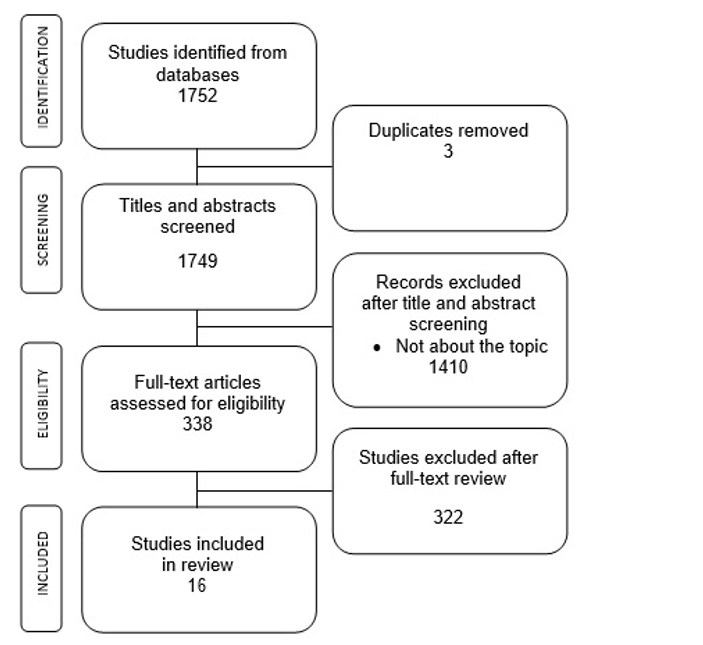 Figure 1. Flowchart of the selection process for studies included in the integrative review.
Chart 2 provides a summary of the selected studies, including the reference, year of publication, database in which the research was found, study design, level of evidence, and key findings of each study.
Chart 2. Study sample characteristics and results.
|
Study |
Reference |
Data-base |
Origin |
Age range |
Changes generated by Long Covid |
Study design/Level of evidence |
Results |
|
E1 |
Franquet et al. (2022)15 |
Embase |
Spain |
62 years |
Respiratory changes |
Observational Level VI |
Forty-eight older adults, experiencing persistent respiratory symptoms, were followed for 9 months, revealing abnormalities in lung parenchyma (50%), ground-glass opacity (40%), bronchiectasis (19%), and "air trapping" (77%), among other lung-related issues. |
|
E2 |
Prampart et al. (2022)16 |
VHL |
France |
75 years |
Cognitive impairment and fragility |
Prospective Cohort Level IV |
A study monitored 198 discharged hospital patients, discovering that 36% of the sample exhibited functional decline post-illness. Seventy-five percent of the sample continued to experience persistent COVID-19 symptoms during this period, with 41% exhibiting frailty. |
|
E3 |
Heiberg et al. (2022)17 |
VHL |
Norway |
60 to 96 years old |
Respiratory, cognitive, and mental health alterations |
Observational Level VI |
Older adults were tracked for 6 months post-hospitalization due to COVID-19, with the majority displaying persistent symptoms such as breathing difficulties, deteriorating physical condition, fatigue, depression, anxiety, and cognitive impairments. |
|
E4 |
Sibila et al. (2022)18 |
VHL |
Spain |
>60 years |
Respiratory changes |
Observational Level VI |
Reduced carbon monoxide pulmonary diffusion capacity was observed in 125 patients (58%), who were older, smokers, hypertensive, and experienced severe COVID-19 during hospitalization, reporting persistent dyspnea six months later. |
|
E5 |
Aly, Saber. (2021)19 |
VHL |
Egypt |
73 years |
Neurological, mental health, and cognitive changes |
Retrospective cross-section Level VI |
Among 115 interviewed women, 89 reported persistent COVID-19 symptoms: fatigue (n=66), alterations in sleep patterns (n=73), and musculoskeletal symptoms (n=56), alongside other symptoms including stress, fatigue, cognitive impairment, and recurrent falls. |
|
E6 |
Carrilo-Garcia et al. (2021)20 |
VHL |
Spain |
>70 years old |
Functional, cognitive, and mental health issues |
Cohort Level IV |
A sample of 165 older adults was followed for 3 months post-hospitalization for COVID-19, revealing functional (OR 24.57; 95% CI 9.24–65.39), cognitive (OR 2.32; 95% CI 1.03–5.25), and affective (OR 4.40; 95% CI 1.84–10.55) decline. |
|
E7 |
Zamora et al. (2022)21 |
VHL |
Spain |
>65 years |
Mental health and functional impairment |
Cohort Level IV |
During a three-month follow-up of older adults in long-term care facilities, higher rates of depressive symptoms (57.7%), anxiety symptoms (29.3%), post-traumatic stress disorder symptoms (19.1%), and sleep disorders (93.0%) were observed. Among 215 residents, 101 (47%) experienced a decline in basic activities of daily living. |
|
E8 |
Liu et al. (2021)22 |
Web of Science |
China |
>60 years |
Cognitive changes |
Cross-sectional Level VI |
Involving 1539 older adults, the study found that severe patients exhibited a higher proportion of current cognitive impairment and longitudinal cognitive decline compared to non-severe COVID-19 patients [dementia: 25 (10.50%) vs. 9 (0.69%), p < 0.001; mild cognitive impairment (MCI): 60 (25.21%) vs. 63 (4.84%), p < 0.001] and controls [dementia: 25 (10.50%) vs. 0 (0%), p < 0.001; MCI: 60 (25.21%) vs. 20 (4.29%), p < 0.001)]. |
|
E9 |
Capelli, Gatti. (2021)23 |
Web of Science |
Italy |
60 to 75 years old |
Neurological alterations |
Observational Level VI |
In this study, 91% of the population reported olfactory recovery after COVID-19, with 53% achieving full recovery after eight months. |
|
E10 |
Ayoubkhani et al. (2021)24 |
PubMed |
England |
65 years |
Respiratory problems and onset/exacerbation of comorbidities |
Cohort Level IV |
A total of 47,780 older adults were followed for 140 days, revealing increased rates of multiple organ dysfunction post-COVID-19 discharge compared to the expected risk in the general population. Notably, rates of respiratory diseases (P<0.001), diabetes (P<0.001), and cardiovascular diseases (P<0.001) significantly increased in these individuals. |
|
E11 |
Tosato et al. (2021)25 |
PubMed |
Italy |
73 years |
Musculoskeletal and respiratory issues |
Cross-sectional Level VI |
More than a third of the study participants reported one or two symptoms, with 46.3% presenting three or more symptoms. The most common persistent symptoms included fatigue (53.1%), dyspnea (51.5%), joint pain (22.2%), and cough (16.7%).. |
|
E12 |
Greco et al. (2021)26 |
PubMed |
Italy |
>84 years old |
Fragility, loss of independence, and functional decline |
Case-Control Level IV |
Two groups of institutionalized older adults were compared: a case group (n=76) and a control group (n=76). Post-COVID-19, some older adults exhibited a decline in hand strength (19%), a significant increase in frailty rates (21%), and a significant decrease in walking speed (22%). |
|
E13 |
Lamb et al. (2021)27 |
PubMed |
USA |
64 years |
Urological changes |
Observational Level VI |
Three hundred and fifty patients, with an average age of 64.5 years, were interviewed to assess urological symptoms post-COVID-19 discharge. Symptoms such as nocturia, increased urgency, and frequency of urination may be associated with Long Covid. |
|
E14 |
Romero-Duarte et al. (2021)28 |
PubMed |
Spain |
63 years |
Respiratory, neurological and mental health issues |
Observational Level VI |
A study followed 797 older adults for 6 months post-COVID-19, observing diverse sequelae, with the most frequent being respiratory (42.0%), systemic (36.1%), neurological (20.8%), mental health (12.2%), and infectious (7.9%) issues. |
|
E15 |
Fernández-de-las-Peñas et al. (2021)29 |
PubMed |
Spain |
61 years |
Respiratory changes |
Cohort Level IV |
A total of 1950 patients (47% women, mean age: 61, SD: 16 years) were evaluated 11.2 months after hospital discharge. Only 367 (18.8%) were completely free of any post-COVID-19 respiratory symptoms. The prevalence of long-lasting cough, chest pain, dyspnea, and fatigue was 2.5%, 6.5%, 23.3%, and 61.2%, respectively. |
|
E16 |
Cohen et al. (2022)11 |
PubMed |
USA |
>65 years |
Respiratory, neurological, renal, and mental health issues |
Retrospective cohort Level IV |
Respiratory failure (risk difference 7.55, 95% confidence interval 7.18 to 8.01), fatigue (5.66, 5.03 to 6.27), hypertension (4.43, 2.27 to 6.37), memory difficulties (2.63, 2.23 to 3.13), kidney damage (2.59, 2.03 to 3.12), mental health diagnoses (2.50, 2.04 to 3.04), hypercoagulability (1.47, 1.2 to 1.73), and heart rhythm disturbances (2.19, 1.76 to 2.57) exhibited the greatest risk differences compared to individuals who did not acquire COVID-19. |
DISCUSSION
The selected studies showed that older adults exhibited a wide range of symptoms in various organ systems as a result of prolonged SARS-CoV-2 infection.
It is important to emphasize that although the studies were conducted in different geographical locations, implying ethnic, economic, and cultural differences, Long Covid affected older adults regardless of these factors.
For example, the study (E11) conducted in Italy, the European epicenter of the pandemic, found that 80% of those who recovered reported the persistence of at least one symptom, such as fatigue, dyspnea, joint pain and cough. Similar results were found in a cohort in Spain (E6), a country with similar geographic and demographic characteristics to the above study, of 1950 individuals with a mean age of 61.5 years, where cough, dyspnea and fatigue persisted.
Lung changes can be assessed by imaging and complementary tests, such as spirometry, during the course of the disease and in the post-treatment period. An observational study (E1) conducted by Spanish researchers used computed tomography to assess these changes over a nine-month period. The results showed that people infected with the new coronavirus had several changes in lung structures that contributed to the persistence of respiratory symptoms.
In spirometry tests, as described in the research (E4), the results, in summary, indicated that lung injury induced by SARS-CoV-2 can cause lung damage within a period of up to six months after the disease.
At the beginning of the pandemic, COVID-19 was considered a respiratory syndrome because of the many clinical manifestations in this system. Over time, however, the medical and scientific community realized that the disease must be considered systemic, as other vital organs in addition to those of the respiratory system may be altered and damaged by the presence of SARS-CoV-2.4
Scientific evidence suggests that not only respiratory symptoms may persist, as demonstrated by the study (E8) that found an association between coronavirus infection and a greater risk of developing cognitive decline in older adults.
Similar data were presented in a Norwegian study (E3). Most respondents reported memory loss, difficulty understanding concepts and finding the right words up to six months after COVID-19. Attention deficits, difficulty concentrating for long periods of time, and difficulty performing some tasks were also reported.
In addition to cognitive changes, there is evidence that frailty in older adults is also part of the long COVID spectrum. A prospective cohort conducted in France (E2) showed that older people experienced a decline in functionality, which in turn affected their frailty. Data confirming the study (E12) carried out with older adults living in long-term institutions.
The results of the manuscript (E12) proposed that the disease can burden older adults in the context of worsening frailty and, consequently, their physical functions for those who survived the viral infection. These consequences can accelerate the aging process by up to 20%.
It is worth mentioning that living in a nursing home contributed to the worsening of some conditions during the COVID-19 pandemic, as it was necessary to take some measures to prevent contamination and spread of the virus. In this context, the implementation of physical distancing and the interruption of group activities stand out, measures that contributed to the cognitive decline of these individuals, regardless of infection with the new coronavirus.26
Undoubtedly, frailty is common in older adults, especially after serious illness, in subjects with newly acquired or worsened frailty. However, the transition between states of frailty according to COVID-19 requires further study.16
Still related to the neurological system, another research conducted in Italy (E9) analyzed the presence of anosmia for a period of eight months after the development of COVID-19. Anosmia is a dysfunction of the sense of smell, in which the individual experiences loss of its function. The findings of this research demonstrate that, in most cases, olfactory deficit shows complete or even partial recovery within the studied period, and the patients showed a good prognosis for recovery. Other neurological symptoms, such as headache, disorientation, and mental confusion, were observed in a study (E14) conducted in Spain, implying that neurological repercussions can be extensive and need to be studied more accurately.
Symptoms related to mental health were also found in the scientific literature on Long Covid, reinforcing the systemic approach to the disease. In the study (E7), conducted with institutionalized older adults living in nursing homes, a high incidence rate of anxiety-related symptoms after COVID-19 was found, as well as the presence of Post-Traumatic Stress Disorder.
Research conducted in Egypt (E5) with older adult women also identified the presence of prolonged emotional symptoms after COVID-19. In addition to the symptoms already found in the previous study, both insomnia and hypersomnia were observed as alterations in the sleep pattern in the sample.
In addition to the symptoms mentioned earlier, a cohort from the United States (E16) published findings of renal lesions, corroborating with the study (E13), where patients presented urological symptoms for a period of up to 14 weeks. In the study (E16), it is also possible to infer that there was an exacerbation of blood pressure values in its sample. Research conducted in England (E10) presented similar results, in which older adults showed significant cardiovascular symptoms, indicating that individuals who were hospitalized due to COVID-19 were at higher risk of developing organ dysfunctions.
The results may also show that, in addition to persistent symptoms, viral infection may lead to the emergence of new problems or even the destabilization of existing diseases.11 It is therefore necessary to promote and conduct new research on this topic.
The world is experiencing a demographic transition due to lower fertility rates and higher life expectancy, resulting in an increase in the number of older adults. These demographic changes pose new challenges for public health policies and require the reorganization of services to better support the aged population.
Therefore, it is expected that this research can direct the actions of health professionals towards assistance aimed at protecting and promoting the health of the aged, with a view to intensifying prevention against COVID-19, given the serious consequences observed in this population.
The data analyzed allowed a characterization of the symptoms of Long Covid in older adults, most of which manifested themselves in the respiratory, neurological and mental health systems. Existing risk factors, such as the presence of comorbidities and the exacerbation of COVID-19 in its acute phase, may contribute to the development of Long Covid.
The present study has some limitations, given that COVID-19 is a recently emerging disease and, as a consequence, it is not yet known exactly what its long-term consequences will be. Another limitation concerns the research carried out on specific populations with different characteristics, which does not prevent the results from being used in another reality.
CONCLUSION
Based on the results of this research, it can be concluded that aging may be one of the factors favoring the development of Long Covid. A wide variety of persistent symptoms were observed in this population, causing damage to the various systems of the body.
In general, older adults presented persistent symptoms in the respiratory, neurological, cardiovascular, urological systems and also the presence of symptoms related to mental health. In this context, it is emphasized that preventive measures, such as sanitary and immunization measures, must be promoted by the health services that assist these people.
COVID-19 is a young disease and is not yet fully understood. The long-term consequences are still being studied, and special attention should be paid to older adults, a priority group for health services. The production of information about Long Covid is important so that protocols can be established based on interventions to prevent future injuries and manage the losses caused by it.
CONTRIBUTIONS
The authors contributed equally to the design of the research project, collection, analysis and discussion of data, as well as to the writing and critical review of the content, with intellectual contribution, and to the approval of the final version of the study.
CONFLICT OF INTEREST
The authors declare that they do not have any conflict of interest related to the article.
FUNDING
Conselho Nacional de Desenvolvimento Científico e Tecnológico (CNPq), through the universal call MCTIC/CNPq/FNDCT/MS/SCTIE/Decit N. 07/2020.
REFERENCES
- World Health Organization (2021) Coronavirus disease (COVID-19) weekly epidemiological update and weekly operational update. https://www.who.int/emergencies/diseases/novel-coronavirus-2019/situation-reports/. Acesso 27 jul 2021.
- Raj SR, Arnold AC, Barboi A, Claydon VE, Limberg JK, Lucci VEM et al. Long-COVID postural tachycardia syndrome: an American Autonomic Society statement. Clin Auton Res [Internet]. 2021; [cited 2022 Oct 01]; 31(3): 365–368. Available from: https://pubmed.ncbi.nlm.nih.gov/33740207/.DOI: 10.1007/s10286-021-00798-2.
- Lima CMAO. Informações sobre o novo coronavírus (COVID-19). Radiol Bras 53 (2) Mar-Apr 2020. DOI: https://doi.org/10.1590/0100-3984.2020.53.2e1
- Campos MR, Schramm JMA, Emmerick ICM, Rodrigues JM, Avelar FG, Pimentel TG. Carga de doença da COVID-19 e de suas complicações agudas e crônicas: reflexões sobre a mensuração (DALY) e perspectivas no Sistema Único de Saúde. Cadernos de Saúde Pública [Internet]. 2020; [cited 2022 Oct 01]; 36 (11),00148920. Available from: https://www.scielo.br/j/csp/a/bHbdPzJBQxfwkwKWYnhccNH/abstract/?lang=pt.DOI: https://doi.org/10.1590/0102-311X00148920.
- Salci MA, Carreira L, Facchini LA. Evidências no acompanhamento da síndrome pós-covid-19: mais um desafiador compromisso da ciência. Ciência, Cuidado e Saúde, Maringá, 20 [s.n.], e61433, 2021. Available from: https://periodicos.uem.br/ojs/index.php/CiencCuidSaude.DOI: https://doi.org/10.4025/ciencuidsaude.v20i0.61433.
- Sykes LD, Holdsworth L, Jawad N, Gunasekera P, Morice AH, Crooks MG. Post-COVID-19 Symptom Burden: What is Long-COVID and How Should We Manage It? Lung [Internet]. 2021; [cited 2022 Oct 02] Apr;199(2):113-119. Available from: https://link.springer.com/article/10.1007/s00408-021-00423-z.DOI: https://doi.org/10.1007/s00408-021-00423-z.
- Mahase E. Covid-19: What do we know about “long covid”? BMJ [Internet]; 2020 [cited 2022 Oct 02]; Jul 14;370:m2815. Available from: https://pubmed.ncbi.nlm.nih.gov/32665317/.DOI: https://doi.org/10.1136/bmj.m2815.
- Sudre CH, Murray B, Varsavsky T, Graham MS, Penfold RS, Bowyer RC et al. Attributes and predictors of long COVID. Nat Med. [Internet]; 2021 [cited 2022 Oct 08]; Apr;27(4):626-631. Available from: https://pubmed.ncbi.nlm.nih.gov/33692530/.DOI: https://doi.org/10.1038/s41591-021-01292-y.
- Ahmed H, Patel K, Greenwood DC, Halpin S, Lewthwaite P, Salawu A et al. Long-term clinical outcomes in survivors of severe acute respiratory syndrome (SARS) and Middle East respiratory syndrome (MERS) coronavirus outbreaks after hospitalisation or ICU admission: a systematic review and meta-analysis. J Rehabil Med [Internet]; 2020 [cited 2022 Oct 08] 31;52(5):jrm00063. Available from: https://pubmed.ncbi.nlm.nih.gov/32449782/.DOI:https://doi.org/10.2340/16501977-2694.
- Akbarialiabad H, Taghrir MH, Abdollahi A, Ghahramani N, Kumar M, Paydar S et al. Long COVID, a comprehensive systematic scoping review. Infection [Internet]; 2021 [cited 2022 Oct 08] Dec;49(6):1163-1186. Available from: https://pubmed.ncbi.nlm.nih.gov/34319569/.DOI: https://doi.org/10.1007/s15010-021-01666-x.
- Cohen K, Ren S, Heath K, Dasmariñas MC, Jubilo KG, Guo Y et al. Risk of persistent and new clinical sequelae among adults aged 65 years and older during the post-acute phase of SARS-CoV-2 infection: retrospective cohort study. BMJ [Internet] 2022 [cited 2022 Oct 09] 376:e068414. Available from: https://pubmed.ncbi.nlm.nih.gov/35140117/.DOI: 10.1136/bmj-2021-068414.
- Mendes KD, Silveira RC, Galvão CM. Integrative literature review: a research method to incorporate evidence In health care and nursing. Texto Contexto Enferm [Internet] 2008 [cited 2022 Oct 15];17(4):758–64. Available from: https://www.scielo.br/j/tce/a/XzFkq6tjWs4wHNqNjKJLkXQ/abstract/?lang=en.DOI: https://doi.org/10.1590/S0104-07072008000400018.
- Lemos CS, Peniche AC. Cuidados de enfermagem no procedimento anestésico: uma revisão integrativa. Rev Esc Enferm USP [Internet] 2016 [cited 2022 Oct 16] ;50(1):154–62. Available from: http://old.scielo.br/scielo.php?pid=S0080-62342016000100154&script=sci_arttext&tlng=pt
- Moher D, Liberati A, Tetzlaff J, Altman DG; PRISMA Group. Preferred reporting items for systematic reviews and meta-analyses: the PRISMA statement. PLoS Med. 2009;6(7):e1000097.
- Franquet T, Giménez A, Ketai L, Mazzini S, Rial A, Pomar V et al. Air trapping in COVID-19 patients following hospital discharge: retrospective evaluation with paired inspiratory/expiratory thin-section CT. Eur Radiol [Internet] 2022 [cited 2022 Oct 19] Jul;32(7):4427-4436. Available from: https://pubmed.ncbi.nlm.nih.gov/35226158/.DOI: https://doi.org/10.1007/s00330-022-08580-2.
- Prampart S, Le Gentil S, Bureau ML, Macchi C, Leroux C, Chapelet G et al. Functional decline, long term symptoms and course of frailty at 3-months follow-up in COVID-19 older survivors, a prospective observational cohort study. BMC Geriatrics [Internet] 2022 [Cited 2022 Oct 19] 22:542. Available from: https://bmcgeriatr.biomedcentral.com/articles/10.1186/s12877-022-03197-y.DOI: https://doi.org/10.1186/s12877-022-03197-y
- Heiberg KE, Heggestad AKT, Joranson N, Hilde L, Grete B, Marius M et al. ‘Brain fog’, guilt, and gratitude: experiences of symptoms and life changes in older survivors 6 months after hospitalisation for COVID‑19. European Geriatric Medicine [Internet] 2022 [cited 2022 Oct 19] 13:695–703. Available from: https://pesquisa.bvsalud.org/global-literature-on-novel-coronavirus-2019-ncov/resource/pt/covidwho-1734101.DOI: https://doi.org/10.1007/s41999-022-00630-8
- Sibila O, Perea L, Albacar N, Moisés J, Cruz T, Mendoza N et al. Elevated plasma levels of epithelial and endothelial cell markers in COVID-19 survivors with reduced lung diffusing capacity six months after hospital discharge. Respiratory Research [Internet] 2022 [cited 2022 Oct 19] 23:37. Available from: https://respiratory-research.biomedcentral.com/articles/10.1186/s12931-022-01955-5.DOI: https://doi.org/10.1186/s12931-022-01955-5.
- Aly MAEG, Saber HG. Long COVID and chronic fatigue syndrome: A survey of elderly female survivors in Egypt. Int J Clin Pract [Internet] 2021 [cited 2022 Oct 20];75:e14886. Available from: https://onlinelibrary.wiley.com/doi/epdf/10.1111/ijcp.14886.DOI: https://doi.org/10.1111/ijcp.14886.
- Carrillo-Garcia P, Garmendia-Prieto B, Cristofori G, Montoya IL, Hidalgo JJ, Feijoo MQ et al. Health status in survivors older than 70 years after hospitalization with COVID‑19: observational follow‑up study at 3 months. European Geriatric Medicine [Internet] 2021 [cited 2022 Oct 20] 12:1091–1094. Available from: https://pubmed.ncbi.nlm.nih.gov/34057701/.DOI: https://doi.org/10.1007/s41999-021-00516-1.
- Zamora EBC, Romero MM, Sahuquillo MTT, Céspedes AA, Andrés-Petrel F, Ballesteros CG et al. Psychological and Functional Impact of COVID-19 in Long-Term Care Facilities: The COVID-A Study. Am J of Geriatric Psychiatry [Internet] 2022 [cited 2022 Oct 20] (30)4:431−443. Available from: https://pubmed.ncbi.nlm.nih.gov/35123862/.DOI: https://doi.org/10.1016/j.jagp.2022.01.007.
- Liu Y, Wang Y, Wang Q, Chen Y, Chen X, Li Y et al. Post-infection cognitive impairments in a cohort of elderly patients with COVID-19. Molecular Neurodegeneration [Internet] 2021 [cited 2022 Oct 20] 16:48. Available from: https://pubmed.ncbi.nlm.nih.gov/34281568.DOI:https://doi.org/10.1186/s13024-021-00469-w.
- Capelli M, Gatti P. Anosmia in the first coronavirus disease 2019 outbreak in Europe: functional recovery after eight months. J Laryngol Otol [Internet] 2021 [cited 2022 Oct 22] 135(3):224-228. Available from: https://pubmed.ncbi.nlm.nih.gov/33632353.DOI: https://doi.org/10.1017/S0022215121000670
- Ayoubkhani D, Kunthi K, Nafilyan V, Maddox T, Humberstone B, Diamond I et al. Post-covid syndrome in individuals admitted to hospital with covid-19: retrospective cohort study. BMJ [Internet] 2021 [cited 2022 Oct 23] 372:n693. Available from: https://pesquisa.bvsalud.org/global-literature-on-novel-coronavirus-2019-ncov/resource/pt/covidwho-1166413.DOI: https://doi.org/10.1136/bmj.n693.
- Tosato M, Carfi A, Martis I, Pais C, Ciciarello F, Rota E. Prevalence and Predictors of Persistence of COVID-19 Symptoms in Older Adults: A Single-Center Study. J Am Med Dir Assoc [Internet] 2021 [cited 2022 Oct 23] Sep;22(9):1840-1844. Available from: https://pubmed.ncbi.nlm.nih.gov/34352201/.DOI: https://doi.org/10.1016/j.jamda.2021.07.003.
- Greco GI, Noale M, Trevisan C, Zatti G, Pozza MD, Lazzarin M et al. Increase in Frailty in Nursing Home Survivors of Coronavirus Disease 2019: Comparison With Noninfected Residents. J Am Med Dir Assoc [Internet] 2021 [cited 2022 Oct 23] May;22(5):943-947.e3. Available from: https://pubmed.ncbi.nlm.nih.gov/33757725/.DOI: https://doi.org/10.1016/j.jamda.2021.02.019.
- Lamb LE, Timar R, Wills M, Dhar S, Lucas SM, Komnenov D et al. Long COVID and COVID‑19‑associated cystitis (CAC). International Urology and Nephrology [Internet] 2022 [cited 2022 Oct 23] 54(1):17–21. Available from: https://pubmed.ncbi.nlm.nih.gov/34787782.DOI:10.1007/s11255-021-03030-2.
- Romero-Duarte A, Rivera-Izquierdo M, Alba IGF, Pérez-Contreras M, Fernández-Martínez NF, Ruiz-Montero R et al. Sequelae, persistent symptomatology and outcomes after COVID-19 hospitalization: the ANCOHVID multicentre 6-month followup study. BMC Medicine [Internet] 2021 [cited 2022 Oct 31] 19:129. Available from: https://bmcmedicine.biomedcentral.com/articles/10.1186/s12916-021-02003-7.DOI: https://doi.org/10.1186/s12916-021-02003-7.
- Fernández-de-las-Peñas C, Guijarro C, Plaza-Canteli S, Hernández-Barrera V, Torres-Macho, J. Prevalence of Post COVID 19 Cough One Year After SARS CoV 2 Infection: A Multicenter Study. Lung [Internet] 2021 [cited 2022 Oct 31] 199:249–253. Available from: https://pubmed.ncbi.nlm.nih.gov/33993321.DOI: https://doi.org/10.1007/s00408-021-00450-w.
Correspondence
Giovanna Brichi Pesce
E-mail: gipesce@hotmail.com
Copyright© 2024 Revista de Enfermagem UFPE on line/REUOL.
This is an open-access article distributed under the CC BY 4.0 Creative Commons Attribution-ShareAlike 4.0 International License, which allows others to distribute, remix, adapt, and create from your work, even for commercial purposes, as long as they credit you for the original creation. It is recommended to maximize the dissemination and use of licensed materials.
 Português (Brasil)
  English
  Español (España)