Idioma
Adverse events of the COVID-19 vaccine in children and adolescents: an integrative review
Adverse events of the COVID-19 vaccine in children and adolescents: an integrative review
Eventos adversos da vacina contra COVID-19 em crianças e adolescentes: uma revisão integrativa
ABSTRACT
Objective: to identify adverse events from the COVID-19 vaccine in children and adolescents (0-18 years). Method: an integrative review, using Whittemore’s and Knalf’s methodological framework, with Descriptors in Health Sciences (DeCS). Search was carried out in the Scopus, CINAHL, Web of Science, Embase, PubMed and Virtual Health Library databases, from 2021 to 2022. Inclusion criteria were based on the PICO question. Results: thirty-three research articles were analyzed, with levels of evidence varying between 3.c, 4.c and 4.d. The studies addressed adverse events following immunization, occurring from 24 hours to 27 days after administration, with an average of nine days. The majority of adverse events were observed in male adolescents (42.4%) after the second dose. About 36.4% reported adverse events after both doses. Heart problems were the main concern (63.6%). Conclusion: the main adverse events of COVID-19 vaccination in the pediatric population identified were fever, chest pain and myalgia, associated with cardiac complications. Despite this, the advantages of COVID-19 vaccines outweigh their risks. The study is relevant to guide the practice of nurses on the front line of vaccination processes and identify possible adverse events.
Descriptors: COVID-19. COVID-19 Vaccines. Child. Adolescent. Negative Results
RESUMO
Objetivo: identificar os eventos adversos da vacina contra a COVID-19 em crianças e adolescentes (0-18 anos). Método: revisão integrativa, usando o referencial metodológico de Whittemore e Knalf, com Descritores em Ciências da Saúde (DeCS). Busca realizada nas bases de dados Scopus, CINAHL, Web of Science, Embase, PubMed e Biblioteca Virtual em Saúde, abrangendo o período de 2021 a 2022. Critérios de inclusão foram baseados na pergunta PICO. Resultados: analisaram-se 33 artigos de pesquisas, com níveis de evidência variando entre 3.c, 4.c e 4.d. As publicações abordaram os eventos adversos após a vacinação, ocorrendo de 24 horas a 27 dias após a administração, com média de nove dias. A maioria das ocorrências adversas foi observada em adolescentes do sexo masculino (42,4%) após a segunda dose. Cerca de 36,4% relataram eventos adversos após ambas as doses. Problemas cardíacos foram a principal preocupação (63,6%). Conclusão: os principais eventos adversos da vacinação contra a COVID-19 na população pediátrica identificados foram febre, dor torácica e mialgia, associados às complicações cardíacas. Apesar disso, as vantagens das vacinas contra a COVID-19 superam os seus riscos. O estudo é relevante para orientar a prática de enfermeiros na linha de frente dos processos vacinais e identificar possíveis eventos adversos.
Palavras-chave: Covid-19. Vacinas contra COVID-19. Criança. Adolescente. Resultados Negativos
INTRODUCTION
Vaccination is one of the main strategies to prevent the spread of COVID-19, but the effectiveness and safety of vaccines in children and adolescents needs to be analyzed. Most cases of children and adolescents with COVID-19 are asymptomatic or have mild respiratory symptoms. However, some may progress to a severe form of the disease, causing Acute Respiratory Distress Syndrome (ARDS) or Pediatric Multisystem Inflammatory Syndrome (SIM-P), requiring hospitalization and intensive care.1 Furthermore, children and adolescents, despite having milder symptoms, can support the spread of the COVID-19 virus, and it is recommended to keep them away from vulnerable groups, such as older adults.1
To control and minimize the clinical picture of COVID-19, after the clinical testing phase, in August 2021, in the United States of America (USA), two vaccines were approved for use in children and adolescents, CoronaVac®, with the inactivated SARS-CoV-2 virus, and the messenger RNA (mRNA) vaccine, BNT162b2 Pfizer-BioNTech®. Since then, adverse events have been described, such as fatigue (28%), headache (18%), myalgia (15%), arthralgia (15%), fever (14%), nausea and emesis (7%), diarrhea (7%), lack of appetite (7%), chest pain (6%), abdominal pain (5%), rhinorrhea (3%), among other less common pains.2
In the same year, the mRNA-1273 vaccine from the manufacturer Moderna®, during its testing phase in adolescents, presented similar adverse events3. Exploring the adverse events of vaccination in pediatrics can generate information that contributes to maintaining children’s and adolescents’ health through adherence to vaccination, based on the knowledge acquired, especially in relation to the parents of these children and combating fake news.
In Brazil, on January 17, 2021, the Brazilian National Health Regulatory Agency (ANVISA - Agência Nacional de Vigilância Sanitária) authorized the emergency use of the CoronaVac® and AstraZeneca® vaccines for adults and older adults. Based on phase I and II clinical studies, this authorization mentioned the following adverse events common to vaccination: local pain; fatigue; fever; myalgia; diarrhea; nausea; and headache.4
Vaccination of adolescents aged 12 to 17 years old began on September 15, 2021, with the publication of Technical Note 40/2021 from the Ministry of Health, which determined exclusive vaccination with the BNT162b2 (mRNA) Pfizer-BioNTech® immunizer. The Technical Note alerted states and municipalities to notify the occurrence of adverse events.5
Authorization for using the vaccine in children under 12 years old happened gradually in Brazil. Technical Note 02/2022 from the Ministry of Health authorized use in children aged 5 to 11 years6; Technical Note 213/2022 approved the vaccination of children aged 3 to 5 years7; and Technical Note 114/2022 recommended the vaccination of children from 6 months old.8
By March 2023, 83% of the population of America and 79.6% of the Brazilian population had received at least the two initial doses of the COVID-19 vaccine, or, in the case of the Janssen® vaccine, the single dose, not being counted booster doses for this index. 9
Adverse events may require assistance if they occur, but COVID-19 vaccination in children and adolescents is recommended and it is necessary to encourage the population, especially parents and guardians, about the importance of vaccination. The study is justified due to the existence of a gap in the literature regarding the most appropriate approach for each case and what the main adverse events are and how to manage them appropriately.2,10 Vaccination of children and adolescents is under debate worldwide, and its safety in pediatric populations needs to be constantly assessed and monitored.
OBJECTIVE
In line with the recommendation, this study aims to identify adverse events caused by the COVID-19 vaccine in children and adolescents (0-18 years).
METHOD
This is an integrative review based on Whittemore’s and Knafl’s methodological framework 11, covering the following stages: problem identification; database searches; data assessment; analysis of results; and presentation. The Preferred Reporting Items for Systematic Reviews and Meta-Analyses (PRISMA) recommendations were applied12. The first stage was to structure the research problem based on the question: what are the adverse events of the COVID-19 vaccine in children and adolescents? The research question was developed according to the acronym PICO: P (population) – children and adolescents aged 0 to 18; I (intervention) – COVID-19 vaccine; C (control) – not applicable; and O (outcomes) – adverse events of the COVID-19 vaccine.
For data collection, search strategies were applied consisting of Descriptors in Health Sciences (DeCS) interspersed with the Boolean operators “AND” and “OR”, according to the chosen databases, namely: SciVerse Scopus; Cumulative Index to Nursing and Allied Health Literature (CINAHL); Web of Science; Embase; and a virtual library: Virtual Health Library (VHL) and the PubMed collection, more specifically the US National Library of Medicine database. The collection period was from May 2 to May 20, 2022.
Studies carried out only with humans, focusing on pediatrics (0-18 years), published between 2019 and 2022, which assessed adverse events from COVID-19 vaccination in this population and which answered the question of research, were included. There was no language cut-off and, when necessary, software for translation was used.
Article selection was developed by two independent reviewers with the support of Rayann13 platform and using the double-blind tool. Firstly, titles and abstracts were read. As there were disagreements between the two reviewers, it was necessary to include a third. Figure 1 presents the selection process of studies included in this review.
In the third stage, the level of evidence of selected studies was analyzed, according to the instrument recommended by JBI®.14 After classifying the article according to its level of evidence, four JBI® checklists were applied to each of the study methods included in the review: case report, with 8 questions and a final score between 0-8; cross-sectional study (8 questions), between 0-8 points; series of cases (10 questions), with a final score between 0-10; and cohort studies (11 questions), between 0-11 points. The questions for each instrument must be answered with “Yes”, “No”, “Uncertain” and “Not applicable”. The use of these checklists provides an assessment of methodological rigor of the articles that were included.15
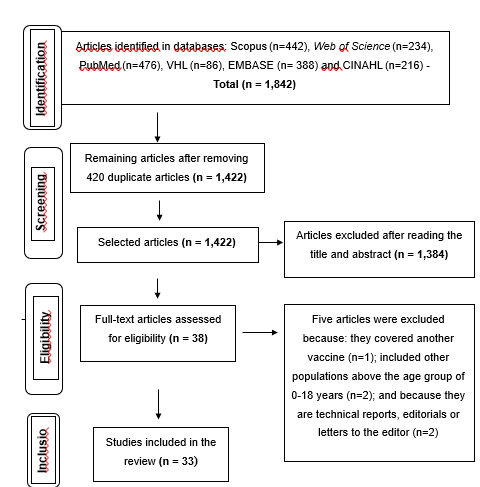
Figure 1. Flowchart of selection of articles included in the integrative review according to PRISMA recommendations 12. Paraná, Brazil, 2023
Source: the authors (2023).
In the fourth stage, study data were tabulated in Microsoft Excel® 2019 according to the variables: journal name; year of publication; age group of the sample; title; level of evidence14 and JBI® score 15; and main results. Chart 1 presents the articles included in the final sample, identifying them by a letter, followed by their reference. With the variables organized, the synthesis of results for analysis (4th stage) and review exploratory presentation (5th stage) were developed.
RESULTS
Chart 1. Characterization of studies included in the sample of this integrative review. Paraná, Brazil, 2023
|
Id. |
Year |
Sample age group (years) |
Adverse events |
LoE
Score JBI® |
Associated complication |
Vaccine administered |
|
A 16 |
2021 |
16 |
Fever, chest pain and myalgia |
4. D 7 points (high) |
Myopericarditis |
Pfizer-BioNTech® |
|
B 17 |
2021 |
17 |
Fever, chest pain and myalgia |
4. D |
Myocarditis |
Pfizer-BioNTech® |
|
C 18 |
2021 |
12 to 17 |
Fever, chest pain, myalgia, headache, dyspnea and nausea/emesis |
4. C 7 points (high) |
Myopericarditis |
Pfizer-BioNTech® |
|
D 19 |
2021 |
15 to 17 |
Fever, chest pain, myalgia, headache, asthenia, diarrhea and cough |
4. C 7 points (average) |
Myocarditis and perimyocarditis |
Pfizer-BioNTech® |
|
E 20 |
2021 |
12 to 18 |
Fever, chest pain, myalgia and headache |
4. C 10 points (high) |
Myocarditis |
Pfizer-BioNTech® |
|
F 21 |
2021 |
14 to 18 |
Fever, chest pain, myalgia, headache, asthenia, dyspnea and cough |
4. C 7 points (average) |
Myocarditis and Myopericarditis |
Pfizer-BioNTech® |
|
G 22 |
2021 |
16 to 17 |
Fever, chest pain, myalgia, headache, asthenia, dyspnea and nausea/emesis |
4. C 7 points (average) |
Myocarditis |
Pfizer-BioNTech® |
|
H 23 |
2021 |
16 |
Fever, chest pain and myalgia |
4. D 6 points (high) |
Myopericarditis |
Pfizer-BioNTech® |
|
I 24 |
2021 |
17 |
Fever, chest pain and myalgia |
4. D 7 points (high) |
ST-segment elevation myocardial infarction (STEMI) |
Pfizer-BioNTech® |
|
J 25 |
2021 |
16 to 17 |
Fever, chest pain, headache, dyspnea, nausea/emesis, diarrhea and cough |
4. C 8 points (high) |
Perimyocarditis |
Pfizer-BioNTech® |
|
K 26 |
2021 |
17 |
Fever, chest pain, myalgia, headache, dyspnea, nausea/emesis, skin changes and diarrhea |
4. D 7 points (high) |
SIM-P and myocarditis |
Pfizer-BioNTech® |
|
L 27 |
2021 |
16 |
Fever, myalgia, asthenia and skin changes |
4. D 7 points (high) |
Vulvar aphthous ulcer |
Pfizer-BioNTech® |
|
M 28 |
2021 |
14 |
Myalgia, asthenia and skin changes |
4. D 5 points (average) |
Vulvar aphthous ulcer |
Pfizer-BioNTech® |
|
N 29 |
2021 |
12 to 17 |
Fever, chest pain, myalgia, headache, dyspnea, nausea/emesis and asthenia |
4. C 10 points (high) |
Myopericarditis |
Pfizer-BioNTech® |
|
O 30 |
2021 |
12 to 18 |
Fever, chest pain, myalgia, headache, nausea/emesis, asthenia and skin changes |
4. D 6 points (high) |
Not reported |
Pfizer-BioNTech® |
|
P 31 |
2021 |
12 to 17 |
Fever, chest pain and dyspnea |
4. C 10 points (high) |
Myocarditis and pericarditis |
RNAm (manufacturer not specified) |
|
Q 32 |
2021 |
12 to 17 |
Chest pain |
3. C 11 points (high) |
Myocarditis and pericarditis |
Pfizer-BioNTech® |
|
R 33 |
2021 |
17 |
Chest pain |
4. D 6 points (high) |
Perimyocarditis |
Pfizer-BioNTech® |
|
S 34 |
2021 |
14 |
Fever, headache, asthenia and dyspnea |
4. D 7 points (high) |
Myocarditis |
RNAm (manufacturer not specified) |
|
T 35 |
2021 |
12 |
Fever, headache, and nausea/emesis |
4. D 8 points (high) |
SIM-P and encephalopathy |
Pfizer-BioNTech® |
|
U 36 |
2022 |
13 to 17 |
Fever and chest pain |
3. C 9 points (high) |
Myocarditis, pericarditis, perimyocarditis and SIM-P |
Pfizer-BioNTech® |
|
V 37 |
2022 |
12 to 13 |
Skin changes |
4. C 9 points (high) |
SIM-P |
RNAm (manufacturer not specified) |
|
W 38 |
2022 |
18 |
Fever, headache, and nausea/emesis |
4. D 7 points (high) |
Aseptic meningitis |
Pfizer-BioNTech® |
|
X 39 |
2022 |
13 to 15 |
Chest pain |
4. C 5 points (average) |
Tachycardia |
RNAm (manufacturer not specified) |
|
Y 40 |
2022 |
14 |
Fever, myalgia, headache, asthenia and skin changes |
4. D 5 points (average) |
Not reported |
Pfizer-BioNTech® |
|
Z 41 |
2022 |
15 |
Fever, headache, and nausea/emesis |
4. D 8 points (high) |
Aseptic meningitis and Neuro-Behcet syndrome |
Pfizer-BioNTech® |
|
AA 42 |
2022 |
13 |
Skin changes |
4. D 5 points (high) |
Vitiligo |
Pfizer-BioNTech® |
|
AB 43 |
2022 |
12 |
Fever and diarrhea |
4. D 7 points (high) |
SIM-P |
Pfizer-BioNTech® |
|
AC 44 |
2022 |
17 |
Skin changes |
4. D 7 points (high) |
Not reported |
Pfizer-BioNTech® |
|
AD 45 |
2022 |
15 to 17 |
Fever, chest pain, diarrhea and cough |
4. C 9 points (high) |
Myocarditis |
Pfizer-BioNTech® |
|
AE 46 |
2022 |
12 to 18 |
Sleep disorders and anaphylaxis |
3. C 11 points (high) |
Myocarditis |
Pfizer-BioNTech® |
|
AF 47 |
2022 |
13 |
Fever and chest pain |
4. D 7 points (high) |
Myocarditis |
Pfizer-BioNTech® |
|
AG 48 |
2022 |
12 to 15 |
Fever, myalgia and nausea/emesis |
4. C 7 points (average) |
Tubolointerstitial nephritis |
Pfizer-BioNTech® |
Notes: ID. = identification; LoE = level of evidence14; Location = country where the research took place; JBI Score® = result of applying the JBI methodological quality assessment checklist® 15.
Source: references (see final list).
The sample consisted of 33 studies, of which 20 (60.6%)16-35 were published in 2021 and 13 (39.4%)36-48 in 2022, as shown in Chart 1. In relation to continents and countries in which these studies were carried out, ten (30.3%) were from North America, all from the USA 17-22,24,29,35,48; seven (21.2%) were from Asia, three in China32,40,46, and one from each of the following countries: Saudi Arabia30, South Korea38, Israel25 and Japan47; five (15.2%) were from Europe, two from Denmark26,36 and one from one of the following countries: Germany41, France37 and Poland45. A study was carried out in Africa, in Morocco.34 One of the studies was identified as multicenter31, as it presented data from different countries. Nine (27.3%) studies16,23,27,28,33,39,42-44 did not inform which country or location patients in their sample belonged to.
Regarding research methods, 17 (51.5%) studies were case reports16,17,23,24,26-28,33-35,38,40-44,47, presenting level of evidence 4.d14; 12 (36.4%) case series studies18-22,25,29,31,37,39,45,48 had level of evidence 4.c14; three (9.1%) studies were cohort32,36,46, with level of evidence 3.c14; and one was cross-sectional30 with level of evidence 4.d14. All studies were analyzed using checklists applicable to their methods, with the results that: 26 (78.8%)16-18,20,23-27,29-38,41-47 presented high methodological rigor15; seven (21.2%)19,21,22,28,39,40,48 presented a medium level of evidence; and none presented a low level of evidence15.
It is pertinent to highlight that 29 (87.9%) studies16-30,32,33,35,36,38,40-48 addressed the vaccine produced by the Pfizer® laboratory; and four (12.1%) studies did not report the vaccine name or manufacturer, but reported that it was an mRNA vaccine31,34,37,39. There were reports of adverse events after the second dose of the vaccine in 14 (42.4%) studies16,17,21,24,26-28,33,35,38,41,44,47,48. Furthermore, 12 (36.4%) studies described adverse events after both doses18-20,29-32,36,37,40,45,46, with four (12.1%) reporting adverse events only after the first dose22,23,42,43.
The studies presented reports of adverse events in children over 12 years old, with a minimum time of one day for events to appear after vaccine administration17,24,40 and a maximum of 27 days43, generating a mean time of 8.8 days. Some studies described changes in tests for those vaccinated, such as laboratory tests (69.7%)16-26,29,32-35,37,38,41,43-45,47,48, tests that assess hemodynamic function (electrocardiogram and echocardiogram) (57.6%)16-25,29,32-35,37,45,47,48, imaging tests (45.5%)16-21,23,24,29,33,35,38,41,43,47 and physical examination (27.3%).27,29,34,38,40-44
Most studies associated adverse events with cardiac complications (63.6%), such as myocarditis (39.4%), myopericarditis (27.3%) and pericarditis (9.1%)16-26,25,29,31-34,36,45-47, myocardial infarction24 and tachycardia39, in addition to other pathologies, such as SIM-P (15.2%)26,35-37,43, meningitis (6.1%)41,38, nephritis48, and skin changes, such as vulvar aphthous ulcers (6.1%)27,28, encephalopathy35, Neuro-Behçet syndrome41 and vitiligo42. Some studies did not associate pathologies (9.1%)30,40,44, only reporting the symptoms presented as adverse events.
SIM-P, the second most common event, was associated with a case of myocarditis36. The shortest time for SIM-P diagnosis was two days after administration of the second dose of the vaccine35, and the maximum time was 27 days after administration of the first dose.43
DISCUSSION
This study was composed of a sample of 33 articles. The adverse events presented are fever16-23,25-27,29-31,34-36,38,40,41,43,45,47,48, chest pain16-26,29-33,36,39,45,47, myalgia16-23,26-30,40,48, headache18-22,25,26,29,30,34,35,38,41, dyspnea18,21,22,24-26,29-31,34, nausea/emesis18,22,25,26,29,30,35,38,41,48, asthenia19,21,22,27-30,34,40, skin changes26-28,30,37,40-42,44, diarrhea19,25,26,43,45, cough19,21,25,45, among other symptoms with lesser occurrence. The most prevalent adverse event was fever.
Mild to moderate fever was one of the most common systemic adverse events in a study carried out by Liu et al. (2023). The sample included children and adolescents aged 3 to 17 years. The first group consisted of 21 children aged 3 to 5 years and, of these, only one (5%) had a fever. The second group consisted of 21 children aged 6 to 11 years and, of these, none presented this adverse event. The last group was made up of 21 adolescents aged 12 to 17 years and, of these, only three (14%) had fever as a post-vaccination adverse event.49
Chest pain was the second most reported adverse event among the studies analyzed, especially in patients with other previous cardiac comorbidities, such as myocarditis. In a study carried out by Rolfs et al. (2024), with 56 children with heart disease, in medical centers in Germany, Switzerland and Austria, 50 (89%) of them presented chest pain as a post-vaccination adverse event. Three months after vaccination, a follow-up assessment demonstrated that 29% of the sample had mild and residual symptoms from vaccination, with chest pain as the main adverse event presented.50
The diagnosis of myocarditis was identified in 39.4% of studies17,19-22,26,31,32,34,36,45-47, performed by cardiac magnetic resonance, however it can be based on: symptoms of dyspnea and chest pain; nonspecific changes in the electrocardiogram; laboratory changes in markers of inflammation and cardiac enzymes 34. It should be noted that myocarditis after vaccination is a rare cardiac complication, and has been associated with other vaccines, such as the smallpox vaccine.34
Most studies presented changes in laboratory tests of cardiac enzymes (54.6%)16-25,29,32-35,37,45,47 as adverse events, and cardiological tests, such as electrocardiogram and echocardiogram (57.6%)16-25, 29,32-35,37,45,47,48 and other cardiac imaging tests (45.5%).16-21,23,24,29,33,47
Some of the research concluded that vaccine administration may be related to heart complications17,19,20,22-24,46,47, which must be notified to health authorities and manufacturers17,19,22. The Society of Cardiology of São Paulo (SOCESP - Sociedade de Cardiologia do Estado de São Paulo) states that, in fact, there is a relationship between vaccination and cardiac involvement; however, this involvement is small, as less than 0.5% of the population presents this type of adverse event, with a lower incidence when compared to myocarditis caused by COVID-19, which is why vaccination is recommended by this Society.51
Commonly, the symptoms of adverse events are mild and transient18,20,22,25,29,45, but may require hospitalization. This justifies the warning for healthcare professionals to remain alert to the signs and symptoms of these complications17,19,22,32,34, especially in male patients36, after applying the second dose31,32,47. This result is in line with what is reported by the Centers for Disease Control and Prevention (CDC), which states that symptoms can vary from person to person, which disappear within a few days and that adverse events can occur up to six weeks after vaccination.52
Around 30.3% of studies mentioned adverse events from vaccines administered in the USA. However, it is not possible to state that children vaccinated in the USA have a greater chance of experiencing adverse events compared to children from other countries, as no study with statistical association conducted on this was found. This result can be explained by the fact that the USA has a higher number of studies of scientific articles analyzed in this review when compared to other countries.
The studies did not present reports of adverse events in children under 12 years old. However, it cannot be said that only people over 12 years old are susceptible to adverse vaccine events, as this statistical association was not made. This result can be clarified by the fact that vaccines were initially authorized for adolescents and, after a few months, were approved for use in children under 12 years old.
Despite these complications, the advantages of COVID-19 vaccines outweigh their risks22,33. An Indian study describes reduction in disease severity, need for hospitalization and mortality (85.3%), reduction in cases and incidence of long-term complications in children (81.4%) as direct advantages of COVID-19 vaccination. Reopening of schools (83.4%), reduction in community transmission (84.7%) and recovery of missed doses of other vaccines included in children’s vaccination schedule (77.4%) stood out as indirect advantages.53
In a study conducted in Malaysia, 3,312,886 doses of the COVID-19 vaccine were administered to children aged 5 to 11 years. In these, only 523 adverse events following immunization (AEFI) were recorded, which accounts for 158 AEFI per 1,000,000 doses administered and 369 AEFI per 1,000,000 doses administered worldwide. The majority of these events were not serious (94%).54
These data demonstrate the favorable safety profile and the need for vaccination for COVID-19 in this age group. One of the fundamental strategies for increasing knowledge and strengthening vaccination in children is health education, which can clarify possible adverse events and encourage the vaccination process, especially in relation to children’s parents54. Parents’ knowledge regarding vaccination can lead to their acceptance or hesitation, motivated by concerns such as fear about the vaccine effectiveness, having read dangerous or false information, thinking that the vaccine may interact with other diseases and possible adverse events from the vaccine.55
As for the vaccines studied, even after the authorization for use of the mRNA-1273 Moderna® vaccine in other countries27,30, the BNT162b2 Pfizer-BioNTech® vaccine continued to be the most used globally31, which justifies its higher incidence among the studies analyzed. It cannot be said that BNT162b2 Pfizer-BioNTech® precipitates more adverse events when compared to the others, as statistical associations were not made in the rescued studies.
SARS-CoV-2 mRNA vaccines develop robust immunoglobulin profiles in children aged 5 years and older and adults, meaning substantial protection against hospitalizations and severe disease. Despite being at a lower dose, childhood vaccination promotes an antibody response that is as competent as adult vaccination. Furthermore, it is linked to a higher humoral profile compared to natural infection by SARS-CoV-256,57. Recently, the bivalent vaccine was approved for use in children, and studies have demonstrated its safety and reliability in all pediatric age groups and that this vaccine provides broader, longer-lasting immunological protection, prolonging the immunological response to the Omicron variant.58
The studies analyzed present levels of evidence 3 and 4, according to the JBI®14 instrument, due to the method applied in the study. In the analysis of the methodological rigor of studies using the JBI®15 instrument, the results were satisfactory, considering that the majority of studies (26; 78.8%) present high methodological rigor.
This study had as limitations the fact that all studies presented international results, with no data related to AEFI in the Brazilian pediatric population. Furthermore, international studies approach adverse events exclusively for those aged 12 years or older, with no evidence for those under 12 years old. Another limitation is the lack of robust statistical analyses, especially with significance in age comparison.
As suggestions for future research, the articles analyzed point to long-term population monitoring to characterize the prognosis and possible sequels16,19,30,32,45,46 and carry out more research to establish causal relationships.27,29,34,37,42,43,45
CONCLUSION
The main adverse events of COVID-19 vaccination in the pediatric population identified were fever, chest pain and myalgia, associated with cardiac complications, and the presence of changes in the troponin laboratory test and electrocardiogram. There was a prevalence of events occurring in male adolescents and after the second dose of vaccination. Despite this, the advantages of COVID-19 vaccines outweigh their risks, such as reducing the disease severity, the need for hospitalization and mortality, reducing cases and the incidence of long-term complications in children, reopening schools, reducing community transmission and recovering lost doses of other vaccines.
The present study contributes to the practice of managers and formulators of public healthcare policies and, in particular, healthcare professionals. Hence, the role of nursing professionals who make up the front line of vaccination processes and are responsible for educational processes and guidance for parents and family members regarding possible AEFI stands out. Therefore, this study recommends that these professionals know and be alert to identify AEFI at all levels of healthcare.
CONTRIBUTIONS
All authors contributed to the discussion of results, critical review of content, approval of the final version of the manuscript.
CONFLICTS OF INTERESTS
Nothing to report.
REFERENCES
- Freire NM, Garros D. COVID-19 em pediatria: diagnóstico, recomendações e condutas; uma revisão sistemática da literatura. Pantanal Editora; 2021. DOI: https://doi.org/10.46420/9786588319611
- Haslak F, Gunalp A, Cebi MN, Yildiz M, Adrovic A, Sahin S, Barut K, Kasapcopur O. Early experience of COVID‐19 vaccine‐related adverse events among adolescents and young adults with rheumatic diseases: A single‐center study. Int J Rheum Dis. 2022;00:1–11. DOI: https://doi.org/10.1111/1756-185x.14279
- Ali K, Berman G, Zhou H, et al. Evaluation of mRNA-1273 SARS-CoV-2 Vaccine in Adolescents. N Engl J Med. 2021;385:2241-51. DOI: https://doi.org/10.1056/NEJMoa2109522
- Brasil. Agência Nacional de Vigilância Sanitária. Uso emergencial: confira votos, relatório e apresentações da reunião. Publicado em 17/01/2021 17h29. Atualizado em 01/11/2022 15h19. Available from: https://www.gov.br/anvisa/pt-br/assuntos/noticias-anvisa/2021/confira-materiais-da-reuniao-extraordinaria-da-dicol
- Brasil. Ministério da Saúde. Nota técnica no 40/2021 - SECOVID-GAB-SECOVID-MS. 2021. Available from: https://www.gov.br/saude/pt-br/coronavirus/notas-tecnicas/2021/nota-tecnica-no-40-2021-secovid-gab-secovid-ms.pdf/@@download/file/Nota%20T%C3%A9cnica%20-%20n%C2%BA%2040-2021%20-%20SECOVID-GAB-SECOVID-MS.pdf
- Brasil. Ministério da Saúde. Nota técnica no 02/2022 - Vacinação de 5-11 anos. 2022. Available from: https://www.gov.br/saude/pt-br/coronavirus/notas-tecnicas/2022/nota-tecnica-02-2022-vacinacao-de-5-11-anos.pdf/@@download/file/Nota%20T%C3%A9cnica%2002.2022%20-%20Vacina%C3%A7%C3%A3o%20de%205-11%20anos.pdf
- Brasil. Ministério da Saúde. Nota técnica no 213/2022 - CGPNI-DEIDT-SVS-MS - Vacinação de crianças de 3 a 5 anos. 2022. Available from: https://www.gov.br/saude/pt-br/coronavirus/notas-tecnicas/2022/nota-tecnica-no-213-2022-cgpni-deidt-svs-ms-1/@@download/file/Nota%20T%C3%A9cnica%20213-19.07.2022-CGPNI-DEIDT-SVS%20crian%C3%A7as%20de%203%20a%205%20anos.pdf
- Brasil. Ministério da Saúde. Nota técnica no 114/2022 - DEIDT-SVS-MS. 2022. Available from: https://www.gov.br/saude/pt-br/coronavirus/notas-tecnicas/2022/nota-tecnica-no-114-2022-deidt-svs-ms/@@download/file/SEI_MS%20-%200030027995%20-%20Nota%20T%C3%A9cnica.pdf
- Pan American Health Organization. Basic Documents of the Pan American Health Organization, Nineteenth Edition. 2024. Available from: https://www.paho.org/en/file/124166/download?token=ATtZO042
- Sociedade Brasileira de Imunizações. Carta de divulgação SBIm/SBI/SBP/ANVISA. 2021. Available from: https://sbim.org.br/images/files/notas-tecnicas/211215-carta-divulgacao-sbim-sbi-sbp-anvisa.pdf
- Whittemore R, Knafl K. The integrative review: updated methodology. J Adv Nurs. 2005;52(5):546-53. DOI: https://doi.org/10.1111/j.1365-2648.2005.03621.x
- Page MJ, McKenzie JE, Bossuyt PM, Boutron I, Hoffmann TC, Mulrow CD, Shamseer L, Tetzlaff JM, Akl EA, Brennan SE, Chou R, Glanville J, Grimshaw JM, Hróbjartsson A, Lalu MM, Li T, Loder EW, Mayo-Wilson E, McDonald S, McGuinness LA, Stewart LA, Thomas J, Tricco AC, Welch VA, Whiting P, Moher D. The PRISMA 2020 statement: an updated guideline for reporting systematic reviews. BMJ. 2021;372:n71. DOI: https://doi.org/10.1136/bmj.n71
- Rayyan. Intelligent Systematic Review. [Internet] 2022. Available from: https://www.rayyan.ai
- Joanna Briggs Institute. JBI Levels of Evidence. 2014. Available from: https://jbi.global/sites/default/files/2019-05/JBI-Levels-of-evidence_2014_0.pdf
- Joanna Briggs Institute. JBI Critical Appraisal Tools. [Internet} 2022. Available from: https://jbi.global/critical-appraisal-tools
- McLean K, Johnson TJ. Myopericarditis in a Previously Healthy Adolescent Male Following COVID-19 Vaccination: A Case Report. Acad Emerg Med. 2021. Available from: https://doi.org/10.1111/acem.14322
- Minocha PK, Better D, Singh RK, Hoque T. Recurrence of Acute Myocarditis Temporally Associated with Receipt of the mRNA Coronavirus Disease 2019 (COVID-19) Vaccine in a Male Adolescent. J Pediatr. 2021. DOI: https://doi.org/10.1016/j.jpeds.2021.06.035
- Schauer J, Buddhe S, Colyer J, Sagiv E, Law Y, Mallenahalli Chikkabyrappa S, Portman MA. Myopericarditis After the Pfizer Messenger Ribonucleic Acid Coronavirus Disease Vaccine in Adolescents. J Pediatr. 2021;238:317-20. DOI: https://doi.org/10.1016/j.jpeds.2021.06.083
- Tano E, San Martin S, Girgis S, Martinez-Fernandez Y, Sanchez Vegas C. Perimyocarditis in Adolescents After Pfizer-BioNTech COVID-19 Vaccine. J Pediatr Infect Dis Soc. 2021;10(10):962–966. DOI: https://doi.org/10.1093/jpids/piab060
- Dionne A, Sperotto F, Chamberlain S, Baker AL, Powell AJ, Prakash A, Castellanos DA, Saleeb SF, de Ferranti SD, Newburger JW, Friedman KG. Association of Myocarditis With BNT162b2 Messenger RNA COVID-19 Vaccine in a Case Series of Children. JAMA Cardiol. 2021;6(12):1446-1450. DOI: https://doi.org/10.1001/jamacardio.2021.3471
- Marshall M, Ferguson ID, Lewis P, et al. Symptomatic Acute Myocarditis in 7 Adolescents After Pfizer-BioNTech COVID-19 Vaccination. Pediatrics. 2021;148(3):e2021052478. DOI: https://doi.org/10.1542/peds.2021-052478
- Ambati S, Colon M, Mihic M, Sanchez J, Bakar A. Acute Myopericarditis after COVID-19 Vaccine in Teenagers. Case Reports in Cardiology. 2021;2021:8268755. DOI: https://doi.org/10.1155/2021/8268755
- Chen DH, Arefin AR, Joshi A, Khanji MY. Myopericarditis in a teenager following first mRNA COVID vaccine dose: the role of multi-parametric cardiovascular magnetic resonance. European Heart Journal - Case Reports. 2021;5(10):ytab371. DOI: https://doi.org/10.1093/ehjcr/ytab371
- Azir M, Inman B, Webb J, Tannenbaum L. STEMI mimic: focal myocarditis in an adolescent patient after mRNA COVID-19 vaccine. J Emerg Med. 2021;61(6):e129-e132. DOI: https://doi.org/10.1016/j.jemermed.2021.09.017
- Snapiri O, Danziger CR, Shirman N, Weissbach A, Lowenthal A, Ayalon I, et al. Transient cardiac injury in adolescents receiving the BNT162b2 mRNA COVID-19 vaccine. Pediatr Infect Dis J. 2021;40(10):e360-e363. DOI: https://doi.org/10.1097%2FINF.0000000000003235
- Chai Q, Nygaard U, Schmidt RC, Zaremba T, Møller AM, Thorvig CM. Multisystem inflammatory syndrome in a male adolescent after his second Pfizer-BioNTech COVID-19 vaccine. Acta Paediatr. 2022;111(1):125-127. DOI: https://doi.org/10.1111%2Fapa.16141
- Wojcicki AV, O’Brien KO, Gandy M. Vulvar Aphthous Ulcer in an Adolescent After Pfizer-BioNTech (BNT162b2) COVID-19 Vaccination. J Pediatr Adolesc Gynecol. 2021. DOI: https://doi.org/10.1016/j.jpag.2021.10.005
- Drucker A, Corrao K, Gandy M. Vulvar Aphthous Ulcer Following Pfizer-BioNTech COVID-19 Vaccine - A Case Report. J Pediatr Adolesc Gynecol. 2021. DOI: https://doi.org/10.1016/j.jpag.2021.10.007
- Das BB, Kohli U, Ramachandran P, Nguyen HH, Greil G, Hussain T, Tandon A, Kane C, Avula S, Duru C, Hede S, Sharma K, Chowdhury D, Patel S, Mercer C, Chaudhuri NR, Patel B, Ang JY, Asmar B, Sanchez J, Khan D. Myopericarditis after messenger RNA Coronavirus Disease 2019 Vaccination in Adolescents 12 to 18 Years of Age. J Pediatr. 2021;238:26-32. DOI: https://doi.org/10.1016/j.jpeds.2021.07.044
- Alamer E, Alhazmi A, Qasir NA, Alamer R, Areeshi H, Gohal G, Qadri M, Hashem AM, Algaissi A. Side Effects of COVID-19 Pfizer-BioNTech mRNA Vaccine in Children Aged 12–18 Years in Saudi Arabia. Vaccines. 2021;9(11):1297. DOI: https://doi.org/10.3390/vaccines9111297
- Foltran D, Delmas C, Flumian C, De Paoli P, Salvo F, Gautier S, Drici MD, Karsenty C, Montastruc F. Myocarditis and pericarditis in adolescents after first and second doses of mRNA COVID-19 vaccines. Eur Heart J Qual Care Clin Outcomes. 2022;8(2):99-103. DOI: https://doi.org/10.1093/ehjqcco/qcab090
- Chua GT, Kwan MYW, Chui CSL, Smith RD, Cheung ECL, Ma T, Leung MTY, Tsao SSL, Kan E, Ng WKC, Randolph AG. Epidemiology of Acute Myocarditis/Pericarditis in Hong Kong Adolescents Following Comirnaty Vaccination. Clin Infect Dis. 2022;75(4):673-681. DOI: https://doi.org/10.1093/cid/ciab989
- Fazzini L, Caggiari L, Santus S, Marchetti MF, Mandas M, Perra F, Utzeri E, Raffo A, Meloni L, Montisci R. Acute peri-myocarditis following COVID-19 Pfizer-Biontech vaccine second dose delivery in a male teenager: the good prognosis and unusual ECG. Eur Heart J Suppl. 2021;23(Supplement_G):suab135.017. DOI: https://doi.org/10.1093/eurheartj/suab135.017
- Mimouni H, Bahouh C, Baddi M, Berichi S, Bkiyar H, Housni B. Cardiogenic shock revealing myocarditis after mRNA vaccination against covid-19: case report and brief review for the first case in Morocco. Ann Med Surg. 2022;74. DOI: https://doi.org/10.1016/j.amsu.2021.103210
- Poussaint TY, LaRovere KL, Newburger JW, Chou J, Nigrovic LE, Novak T, Randolph AG. Multisystem Inflammatory-like Syndrome in a Child Following COVID-19 mRNA Vaccination. Vaccines. 2022;10(1):43. DOI: https://doi.org/10.3390/vaccines10010043
- Nygaard U, Holm M, Bohnstedt C, Chai Q, Schmidt LS, Hartling UB, Stensballe LG. Population-based incidence of myopericarditis after COVID-19 vaccination in Danish adolescents. Pediatr Infect Dis J. 2022;41(1):e25-e28. DOI: https://doi.org/10.1097%2FINF.0000000000003389
- Ouldali N, Bagheri H, Salvo F, Antona D, Pariente A, Leblanc C, Tebacher M, Micallef J, Levy C, Cohen R, Javouhey E, Bader-Meunier B, Ovaert C, Renolleau S, Hentgen V, Kone-Paut I, Deschamps N, De Pontual L, Iriart X, Gras-Le Guen C, Angoulvant F, Belot A. Multisystemic inflammatory syndrome following COVID-19 mRNA vaccine in children: a national post-authorization pharmacovigilance study. medRxiv. 2022. DOI: https://doi.org/10.1101/2022.01.17.22269263
- Lee JK. Aseptic meningitis following the second dose of comirnaty vaccination in an adolescent patient: A case report. Pediatr Infect Dis J. 2022;41(2):172-174. DOI: https://doi.org/10.1097/INF.0000000000003385
- Schwarz A, Timme N, Kieslich M, Opgen-Rhein B, Weber-Bärenbrinker S, Berger F, Will J. Nonsustained ventricular tachycardia in adolescents after mRNA-SARS-CoV-2 vaccine: Report of two cases. Thorac Cardiovasc Surg. 2022;70(S 02):DGPK-KV09. DOI: https://doi.org/10.1055/s-0042-1742970
- Hung TK, Leung D, Rosa Duque JS, Lau YL. Bacillus Calmette‐Guérin Scar erythema in a 14‐year‐old girl post BNT162b2 vaccination. Pediatrics International. 2022;64(2):e15090. DOI: https://doi.org/10.1111/ped.15090
- Bogs T, Saleh N, Yavuz ST, Fazeli W, Ganschow R, Schreiner F. Aseptic Meningitis, Mucocutaneous Lesions and Arthritis after COVID-19 Vaccination in a 15-Year-Old Boy. Vaccines. 2022;10(2):325. DOI: https://doi.org/10.3390/vaccines10020325
- Bukhari AE. New-onset of vitiligo in a child following COVID-19 vaccination. JAAD Case Rep. 2022;21:68-70. DOI: https://doi.org/10.1016/j.jdcr.2022.02.021
- Yalçinkaya R, Öz FN, Polat M, Uçan B, Teke TA, Kaman A, Özdem S, Şen ZS, Cinni RG, Tanir G. A Case of Multisystem Inflammatory Syndrome in a 12-year-old Male After COVID-19 mRNA Vaccine. Pediatr Infect Dis J. 2022. DOI: https://doi.org/10.1097%2FINF.0000000000003432
- Hafer J, Soumekh L, Thang C. Erythema nodosum after COVID-19 vaccination in a pediatric patient. JAAD Case Rep. 2022;21:12-14. DOI: https://doi.org/10.1016/j.jdcr.2022.03.009
- Puchalski M, Kamińska H, Bartoszek M, Brzewski M, Werner B. COVID-19-Vaccination-Induced Myocarditis in Teenagers: Case Series with Further Follow-Up. Int J Environ Res Public Health. 2022;19(6):3456. DOI: https://doi.org/10.3390/ijerph19063456
- Lai FT, Chua GT, Chan EW, Huang L, Kwan MY, Ma T, Qin X, Chui CS, Li X, Wan EY, Wong CK, Chan EW, Wong IC. Adverse events of special interest following the use of BNT162b2 in adolescents: a population-based retrospective cohort study. Emerg Microbes Infect. 2022;11(1):885-893. DOI: https://doi.org/10.1080/22221751.2022.2050952
- Yamamoto S, Arita Y, Ogasawara N. Myocarditis Following the Second Dose of COVID-19 Vaccination in a Japanese Adolescent. Cureus. 2022;14(3):e23474. DOI: https://doi.org/10.7759/cureus.23474
- Choi JH, Kang KS, Han KH. Two adolescent cases of acute tubulointerstitial nephritis after second dose of COVID-19 mRNA vaccine. Hum Vaccin Immunother. 2022;18(5):2059308. DOI: https://doi.org/10.1080/21645515.2022.2059308
- Liu J, Huang B, Li G, Huang T, Wang D, Zhang L, Gao L. Immunogenicity and Safety of a SARS-CoV-2 Inactivated Vaccine KCONVAC in Chinese Children: Randomized, Double-blind, Placebo-controlled Phase 1 and 2 Trials. Pediatr Infect Dis J. 2023;42(12):1136-1142. DOI: https://doi.org/10.1097/INF.0000000000004085
- Rolfs N, Huber C, Schwarzkopf E, Mentzer D, Keller-Stanislawski B, Opgen-Rhein B, MYKKE Consortium. Clinical course and follow-up of pediatric patients with COVID-19 vaccine-associated myocarditis compared to non–vaccine-associated myocarditis within the prospective multicenter registry—“MYKKE”. Am Heart J. 2024;267:101-115. DOI: https://doi.org/10.1016/j.ahj.2023.11.006
- Ramires F. Vacina contra Covid e doença cardiovascular: o que você precisa saber? Entrevista com o diretor científico da SOCESP, Felix Ramires. Sociedade de Cardiologia do Estado de São Paulo. 2023. Available from: https://socesp.org.br/assets/arquivos/arquivos-site/1c286cdd8fd49b5eb12993b97f84b220.pdf
- Centers for Disease Control and Prevention. Getting Your COVID-19 Vaccine. Atualizado em 23 de janeiro de 2024. Available from: https://www.cdc.gov/coronavirus/2019-ncov/vaccines/expect/after.html
- Mehta K, Kaur A, Banerjee P, Gupta P, Thacker N, Saxena V, Shet A. Healthcare provider perspectives on COVID-19 vaccination for children in India. BMJ Paediatrics Open. 2023;7:e002165. DOI: https://doi.org/10.1136/bmjpo-2023-002165
- Ansor NB, Sidek FH, Amin IN, Razak ZA, Bahiki RB, Kamaluzaman NH, Lian G, Chun-Ern DN. COVID-19 vaccine safety and side effects in children aged 5-11 years: a cross-sectional study. Med J Malaysia. 2023;78(6):1-8. Available from: https://www.e-mjm.org/2023/v78n6/COVID-19-vaccine.pdf
- Majzoub RA, Alrofaie OH, Almotreb LK, Alateeq SK, Bin obaid FR. Parental Hesitancy and Attitude Concerning COVID-19 Vaccine and Its Side Effects in Saudi Arabia, Eastern Region. Cureus. 2023;15(11):e48776. DOI: https://doi.org/10.7759/cureus.48776
- Nziza N, Deng Y, Wood L, Dhanoa N, Dulit-Greenberg N, Chen T, et al. Humoral profiles of toddlers and young children following SARS-CoV-2 mRNA vaccination. Nature. 2024;1. DOI: https://doi.org/10.1038/s41467-024-45181-7
- Zambrano LD, Newhams MM, Olson SM, Halasa N, Price AM, Boom JA, Sahni LC, Kamidani S, Tarquinio KM, Maddux AB, Heidemann SM, Bhumbra SS, Bline KE, Nofziger RA, Hobbs CV, Bradford TT, Cvijanovich NZ, Irby K, Mack EH, Cullimore ML, Pannaraj PS, Kong M, Walker TC, Gertz SJ, Michelson KN, Cameron MA, Chiotos K, Maamari M, Randolph AG, Campbell AP. Effectiveness of BNT162b2 (Pfizer-BioNTech) mRNA Vaccination Against Multisystem Inflammatory Syndrome in Children Among Persons Aged 12–18 Years — United States, July–December 2021. MMWR Morb Mortal Wkly Rep. 2022;71(2):52–58. DOI: https://doi.org/10.15585/mmwr.mm7102e1
- Wen J, Du X, Li A, Zhang S, Shen S, Zhang Z, Yang L, Sun C, Li J, Zhu S. Dilemmas and options for COVID-19 vaccination in children. Ital J Pediatr. 2023;49:103. DOI: https://doi.org/ 10.1186/s13052-023-01513-9
Correspondence
Douglas Klemann
E-mail: douglas.klemann@ufpr.br
Copyright© 2024 Journal of Nursing UFPE on line/REUOL.
This is an open access article distributed under the Attribution CC BY 4.0 Creative Commons Attribution-ShareAlike 4.0 International License, which allows others to distribute, remix, adapt and create from your work, even for commercial purposes, as long as they credit you for the original creation. It is recommended to maximize the dissemination and use of licensed materials.
.
 Português (Brasil)
  English
  Español (España)