Idioma
Concept analysis of educational technology for human immunodeficiency virus prevention in adolescents
INTRODUCTION
The World Health Organization (WHO)1 defines adolescence as the period between the ages of 10 and 19 and characterizes it as a phase of biological, psychological, social, and behavioral transformations. It is also recognized as a stage of vulnerability and risk, especially in the context of discoveries and experiences of sexual relations2,3.
In adolescence, sexual initiation is considered an important milestone for adolescents in the formation and expression of identity and autonomy, which is strongly influenced socially, economically, and culturally by the social representations experienced. Nowadays, adolescents' greater sexual freedom and lack of access to sex education have favored risky sexual behavior, leading to a higher incidence of Sexually Transmitted Infections (STIs), such as the Human Immunodeficiency Virus (HIV) without any treatment, leading to rapid progression to Acquired Immunodeficiency Syndrome (AIDS)4-6.
Despite the countless advances in HIV/AIDS prevention and control around the world, global data warns that in the last 10 years, there has been an increase in HIV/AIDS cases among adolescents and young people7,8. According to UNAIDS, in 2019, 1.7 million adolescents were living with HIV in the world, with 34,000 reported AIDS-related deaths among adolescents that year9. In 2021, these figures reached 2.2 million adolescents, with 37,000 deaths10. In Brazil, Ministry of Health data showed that between 2011 and 2021 more than 22,000 adolescents with HIV were reported, of which 52,000 young people aged between 15 and 24 developed AIDS8. This increase was related to the decrease and interference of public policies aimed at preventing and controlling HIV/AIDS, due to the COVID-19 pandemic and other global crises7,8. This shows that the efforts made to contain the HIV/AIDS epidemic remain insufficient and need to be re-evaluated11.
For changes to occur, sex education is a necessary intervention with the potential to provide this population with knowledge, including about HIV/AIDS prevention measures5. Among the health professionals responsible for sexual education and HIV/Aids prevention, nurses stand out. However, the difficulties and barriers in carrying out activities and actions, such as the lack of recognition of the representations and contexts involving adolescents, and the use of limited and unattractive teaching methods to strengthen the subject with adolescents, reinforce the need for new strategies6,11,12,13.
In this sense, Educational Technologies (ET) has been identified as an important strategy in the education of adolescents applied to various scenarios and purposes13,14. Still, their real educational potential requires a greater understanding of the individual and collective characteristics of each technology to be incorporated into the reality of this population14,15. Understanding the educational concept of HIV prevention technologies aimed at adolescents aims to facilitate health education actions aimed at this population, without losing sight of the diversity of experiences and resources available that can be used by nurses.
The relevance of this work lies in the possibility of offering elements that help identify and characterize the concept of educational technologies, in order to contribute to the Science of Nursing, as it boosts clinical practice and research into these technological resources in relation to the specific characteristics of adolescents. It is believed that adolescents are the protagonists of many transformations in all aspects of life and have strong characteristics that can be harnessed for this change in scenario. If they are properly guided in their role, they can have a strong impact on society as a whole - after all, they will be the future generations.
In view of the above, there is a need to clarify the concept of "Educational Technology" and its application to phenomena involving HIV prevention in adolescents, based on Walker and Avant's conceptual analysis model16. Thus, the aim of this study is to analyze the concept of "Educational Technology" for HIV prevention in adolescents.
OBJECTIVE
To analyze the concept of "Educational Technology" for the prevention of Human Immunodeficiency Virus (HIV) in adolescents.
METHOD
This is a concept analysis based on the model proposed by Walker and Avant, which is a method of analysis that has eight stages: selecting the concept; determining the objectives and proposals for conceptual analysis; identifying the uses of the concept; determining the defining attributes; identifying a model case; identifying borderline, contrary, invented and illegitimate cases; identifying the antecedents and consequents of the concept; defining empirical references16,17.
To conduct this study, five of the eight stages that make up the model were addressed. The steps of identifying a model case, identifying other cases, and empirical references were not developed. This study was conducted based on an integrative literature review.
To conduct the integrative review, six phases were followed: formulation of the guiding question; literature search or sampling; data collection; analysis of the studies included; discussion of the results; presentation of the integrative review18.
The PICO strategy was used to formulate the question: (Population) - Adolescents; (Intervention) - Educational Technologies; (Control) - Traditional educational methods or no other methods; and (Outcomes) - HIV prevention.
To identify the concept, its attributes, antecedents, and consequents, the following guiding questions were defined: "What are the concepts of Educational Technologies for HIV prevention in adolescents? And what are the attributes, antecedents, and consequences associated with the use of educational technologies for HIV prevention in adolescents?"
The search for articles was carried out in January and February 2024, using the Federated Academic Community (FeAC) of the Federal University of Rio Grande do Norte (UFRN), in the following data sources: Virtual Health Library (VHL), National Library of Medicine (MEDLINE/PubMed), Web of Science (WOS) and Scopus Elsevier (SCOPUS). The use of the VHL included findings from the sources of Latin American and Caribbean Literature in Health Sciences (LILACS), Nursing Database (BDENF), Medical Literature Analysis and Retrieval System Online (MEDLINE), and the Committee on Undergraduate Medical Education (CUMED). The Medical Subject Headings (MeSH) and Medical Subject Heading (MeSH) were used using the Boolean operator AND, which resulted in the cross-reference: Educational Technology AND HIV AND Adolescent. All the sources searched used the MeSH descriptors, and only the VHL used MeSH.
The following inclusion criteria were used to select the studies: original articles, available in full and free of charge from the selected sources, whose subject of study was related to the theme. There was no time or language cut-off. Editorials, letters to the editor, protocols, validation studies, reviews, experience reports/cases, theses and dissertations, and abstracts in event proceedings were excluded.
The data was collected twice and independently by reviewers duly trained for the purpose. A start date and time were set for data collection, and the end date was set after the selected source had been exhausted. A third reviewer was responsible for resolving any discrepancies between the reviewers.
Using the search strategy, 1184 studies were identified. Of these, 551 were full-length, open-access articles. 101 articles were pre-selected by reading the title and abstract, which were only checked once. The articles that met the inclusion criteria for this review were then assessed in full. For this review, 15 articles were selected, as shown in figure 1 and chart 1.
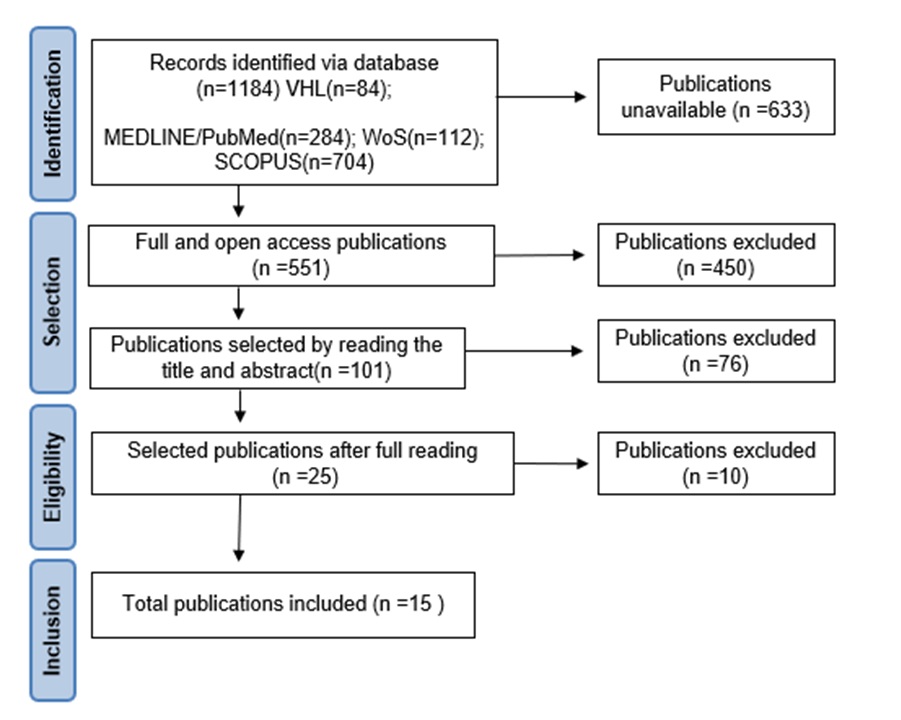
Figure 1. Flow diagram of the study selection process. Natal (RN), Brazil, 2024.
Chart 1. Selection of articles by cross-referencing data sources. Natal (RN), Brazil, 2024.
|
Crossings/Data Source |
VHL |
MEDLINE/ PubMed |
WOS |
SCOPUS |
TOTAL |
|
(Educational Technology) AND (HIV) AND (Adolescent) |
55 |
284 |
112 |
704 |
1155 |
|
(Educational Technology) AND (HIV) AND (Adolescent) |
29 |
0 |
0 |
0 |
29 |
|
Found |
84 |
284 |
112 |
704 |
1184 |
|
Selected (after reading in full) |
9 |
5 |
3 |
8 |
25 |
|
Included |
6 |
3 |
2 |
4 |
15 |
For data collection, a structured and adapted form18 was used with the following variables: identification of the study (title, authors, year of publication, journal, country, language), methodological characteristics of the study (study design and approach, level of evidence, objective, sample, data treatment, educational technology used and place of application), results and implications.
The included studies were assessed according to the level of evidence using a classification system made up of seven levels: Level I - evidence from systematic reviews or meta-analysis of relevant clinical trials; Level II - evidence derived from at least one well-designed randomized controlled clinical trial; Level III - well-designed clinical trials without randomization; Level IV - well-designed cohort and case-control studies; Level V - systematic review of descriptive and qualitative studies; Level VI - evidence derived from a single descriptive or qualitative study and Level VII - opinion of authorities or report of expert committees19.
The results were presented in descriptive tables and analyzed using the relevant literature.
This study was carried out using the scientific literature available in the aforementioned data sources, which means that it does not need to be assessed by the Research Ethics Committee (REC)/National Research Ethics Commission (CONEP). However, it should be noted that the precepts of Resolution 510/2016 of the National Health Council (NHC) were followed in order to preserve and respect the ideas, concepts, and definitions of the authors of the primary studies selected.
RESULTS
The 15 studies that met the previously established criteria were included in this integrative review and are shown in chart 2, with the characterization of the studies according to country, year of publication, data source, title, citation, method, level of evidence, educational technology and place of application.
Chart 2. Characterization of the studies included in this integrative review. Natal (RN), Brazil, 2024.
|
COUNTRY/ YEAR |
DATA SOURCE |
TITLE citation |
METHODS |
LE |
EDUCATIONAL TECHNOLOGY/ PLACE OF APPLICATION |
|
Brazil/ 2009 |
VHL - LILACS |
Education in health on DST/AIDS with adolescents of a public school, using the educational technology as an instrument20 |
Descriptive/ Qualitative study |
VI |
Group educational workshops (games, discussions, songs, films, cutting and pasting), school environment |
|
United States/ 2010 |
SCOPUS |
Reducing HIV and AIDS through Prevention (RHAP): A Theoretically Based Approach for Teaching HIV Prevention to Adolescents through an Exploration of Popular Music21 |
Descriptive/ Quantitative study |
VI |
Hip-hop/rap music, school environment |
|
United States/ 2010 |
SCOPUS |
It's Your Game: Keep It Real: Delaying Sexual Behavior with an Effective Middle School Program22 |
Randomized controlled trial/ Quantitative |
II |
Group classroom activities and virtual interactive exercises via computer, school environment |
|
United States/ 2011 |
MEDLINE/ PubMed |
Educational effectiveness of an HIV pretest video for adolescents: a randomized controlled trial23 |
Randomized controlled trial/ Quantitative |
II |
Face-to-face and video counseling, health environment |
|
China/ 2012 |
MEDLINE/ PubMed |
Effectiveness of school-based education on HIV/AIDS knowledge, attitude, and behavior among secondary school students in Wuhan, China24 |
Quasi-experimental/ Quantitative |
VI |
Lecture and video, school environment |
|
United States/ 2012 |
SCOPUS |
Sexual Risk Avoidance and Sexual Risk Reduction Interventions for Middle School Youth: A Randomized Controlled Trial25 |
Randomized controlled trial/ Quantitative |
II |
Group classroom activities and virtual interactive exercises via computer, school environment. |
|
United States/ 2013 |
VHL - MEDLINE |
Analysis of HIV testing acceptance and risk factors of an adolescent cohort using emergency department-based multimedia HIV testing and counseling26 |
Cross-sectional/ Quantitative study |
VI |
Advice videos, health environment. |
|
United States/ 2013 |
VHL - MEDLINE |
Text-Messaging-Enhanced HIV Intervention for African American Adolescents: A Feasibility Study27 |
Longitudinal descriptive study/ Quantitative |
VI |
Multimedia resources (photos, videos, and text messages) via cell phone, and digital environment. |
|
Tanzania / 2018 |
VHL - MEDLINE |
Improving Sexual Health Education Programs for Adolescent Students through Game-Based Learning and Gamification28 |
Randomized control trial/ Quantitative |
II |
Game-based learning and computer gamification, school environment. |
|
United States/ 2019 |
VHL - MEDLINE |
A multilevel mHealth drug abuse and STI/HIV preventive intervention for clinic settings in the United States: A feasibility and acceptability study29 |
Descriptive study/ Mixed methods |
VI |
Mobile application for questionnaires and text messages, health environment. |
|
Brazil/ 2021 |
VHL - LILACS |
Development of a chatbot for adolescents about sexually transmitted infections30 |
Descriptive/ Quantitative study |
VI |
Text and voice messaging application, by artificial intelligence, virtual environment. |
|
Mexico/ 2021 |
SCOPUS |
Gamifying Sexual Education for Adolescents in a Low-Tech Setting: Quasi-Experimental Design Study31 |
Quasi-experimental study/ Quantitative |
VI |
Serious games and computer gamification in the classroom, and school environment. |
|
South Africa/ 2022 |
MEDLINE/ PubMed |
Effects of a multimedia campaign on HIV self-testing and PrEP outcomes among young people in South Africa: a mixed-methods impact evaluation of 'MTV Shuga Down South'32 |
Descriptive study / mixed methods |
VI |
Multimedia intervention (events, videos, comics, TV, radio) based on popular TV series, and digital environment. |
|
Cameroon / 2022 |
WOS |
A randomized controlled trial on mobile phone text messaging to improve sexual-reproductive health among adolescent girls in Cameroon33 |
Randomized controlled trial/ Quantitative |
II |
Cell phone text messaging and traditional education, school and health environment. |
|
China/ 2022 |
WOS |
Evaluation of an AIDS Educational Mobile Game (AIDS Fighter Health Defense) for Young Students to Improve AIDS-Related Knowledge, Stigma, and Attitude Linked to High-Risk Behaviors in China: Randomized Controlled Trial34 |
Randomized controlled trial/ Quantitative |
II |
Game and mobile chat group, school environment. |
In the articles analyzed, descriptive studies and randomized trials predominated. Of the articles analyzed, nine had a level of evidence VI, which corresponds to the methodological design used in descriptive or qualitative studies. And 6 studies have level of evidence II, for randomized controlled clinical trials. As for the time frame of publication, the studies range from 2009 to 2022, with the majority published in the last ten years. Concerning the country of publication and language, most of the manuscripts were developed in the United States and are in English. As for the setting in which the study was conducted, 12 studies were conducted in a school or healthcare setting.
Among the most frequent technologies in the studies are digital and virtual technologies - games, gamification, chat, interactive exercises, and multimedia resources (photos, videos, and text, voice or audio messages) - which are applied using computers and cell phones. The other technologies scored were: educational workshops (jamborees, discussions, songs, films, cutting and pasting), counseling talks, music, comics, and multimedia (TV and radio).
After analyzing the articles and identifying the uses of the concept, a synthesis of the attributes, antecedents, and consequents that represent the best understanding of the concept of ET aimed at HIV prevention in adolescents was highlighted, as shown in chart 3.
Chart 3. Summary of the attributes, antecedents, and outcomes identified for the concept. Natal (RN), Brazil, 2024.
|
ATTRIBUTES |
ANTECEDENTS |
OUTCOMES |
|
1. Dynamic and interactive educational practices; 2. Communication tool; 3. Adapted to individual needs; 4. Establishment of bonds and trust; 5. Privacy; 6. Immediate feedback; 7. Adolescent-educator interaction; 8. Critical-reflective awareness; 9. Active learning; 10. Accessible; 11. Low cost; 12. Promoting socio-cultural and behavioral changes; 13. Interaction of more than one technology; 14. Continuous training of professionals. |
1. Poor knowledge; 2. Early sexual initiation; 3. Non-use of condoms; 4. Consumption of psychoactive substances; 5. Unplanned pregnancy; 6. Lack of dialog with parents, school, and professionals; 7. Problems in discussing gender according to culture, religion, and beliefs; 8. Lack of human and material resources; 9. Lack of effective public policies. |
1. Promoting knowledge; 2. Safe sexual behavior; 3. Strengthening dialog; 4. Empowerment; 5. Critical-reflective thinking; 6. Decision-making; 7. Meaningful learning; 8. Prevention of STI/HIV/AIDS/early pregnancy; 9. Strengthening access to health services; 10. Socio-cultural and behavioral changes; 11. Building comprehensive public policies. |
DISCUSSION
Identification of the possible uses of the concept of "Educational Technologies"
According to Walker and Avant, a concept is an elaborate idea or mental construction about a phenomenon. They are representations of a perceptible reality formed by individual experiences that describe situations to communicate effectively16,17.
Initially, the terms of the concept of "Educational Technology" were researched based on the origin of the word. The word "Education" comes from the Latin word, "'Educere" (which means to extract, to take away, to develop), and is, therefore, a conscious action that enables growth, and aims to lead human beings to realize and achieve their potential. The result of this action is the acquisition of knowledge and the awakening to a new vision of the world. In this way, the term educational turns to pedagogical and social purposes35.
The word Technology has Greek origins: "Teckné or tekne" (meaning art, technique, or craft) and "Logos" (body of knowledge), which are the result of a creative process by human beings, aimed at satisfying human needs and modifying the environment. In education, technologies are considered tools with the capacity to form the link between academic knowledge, acquired or even experienced from the control of the teaching and learning process35,36,37.
Thus, Educational Technology is the set of techniques, processes, and methods that use available resources as support tools applied to teaching, with the aim of enriching the educational environment and facilitating the construction of knowledge through active, critical, and creative action, transforming activities into easy and dynamic processes36,37.
Seeking to understand the resources used in the classroom over the years and the changes in educational processes, it can be seen that Information and Communication Technologies (ICT) are widely used, and can be exemplified by tools such as television, radio, newspaper, sound recorder, overhead projector, video, computer, tablet, smartphone, software, internet, and nowadays, Artificial Intelligence (AI)36. Although ETs are conceptualized as facilitating tools in the teaching-learning process, they will only be considered effective if they have achieved meaningful learning38.
Education is currently undergoing an intense digital transformation aimed at equipping students with the technical, cognitive, social, and emotional skills needed for 21st-century learning. And the need to facilitate the learning process in a way that appeals to students makes technology an ally in improving academic performance, due to its rapid acceptance, and is seen as a tool for improving academic performance by expanding the classroom. From then on, new advances are expected with Web 4.0, along with AI36.
In the context of the studies selected in this review, ET in the context of HIV prevention for adolescents is strongly linked to health education actions, with the aim of increasing or developing knowledge about sex education and STIs/HIV/AIDS. These with the aim of modifying adolescents' risk behaviors, perception of risk, and/or vulnerability20-34. Among the studies analyzed, virtual and digital technologies were more accepted by students than traditional teaching methods, which favored the teaching-learning process and the expansion of knowledge.
Determining the defining attributes
The defining attributes identify the essence of the concept and allow the author to have a broad understanding of the concept in order to modify it over time or according to the environment in which it is used16,17.
In the articles analyzed, the attributes of ET are strongly based on innovation, in order to better achieve learning. In this context, technologies should seek novelty, dynamism, interaction, and accessibility for the adolescents who use them. Accessibility is geared towards a language that is more compatible with the audience (according to age and level of education), and the low cost of the technologies used24,30.
Considering the advance of technologies and the expansion of the Internet, access to knowledge has changed and expanded, as information can be accessed quickly and from anywhere39,40. Therefore, ET should be used to stimulate students' curiosity, always aiming to encourage them to seek knowledge37.
With this in mind, some studies propose that sexual health education carried out in the virtual or digital environment, mediated by computers and cell phones, has been better accepted by adolescents compared to traditional methods28,29,33. And they can be an easier and more motivating method of education and promoting active learning28,30. Active education through ET results from more interactive and participatory activities, which require critical-reflective thinking, and facilitate the learning process necessary for the necessary behavioral changes to take place28,29.
These technologies also promote assertive communication, bonding, and trust between adolescents and professionals, and provide privacy, feedback, and self-directed solutions to the adolescent's individual and specific needs27-29. However, in places where access to these digital or virtual technologies is not satisfactory, more accessible and low-cost technologies have been used, and the results of these interventions can provide some growth in knowledge23,27,31,33.
In this study, few studies have addressed the use of ET in the context of health institutions, due to the lack of interaction between these adolescents and health services. However, because of the potential of ET and their applicability in teaching scenarios, it should be noted that they are tools that complement but do not replace, the actions of the teacher in the classroom or the health professional, who are recognized as the mediators of knowledge. In this sense, it is essential to invest in the constant updating and continuing education of professionals in the areas of teaching and health, to facilitate the use and expand the use of these technologies in the actions disseminated to adolescents29,31,37.
Identification of the concept's antecedents and consequents
The antecedents comprise phenomena prior to the occurrence and use of the concept. The consequents refer to the result of the occurrence of the concept and are important for determining ideas, variables, or relationships that can provide important guidelines for observing possible effects16,17.
Based on the antecedents and consequents found, it can be seen that the identification of risk factors is an important piece of information to be understood. According to the literature, practices such as early onset of sexual activity, sexual intercourse with individuals of the same sex (especially men who have sex with men), multiple sexual partnerships, incorrect or inconsistent use of condoms, unplanned pregnancy, the use of psychoactive substances (often associated with unprotected sexual activity), and poor knowledge, offer a greater risk of HIV transmission29,33,34.
For most, the knowledge that could come from the family environment faces a lack of dialogue with parents on this subject, and in the school and health environment, there is a reluctance on the part of those responsible to allow their children to take part in educational activities on sexuality, especially pre-pubescent adolescents (10-14 years old)41. This results in limited awareness of potential risks and unpreparedness to face exposure situations20. Some studies show that education when carried out before sexual activity results in safe practices, including delaying general sexual behavior22,25.
Often, adolescents' main sources of information are their peers (adolescents in the same age group) who, because they also don't have access to sex education and guidance, bring with them mistaken, incomplete, inconsistent, and/or even distorted concepts about sexuality, full of myths and taboos20. In the age of the Internet, smartphones, and computers, and easy access to information via mobile networks, teenagers are increasingly using these means to seek knowledge. However, although it is a tool that provides a quick and confidential means of accessing information, it is not always a favorable environment, as it can provide erroneous or mistaken information30.
Given the absence of these young people from health services, sex education becomes the responsibility of educational institutions, which are not always prepared for the needs of adolescents29,31,33. Among the problems identified are: traditional teaching methods, cultural issues, and a social context that doesn't allow for an open and targeted discussion28,29. And also the use of collective and passive methods, which are limited and unattractive to adolescents20,28,29,31.
Among the subjects most often covered are: biological information about the body, the development of sexual characteristics, the main STIs (such as HIV/AIDS), and contraceptive methods. Other extremely necessary information, such as vertical transmission of HIV, methods of testing and controlling STIs, the use of licit and illicit drugs, gender identities, and alternative sexualities (such as LGBTQIA+), are covered less in this population28,29. As for gender issues, when they are addressed, they are almost always discriminatory and lack adequate content, which directly interferes with these adolescents' response to prevention measures42.
In addition, the lack of interaction between these adolescents and health services makes it difficult for them to access the necessary information and actions for HIV prevention and control based on health policies, especially in the context of HIV testing and Pre-Exposure Prophylaxis (PrEP)23,32. Some studies show that the use of ET can have an impact on screening, testing, and linking vulnerable young people to health services23,27,29,32. And that sex education activities when carried out in non-specific services (such as emergency services) can encourage HIV testing and be a way of accessing the high-risk population that has less access to specific health services23,27.
In this context, the WHO, since 201943, has been addressing the importance of using digital and virtual technologies as real opportunities to meet the needs and challenges of health systems, with the potential to improve the quality and coverage of services and promote more effective and comprehensive public policies. However, some difficulties, such as the lack of qualified human resources and the lack of access in some places to technological resources (such as cell phones and computers, or even the internet) by the adolescent population, can interfere with the applicability of ET28,29,31. Society's culture, religion, and beliefs are also seen as barriers to the use of ET21,25,28.
Currently, educational changes have been suggested in the teaching and care systems. It is believed that articulation through targeted and programmed actions between health professionals, teachers, and the family would enable effective actions aimed at adolescents with a focus on the needs of the public, in order to minimize situations of vulnerability in different contexts44.
Thus, studies show that ET can expand knowledge, increase adolescent engagement, and encourage immediate feedback with clarification of doubts, which would result in changes in behavior and decision-making28-30. These technologies can facilitate communication between adolescents and health professionals in order to promote targeted prevention strategies, with the privacy needed to discuss specific risk behaviors22,27-30,34.
In places where discussions about sex education in public are taboo, teaching methods based on games and gamification were better accepted by adolescents and had a higher rating for knowledge components than those in the traditional teaching condition28,31,34. However, the study highlights that excessive use of smartphones can cause cognitive imbalance and generate symptoms and damage similar to drug addiction. They can potentiate disorders and cause damage to development, behavior, and learning40, which makes it necessary to combine them with other methods and technologies.
Among the easiest ETs to work with adolescents are those based on video and text messages, which are considered widely used methods to improve knowledge about HIV23,24,27,33, and can improve attitudes towards condoms and greater perception of HIV risk27 and increase HIV testing rates23. According to a study, cell phones are now cheaper, more portable, and more accessible. With the arrival of the mobile Internet, information can be accessed, delivered, and managed more easily by health services33. This is an area worth exploring, especially in this era of increased acceptance of and dependence on cell phones.
The most used ET, according to the selected studies, were games, videos, and text messages. A study highlights music as an interesting alternative technology for teaching adolescents about HIV. It is used as a technology for self-reflection and self-regulation, helping individuals to understand the problem, stimulate discussions, communicate values, and develop awareness and solutions. It serves as a powerful means of engaging adolescents in discussions about behaviors that put them at risk of contracting HIV and other STIs21.
Therefore, when knowledge is offered through more interactive, participatory means, and through different methods, it facilitates meaningful learning, as it allows the development of cognitive functions, which enhance reasoning and generate understanding of situations present in everyday life28,31,45. However, although strengthening knowledge on this subject is a protective factor, there are still no guarantees that adolescents will change their sexual behavior46.
CONCLUSION
The age of technological society has brought new directions to the teaching-learning process. This conceptual analysis identified and evaluated the concept of educational technologies for HIV prevention among adolescents. Of the articles included, descriptive studies and randomized trials predominated, with a time interval of 2009 to 2022, and the majority published in the last ten years. With regard to the country of publication and language, most of the manuscripts were developed in the United States and are in English. As for the environment in which the study was carried out, the majority were in the school or health environment. Among the most frequent technologies in the studies are digital and virtual technologies - which include games, gamification, chat, interactive exercises, and multimedia resources (photos, videos, and text and voice or audio messages) - which are applied using computers and cell phones. But other technologies applied through educational workshops, counseling talks, music, comics, and multimedia (TV and radio) were also mentioned. The results were discussed on the basis of the 14 attributes, nine antecedents, and 11 outcomes of the concept studied.
This work contributes directly to the advancement of Science as it provides subsidies for understanding the phenomenon, streamlining activities according to the technological resources available. This stimulates research and the production of new technologies based on the clarity of the concept studied, as it is possible to identify pre-existing gaps. Another important contribution is the concrete understanding of the relationship between technology, education, and health, considering that this triad influences learning and changes individual and collective behavior when this exploration of theoretical perspectives takes place.
Therefore, this work also drives clinical practice, with the production or readjustment of new technological resources in order to overcome the traditional model. It provides theoretical support by discussing the phenomenon in different spaces, contributing to the reality of public health policies.
Bearing in mind that humanity is constantly changing, it is necessary to update information and skills in learning and implementing disease prevention with a view to innovation. The results of this study may prompt further research to clarify new concepts on the subject, minimizing gaps in nurse training, enabling the use of new ways of learning and teaching, and, consequently, an improvement in clinical practice with better decision-making.
CONFLICTS OF INTERESTS
Nothing to declare.
REFERENCES
- Ministério da Saúde (BR). Secretaria de Vigilância em Saúde. Programa Nacional de DST e AIDS. Manual de rotinas para assistência de adolescentes vivendo com HIV/AIDS. [Internet]. Brasília: Ministério da Saúde; 2006 [cited 2023 Jan. 04]. Available from: http://antigo.aids.gov.br/pt-br/pub/2007/manual-de-rotinas-para-assistencia-adolescentes-vivendo-com-hivaids-2006
- Ministério da Saúde (BR). Secretaria de Atenção à Saúde. Departamento de ações programáticas estratégicas. Marco teórico e referencial: saúde sexual e reprodutiva de adolescentes e jovens. [Internet]. Brasília: Ministério da Saúde; 2007 [cited 2023 jan. 04]. Available from: https://bvsms.saude.gov.br/bvs/publicacoes/07_0471_M.pdf
- World Health Organization (WHO). La Salud de los jóvenes: un reto y una esperanza. Organización Mundial de la Salud. [Internet]. Genebra; 1995 [cited 2023 jan. 24]. Available from: https://apps.who.int/iris/handle/10665/37632
- Bezerra EO, Pereira MLD, Chaves ACP, Monteiro PV. Social representations of adolescents on sexual relations and the use of condoms. Rev Gaúcha Enferm [Internet]. 2015 [cited 2023 jun. 10];36(1):84–91. DOI: https://doi.org/10.1590/1983-1447.2015.01.45639
- Cordeiro JKR, Santos MMD, Sales LKO, Morais IFD, Dutra GRSDF. School teenagers about STD/AIDS: when knowledge does not follow safe practices. Rev. Enferm. UFPE on line [Internet]. 2017 [cited 2023 Jun. 14];11(Supl. 7):2888-96. Available from: https://pesquisa.bvsalud.org/portal/resource/pt/bde-32461
- Bossonario PA, Ferreira MRL, Andrade RLP, Sousa KDL, Bonfim RO, Saita NM, et al. Risk factors for HIV infection among adolescents and the youth: a systematic review*. Rev Latino-Am Enfermagem [Internet]. 2022 [cited 2023 jun. 10]; 30(spe):e3697. DOI: https://doi.org/10.1590/1518-8345.6264.3697
- Joint United Nations Programme on HIV/AIDS (UNAIDS). IN DANGER: UNAIDS Global AIDS Update [Internet]. 2022 [cited 2023 Jun 09]. Available: https://www.unaids.org/sites/default/files/media_asset/2022-global-aids-update_en.pdf
- Ministério da Saúde (BR). Secretaria de Vigilância em Saúde. Boletim Epidemiológico HIV/Aids. [Internet]. Brasília: Ministério da Saúde; 2022. [cited 2023 Jan. 04]. Available from: http://www.aids.gov.br/pt-br/pub/2018/boletim-epidemiologico-hivaids-2018
- Joint United Nations Programme on HIV/Aids (UNAIDS). Young People and HIV [Internet]. 2021 [cited 2023 Jun 09]. Available: Available: https://www.unaids.org/sites/default/files/media_asset/young-people-and-hiv_en.pdf
- Fundo das Nações Unidas para a Infância (UNICEF). Addressing inequities in the global response Children, adolescents and AIDS in 2022 [Internet]. 2022 [cited 2023 Jan. 04]. Available from: https://www.unicef.org/brazil/media/21901/file/addressing-inequities-in-the-global-response_children-adolescents-and-aids-2022.pdf
- Souza VB, Harmuch C, Ribeiro Devechi AC, Fernandes de Faria MM, Pini JS, Bezerra Nacamura PA, Paiano M, Jaques AE. Actions For Hiv Prevention In Adolescents: An Integrative Review. Nursing (São Paulo) [Internet]. 2023 [cited 2023 Jan. 04];26(300):9633-44. DOI: https://doi.org/10.36489/nursing.2023v26i300p9633-9644
- Conceição POD, Costa TLD. Nursing practices for HIV / AIDS prevention in adolescence: representation analysis. Rev. enferm. UFPE on line. [Internet]. 2017 [cited 2023 jun. 10];11(12):4805-16. DOI: https://doi.org/10.5205/1981-8963-v11i12a25147p4798-4804-2017
- Silveira MS, Cogo ALP. The contributions of digital technologies in the teaching of nursing skills: an integrative review. Rev Gaúcha Enferm [Internet]. 2017 [cited 2023 Jan. 04]; 38(2):e66204. DOI: https://doi.org/10.1590/1983-1447.2017.02.66204
- Araújo KC, Souza AC, Silva AD, Weis AH. Educational technologies for health approaches to adolescents: an integrative review. Acta paul enferm [Internet]. 2022 [cited 2023 Jan. 04]; 35:eAPE003682. DOI: https://doi.org/10.37689/acta-ape/2022AR03683
- Lima ACMACC, Bezerra KC, Sousa DMN, Vasconcelos CTM, Coutinho JFV, Oriá MOB. Educational technologies and practices for prevention of vertical HIV transmission. Rev Bras Enferm [Internet]. 2018 [cited 2023 Jan. 04];71(Suppl4):1759-67. DOI: http://dx.doi.org/10.1590/0034-7167-2016-0333
- Walker LO, Avant KC. Strategies for theory construction in nursing. 4 ed. Upper Saddle River: Pearson Prentice Hall; 2011.
- Fernandes MGM, Nóbrega MML, Garcia TR, Macêdo-Costa KNF. Conceptual analysis: methodological considerations. Rev Bras Enferm [Internet]. 2011 [cited 2023 Jan. 04]; 64(6):1150–6. DOI: https://doi.org/10.1590/S0034-71672011000600024
- Souza MT, Silva MD, Carvalho R. Integrative review: what is it? How to do it?. Einstein (São Paulo) [Internet]. 2010 [cited 2023 Jan. 04];8(1):102–6. DOI: https://doi.org/10.1590/S1679-45082010RW1134
- Melnyk BM, Fineout-Overholt E, Stillwell SB, Williamson KM. Evidence-based practice: step by step: the seven steps of evidence-based practice. AJN The American Journal of Nursing [Internet]. 2010 [cited 2023 fev. 15]; 110(1), 51-53. Available from: https://journals.lww.com/ajnonline/fulltext/2010/01000/Evidence_Based_PracticeStep_by_StepThe_Seven.30.aspx
- Camilo VMDB, Freitas FLS, Cunha VM, Castro RKS, M Sherlock MS, Pinheiro PNC, et al. Education in health on DST/AIDS with adolescents of a public school, using the educational technology as instrument. J bras Doenças Sex Transm [Internet]. 2009 [cited 2023 fev. 15];21(3):124-129. Available from: https://www.bjstd.org/revista/article/view/985/882
- Boutin-Foster C, McLaughlin N, Gray A, Ogedegbe A, Hageman I, Knowlton C, Rodriguez A, Beeder A. Reducing HIV and AIDS through Prevention (RHAP): a theoretically based approach for teaching HIV prevention to adolescents through an exploration of popular music. J Urban Health. [Internet]. 2010 [cited 2023 fev. 15];87(3):440-51. DOI: https://doi.org/10.1007/s11524-010-9435-7
- Tortolero SR, Markham CM, Peskin MF, Shegog R, Addy RC, Escobar-Chaves SL, Baumler ER. It's Your Game: Keep It Real: delaying sexual behavior with an effective middle school program. J Adolesc Health. [Internet]. 2010 [cited 2023 fev. 15];46(2):169-79. DOI: https://doi.org/10.1016/j.jadohealth.2009.06.008
- Calderon Y, Cowan E, Nickerson J, Mathew S, Fettig J, Rosenberg M, Brusalis C, Chou K, Leider J, Bauman L. Educational effectiveness of an HIV pretest video for adolescents: a randomized controlled trial. Pediatrics. [Internet]. 2011 [cited 2023 fev. 15];127(5):911-6. DOI: https://doi-org.ez18.periodicos.capes.gov.br/10.1542/peds.2010-1443
- Gao X, Wu Y, Zhang Y, Zhang N, Tang J, Qiu J, Lin X, Du Y. Effectiveness of school-based education on HIV/AIDS knowledge, attitude, and behavior among secondary school students in Wuhan, China. PLoS One. [Internet]. 2012 [cited 2023 fev. 15];7(9):e44881. DOI: https://doi.org/10.1371/journal.pone.0044881
- Markham CM, Tortolero SR, Peskin MF, Shegog R, Thiel M, Baumler ER, .et al. Sexual risk avoidance and sexual risk reduction interventions for middle school youth: A randomized controlled trial. Journal of Adolescent Health [Internet]. 2012 [cited 2023 fev. 15];50(3), 279-288. DOI: https://doi.org/10.1016/j.jadohealth.2011.07.010
- Calderon Y, Chou K, Cowan E, Rhee JY, Mathew S, Ghosh R, et al. Analysis of HIV testing acceptance and risk factors of an adolescent cohort using emergency department-based multimedia HIV testing and counseling. Sex Transm Dis. [Internet]. 2013 [cited 2023 fev. 15];40(8):624-8. DOI: https://doi.org/10.1097/01.OLQ.0000430800.07217.01
- Cornelius JB, Dmochowski J, Boyer C, St Lawrence J, Lightfoot M, Moore M. Text-messaging-enhanced HIV intervention for African American adolescents: a feasibility study. J Assoc Nurses AIDS Care. [Internet]. 2013 [cited 2023 fev. 15];24(3):256-67. DOI: https://doi.org/10.1016/j.jana.2012.06.005
- Haruna H, Hu X, Chu SKW, Mellecker RR, Gabriel G, Ndekao PS. Improving Sexual Health Education Programs for Adolescent Students through Game-Based Learning and Gamification. Int J Environ Res Public Health. [Internet]. 2018 [cited 2023 fev. 15]; 15(9):2027. DOI: https://doi.org/10.3390/ijerph15092027
- Cordova D, Mendoza Lua F, Muñoz-Velázquez J, Street K, Bauermeister JA, Fessler K, Adelman N; Youth Leadership Council; Neilands TB, Boyer CB. A multilevel mHealth drug abuse and STI/HIV preventive intervention for clinic settings in the United States: A feasibility and acceptability study. PLoS One. [Internet]. 2019 [cited 2023 fev. 15];14(8):e0221508. DOI: https://doi.org/10.1371/journal.pone.0221508
- Mendonça VM, Mendonça AM, Maciel NS, Matos MF, Oliveira AW, Carvalho CM, et al. Development of chatbot for adolescents about sexually transmitted infections. Enferm Foco. [Internet]. 2021 [cited 2023 fev. 15];12(3):533-9. DOI: https://doi.org/10.21675/2357-707X.2021.v12.n3.4284
- Haruna H, Okoye K, Zainuddin Z, Hu X, Chu S, Hosseini S. Gamifying Sexual Education for Adolescents in a Low-Tech Setting: Quasi-Experimental Design Study. JMIR Serious Games. [Internet]. 2021 [cited 2023 fev. 15];9(4):e19614. DOI: https://doi.org/10.2196/19614
- Birdthistle I, Mulwa S, Sarrassat S, Baker V, Khanyile D, O'Donnell D, Cawood C, Cousens S. Effects of a multimedia campaign on HIV self-testing and PrEP outcomes among young people in South Africa: a mixed-methods impact evaluation of 'MTV Shuga Down South'. BMJ Glob Health. [Internet]. 2022 [cited 2023 fev. 15];7(4):e007641. DOI: https://doi.org/10.1136/bmjgh-2021-007641
- Wirsiy FS., Atuhaire C, Ngonzi J, Cumber SN. A randomized controlled trial on mobile phone text messaging to improve sexo-reproductive health among adolescent girls in Cameroon. Contracept Reprod Med [Internet]. 2022 [cited 2023 fev. 15];78(12). DOI: https://doi.org/10.1186/s40834-022-00180-1
- Tang J, Zheng Y, Zhang D, Yu X, Ren J, Li M, et al. Evaluation of an AIDS Educational Mobile Game (AIDS Fighter Health Defense) for Young Students to Improve AIDS-Related Knowledge, Stigma, and Attitude Linked to High-Risk Behaviors in China: Randomized Controlled Trial. JMIR Serious Games. [Internet]. 2022 [cited 2023 Jan. 04]; 24;10(1):e32400. DOI: https://doi.org/10.2196/32400
- Aguiar IA, Passos E. A tecnologia como caminho para uma educação cidadã. Cairu em revista [Internet]. 2014 [cited 2023 Jan. 04]. Available from: https://www.cairu.br/revista/arquivos/artigos/2014/Artigo%20A%20TECNOLOGIA%20COMO%20CAMINHO%20PARA%20UMA%20EDUCACAO%20CIDADA.pdf
- Siqueira MLG, Bittencourt AHC, Novaes AMP, Avelar KES. Transformação digital e educação 4.0: cultura digital na educação básica. Pensar Acadêmico [Internet]. 2021 [cited 2023 Jan. 04]19(4):1263-1274. Available from: https://www.pensaracademico.unifacig.edu.br/index.php/pensaracademico/article/view/2754/2102
- Klein DR, Canevesi FCS, Feix AR, Gresele JFP, Wilhelm EMS. Tecnologia na educação: evolução histórica e aplicação nos diferentes níveis de ensino. Educere-Revista da Educação da UNIPAR [Internet]. 2020 [cited 2023 Jan. 04];20(2). DOI: https://doi.org/10.25110/educere.v20i2.2020.7439
- Áfio ACE, Balbino AC, Alves MDS, Carvalho LVD, Santos MCL, Oliveira NR. Analysis of the concept of nursing educational technology applied to the patient. Rev Rene. [Internet]. 2014 [cited 2023 Jan. 04]. DOI: https://doi.org/10.15253/2175-6783.2014000100020
- Silva IDCSD, Prates TDS, Ribeiro LFS. New Technologies and learning: challenges faced by the teacher in the classroom. Revista em debate (UFSC) [Internet]. 2016 [cited 2023 Jan. 04]. Available from: https://periodicos.ufsc.br/index.php/emdebate/article/view/1980-3532.2016n15p107/33788
- Picon F, Karam R, Breda V, Restano, A., Silveira, A., & Spritzer, D. Precisamos falar sobre tecnologia: caracterizando clinicamente os subtipos de dependência de tecnologia. Revista brasileira de psicoterapia. [Internet]. 2016 [cited 2023 Jan. 04]; 17(2), 44-60. Available from: https://cdn.publisher.gn1.link/rbp.celg.org.br/pdf/v17n2a06.pdf
- Furtado BM, Moraes SP, Brêtas JRS. Sexually transmissible infections in the perspective of adolescentsin pre-puberty. Rev. Bras. Sex. Hum. [Internet]. 2020 [cited 2023 Jan. 04]; 31(1). DOI: https://doi.org/10.35919/rbsh.v31i1.318
- Luccas DS, Brandão ML, Limas FM, Chaves MMN, Albuquerque GSC. Official campaigns on HIV/AIDS in brazil: divergences between contents and epidemiological profile of the disease. Cogitare Enferm [Internet]. 2021 [cited 2023 fev. 10]; 26:e70729. DOI: https://doi.org/10.5380/ce.v26i0.70729
- World Health Organization (WHO). Guideline: Recommendations on digital interventions for health system strengthening. Geneva, Switzerland, [Internet]. 2019 [cited 2023 Jan. 24]. Available from: https://www.who.int/publications/i/item/9789241550505
- Leite CT, Vieira RP, Machado CA, Quirino GS, Machado MDFAS. Health education practice as perceived by senior high students. Cogitare Enferm. [Internet]. 2014 [cited 2023 Jan. 24]; 26:e70729. DOI: http://dx.doi.org/10.5380/ce.v19i1.35925
- Silva JCS, Bianco G. Educational games: educational training through meaningful learning and a curriculum adapted by projects. Research, Society and Development, [Internet]. 2020 [cited 2023 Jan. 24]; 9(9):e820997969. DOI: http://dx.doi.org/10.33448/rsd-v9i9.7969
- Araújo LF, Barros Neto RNS, Negreiros F, Pereira TG. Comportamentos sexuais, Resiliência e Conhecimento sobre HIV/AIDS: Uma análise psicossocial. Estudos e Pesquisas em Psicologia [Internet]. 2018 [cited 2023 Jan. 24]; 18(1), 127-148. Available from: http://pepsic.bvsalud.org/scielo.php?script=sci_arttext&pid=S1808-42812018000100008&lng=pt&tlng=pt
Correspondence:
Isabelle Christine Marinho de Oliveira
Email: isabelle_1807@hotmail.com
Copyright© 2024 Revista de Enfermagem UFPE on line/REUOL.
Este é um artigo de acesso aberto distribuído sob a Atribuição CC BY 4.0 Creative Commons Attribution-ShareAlike 4.0 International License, a qual permite que outros distribuam, remixem, adaptem e criem a partir do seu trabalho, mesmo para fins comerciais, desde que lhe atribuam o devido crédito pela criação original. É recomendada para maximizar a disseminação e uso dos materiais licenciados.
 Português (Brasil)
  English
  Español (España)