Idioma
Realistic simulation as a tool for permanent education with neonatal icu professionals: an experience report
INTRODUCTION
In Brazil, Congenital Heart Disease (CHD) is the most prevalent congenital malformation, accounting for an estimated 1% of all births, with around 80% requiring cardiac surgery. However, despite the purpose of clinical improvement, cardiac surgery is a procedure that presents a risk of complications.1
The incidence of CHD has been shown to vary between 0.8% in the most developed countries and 1.2% in underdeveloped countries, affecting around 0.9% of live births, of which 20-30% have serious structural defects, and of these 3-5% die in the neonatal period.2
With this in mind, in order to expand care for children with CHD in the Unified Health System (SUS – Sistema Único de Saúde), the Ministry of Health issued eleven ordinances and Resolution No. 7 of February 24, 2010, which integrates actions for access to diagnosis, treatment and rehabilitation for children with the disease. The goal is to increase the number of neonatal surgeries in the public health network by 30%.3
The indication for surgical correction has become routine and occurs after the diagnosis of congenital heart disease has been confirmed, depending on factors such as age, weight, nutritional conditions, complexity and type of heart disease, and type of surgical intervention. However, the patient's evolution can be compromised by the high degree of stress of the surgical intervention and can even worsen when there is a previous nutritional problem caused by the disease that has led to the surgery.4
In this context, the work process of health professionals in the setting of neonatal cardiac surgery, especially with cardiac patients in the pre and postoperative periods, is characterized by complex care activities that require high technical and scientific competence, since immediate decision-making and the adoption of safe conducts are directly related to the life and death of patients. It is therefore of the utmost importance to provide and maintain qualified professionals, as well as to ensure adequate dimensioning in order to provide quality and safe care.4
In this respect, Permanent Health Education (PHE) has emerged as a strategy to promote personal, social and cultural development, using teaching-learning processes centered on the subject, who learns as an active, autonomous agent and manager of their education. The use of active methodologies favors these processes, and the use of realistic simulation tools makes it possible to reproduce realistic situations of places and environments by means of scenographic props, enabling the contextualization of experiences and the participation of professionals as subjects in the process.5-7
This justifies the implementation of permanent education that includes measures to teach neonatal cardiac resuscitation maneuvers, given that professionals must be trained and qualified to provide care alongside the team. It should also be emphasized that training is a challenge that must be overcome in order to offer qualified care to the neonate; after all, this is a patient who requires a great deal of care.8
OBJECTIVE
To report on an experience of permanent education with health professionals in a neonatal Intensive Care Unit using a realistic simulation tool on the management of the immediate and late postoperative periods of neonatal cardiovascular surgery.
METHOD
This is a report on the experience of a Permanent Education (PE) activity promoted by the nursing service of a reference hospital for neonatal congenital heart disease in March 2022, in Belém - PA, Brazil. The PE activity consisted of a course on the management of the newborn (NB) in the immediate and late postoperative periods of cardiac surgery. For the realistic simulation, a mannequin doll (newborn) was used with instruments and equipment that are essential for immediate and late postoperative care in neonatal cardiac surgery.
The course took place over five days, with four groups of professionals from different shifts to involve the entire neonatal ICU team from the morning, afternoon and evening shifts. Nursing technicians, nurses, physiotherapists, speech therapists, occupational therapists, nutritionists and pediatricians/neonatologists took part in the course. The course lecturer was a nurse who specialized in cardiovascular care and the neonatal and pediatric Intensive Care Unit (ICU), with expertise in postoperative care after pediatric cardiac surgery due to her work in the pediatric ICU, a sector where pediatric patients were cared for after cardiac surgical procedures.
The permanent education process was carried out in three stages (Figure 1): a theoretical presentation on congenital heart disease; the application of realistic simulation in a simulation laboratory; a round table discussion at the end of the application of the realistic simulation with the participants in order to promote the verbalization of opinions on the educational measure applied, as well as suggestions for improvements in the educational process.
|
Educational action carried out |
Content |
Objective |
|
Theoretical lecture |
Pathophysiology; anatomy; pre and postsurgical care procedures; surgical procedures; signs and symptoms of illness in neonatal patients with congenital heart disease. |
To provide information that will help neonatal ICU professionals make care decisions and develop critical, scientific and clinical thinking when faced with a neonatal cardiac arrest event. |
|
Realistic simulation |
Cardiopulmonary resuscitation maneuvers in a neonatal cardiac patient after heart surgery. |
To provide practice and training in technique and manual skill in the process of caring for a cardiac neonate in cardiorespiratory arrest, with agility in decision-making that enables the procedure to be successful. |
|
Round table discussion |
Exposure of opinions about the educational process carried out, as well as discussion and sharing of experiences. |
To share experiences in order to improve educational practice. |
Figure 1. framework of processes carried out during the implementation of permanent education for pediatric ICU professionals. Belém (PA), Brazil, 2023.
RESULTS
With the mannequin doll (newborn) (Figure 2), it was possible to work on PE based on the main instruments and equipment present in the NB when admitted to an ICU. The activity used an intubated doll with an orogastric tube, central venous access, a bladder tube, two drains (one mediastinal and the other pleural, simulating bleeding), a Tenckhoff catheter for peritoneal dialysis, peripheral venous access, and a sternal surgical wound dressing. The doll had all the equipment of an ICU bed, such as a heated crib, a monitor with a mean arterial pressure module, infusion pumps, a mechanical ventilator, a defibrillator, a peritoneal dialysis circuit, among other fundamental instruments for the immediate postoperative care of neonatal cardiac surgery.
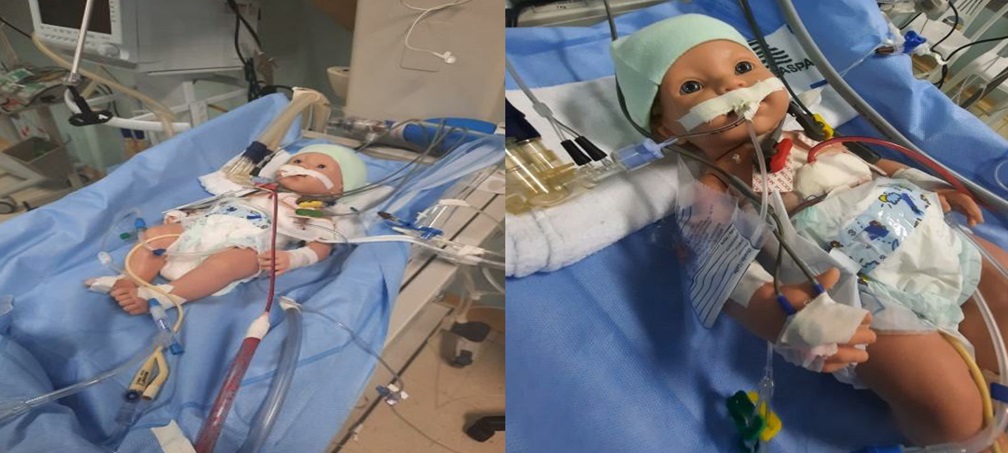
Figure 2. Realistic simulation doll used in the course. Belém (PA), Brazil, 2023.
The following activities were conducted: observation of signs and symptoms of hemodynamic instability; management of the invasive catheter and Mean Arterial Pressure (MAP) circuit; identification of cardiac arrhythmias; management of the external pacemaker generator; management of vasoactive drugs; catheter care; diuretic and bladder tube control; water balance control; management of hemorrhage and mediastinal and pleural drains; blood gas collection and open chest care.
The course covered management of peritoneal dialysis; wound dressing care; handling NBs for x-rays, electrocardiograms and echocardiograms; pacemaker wire removal care; MAP removal; removal of mediastinal and pleural drains and of peripheral and central catheters; and management of cardiopulmonary resuscitation.
At the end of the course, the professionals were satisfied with the knowledge they had acquired, expressing that they were more confident in admitting NBs in the immediate postoperative period of cardiac surgery. They were also satisfied with the realistic simulation methodology applied during the practical stage of the course, which made it possible to visualize the care process more effectively when admitting NBs in the immediate postoperative period of cardiac surgery.
Professionals such as nutritionists, speech therapists and occupational therapists emphasized the importance of the course for a theoretical understanding of congenital heart disease and the clinical picture presented by the NB after cardiac surgery, so that this information would become the basis for further individual theoretical studies. The course helped to improve their care practices, and the participating professionals were grateful for the fact that the course was taught with a focus on multiprofessional care and for the participation of all the professional classes that work in the neonatal ICU.
Thus, a realistic simulation that is more faithful to the reality experienced will help to provide holistic care and cooperation among team members, who will have greater technical skill and knowledge in relation to the care of NBs in the immediate postoperative period of cardiac surgery; subsequently, NBs will have positive prognoses in relation to their clinical condition. In general, the professionals who took part in the permanent education process highlighted their satisfaction with the technology used in the realistic simulation process characterized by the mannequin doll (newborn) that represented the complexity of the clinical condition of the NB in the postoperative period of cardiac surgery.
The result of the PE is related to the acquisition of knowledge, the satisfaction of professionals with the methodology, the appreciation of the multi-professional approach, enabling cooperation between teams and, consequently, enabling a positive prognosis for newborns after heart surgery. These results contribute to better assistance and more effective care for neonatal patients with this condition.
DISCUSSION
The application of realistic simulation has been confirmed as a methodology for PE, as it helps individuals in their professional training process and favors the development of technical and non-technical skills, with a view to gaining knowledge and developing safety in order to avoid mistakes and consolidate learning.9
The chosen methodology favored the experience of the natural movement of human development, expanding PE based on the concept of doing together, in a network, consolidating knowledge, providing opportunities for development, and stimulating the autonomy of the learner.10-1
Routine care for neonates following immediate surgery is referral to the neonatal ICU due to the need for specific support, continuous monitoring and appropriate specialized care. For this reason, the team working in this sector was prioritized for the PE action. At this early stage, one factor that brings neonates to the ICU is prematurity, which is associated with the immaturity of vital organs, circumstances that require immediate intensive treatment. It is essential to train the team to deal with these conditions in order to provide these patients with effective, quality care, taking into account their specificities.11,12
The aim of submitting the neonate to surgery is to provide a good clinical evolution and to reach the disease correction as an outcome. Although there is a history of good prognoses and effective corrections due to advances in anatomophysiological knowledge and to the technological resources used in neonatal intensive care, the surgical procedure exposes the neonate to the risk of clinical complications that can lead to a serious clinical condition, which can increase the length of stay in hospital and even lead to death.13
The most common post-cardiac surgery complications are pulmonary: altered diaphragm functioning due to trauma, phrenic nerve damage, atelectasis, pneumonia, pleural effusion, and pneumothorax. Another complication is Cardiorespiratory Arrest (CA), classified as a serious complication; after an arrest, the neonate patient needs multiprofessional care focused on stabilization and neurological assessment. Qualified care and continuous attention to complications are therefore necessary in order to achieve a good clinical evolution.14
In congenital heart disease, the presence of cyanosis is marked due to arterial instability and hypoxia, which leads to metabolic acidosis. Monitoring signs and symptoms, the patient's hemodynamic instability, and paying attention to warning signs of complications are important for ensuring the patient's well-being. This is a task for an attentive and safe multidisciplinary team, who needs PE in order to achieve a positive outcome for the neonate.15
In the field of nursing, specifically, it can be noted that nurses are aware of and recognize the importance of lines of care, but there is no correspondence between what they know and what they do. It is therefore important to reinforce the association between knowledge and behavior in order to develop PE actions.16
Based on the results of the experience, it is clear that in the implementation of the PE process, a tool that provides opportunities for the development of interdisciplinarity is the team meeting, as it presents different aspects in relation to the themes shared among the members, being a strategy for restructuring health care. The meeting enables a partnership between professionals from different areas within the healthcare team, allowing for a collaborative, participatory and coordinated approach to shared decision-making around up-to-date health improvements.17
PE, as a strategy for reorganizing the Unified Health System, and once incorporated into the institution's culture, presupposes the development of educational practices focused on solving concrete problems. PE refers to the relationship between health professionals as well as between them and other areas, keeping the focus of actions on the user in addition to considering the need to apply specific professional knowledge that is important for responsible care.18
Thus, the power of PE from an interactive and practical perspective is reinforced, since it guarantees improvements in processes, bringing professionals closer to high performance. Realistic simulation is one of the main effective tools for refining care skills in various contexts, as it promotes participatory and experimental spaces, showing improvements in work processes and therefore enabling important knowledge and transformations for health services.19,20
It is also clear that the use of simulation-based teaching techniques for training in healthcare practice has been increasingly common, as they provide professionals with the opportunity to repeat and acquire skills before direct contact with patients, in addition to the freedom to make mistakes and learn how healthcare protocols work. Teaching resuscitation practices through simulations allows us to use protocols and standardize processes so that new clinical skills can be acquired by healthcare professionals.21
It is argued that the closer the realistic simulation scenario is to real care situations and the greater the use of the skills needed to solve them, the higher the level of realism, which can be graded into low, medium and high complexity.22
In the context of the realistic simulation conducted in this study, a highly complex process is observed, since it addresses the complexity of cardiopulmonary resuscitation in neonatal cardiac patients, exposing all the clinical signs and props observed in the real care provided to such patients.
It is also evident that this investigation exposes a realistic simulation process consistent with the first level of fidelity, encompassing low-fidelity simulators that can be full-body mannequins, static and without electronic components, or even single anatomical parts, emphasizing that this category of simulator focuses mainly on learning basic psychomotor skills, thus relativizing the need for student interaction with the patient.22
Thus, it is confirmed that the competence to be developed by the professionals during this permanent education process was the improvement of the neonatal CPR technique focused on assisting the neonate, without considering the interaction with the parents or the sensitive management towards them at a delicate moment, with a focus on improving the cardiac massage technique, pulmonary ventilation with a self-inflating balloon, medication administration, and team interaction in a synchronized and coherent manner.
Simulation in resuscitation, with students or professionals, is an effective strategy for developing safety and competence. In these studies, it was observed that simulation was used to train professional teams in health institutions with the aim of developing knowledge and practice in neonatal resuscitation. The participants in the studies included nurses, neonatologists, clinical physicians, obstetric nurses, physiotherapists, midwives and firefighters. There was a focus on qualifying and evaluating professionals, even if they had already been trained, as the skills acquired could deteriorate.23
Mastery in clinical performance is not achieved automatically through experience, but rather from the integration of a complex system of actions for execution, monitoring, planning, and performance analysis, one of the essential factors for good performance in simulation-based teaching being the possibility of obtaining quality feedback and repeated skill practice.23
In the process described in this experience report, there was a need to repeat the simulation whenever one of the processes was being carried out incorrectly, which led from improving practice on the newborn mannequin to perfecting the CPR technique. Feedback was obtained through the round table discussion held at the end of each realistic simulation session, enabling the method to be improved as it was carried out with subsequent groups. This creates a limitation in the study, given that through the feedback expressed by the initial groups, the educational process was improved for subsequent groups without, however, being able to be reapplied to the initial groups.
CONCLUSION
In conclusion, it should be emphasized that the safe performance of a qualified multidisciplinary team is fundamental in the management of the immediate and late postoperative period of neonatal cardiovascular surgery. It should also be noted that the experience of permanent education with the realistic simulation tool, an active methodology, favored the exchange of knowledge and expertise among professionals, making them subjects of the process.
The application of an active methodology, in this case the realistic simulation, made the educational environment a space for quick and agile thinking with a view to strengthening care management. This highlights the importance of PE in the processes surrounding neonatal cardiac surgery. Finally, the work of the multidisciplinary team should be emphasized as fundamental in the management of the immediate and late postoperative period of neonatal cardiovascular surgery.
It should also be noted that there were limitations to the study, such as the fact that the applied realistic simulation was of a low level of fidelity, given the limited financial and structural resources for its implementation. Nevertheless, it is a valuable and affordable tool. It is worth noting, though, that if high-fidelity tools were used, it would be possible to improve the educational process.
CONTRIBUTIONS
Santos BRF: conceiving, planning the study, analyzing and interpreting data, writing the article. Rocha LS and Guimarães RS: data interpretation and active participation in the discussion of results and writing of the article. Zaninotto CV: conceiving, planning the study. Nascimento MHM and Teixeira E: relevant critical review of the intellectual content and final approval of the version to be published.
CONFLICTS OF INTEREST
There are no conflicts of interest.
REFERENCES
- Santos BRF dos, Nascimento MHM, Teixeira E, Oliveira MFV de, Miranda SV do RS, Valois RC. Aplicativo móvel para pais de primeira viagem - cuidados ao recém-nascido: relato de experiência. Rev Enferm UFSM [Internet]. 2023;13:e12. DOI: https://doi.org/10.5902/2179769270394
- Silva LDC, Pavão T da CA, Souza JCB, Frias L de MP. Diagnóstico precoce das cardiopatias congênitas: Uma revisão integrativa. J Manag Prim Health Care [Internet]. 2018;9. DOI: https://doi.org/10.14295/jmphc.v9i0.336
- Selig FA. Panorama e Estratégias no Diagnóstico e Tratamento de Cardiopatias Congênitas no Brasil. Arq Bras Cardiol [Internet]. 2020;115(6):1176–7. DOI: https://doi.org/10.36660/abc.20200680
- Batista Cabral JV, Chaves JS de C. Cuidado de enfermagem no pós-operatório de cirurgia cardíaca pediátrica: revisão integrativa. Rev Enf Contemp [Internet]. 13º de jan de 2020;9(1):118-26. DOI: https://doi.org/10.17267/2317-3378rec.v9i1.2597
- Mattos MP, Campos HMN, Gomes DR, Ferreira L, Carvalho RB de, Esposti CDD. Educação Permanente em Saúde nos Centros de Atenção Psicossocial: revisão integrativa da literatura. Saúde debate. 2020;44(127):1277–99. DOI: https://doi.org/10.1590/0103-1104202012724
- Menegócio AM, Pivello LGP, Queiroz PHB, Ruas M de A. A Simulação realística como metodologia de ensino- aprendizagem na graduação de enfermagem: relato de experiência. In: Congresso Internacional de Educação e Tecnologias | Encontro de Pesquisadores em Educação a Distância; Anais do CIET:EnPED:2020. São Carlos: Intellectus Rev Acad Digital. 2021;63(1):68–79. Available from: https://ojs.latinamericanpublicacoes.com.br/ojs/index.php/ah/article/download/549/524/1679
- Yamane MT, Machado VK, Osternack KT, Mello RG. Simulação realística como ferramenta de ensino na saúde: uma revisão integrativa. Espaço p a Saúde – Rev de Saúde Púb do Paraná [Internet]. 2019;20(1):87–107. DOI: https://doi.org/10.22421/15177130-2019v20n1p87
- Nascimento BTS, Schuler MFL, Nascimento ACF, Costa YFA, Melo EA, Mesquita TB, Assis JJC, Melo EA, Araujo SKBS, Araújo MRB, Silva GR, Gomes BLP, Carvalho OL, Xavier AAS, Lins BS, Nascimento MS. Manejo da ressuscitação cardiopulmonar no neonato. Brazilian Journal of Implantology and Health Sciences [Internet]. 2023;5(4):1089-1100. Available from: https://bjihs.emnuvens.com.br/bjihs/article/view/451
- Castro L das N, Santiago CM, Olegário B da CD, Cardoso JN, Temperini HO, Moraes ACB, et al. A simulação realística como ferramenta de aprendizagem para a Sistematização da Assistência de Enfermagem. Res, Society and Develop. 22 de jul de 2021;10(9):e10110917711. DOI: https://doi.org/10.33448/rsd-v10i9.17711
- Klein NA, Ahlert EM. Aprendizagem baseada em problemas como metodologia ativa na educação profissional. Rev Dest Acad. 2020;11(4):219–39. DOI: 10.22410/issn.2176-3070.v11i4a2019.2398
- Silva DA dos S, Silva CS da, Nascimento HR do, Prado MP. Perfil clínico e epidemiológico de crianças com cardiopatia congênita submetidas à cirurgia cardíaca: uma revisão sistemática. EACAD [Internet]. 2022;3(2):e3932200. DOI: https://doi.org/10.52076/eacad-v3i2.200
- Barbosa IEB, Mota B de S, Fonseca AR, Siqueira DSG, Melo F de S, Lira FC de F, et al. Fatores que difundem a assistência de enfermagem humanizada na unidade de terapia intensiva. Rev Elet Acervo Saúde [Internet]. 2021;13(4):e7082. DOI: https://doi.org/10.25248/reas.e7082.2021
- Miguel PDP, Afiune SMRP, Portal DC, Vieira CA, Saidah TK. Perfil dos recém-nascidos submetidos a cirurgia em unidade de terapia intensiva. Rev Cient Cerem-Go. out de 2020;2(1):12–5. DOI: https://doi.org/10.37951/CEREM-2021-V2I1-12-15
- Moh’d AF, Khasawneh MA, Al-Odwan HT, Alghoul YA, Makahleh ZM, Altarabsheh SE. Postoperative Cardiac Arrest in Cardiac Surgery-How to Improve the Outcome? Med Arch. 2021;75(2):149–53. DOI: https://doi.org/10.5455/medarh.2021.75.149-153
- Janete MB. Tratamento cirúrgico das cardiopatias congênitas acianogênicas e cianogênicas. Rev Soc Cardiol Estado de São Paulo [Internet]. 2002;12(5):763–75. Available from: https://pesquisa.bvsalud.org/portal/resource/pt/lil-414463
- Marski B de SL, Facio BC, Ichisato SMT, Barba PC de SD, Wernet M. Developmental Care: assistance of nurses from Neonatal Intensive Care Units. Rev Bras Enferm [Internet]. 2018;71:2758–66. DOI: https://doi.org/10.1590/0034-7167-2017-0912
- Mendes GN, Guimarães GLP, de Paula EJC, Tavares PPC. Educação continuada e permanente na atenção primária de saúde: uma necessidade multiprofissional. Cenas Educ. [Internet]. 2021;4:e12113. Available from: https://www.revistas.uneb.br/index.php/cenaseducacionais/article/view/12113
- Silva LHF da, Santo FH do E, Chibante CL de P, Paiva ED. Permanent Education in a neonatal unit from Culture Circles. Rev Bras Enferm. 2018;71(3):1328–33. DOI: https://doi.org/10.1590/0034-7167-2016-0587
- Couto MC do, Oliveira WJ, Migueis G da S. Simulação realística como estratégia de ensino e aprendizagem para as equipes de enfermagem no contexto hospitalar-um relato de experiência. Archives of Health [Internet]. 2021;2(4):1010–3. Available from: https://ojs.latinamericanpublicacoes.com.br/ojs/index.php/ah/article/download/549/524/1679
- Resende ALSB de A, Gonçalves AF, Ludovino ACG. A metodologia de simulação realística enquanto tecnologia aplicada à educação nos cursos de saúde. Rev. Mas [Internet]. 2020;5(9):1-3. Available from: https://revistamaster.imepac.edu.br/RM/article/view/118
- Lino FS, de Carvalho NAR, Santos JDM, Moura ECC, da Rocha SS, Silva RSDS. A utilização da simulação no contexto da reanimação neonatal. Rev Uningá [Internet]. 2017;53(2). Available from: https://revista.uninga.br/uninga/article/view/1424
- Pinto-Coelho L, Almeida PR, Carvalho LS, Silva RS. Prática deliberada em ciclos rápidos no treinamento de ressuscitação cardiopulmonar pediátrica: uma revisão de escopo. Rev Latinoam Simul Clín. 2022;4(3):85-93. DOI: https://doi.org/10.35366/109708
- Thaís B, Souza E, Moreira L, Castro JP, Silva RS. Manejo da ressuscitação cardiopulmonar no neonato. Braz J Implantol Health Sci. 2023;5(4):1089-1100. DOI: https://doi.org/10.36557/2674-8169.2023v5n4p1089-1100
Correspondence
Bruna Renata Farias dos Santos
E-mail: santos.brf123@gmail.com
Copyright© 2024 Journal of Nursing UFPE on line/REUOL/JNUOL.
This is an open access article distributed under Attribution CC BY 4.0 Creative Commons Attribution-ShareAlike 4.0 International License, which allows others to distribute, remix, adapt and build upon the material, even for commercial purposes, as long as due credit is given for the original creation. This is recommended to maximize the dissemination and use of licensed materials.
 Português (Brasil)
  English
  Español (España)