Idioma
The other side of oncology – a transpersonal look into the experience of survivors
INTRODUCTION
Cancer is a major public health problem in Brazil and remains a constant topic of discussion throughout society.1 For this reason, the growing number of new cancer cases in the Brazilian population has been a matter of great concern among health managers, since this growth is not only a consequence of population ageing, but is also directly associated with the different lifestyles currently adopted and with environmental and occupational exposures that put the population at greater risk of developing neoplasms.2
Cancer is a stigmatizing disease that brings along the idea of death. This factor is evident from the moment of diagnosis, when the individual is placed in a state of fragility and regression, which increases with the progress and severity of the pathology. Associated with this, it is common for people with cancer to develop distressing thoughts about coping with the disease and its outcome.3,4
On the other hand, with advances in recent decades, developments in the form of cancer treatment have contributed to more effective interventions at the primary or secondary prophylactic level, so that the prospect of successful treatment and survival with quality of life has grown significantly.5
Faced with this reality, a cure becomes a more frequent possibility, to the detriment of the common expectation of an unfavorable outcome sealed by death. With recovery from the disease, individuals start to have demands such as returning to their routine and family, social and economic dynamics, etc., which mobilize willpower and resilience, driving changes in the way they live their lives, aimed at making better use of time, relationships and opportunities. Overcoming is also often influenced by faith in the divine, leading them to interpret that they have been given a second chance to live better, motivated by the emotional and spiritual fuel that resignifies them in the face of the next obstacles and possible challenges (physical, emotional or social) left by the illness.6
Life after cancer is therefore understood to be possible, and this experience, despite its traumatic potential, mobilizes overcoming, resilience and generosity, expressed by the desire and commitment to help other people in the same situation, in an empathetic and reflective way in the care that made a difference in the story of each one of them. Family, social and spiritual support are highlighted in their narratives as the main drivers for finding meaning and significance in their journeys. Attitudes should be encouraged among the support network and multiprofessionals in order to contribute to feelings of security, welcome and well-being, which are fundamental for the emotional stability of patients, who are the protagonists in coping with the pathology in a healthy and persevering way.6-7
To this end, it is essential to understand that, in addition to pharmacological/surgical treatment, the physical, spiritual, social and emotional well-being of individuals is equally important for good results in cancer treatment, in a logic where the patient's comfort and wishes are always prioritized.8-9 In this sense, the multiprofessional approach to cancer must provide the individual with comprehensive care, in which health professionals look beyond treatment towards survival. In this way, Watson's Transpersonal Care Theory presents itself as an opportune reference since it is structured around pillars aimed at satisfying total human needs: body-mind-soul.10
Watson's Theory structures ten essential care factors in the management of human beings, namely: 1. enabling a humanistic-altruistic value system with the exercise of loving-kindness; 2. promoting faith and hope, with a deep inner subjective-spiritual conviction of oneself and the other; 3. being sensitive to oneself and the other: cultivating one's own spiritual practices; 4. enabling trust in the help/care process, with the formation of a bond; 5. developing empathy in the expression of positive and negative feelings; 6. valuing scientific knowledge in a systematic and creative way to solve problems; 7. integrating transpersonal care into the teaching-learning process; 8. ensuring an environment of mental, social and spiritual protection; 9. satisfying basic human needs; and 10. accepting the possibility of miracles.10
In this context, Transpersonal Care is seen as a good way to provide quality care to people with cancer, whether from the perspective of end of life or survival, adding to the latter, above all, a change in the professional paradigm in the face of cancer, and empowering professionals, especially nurses, to transcend their care to meet the human totality that will survive and be able to make sense and have determination in continuing their lives after cancer.
Therefore, this paper is justified on the basis of the literature review carried out on the subject over the last five years in the Scielo and Pubmed databases, which reveal the scarcity of studies in the field of oncology with an emphasis on healthy survival after cure. The literature is dominated by research3-4,11-13 into the difficulties and stigmas faced during the illness, in addition to those focused on terminality. This study, however, aims to highlight resilient survival and healing with quality of life in an analysis through the theoretical lens of Transpersonal Care, which enhances the differentiation and contribution of such outcomes through its holistic and bio-psycho-spiritual perspective of understanding the phenomenon in question. This framework allows us to look at the surviving human being in an expanded and sensitive way to the attribution of meaning and learning constructed by people who have successfully faced the disease.
Therefore, the relevance of this study is based on its academic contribution in terms of producing scientific evidence on the successful experience of cancer survivors and the protagonism of their differentiated care needs in the oncological context, as well as on the social contribution that unfolds in benefits for patients and family members who can be assisted in a more assertive and transpersonal way based on the results investigated here. In this sense, this research was developed based on the following guiding question: what is the experience of cancer survivors from a transpersonal perspective?
OBJECTIVE
To analyze the experience of cancer survivors based on Jean Watson's Theory of Transpersonal Care.
METHOD
This is a qualitative, descriptive and exploratory study carried out in Vitória da Conquista, considered the capital of the southwestern region of Bahia. In the first stage, cases were recruited from the Conquistense Institute of Oncology (Instituto Conquistense de Oncologia -ICON), the region's reference center for specialized cancer treatment. Initial recruitment was carried out by searching the medical records of patients who had completed their treatment and were still being followed up by the ICON.
At this stage, candidates were selected according to the criteria of having completed treatment for at least 5 years without relapse (inclusion) and living outside the urban area of Vitória da Conquista (exclusion). From the medical records, 8 candidates were listed, who were contacted by telephone, introduced and invited to take part in the study; if they accepted (5), they were scheduled for individual, face-to-face and private collection at home or at a location of the participant's choice (coffee shops, workplace). Once these primary participants had been nominated, new participants who met the same criteria were included in the survey using the snowball technique.14 Thus, 11 more candidates were nominated, 7 of whom were included in the study, making a total of 12 participants, delimited by the data's theoretical saturation.15 The reasons for refusing both stages (7) were unwillingness to talk about the subject, lack of time, and living outside the city's urban area. The interviewees were given codenames of precious stones in order to preserve their anonymity. The participants agreed to take part in the study by signing an Informed Consent Form (ICF) after approval by the local Research Ethics Committee CAAE (Certificado de Apresentação de Apreciação Ética - Certificate of Submission for Ethical Appraisal): 84784117.8.0000.5556, under opinion no. 2.742.780. Ethical principles were followed in compliance with Resolution 466/12 on the rights and duties of the scientific community and the study population.
Data collection was carried out between January and March 2019 by one of the researchers, a female undergraduate Nursing student, with no ties to the ICON or the research participants, but with previous experience in the use of both techniques, due to longitudinal participation in scientific initiation projects based on the same theoretical approach as Watson's Transpersonal Care Theory. The first collection technique consisted of a dynamics using a 15x21 cm flat mirror given to the subject to visualize their image and answer the question: how do you see yourself after the experience of cancer? The use of this research tool was based on the relationship between the Transpersonal Care Theory and Alex Grey's “Sacred Mirrors”, which reveal aspects of the interiority/spirituality of the being through the reflection of the human image.16 Hence, when reporting their self-perception, the person expresses, beyond their physical appearance, inferences about their subjective self-image, bringing their own transpersonal perceptions into their report. The second technique used was a semi-structured interview containing the following questions: What did cancer initially mean in your life? / And today, has this meaning changed? / For you, what would be the positive side of oncology? / Considering that you are made up of a body, a mind and a soul, how did these elements talk to each other during coping, which of them do you consider essential in overcoming the disease? / What would you say to someone who has just been diagnosed with cancer? The answers were recorded on MP4 and transcribed for analysis.
The data were analyzed using Miles and Huberman's interactive content analysis technique,17 which involves three stages of concurrent activities: data reduction, presentation and interpretation. Data reduction consisted of selecting and simplifying the material gathered, and was divided into three stages: early reduction, concomitant reduction and a posteriori reduction. Early reduction takes place from the moment the problem is set and the study is developed. The concomitant reduction is based on elements and strategies that emerge after the first data have been collected for the study. The a posteriori reduction consists of a thorough reading and analysis of all the material collected in the field, followed by the identification of the subjects, which in this study was done using gemstone pseudonyms. In the second stage, the presentation of the data was organized, classified for definition and visualization of the synthesized categories, facilitating comparison between the information found. In the third stage, the information found was defined, highlighting possible schemes and explanations to finalize the results found in the study.17
RESULTS
Most participants in this study were female (75%); the average age was 43.33 years; the most common type of cancer was breast (32.3%), with the others located in the following organs: thyroid, brain, testicle, prostate, eye and ovary; the average time taken to complete treatment was 11.4 years; and as for religion, the majority (50%) declared themselves evangelicals, in a universe where everyone had a religion.
The narratives converged in the results shown in Figure 1.
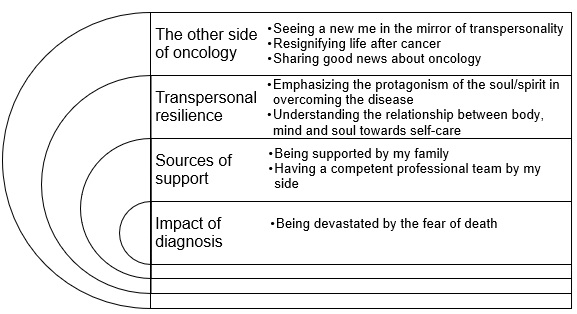
Figure 1. Diagram of categories and subcategories. Vitória da Conquista (BA), Brazil, 2023.
CATEGORY 1: The impact of diagnosis
Category 1 shows the impact felt by the interviewees when they were diagnosed with cancer, portraying how unexpected and devastating the news was for everyone, mainly due to the stigma of suffering and death that is socially attributed to the disease.
Subcategory 1a: Being devastated by the fear of death
When I found out, it was a shock! I really thought I was going to die, I thought it was the end. Also, because I was young, I was 18... And because I did not see a way out either. (Jasper)
At first, when I received the diagnosis, I felt the weight of death! I thought I was going to die; it meant a lot to me... It was very heavy, very sad, very painful to know that I had cancer, [...] to have a difficult disease, that everyone thinks you are going to die. (Crystal)
Look, initially it was a scare. Although this is something that is common in my father's family, many deaths from cancer: my father had pancreatic cancer; my uncle had pancreatic cancer; my grandfather had prostate cancer; my grandmother had lung cancer; another aunt died of intestinal cancer. [...] I thought this could happen to me. [...] I cried as soon as I found out, right? (Emerald)
CATEGORY 2: Sources of support
Category 2 deals with the sources of support that patients found in people close to them. Human warmth was the determining factor for both family and friends, and even the healthcare team, to play an important welcoming and supportive role for them, easing their coping after diagnosis and during treatment. This category was thus divided into two subcategories, the first referring to family and friends, and the other to the characteristics of warm-hearted multiprofessionals in their experience.
Subcategory 2a: Being supported by my family
My family, my children, my daughter who came with me to Belo Horizonte, my other daughter who lives abroad also came and stayed with us in Belo Horizonte, so it was a lot of support... Then the support of the family helps a lot. (Amethyst)
[...] Thank God I had the fundamental support of my family in standing by me, not in the sense of putting up with me, of tolerating me, but of really lending a shoulder to support me, for me to lean on, cousins, girlfriend, mother, father, uncles and aunts, a whole family really, embraced and united to beat it together. (Jasper)
At that moment, what matters are friends, family and God first! So, there we get to know the best human beings. (Diamond)
Subcategory 2b: Having a competent multiprofessional team by my side
[...] The positive side, let me put it this way... The human side of the team, talking about cancer itself, the disease, everyone already knows that it is painful, but when it involves the team of nurses, psychologists, doctors, nutritionists, clinic cleaners, it is love that is sometimes not talked about on television, so I spent a long time in hospital, in clinics, so I could see the human side, especially of the health professionals. I am a personal trainer, I am from the health area, and we go beyond the mitochondria, beyond the disease, and that is the pleasant side of oncology. (Jasper)
Look, I had so many positive things during that period... I met wonderful people, both from a medical point of view... [...] I met Dr. X, who was so... wonderful to me! And I also met Dr. Z, who is another sweetheart, a lovely person, a human being who cares... I can spend a year without going there and he will ask: How is so-and-so, your daughter? Your granddaughter? Your daughter who is in the United States, how is she? He knows things about me and he keeps it there, which many doctors would not even care about. (Emerald)
This is the ''x'' of the matter, [...] the great benefit that lies in oncology is not just human knowledge, [...] what man does, all the development of technology, [...] information, [...] is to revert all this to the well-being of people. [...] Oncology is a branch of medicine that has created conditions for many people to have a second chance, [...] to have a cure for this disease that was once one hundred percent fatal, so I am very grateful to the whole team. (Topaz)
CATEGORY 3: Transpersonal resilience
This category shows the interviewees' understanding of the interrelationship between body, mind (emotions and thoughts) and soul (spirit). In their experience, they can see themselves as transpersonal beings who find the strength within their interiority to overcome adversity, even in the face of an oncological disease. For them, resilience is developed mainly in the soul/spirit dimension, being projected onto the others. This category received contributions from two subcategories: highlighting the protagonism of the soul/spirit in overcoming illness, and understanding the relationship between body, mind and soul towards self-care.
Subcategory 3a: Emphasizing the protagonism of the soul/spirit in overcoming the disease
[...] I would say that the most important thing of all is the spirit (soul), the body is the material, the mind is the feeling, the heart, [...] the emotion, and the spirit (soul) is the connection with God. [...] I am religious, I believe in God, and I think that what really matters is the spirit, because body and mind are of a transitory, earthly and passing life, and the spirit (soul) is of eternity. That is what I believe, that is how I live, so I believe in life after death, in spiritual life, so we have the spirit (soul) which is the connection with the creator, I believe this through faith. (Topaz)
I think that between body, mind and soul, the most essential thing in overcoming the disease is the soul, because the body gets wasted, doesn't it? Not just because of the disease, but because of the treatment, which takes its toll, but the soul has the support, the comfort that I had. [...] So... by taking care of the soul, the body manages to have a structure to overcome it. (Sapphire)
I consider the soul to be essential in overcoming the disease, because faith removes mountains, thank God for everything, it seemed that it was not with me, that I knew the Lord was with me. (Amethyst)
God in the first place, [...] first faith, and I myself searched for the strength that God gave me within my soul. (Crystal)
Subcategory 3b: Understanding the relationship between body, mind and soul towards self-care
Many doctors do not believe it, but I had some serious emotional problems before this cancer appeared. I think that this also had an influence, because when there are bad things that attack our emotional selves (mind), the soul, right, I think we poison our bodies anyway. In my lay mind I consider it like that, right? [...] It was scary [...] in the first moments, because then I faced it in a very calm way, you know? I faced it very peacefully (mind/soul). (Emerald)
[...] Mind set on the spirit (soul) is life and peace. [...] So I tried to set my mind on God, on hope... And so, one thing that helped me a lot was singing, I really like music, hymns that touch the soul, [...] that was what helped me a lot in the treatment, in the question of immunity (body), so I say that God is the main structure and then it is a struggle, right? One day at a time, sometimes the medication itself makes you very weak (body), makes you emotionally more fragile (mind), but I have learned that everything passes. (Ruby)
I think you have to believe (mind), ask God for His interference to cure the disease (body), because He is the superior being to all of us, He relieves our souls, gives us strength and determination to face the reality of life. [...] Thank God I was cured of cancer (body)! (Onyx)
Today my diet is more geared towards what is natural (body). During the cancer period too, I observed this a lot, eating, walking, like... healthier living, right? [...] Today, in terms of my mind, my head, [...] I ask God to always remove what is harmful from my life. This has changed... It is like being on the lookout, being more careful, a number of issues... You, despite your troubles, should try to stay calm and balance your emotions (mind) so that you do not sink downwards. (Tourmaline)
CATEGORY 4: The other side of oncology
The last category crowns the results with more conclusive accounts of the other side of oncology, i.e, the new meaning that the experience of the disease has added to the lives of those survivors. It is divided into three subcategories: seeing a new me in the mirror of my transpersonality; giving new meaning to life after cancer; and sharing good news about oncology. As a whole, these subcategories reveal the positive aspects experienced by individuals who have overcome the disease.
Subcategory 4a: Seeing a new me in the mirror of my transpersonality
I see myself as a grateful person, because I am a person who loves to live, [...] today I got up, I saw this sun... Every day I thank God [...] for keeping me here in life, because I like life, I like living. (Emerald)
I see myself as stronger, more human, more unlikely to suffer from small problems that we used to think were big. [...] I feel more resilient. (Jasper)
(I see myself) More beautiful, freer, more grateful, happy! If I had to go through it all again, I would. (Ruby)
I see myself as a better person, a renewed person, [...] I'm speechless with gratitude to God for everything, you know, it was an experience like this to give more value to life, we have a heart of gratitude after we realize our fragility. (Turquoise)
Subcategory 4b: Resignifying life after cancer
[...] The positive part is facing life, enjoying life more. [...] Today I am not much of a complainer about anything, because I know there are worse things, so it is not worth it giving yourself up for a silly little thing, and that is what I always pass on to my daughters, [...] we will get over it, we will face it, because there are worse things, and I think that this willingness to live and this strength that we have helps; it helps you not to trigger any more diseases, I think. (Sapphire)
And in radiotherapy I met the happiest people on earth, in the line, it was exciting to see those people there with cancer, sometimes terminal, but there, happy (crying)... I have not talked about this for a long time, sorry. [...] It is amazing that when we are in the fire... it is amazing how noble the human being becomes, [...] everything becomes small, having becomes small, having a house, a car, right?! [...] It was great to be in that line for radiotherapy, talking about the values of life. (Emerald)
[...] Then you change a lot of paradigms in your life, the way you face life, the way you value each day more, today, now, your chance to be happy, [...] to make those you love happy, to live with the people you love, to have small pleasures... This is what you learn, [...] you change your concepts of finitude and see that you can go through a difficult time like this and have the strength to face it. For me it was a very important moment in my life, because I went through a time of fear, difficulty, dread, uncertainty, [...] and I came out the other side better, I think that is what is important, to believe that when you cross this desert, on the other side your oasis will be better, you will come out better on the other side! (Topaz)
Subcategory 4c: Sharing good news about oncology
[...] I was the speaker that day and I made a PowerPoint, I took photos of all the exams, right, the doctors I went to, everything I went through I put on those slides. [...] That day I went to speak, I got emotional too, it feels like we are cured, but not completely, because it really is like a rug being pulled out from under us in life, so to speak, because we also stand up, and we stand up better. [...] I got emotional giving the talk and I got emotional here, but by doing that I was able to help some people there with cancer in a positive way. (Emerald)
Today I live with extra hope, I can tell people who are even critically ill that they can turn things around and live much longer. (Quartz)
Today, it (cancer) represents a tool for me to be able to help other people, so today it means a lot to me! It is something that has led me to explore other areas of my life, so that I can move on to the next level and collaborate with more people. [...] A positive meaning, I am not ashamed to say it, I am not afraid, on the contrary, it brings me encouragement when I look at the marks it has left, it encourages me to live and change other people's realities too. (Jasper)
DISCUSSION
The results of this study confirm that the diagnosis of cancer continues to generate a great deal of grief, fueled by the fear of arduous treatment and the possibility of death. These emotions have an impact on different areas of the mental and physical health of individuals and their families, with repercussions on the way they experience the disease and care.12 The patient's outlook on life is shaken by the unfolding of the disease in the face of an uncertain path that inspires anguish, sadness, insecurity and vulnerability. The family, in turn, fears the suffering and/or loss of their loved one, facing ambivalent feelings, alternating between moments of trust and fragility in the face of the progression of the neoplasm.13
Nevertheless, cancer survivors show the other side of oncology in their narratives, presenting more strongly the overcoming, the tenderness of having been welcomed with warmth by family, friends and staff, the positive outcome, the learning, and the resilience that has given their lives new meaning.6 In their experiences, there was room for the development of self-knowledge, personal appreciation, family care, hope, faith and self-care.
Cancer survival is also observed in other studies,6-11 which understand it as a phenomenon that mobilizes a psychosocial meaning processed by the transcendence of feelings that are transformed from anguish and fear into resilience. This movement involves valuing a new chance at life, perceived by the individual when self-reflecting on their cancer experience. Therefore, the other side of oncology, survival, reverberates the recognition of each individual's strength in order to resignify their identity and their choices about life.
Another study18 confirms that the family, in the context of survival, is referred to with affection by those who were cared for by them at that moment of such fragility. The crisis triggered by cancer works, from a resilient perspective, as an impulse for reorganization and accessibility to the capacities that this nucleus has to adapt, mobilize, and devise surprising coping strategies that emerge from internal forces, often still unknown, forces that are projected to shape care and make the necessary adjustments to better cope with this great challenge.
Family and social support, therefore, is one of the main sources of resilience and provides the sick person with the security, welcoming, attention, affection and respect that are essential for the emotional stability needed to cope healthily, optimistically, vigorously and perseveringly with cancer. Therefore, the family, when present and involved, is a valuable and active part in helping with the treatment, its repercussions and achievements towards remission or the cure of the oncological disease.7
Hence, the results found here add to the findings in the literature6,19 regarding gratitude to God, the appreciation of small gestures and daily happiness standing out in life after overcoming cancer, the desire to live the present without resenting the experience of the ordeal related to the disease but carrying the pride of having faced it positively. Some techniques are mentioned in other studies17,20 as aid in this process, such as self-reflection, exchange of experiences, positive attitude, mindfulness meditation, mutual help groups, and spiritual strategies that are able to interact mind, body and soul. This context corroborates our theoretical contribution regarding the encouragement of transpersonal human care, i.e., welcoming care that promotes mental, physical, social and spiritual health.
It is from this perspective that Transpersonal Care, the benchmark of this study, values the exercise of loving-kindness and tranquillity in the process of self-care, and demands that the person becomes a sensitive being for themselves and for others, cultivating their own spiritual practices that can deepen their self-awareness beyond their own ego and towards healthy habits for their bio-psycho-social well-being.15 The practice of this kind of care helps to assist physical and spiritual human needs through sensitivity, touch, faith, love, kindness and compassion for the sick individual.21-22 In the case of coping with oncological diseases, these premises are even more significant, which validates the theoretical alignment chosen with the theme in question.
Especially due to the emphasis on spirituality, this contribution anchors the need that cancer survivors have to discover or reflect on the meaning of their lives. For this reason, the faith involved during and after cancer treatment is often highlighted in studies in the area as an element capable of (re) signifying one's life and the suffering arising from the process.23-24 Watson, in this regard, validates the extent to which spiritual/religious practices are an ally in human care, especially in the fight against cancer, by enhancing or enabling the construction of thoughts of hope throughout the process.17
Another resilience strategy described in this study and referred to in the literature25 concerns the transformation of what was experienced into shared narratives, capable of encouraging and welcoming other people who are going through the same situation. In this sense, talking about the experience of healing and victory becomes a relevant therapeutic attitude in the context of survival, promoting a sense of overcoming, comfort, hope and triumph over cancer. These testimonies are intimate enough for a real process of personal catharsis that reverberates the physical healing into the psycho-emotional dimension of the survivor.
This becomes possible because human existence consists of an experience that mobilizes adaptive competencies in the face of adversity, a path that implies knowing how to get away from oneself and go against (pre) concepts, in the direction of putting oneself to the test in a new experience that is sometimes unusual and even shocking, but also strong enough to reorganize the balance with oneself and the other in a spiritual encounter.26
Transpersonality converges, in this understanding, in the ability to bring the subjectivity peculiar to the human being into the technical world of care, broadening the view of what is human to a multidimensional perspective in which the interaction of body, mind and spirit becomes patent in the phenomenological field, allowing the passing of strength, immunity and resilience between these interfaces. Transpersonal care thus seeks to recruit the strength of love, faith, compassion, community and intention as factors that can contribute to healing.17
In view of the above, the role of the multiprofessionals who work in the field of oncology, who are equally important in the cycle of overcoming cancer, and whose management and empathy are decisive factors in providing a welcoming, sensitive and assertive approach to the person with cancer and their family, should be reiterated. Therefore, these professionals must understand their relevance not only for physical interventions (relieving symptoms and fighting the malignant neoplasm), but above all as a source of bio-psycho-social and spiritual support, enabling the family and the individual to enjoy quality of life during treatment. These conclusions are in line with other research in the area.17, 27-28
It is worth highlighting nursing here as the team that is closest to the cancer patient and therefore has the greatest opportunity to make a difference in providing comprehensive care to this individual. Their scope of care has special resources for welcoming, informing, supporting, touching and strengthening the patient and their family to cope well. To this end, this category is encouraged to go beyond the technical molds on a daily basis, in search of conducts that build sensitive and compassionate care,17,29 that is, a Transpersonal Care, the one that evokes a more holistic and humanized nursing, which adds to its mission the transcendence of matter by welcoming the soul and mind as parts of a whole that influence and support each other internally. It is a perspective that encompasses respect and admiration for the mysteries of life, so as to believe in the possibility of a positive experience in the oncological context that highlights life rather than death.17, 29-30
This research contributes to finding about the other side of oncology but does not exhaust the lack of studies addressing the gains of this experience among survivors, thus encouraging more investment in this thematic area. The limitations of this study refer to the limited context under study, which would invite a broader scenario in future research.
FINAL CONSIDERATIONS
Cancer is not always a villain in a person's experience; healing is possible and growing today, demystifying the stigmas and preconceptions that still prevail in society. For survivors, the fears faced at the time of the diagnosis of malignancy lose their focus in the face of the feeling of overcoming and victory contextualized in the warmth of family and friends, in the transpersonal inner strength, and in the competent care of empathetic and humanized professionals.
In this way, the other side of oncology is covered above all in joy, encouragement, faith, trust and appreciation of life, small pleasures and living with those one loves. It is a journey that begins, on the one hand, sealed by difficulties, fear of death and uncertainties, but reaches, on the other hand, a new paradigm of being in the world, resignified by the restoration of health and a new chance to live, now with more maturity and wisdom, provided by the noble experience of having faced and beaten cancer.
In view of this, this study endorses the alignment of Transpersonal Care with a positive experience in the oncological context. This approach mobilizes self-knowledge, reflection, spirituality, resignification and recovery through the interaction between the body-mind-soul of the human person. Therefore, these results suggest adopting the assumptions of this theory in the practice of care, enabling the multiprofessionals in the area, especially nurses, to guarantee comprehensive, compassionate and successful care with regard to the healing and resilience of the people involved in this process.
CONTRIBUTIONS
All the authors contributed to the development of all stages of the study, from the survey and collection to the analysis and discussion of the data, as well as the writing and critical review of the information compiled, including the approval of the final version of this study.
CONFLICT OF INTERESTS
There are no conflicts of interests.
REFERENCES
- Teixeira LA, Araújo Neto LA. Câncer de mama no Brasil: medicina e saúde pública no século XX. Saúde soc. [Internet]. 2020 [cited 2023 nov 15]; 29(3):e180753. DOI: https://doi.org/10.1590/S0104-12902020180753
- Brasil. Instituto Nacional de Câncer. Estimativa de 2023: incidência de câncer no Brasil [Internet]. Rio de Janeiro, RJ: INCA; 2022 [cited 2023 oct 29]. Available from: https://www.inca.gov.br/sites/ufu.sti.inca.local/files/media/document/estimativa-2023.pdf
- Ferreira EDS, Pessoa ACRG. Acompanhamento pedagógico hospitalar a crianças com câncer em processo de alfabetização. Educ rev [Internet]. 2023 [cited 2023 dez 12];39:e37031. DOI: https://doi.org/10.1590/0102-469837031
- Campos EMP, Rodrigues AL, Castanho P. Intervenções Psicológicas na Psico-Oncologia. Mudanças, Psicol. Saúde [Internet]. 2021 [cited 2023 Nov 10]; 29(1):41-7. Available from: http://pepsic.bvsalud.org/pdf/muda/v29n1/v29n1a05.pdf
- Luizaga CTM, Jardim BC, Wünsch Filho V, Eluf Neto J, Silva GA. Recent changes in trends of mortality from cervical cancer in Southeastern Brazil. Rev Saúde Pública [Internet]. 2023 [cited 2023 oct 29]; 57:25. DOI: https://doi.org/10.11606/s1518-8787.2023057004709
- Ichikawa CRF, Szylit R, Cunha MLR, Rossato LM, Gesteira ECR. A transição da doença para a sobrevivência: relatos de adolescentes que vivenciaram o câncer. Rev Latino-Am Enfermagem [Internet]. 2022 [cited 2023 Dec 1];30(spe):e3846. DOI: https://doi.org/10.1590/1518-8345.6302.3847
- Chen JJ, Wang QL, Li HP, Zhang T, Zhang SS, Zhou MK. Family resilience, perceived social support, and individual resilience in cancer couples: Analysis using the actor-partner interdependence mediation model. European Journal of Oncology Nursing [Internet]. junho de 2021 [cited 2023 Dec 1]; 52:101932. DOI: https://doi.org/10.1016/j.ejon.2021.101932
- Bosman JT, Bood ZM, Scherer-Rath M, Dörr H, Christophe N, Sprangers MAG, van Laarhoven HWM. The effects of art therapy on anxiety, depression, and quality of life in adults with cancer: a systematic literature review. Support Care Cancer [Internet]. 2021 [cited 2023 oct 29] ;29(5):2289-2298. DOI: https://doi.org/10.1007/s00520-020-05869-0
- Sedmak M, Bogdanić A, Grubić M. Correlates of Quality of Life in Pediatric Cancer Survivors. Psychiatr Danub. 2020 [cited 2023 Nov 23];32(Suppl 4):533-39. PMID: 33212460. Available from: https://hrcak.srce.hr/file/381896
- Watson J. Caring science as sacred science.1 ed. Colorado: Lotus Library; 2021.
- Viana SFS, Souza ÍEO, Paiva ACPC, Chagas MC, Pacheco ZML, Nascimento RCN, et al. Conceito vivido de sobrevivente ao câncer de mama: direcionamentos para cuidados de enfermagem e saúde. Rev Gaúcha Enferm [Internet]. 2022 [cited 2023 oct 29]; 43:e20220095. DOI: https://doi.org/10.1590/1983-1447.2022.20220095.pt
- Fortin J, Leblanc M, Elgbeili G, Cordova MJ, Marin MF, Brunet A. The mental health impacts of receiving a breast cancer diagnosis: A meta-analysis. Br J Cancer [Internet]. 2021 [cited 2023 Nov 29];125(11):1582–92. DOI: https://doi.org/10.1038/s41416-021-01542-3
- Wakiuchi J, Oliveira DC, Marcon SS, Oliveira MLF, Sales CA. Meanings and dimensions of cancer by sick people - a structural analysis of social representations. Rev esc enferm USP [Internet]. 2020 [cited 2023 Nov 29];54:e03504. DOI: https://doi.org/10.1590/S1980-220X2018023203504
- Naderifar M, Goli H, Ghaljaie F. Snowball Sampling: A Purposeful Method of Sampling in Qualitative Research. Strides Dev Med Educ [Internet]. 2017 [cited 2023 Nov 29];14(3). DOI: https://doi.org/10.5812/sdme.67670
- Saunders B, Sim J, Kingstone T, Baker S, Waterfield J, Bartlam B, et al. Saturation in qualitative research: exploring its conceptualization and operationalization. Qual Quant [Internet]. 2018 [cited 2023 Nov 29];52(4):1893–907. DOI: https://doi.org/10.1007/s11135-017-0574-8
- Watson J, Enfermagem pós-moderna e futura: um novo paradigma da enfermagem. 1 ed. Lagos: Lusodidacta; 2004. 324 p.
- Miles MB, Huberman AM, Saldaña J. Qualitative Data Analysis: A Methods Sourcebook. 4 ed. Thousand Oaks: SAGE Publications; 2019. 408 p.
- Oliveski CC, Girardon-Perlini NMO, Cogo SB, Cordeiro FR, Martins FC, Paz PP. Experience of families facing cancer in palliative care. Texto contexto - enferm [Internet]. 2021 [cited 2023 Nov 29];30:e20200669. DOI: https://doi.org/10.1590/1980-265X-TCE-2020-0669
- Neris RR, Nascimento LC. Sobrevivência ao câncer infantojuvenil: reflexões emergentes à enfermagem em oncologia pediátrica. Rev esc enferm USP [Internet]. 2021 [cited 2023 Dec 1];55:e03761. DOI: https://doi.org/10.1590/S1980-220X2020041803761
- Hall DL, Park ER, Cheung T, Davis RB, Yeh GY. A Pilot Mind-Body Resiliency Intervention Targeting Fear of Recurrence among Cancer Survivors. J Psychosom Res [Internet]. 2020 [citado 2023 Dec 1];137:110215. DOI: https://doi.org/10.1016/j.jpsychores.2020.110215
- de Oliveira AB. Psicologia transpessoal: a ciência da consciência: a evolução da Psicologia e sua integração com a espiritualidade. 1 ed. Rio de Janeiro: Autografia; 2022.
- Nunes ECA, Santos HS, Dutra GA, Cunha JXP, Szylit R. Soul care in the hospital nursing context: an analysis based on Transpersonal Caring. Rev esc enferm USP [Internet]. 2020 [cited 2023 Dec 1];54:e03592. DOI: https://doi.org/10.1590/S1980-220X2018053403592
- Freitas RAD, Menezes TMDO, Santos LB, Moura HCGB, Sales MGS, Moreira FA. Spirituality and religiousity in the experience of suffering, guilt, and death of the elderly with cancer. Rev Bras Enferm [Internet]. 2020 [citado 14 de dezembro de 2023];73(suppl 3):e20190034. DOI: https://doi.org/10.1590/0034-7167-2019-0034
- Almeida Filho RF de, Trezza MCSF, Comassetto I, Silva LKB da, Lopes MP, Santana KGS de, et al. Spirituality in the uncertainty of illness: the perspective of oncology patients. Rev Bras Enferm [Internet]. 2023 [cited 2023 Dec 1];76(4):e20220712. DOI: https://doi.org/10.1590/0034-7167-2022-0712
- Santos MA dos, Souza C de. Intervenções Grupais para Mulheres com Câncer de Mama: Desafios e Possibilidades. Psic: Teor e Pesq [Internet]. 2019 [cites 2023 Dec 1];35:e35410. DOI: https://doi.org/10.1590/0102.3772e35410
- Boff L. A Nova Visão do Universo, de onde vem o ser humano, a terra, a vida, o espírito de Deus. 2 ed. Petrópolis: Editora Animus/Anima; 2021. 99p.
- Souza DM, Fernandes RF, Costa CTS, Borghi CA, Rossato LM. Da teoria à prática: a inclusão da família de crianças hospitalizadas nos procedimentos dolorosos. Rev esc enferm USP [Internet]. 2023 [cited Dec 1];57:e20230152. DOI: https://doi.org/10.1590/1980-220X-REEUSP-2023-0152pt
- Evangelista CB, Lopes MEL, Costa SFG, Batista PSS, Duarte MCS, Morais GSN, et al. Nurses’ performance in palliative care: spiritual care in the light of Theory of Human Caring. Rev Bras Enferm [Internet]. 2022 [cited Dec 1];75(1):e20210029. DOI: https://doi.org/10.1590/0034-7167-2021-0029
- Dias TKC, Reichert APS, Evangelista CB, Batista PSS, Buck ECS, França JRFS. Assistência de enfermeiros a crianças em cuidados paliativos: estudo à luz da teoria de Jean Watson. Esc Anna Nery [Internet]. 2023 [cited 2023 Dec 1];27:e20210512. DOI: https://doi.org/10.1590/2177-9465-EAN-2021-0512pt
- Alves DP, Santos FA, Figueiredo HRPP, Tavares CMM. Empatia na assistência em enfermagem sob a luz de Watson. Rev. Recien [Internet]. 2021 [cited 2023 Dec 1];11(36):629-5. DOI: http://doi.org/10.24276/rrecien2021.11.36.629-625
Correspondence:
Emanuelle Caires Dias Araújo Nunes
Email: emanuelecdanunes@gmail.com
Copyright© 2024 Revista de Enfermagem UFPE on line/REUOL.
This is an open access article distributed under Attribution CC BY 4.0 Creative Commons Attribution-ShareAlike 4.0 International License, which allows others to distribute, remix, adapt and build upon the material, even for commercial purposes, as long as due credit is given for the original creation. This is recommended to maximize the dissemination and use of licensed materials.
 Português (Brasil)
  English
  Español (España)