Idioma
Matrix support in mental health: practices and challenges for health professionals
Oliveira AF de, Lemos SM, Ramos FRS.
INTRODUCTION
Psychiatric Reform in Brazil began in the 1970s, driven by several global movements in the field of mental health (MH), and established significant changes by breaking paradigms and prejudices, promoting the social reintegration of people with mental distress (PMD) into society. With the creation of the Brazilian Health System (In Portuguese, Sistema Único de Saúde - SUS) in 1988, MH became part of a comprehensive care system and a care model focused on individuals’ needs. One of the first movements in favor of Psychiatric Reform in Brazil occurred in 1987, at the II Brazilian National Congress of Mental Health Workers, which brought a new vision in relation to “madness” and professional practices in MH.1
In Brazil, MH care is based on the psychosocial paradigm, which seeks to produce care practices with a vision that goes beyond mental distress, prioritizing the person as a whole and in their socio-community context.2 Investing in the creation of a model of care in MH that aims to provide a safe place for users with mental problems, this new model has as its main focus the subject and its various dimensions, also considering the community and the social context.3
To implement the MH care model, the Psychosocial Care Network (In Portuguese, Rede de Atenção Psicossocial - RAPS) was created, regulated by Ordinance 3,088/2011. The proposal favored the incorporation of workers with different backgrounds in the structuring of public services in MH care.4 Primary Care is part of RAPS and plays a fundamental role in promoting MH and psychological well-being, as it is considered one of the main gateways to the SUS and is responsible for offering appropriate care to individuals who require monitoring.5 Therefore, it is not possible to discuss comprehensive health without taking MH into account, making Primary Health Care (PHC) an essential device for improving general health conditions.
Matrix support in MH originated in Brazil at the end of the 20th century, proposed by Gastão Wagner de Souza Campos, later defined as a new mode of health production in which two or more teams, in a process of building shared care, create a proposal for pedagogical-therapeutic intervention.6 It emerges as an innovative device, based on the promotion of a new organization in networks of continuous assistance and educational services within the scope of SUS.7
In this way, this new way of organizing health actions enables the development of skills of the professionals involved, as well as access to other information, the construction of new intervention strategies, co-responsibility and the strengthening of interdisciplinary work.8
The literature indicates that matrix support is a tool that, when well developed, increases professional awareness and exchange of knowledge, resulting in better approaches, reception and management of mental health demands.9 Based on official national databases (still from the last decade), a positive association was evidenced between matrix support actions in MH and practices/strategies for comprehensive and qualified care.8 Obviously, political changes have substantially impacted the organization of work and the possibilities of actually implementing matrix support actions. However, particular experiences have continued to demonstrate matrix support as a fundamental tool for changing the management of health services and integrating MH into PHC as a device that produces new subjectivities.10 A review of recent literature shows an increase in studies on matrix support in MH in PHC in recent years, describing not only the challenges of implementation (fragmentation of the network, bureaucratization, service capacity, lack of clarity about matrix support and service functions, fear in managing this user, stigma and social exclusion), but also real contributions to the integration/valuation of the multidisciplinary team and dialogue with users and family as leading figures of care.11 It was useful to compare these findings with a previous study, also a literature review, but covering an older, longer period and with a greater number of articles analyzed. A decade earlier, the review pointed to regional inequity in publications and service provision and to methodological differences between MH and PHC (even though they shared the same territorial base), which produced diverse assessments of collaborative work and matrix support practices.12 Over the course of a decade, integration between MH and PHC went from being an experience in construction and a promise of advances after the Psychiatric Reform to an example of dismantling and worsening of the gap between demand and supply of care. Therefore, it is possible to affirm that today, in times of new possibilities for political reconstruction, it is more necessary than ever to study results and experiences involving matrix support in MH and other strategies related to the effectiveness of RAPS. The analysis of practices and concepts of different actors involved points to matrix support as a potential for productive encounters between health teams and for in-service training. Despite contradictions (said vs. lived), they reinforce the space for creation, dialogue and differentiated practices of health promotion and deinstitutionalization.13
It is believed that it is essential to offer RAPS health workers adequate tools and knowledge about matrix support, to help expand the skills of these professionals in providing MH care.9 To this end, studies are needed that encourage reflection among health professionals and that give visibility to their practices, needs and daily challenges.3 In this context, this research questioned: what are the perceptions and practices carried out by health workers from RAPS related to the implementation of matrix support in MH in a scenario in the capital of Amazonas?. It is expected that its results will contribute to the sharing of knowledge and experiences among professionals, managers and academia involved in the construction of RAPS. It can also enrich the discussion and production of knowledge and experiences of managers, especially in a scenario in northern Brazil, still neglected in terms of scientific research. Furthermore, the implementation of RAPS is in line with the Sustainable Development Goals (SDGs), a global appeal of the United Nations (UN) agreed upon by Brazil. SDG 03 refers to “Health and well-being”, aiming to ensure a healthy life and promote well-being for all, at all ages. Its goals include (3.5) the prevention and treatment of substance abuse/abuse of narcotic drugs and harmful use of alcohol, in addition to achieving universal health coverage (3.8), for which MH is fundamental.14
The analytical framework consisted of basic concepts incorporated into the political proposition of RAPS in Brazil (as briefly presented), such as its objectives and devices, and especially the concept of matrix support in MH as a collaborative care device. Matrix support and matrix support were not distinguished in the study by their integration in the views and practices of subjects. Matrix support seeks to integrate specialist professionals (supporters) and generalists (reference teams) in interdisciplinary practices from the perspective of expanded clinical practice, qualification and resolution of services, adding elements of shared care (educational support, regulation, co-management, systematic communication, organizational support, among others) and work methodologies (for dialogue, accountability and collective decision-making in the territory).13
OBJECTIVE
To discuss the practices and challenges faced by professionals working in Primary Care and Specialized Care regarding matrix support in mental health.
METHOD
Research design
This is a descriptive exploratory study, of a qualitative nature, which sought to understand phenomena through the meanings and subjective perceptions of subjects 15For the quality of this research report, COnsolidated criteria for REporting Qualitative research (COREQ) recommendations were followed.
Location or setting
The research was conducted in a Psychosocial Care Center (In Portuguese, Centro de Atenção Psicossocial - CAPS) type III, two Family Health Strategy Teams (FHS) and a Basic Health Unit (BHU) in the city of Manaus, capital of the state of Amazonas. This city, with a population of 2,063,689 inhabitants, stands out for being considered the most influential in Western Amazonia, and is located in the center of the largest tropical forest in the world. These services were chosen because they develop MH actions, because most of demands for matrix support reside in neighborhoods close to the unit as well as because of the diversity of workers and areas of activity.
Participants
Thirty-two health workers participated in the study, by intentional selection, ten from CAPS type III (Specialized Care), six from FHS.1, seven from FHS.2 and nine from BHU (total of 22 from PHC), belonging to the same territory and health district. Of this total, two held management positions. Workers from the Municipal Health Department of Manaus (In Portuguese, Secretaria Municipal de Saúde de Manaus - SEMSA) with at least one year of experience in the selected services, from one of the following categories, were included: nurse, doctor, nutritionist, psychologist, physical educator, physiotherapist, occupational therapist, pharmacist, nursing technician, nursing assistant and community health worker. Only workers who were not on the permanent staff and those who were away or on vacation were not invited. In the analytical process, this number allowed us to consider data qualitative saturation (common and recurring elements) and thematic analysis (consistency for interpretation of categories).16 Thirty-three civil servants were invited to participate, but only one refused. Another civil servant was interviewed again due to the poor quality of the data obtained (recording). The same researcher who conducted all interviews transcribed them in full.
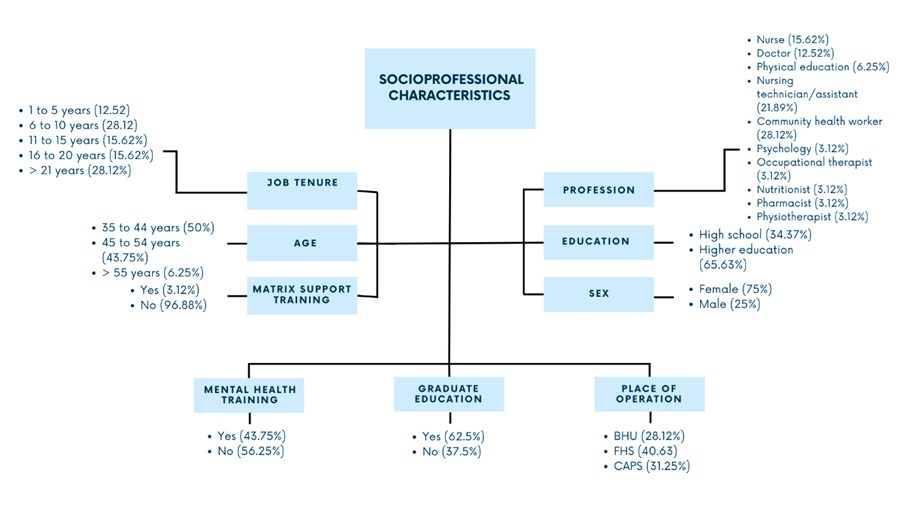
Figure 1. Presentation of health professionals. Manaus (AM), Brazil, 2023.
Data production
The data were produced through semi-structured interviews, preceded by a visit to the sites to present the research to unit managers. Subsequently, in personal contacts, professionals were invited to participate, being informed about the research objectives, and those who accepted signed the Informed Consent Form (ICF).
The interviews, guided by a script, were conducted by the main researcher, in person, at the workplace and at a time indicated and requested by participants, without any detriment to service, in August 2022. The average duration was 45 minutes. The interviews were audio-recorded with participants’ permission for later transcription and categorization in full by the same researcher. The recorded materials were stored on a flash drive/external HD and destroyed when data analysis was completed.
Data analysis
Previously, all transcribed interviews were entered into the Atlas-ti version 22.1.5.0 software, composing a hermeneutic unit. The data characterizing participants were treated separately. The data were ordered and categorized in the software in successive readings and reviews by two researchers. The process was guided by the thematic analysis technique proposed by Braun and Clarke,17 in the following stages: 1) familiarization; 2) generation of initial codes; 3) search for topics; 4) review of topics; 5) definition of topics; 6) reporting of ideas. Stages 4 and 5 occurred in four rounds of analysis (consecutive moments of return to the data and discussion between pairs of researchers until consensus was reached), until the final configuration of the code network. The conceptual framework, centered on the concept of matrix support as a care device in MH, anchored the analytical process and referred to the overlaps with other concepts and devices that are integrated into the understanding of RAPS. In this regard, there was a prior delimitation of topics to be sought (conceptual or deductive categories, which referred to conditions, results and ways of carrying out matrix support) and, also, openness for the emergence of new topics (inductive categories and details in subcategories).
From the process of reading and pre-analysis of the corpus, 664 excerpts from the interviews were selected, identified according to their topic, in 20 codes (codes in Atlas-ti), related or articulated to six large categories or thematic networks. The categories were then analyzed in depth, and all the codes underwent improvements (clarity of naming) and groupings (new aggregations by similarity) so that the 17 codes were organized into groups or subcategories.
Ethical aspects
The study complied with current ethical recommendations and was approved by the Universidade do Estado do Amazonas (UEA) Research Ethics Committee (CAAE 59703922.2.0000.5016 and Opinion 5,540,011/2022). Moreover, the research followed the guidelines of Resolution 466/12.18 To preserve anonymity, the following coding was used: A 01 to 10 (for CAPS); B 01 to 09 (for BHU); C 01 to 06 (for FHS 1); and D 01 to 07 (for FHS 2). The acronym of the letter of interviewees’ profession was also used (NUR = nurse; D = doctor; PE = physical educator; PS = psychologist; OT = occupational therapist; N = nutritionist; P = pharmacist; PT = physiotherapist; NT = nursing technician; NA = nursing assistant; and CHW = community health worker).
RESULTS
The results were divided into six thematic categories, presented in Figure 2, which indicate their composition in terms of codes/subcategories and magnitude (number of interview excerpts that comprise them).
|
|
Categories |
Codes/subcategories |
Magnitude |
|
MATRIX SUPPORT |
The lived and the reflected |
2 |
116 |
|
Necessary conditions |
3 |
108 |
|
|
Obstacles |
6 |
244 |
|
|
Facilitators/enhancers |
3 |
50 |
|
|
Envisioned impacts |
2 |
55 |
|
|
Technological demands |
1 |
89 |
|
|
|
|
17 |
662 |
Figure 2. Categories, subcategories and magnitude of results. Manaus (AM), Brazil, 2023.
The category “Experience and reflection on matrix support” addresses the understanding and experiences of professionals on the topic. Initially, it is evident that there is a broad lack of knowledge about what matrix support is, especially in BHU, precisely because it is impossible to link its applicability to concrete experiences.
I’ll be honest, this is the first time I’ve heard this word. It’s new to me, I might even know what it is, but with a different word. (C 01 CHW)
I understand that it’s like following a logic. With patients coming to you with their reports, you follow a path until you reach a possible diagnosis [that] will open up a range of possible therapeutic options, both medication and non-medication. [...] they’ll tell you, “Look, up to a certain point, it’s up to you, clinician, and up to a certain point, it’s better for you to send them to a CAPS”. (B 09 D)
It certainly hasn’t happened. In fact, it’s never happened. And I’ll go further, it’s hard for it to happen, due to all the problems that have come with it... over the years. It’s very hard for it to happen, but it would be very interesting if it did. (D 05 NT)
On the other hand, CAPS professionals report experiences of “real support matrix”, which seem to conflict with the reports from BHU.
Yes, several patients. This is done in conjunction with the doctor. We created a document so that patients don’t leave here, let’s say, empty-handed. They leave here with this document stating that they are discharged from CAPS [...] that they will continue their treatment at a BHU or polyclinic. I continue to provide matrix support, it’s frequent. (A 01 PE)
Yes, dozens of patients have been matrixed to less complex units. Generally to Basic Health Units or polyclinics. This year, it’s hard to say a specific number, but probably about two matrix supports per week. (A 05 D)
The category “Conditions required for matrix support” refers to professionals’ perception of what would be the main points for the functionality of matrix support in Primary Care, i.e., they represent necessary requirements for matrix support. In professionals’ statements, it is possible to observe aspects that are linked to communication (between teams and points of the network for effective integration), to professionals (knowledge, training, empathy) and to organizational and political conditions (effective territorialization/decentralization, flows/protocols, greater number of professionals and services, support networks and discussion forums between points of the network).
Conditions related to communication
CAPS staff should get in touch with us. Look, Mrs. so-and-so, she lives on such-and-such a street, and she will be monitored by you, [...]. So, I would have already known that that lady, she came from CAPS and was advised to continue her treatment here. (D 04 CHW)
It’s not like that, because I want to provide support, and it will not be provided through support. First, the patient who is stable, who has been at CAPS for a long time, goes to the meeting. [...]. It would be good to contact that unit to say that a patient like that is coming, to continue the treatment like this, like that, like that. We do it, but it’s very little. Lately, we haven’t done it. (A 01 PE)
So, I think this transmission of expertise, of the experiences of people who work in more complex services to people who work in less complex services is extremely important. (A 05 D)
Conditions related to professionals
[about courses offered] unfortunately, it does not reach everyone. In addition to training doctors for doctors, there would be a need for training for other professionals on the team as well, such as nurses, CHWs, social workers, and receptionists. (A 02 PS)
I think that better training for Primary Care professionals in relation to mental health, with good reception, is needed so that some paradigms and stigmas that exist in relation to mental health are broken. (A 07 PE)
They are not prepared to care for people who suffer from mental disorders. [...] to care for, to serve, to assist this public, this clientele. There is a lack of education, a lack of training. (A 08 OT)
Organizational and political conditions
Today, mental health support matrix is far from what it really should be, because unfortunately our mental health is not territorialized. I am talking about one CAPS, while there could be 20 or more. We are a CAPS for three areas of the city and sometimes the countryside. (A 02 PS)
First, there has to be someone to support us. For instance, if we have a problem here, who can we turn to? [...] once there is someone to help, we will be able to do it, and in fact, we even try to do it, but we fall into the situation of human beings. (D 05 NT)
According to mental health protocols, at least three consultations with a general practitioner at BHU should be carried out. After the consultations, if there is no improvement, patients are referred to a psychiatrist at the polyclinic. We created a flow. This has helped a lot, but they haven’t come back. Since the pandemic, they haven’t come back. (A 01 PE)
Look, it’s very simple, we need to have more psychiatrists and more psychologists. [...] because the demand is very high, and there are few professionals. (B 06 NT)
I believe that inter-institutional meetings would be very important. So, I think that intersectoral meetings of these people should be held on a regular basis. [...] because those who provide care really know what the difficulties are and the best paths for clinical practice. (A 05 D)
The category “Obstacles to matrix support” refers to a set of difficulties reported by professionals for matrix support to occur, i.e., they represent limiting situations and problems to be faced. It is important to highlight that, in many ways, the limit was not exclusively attributed to matrix support, but to MH care, which concerns difficulties in organizing care, such as excessive demand, inefficient flows, gaps in points of the care network (psychiatric emergency), dependence on the Brazilian National Regulatory System (In Portuguese, Sistema Nacional de Regulação - SisREG), bureaucracy and communication failures.
Only those who have actually experienced reality... can see this side, because, up until now, it is very beautiful. In practice, it was really very important [...] it brought a lot of dignity to mental health users. However, the issue of emergency care remained open. (B 07 NUR)
It is something that is still far from being achieved, because most professionals are scheduled by SisREG. Psychologists, SisREG. Occupational therapy, SisREG. Therapies, SisREG. Speech therapist, SisREG. And so, everything depends on a system. (B 07 NUR)
We refer patients through SisREG. What I notice a lot is that there is a lot of bureaucracy. [...] I refer patients [describes the clinical picture]. I put all this in and, sometimes, they come back and give another justification. All this takes time. A patient who should be seen quickly. (B 08 D)
Difficulties in implementing care principles, i.e., when there is no possibility or effectiveness of those principles that should function as major guides for action and organization, such as comprehensiveness, continuity of care, connection to the territory and service, and information.
Their resistance to leaving here, because here they leave the office and can already schedule an appointment [...]. They become institutionalized here at CAPS, because here everything is made easier for them, while outside, it is not. (A 09 P)
If we think about the comprehensive health of this patient, we know that it is not just medical care, right? They need leisure options, physical activity, relationships with the community [...] these are necessary devices for us to think about the comprehensive health of individuals. And this difficulty applies to the entire population of Manaus, but it needs to include patients who have serious mental disorders. [...] (A 07 PE)
Difficulties linked to the shortage of professionals and working conditions refer to the insufficient number of professionals, leading to overload, inadequate work spaces/structures and shortage of supplies/medicines or support materials.
There is definitely a lack [of specialized professionals]. If you had twice as many as you have, I would say, even three times as many, the service would flow much more efficiently. (B 06 NT)
Another thing is medication. We have good medications (citing the names). I think they solve most cases, but they are lacking. And then patients don’t buy them because they don’t have the money. So, we shouldn’t fail at the basics. (B 09 D)
We are not in a position to work because we already have other things to do, other indicators [...]. They ask for an indicator, we run after it, then they ask for another, then they ask for another, we leave everything half done. (D 03 CHW)
Difficulties related to training involve a lack of knowledge (recognized in oneself and in the team) about the care network and the object of work in MH, which is linked to or reinforced by limited views on psychological suffering (previous subcategory).
We have to have this focus, this judgment. If we don’t have it, how can we work? Just the basics here? And in the future, how are we going to indicate? Where to? There is a lack of knowledge... where to refer, where they are going, how to conduct, how to get there. (D 03 CHW)
And there are teams that also thought this, and then they destroyed this image. [...] because the staff of these places themselves refused - we don’t want them, because they are difficult patients and we are not prepared. They don’t feel prepared to receive these people. It’s really a lack of training. (A 09 P)
For this to happen, there needs to be training, updating, talking about the network, because it’s still unknown. I think that, yes, I’d rather think it’s unknown than that professionals really aren’t involved in this area, which is as important as all the others. (A 10 NUR)
Difficulties linked to views and feelings regarding MH refer to stigma, prejudice, fear and resistance in working with this user.
Because people are very prejudiced. If you talk to a psychiatrist or psychologist, they will say - I’m not crazy. Why are you sending me there? (D 07 NUR)
So, they are full of unrealistic ideas, full of fantasies and even prejudices, which are born of ignorance and lack of knowledge. I’m using the term “ignorance” with the fact of not knowing and not experiencing that, right? (A 05 D)
I think that’s what makes it difficult in the network, at the end. The stigma of mental health? Oh, are you crazy? No, it’s not here, go to the CAPS. (A 06 N)
Difficulties linked to PMD refer to elements that interact with each other to maintain the PMD’s situation, such as the lack of guarantee of their rights, the lack of interest and/or limits on self-care and family support, and social, economic and cognitive conditions.
Goodwill from all professionals involved, everyone, from the nurse, social worker, nursing technician, neighbor, priest, pastor, anyone who has the good will to reinsert this patient, ensuring their quality of life and their rights. (The 2nd PS)
It is rare to come back, but they do. The reason sometimes is patients themselves, who did not even come to get them. When I confront them, “Which unit was it? Which professional attended to you? I’ll call there”, then people change. Then you see that it was the patients themselves, out of convenience. (A 06 N)
The category “Facilitators/enhancers” refers to some existing activities and structures that facilitate support matrix. It is clear from professionals’ statements that the main facilitators are related to facilitators linked to professional relationships and commitment, such as goodwill, team communication and professional empathy.
The factors that facilitate support matrix are the willingness of the professionals involved to want to provide mental health care, warm networking (counting on the help of a co-worker). The willingness of all the professionals involved, everyone, from the nurse, social worker, nursing technician, neighbor, priest, pastor, anyone who has the good will to reintegrate this patient. (A 02 PS)
This integration that I started to see in a positive way in some units that are already receiving our patients without any problems, because they had this contact with us. They saw the stages that patients go through here [...] that they are not the kind of patient who leaves here who is problematic, who will cause problems for them. (A 09 P)
Strategic and instrumental facilitators refer to instruments that exist in the service and that, according to professionals, have helped in support matrix. Among them, we can mention access to the service, active search, form creation, prescription renewal, qualified listening room and team meeting.
With the emergence of SisREG [referring to scheduling through the Brazilian National Regulatory System] for psychiatry, this has improved. I think it has improved patients’ reluctance to leave here, you know? In SisREG, you put them in and they wait, before they didn’t. (A 06 N)
They should be listened to, given the same level of listening as they do to a general practitioner, or to an orthopedist (referring to PMD). They don’t, I don’t see it. When they come like this, they go to Dr. X to renew their prescription... when I’m listening, I ask, “What’s the reason for the consultation?” Oh, I came to renew my prescription. (B 02 NA)
When we capture this patient during the listening [...] in the qualified listening room, from time to time, one appears, and we try to capture and direct them to Dr. X. Always to him, because we know he took the course. (B 03 NT)
It is clear that even some instrumental facilitators are due to the team’s commitment and interest in improving support matrix, collectively striving to develop instruments and strategies.
Yes, this Matrix Support Term was created here by several hands by the transdisciplinary team in the Friday meetings [...] this is the first instrument we used for matrix support. (A 05 D)
We talked about our difficulties, we established some things that we need to study and better understand. Like the procedures, how PTS and matrix support should be, so that we can study and really empower ourselves. (A 04 PT)
Facilitators related to qualification reinforce what was described in terms of difficulties, this time reporting positive effects observed after qualification of some professionals.
I think that Dr. X took the course, because since he has taken it, we direct everything to him. [...] three clinicians, but we only direct them to him, because I know he has the training. I myself have already brought a relative of mine to talk to him, and he directed them to CAPS. (B 03 NT)
A course was held with the psychiatrist here with some clinicians from the BHU. It didn’t cover everyone because there are so many. It improved a lot, the schedule here was very full. [...] it helped a lot, because the general clinicians didn’t want to see anyone with anxiety or anything related to mental health. Like, mental health is CAPS. And with that, our schedule here was a little lighter. (A 01 PE)
The category “Envisaged impacts – improvement of care” highlights the ways in which the positive impacts of matrix support are captured in terms of improvements in the quality of care. Such improvements refer to instruments and therapeutic actions in MH, which are linked to the Singular Therapeutic Project, group activity, home visit, case discussion, reception and qualified listening, support for PMD and family, team meeting, i.e., a set of new practices promoted from support matrix.
We refer them there (referring to CAPS), but we continue to visit them, to accompany them in what they need here. In what they need from us, we are here to help, to guide them. (C 01 CHW)
Listening and welcoming improve this care. There are private patients who are followed up here. [...] qualified listening, I really like it, talking and knowing what they are feeling and being able to help. (C 03 D)
Not only them, but also their family members, because anyone who has a mentally ill person at home will need all the support they need, because if they don’t have it, they will end up getting sick too. So, the way a mental health patient is looked at is not just for them, but for their family as well. What support does this family have? (B 07 NUR)
In relation to improving assistance, organizational/service instruments and actions are linked to resolution, reserved spaces and adequate time for consultation, integrated system and continuity of assistance ensured.
We are happy when we see the results. When we work together and see that patients with mental health problems are improving every day due to your monitoring, the monitoring that you went to as a health worker to visit, the monitoring of the nurse who also visited you, provided care and transferred you to CAPS during the consultation. (C 05 CHW)
As for professionals, I don’t see any problems, you know? They know how to identify them, they know how to manage them. They even give us more attention, if it appears, we give it priority [...] even if it’s not scheduled, we find a way to resolve the situation, you know? (D 05 NT)
Because here at CAPS it’s like this: when you leave the office, you go to reception and leave with your appointment booked, and you leave with your appointment on your card. This is a great convenience, so much so that when they come back, they say, “But here it was so easy for us to book an appointment.” They want this convenience. We explain, no, CAPS is a halfway house. (A 01 PE)
The category “Technological demands for matrix support” refers to technological innovations or the simple implementation of traditional educational strategies and technologies that, in interviewees’ perception, would support professionals in matrix support. This category was directly stimulated by means of a specific question. In a way, it reinforces elements already addressed in other categories, such as demands for training, but details aspects of operationalization, methods or possible strategies for this.
In general, it is clear how these demands are almost exclusively focused on information/education and how they are the focus of controversial positions – the same type of technology that is suggested by some is criticized by others. This is already evident in the elements encompassed in digital/printed/audiovisual technologies (folder/poster, video, mobile phone application, telemedicine, web conferencing and electronic medical records).
I think that the folders and posters can help. For instance, a patient comes in complaining and we look to the side and there is the subject that they are complaining about, like a cheat sheet. (C 03 D)
But if we want to go into more detail, I think it is a cell phone application. Cell phone applications that give you, like, points, related to pathology X or Y. That are easy to access and everyone has them at the time, and you can consult as a patient next door sometimes. (B 09 D)
Because in the past we would go out, every week we would have a meeting, a training [...] now they have those web conferences. Every Wednesday afternoon we already have the time. I think that mental health could also start there, you know? (D 07 NUR)
The greatest magnitude of citations refers to training and qualifications, in addition to emphasizing recurring findings, expressing the limitation regarding the glimpse of other technologies. On the contrary, there is an appreciation of the opportunity for meeting and discussion that continuing education actions could provide.
I’m an analog guy. I think that nothing replaces the “tête-à-tête”, the physical one. I really think about training. I had a very positive experience with the training courses that were held and that I had the pleasure of giving to fellow doctors. And one of the things that becomes clear when we talk, not with fellow doctors, but with other professionals at the Basic Health Unit, is the eagerness for knowledge [...] (A 05 D)
Any training. They need to improve. There’s a lot of talk and they don’t act as they should. I think it’s not just about talking, you have to act. Not just about leaving it anonymous. Oh, I’m going to put this training course here, and it’ll stay here. They’ll have to figure it out for themselves, it’s not like that. (D 04 CHW)
When encouraged to detail potential technologies, suggestions focus on content, formats or even on impressions and generic characteristics about this necessary but little-envisaged technology.
In day-to-day life, I think it really is a question of continuing education. I don’t think they read the brochure. Yes, it’s difficult, due to the daily routine. [...] videos are sent via WhatsApp. WhatsApp is super important, but videos... I’m lazy and I don’t open them. Oh, the director sent this long text here. It really has to be a hands-on effort, something that isn’t boring, something that’s quick, objective, that has a solution and feedback for patients. (B 07 NUR)
A little bit of everything for us to learn about, the network, support matrix, how it works. A little bit of knowledge to help us. (C 06 CHW)
A presentation of the functionality of the service – the flow, qualified listening – humanized care in the reception. [...] at least, to know how to refer a patient to CAPS when it is really a CAPS case. If it is theirs, let their clinician absorb it there, because they have to understand that mental health is also part of Primary Care, it is not something exclusive to the specialty, to CAPS. (A 09 P)
Figure 3 represents the final synthesis of results and the articulation of the different categories and codes in an analytical map.
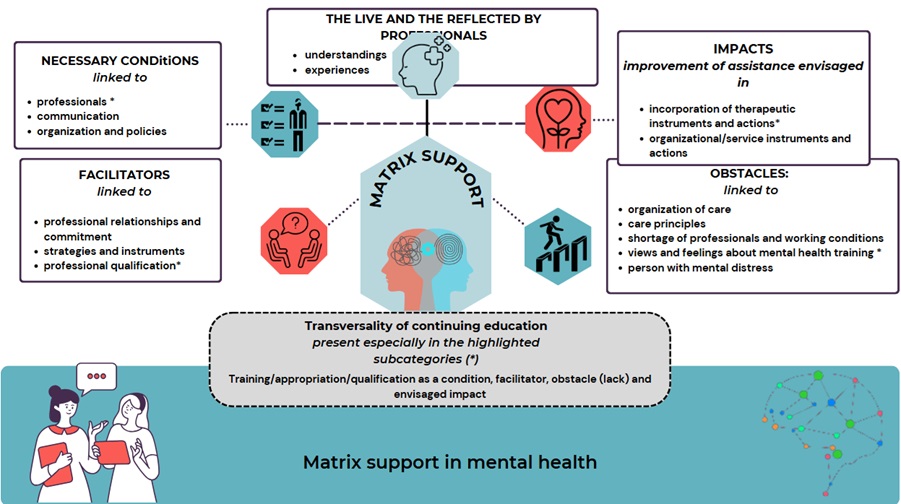
Figure 3. Articulation of different categories and codes in an analytical map. Manaus,(AM), Brazil, 2023.
DISCUSSION
The study also showed that limited knowledge about matrix support ends up making it difficult to face the challenges in its operationalization, such as understanding the team’s potential. It was confirmed that there are different understandings between the matrix (specialized) and reference (PHC) teams about what matrix support is and its function, resulting in conflicting expectations and implications for the assistance to users and family.19 It was evident that, as in the literature, there are also knowledge gaps about matrix support and difficulties in recognizing MH actions that must be developed by PHC health professionals.20
The obstacles reported for implementing matrix support were similar to other studies: weaknesses in the network articulation; difficulties in meeting the demands of MH in the various RAPS devices; work overload; and resistance from users and some professionals regarding the discharge processes for matrix support, resulting in long stays in specialized service.2,21
There are also results consistent with problems already highlighted in the literature, when PHC professionals refer to a fragile MH network that does not offer sufficient support for crises, does not favor interaction between teams and, much less, provides knowledge on the topic.22 Deficiency in theoretical scientific knowledge generates insecurity when acting in situations involving mental distress.1 The false premise that PMD is the sole responsibility of specialized services leads to early referrals to CAPS, in addition to excessive demand for them.20 Fear, the social stigma of madness and prejudice still permeate the teams’ experience.23 Such difficulties faced by PHC teams weaken their ability to listen, welcome and create bonds, which can make comprehensive care for users with mental health problems unfeasible.24
They also coincide with the findings of this study regarding existing infrastructure in health services being insufficient and inadequate for implementing matrix support in MH,25 which adds to the persistent challenges for its implementation.26
The results of this study showed factors similar to those previously mentioned in the literature, i.e., the difficulties reported confirm the challenges faced in strengthening support matrix in MH. Given the peculiarity of the setting studied, the need to promote training to reverse the deficits in the scientific theoretical construction of health professionals on the subject was highlighted. Furthermore, the insufficient number of CAPS in the city of Manaus (only three Adult CAPS, two managed by the municipality and one by the state) and the lack of vacancies in the schedule of professionals in specialized services offered by SisREG of Amazonia have caused delays in releasing consultations and maintaining users in specialized service.
The conditions identified as necessary represent the counterpoint to obstacles and vice versa. At the same time that the results pointed to difficulties in care and matrix support in MH due to the lack of training, the conditions linked to professionals, such as knowledge, preparation and support, are also recognized. If there are difficulties due to high demand, a shortage of professionals and services, these conditions also re-emerge as necessary: an increase in the number of professionals and services or more functional and integrated flows. Thus, there is a coherence in the professional narratives and a recurrence of topics that confirm a relatively shared meaning/trajectory. It may be impossible to speak of unified or homogeneous experiences and conditions, but the internal consistency of the findings does not allow us to disregard the fact that many limits and weaknesses of some are also shared by all, i.e., they show the reality of an entire network.
Studies show that existing conditions need to be improved to consolidate MH care, since they face weaknesses in professional training, lack of interest in this type of care, fragmentation of care, poorly consolidated health promotion practices, generic guidelines and lack of detail on care flows and the type of therapeutic approach to be used in each situation as major obstacles to care.21,27 There is also a lack of communication between professionals and the punctuality of these actions by a small number of professionals.28
As for the limits and potential of collective work, a key element of the basic concept of the analytical framework, since matrix support is a device for collaborative care, the interdisciplinary team is recognized as a condition for the breadth of care and the potential to reach subjects and their collectives in their entirety. Interdisciplinarity surpasses multiprofessional and multidisciplinary activities, by providing transformative practices. In the field of public health, the interdisciplinary team enables comprehensive care and favors the relationship between knowledge in the production of care that goes beyond the focus on the disease, helping the view between two subjects: the one who offers care and the one who provides care.4
However, the interdisciplinary attitude suffers in the field of MH care due to obstacles related to professionals who maintain a biologist and medical-centered vision (traditional psychiatry), due to the lack of knowledge and/or continuing education (CE) in MH,22 which was another finding that converged with other studies. Professional training guided by this model fragments individuals and loses the ability to serve them as a whole, making them less skilled in dialogue with different fields of knowledge. Overcoming the biomedical model occurs through the qualification of PHC professionals and through the recognition of the value of the different fields of knowledge and the dedicated interaction between them.29
However, for interdisciplinary actions to be carried out, a favorable environment and reserved space in the service agenda are necessary for different professionals to express themselves, combine and discuss their positions and differences.30
Regarding the results gathered in the category “Facilities for matrix support”, with a magnitude about five times smaller than in obstacles, some points deserve to be highlighted: the fact that they fall on the team, both in terms of qualification and in terms of personal commitment and favorable relationships; the fact that they highlight instruments and strategies for care and work organization that do not always relate exclusively to attention to MH. For instance, a qualified listening room and team meetings are strategies for the entire PHC, and are expected to generate obvious positive effects on MH care – they do not mean a special look or instrument for this user and may, depending on the location, mean little to them. What appears to be shown in the study and in the cross-sectional analysis of its results is that such facilitators are specific advances and still insufficient when it comes to what is desired in terms of the articulation of MH in Primary Care.
The literature supports this understanding, when describing how health professionals continue to arrive unprepared for work in MH or mobilize in search of knowledge, taking over the role of trainers, organizing seminars, courses and other more participatory educational strategies (workshops, forums) with topics chosen by the collective on MH and matrix support.30
One result, not addressed in a specific category, but transversally throughout the study, refers to CE, expressive in different categories, as an obstacle, condition, facility (only identified in a few professionals and services) and, in particular, as the object of most technological demands. Professionals do not feel prepared or supported to care for PMD, as they recognize the fragility of the care provided and perceive what can be considered a type of helplessness due to not knowing what it is, how to do it and what to rely on. This refers to support matrix and, to a large extent, to the entire MH. Despite the directness of data collection, in many cases it became difficult to distinguish the statements about these two points. Furthermore, although the adopted framework presupposes the concept of CE according to the complexity given in specific Brazilian policies and consistent with RAPS assumptions, participants’ statements often seemed to reduce CE to professional training.
In this sense, the study assumes the idea of CE as an educational process dedicated to analyzing and modifying the daily work routine, through the creation of collective spaces for reflection and production of learning based on gaps identified by teams.5 Therefore, CE concepts and activities guide, in everyday life, actions aimed at practical and transformative knowledge based on interdisciplinarity. Moreover, they are important for health workers to rethink their practices and transcend their specific training4 to achieve interdisciplinary attitudes capable of expanding understandings about the subject beyond the opposition of the biological and social, focusing on comprehensiveness.29
Despite this recognition, most health workers do not perceive CE in health in the service, not even in the form of updating to work in the area of MH.26 MH care requires the use of innovative and engaged educational technologies, but for this to occur, there is a need to reinforce matrix support actions, through training, to improve the autonomy of professionals in the face of this demand.8
It is worth highlighting the study limitations regarding the lack of consultation with other important stakeholders, such as users and family members, which can be recommended for future studies. Furthermore, it is necessary to consider the temporality of the findings, which are always impacted by situations at the time of collection, whether they arise from local policies, which were not the subject of analysis, or from the scenario of services in the final phase of the pandemic.
CONCLUSION
The implementation of matrix support represents an opportunity to implement comprehensive health care, in addition to providing significant opportunities for developing the skills of all professionals involved. Access to information and sharing of experience are fundamental to operating new care strategies, in processes that increase mutual accountability and strengthen interdisciplinary collaboration.
By exploring professionals’ knowledge and experiences regarding matrix support in MH, this study draws attention to problems that cannot be neglected in the consolidation of RAPS. A logical and coherent network of factors articulated obstacles and facilitators, necessary and felt conditions, sometimes amidst the lack of a foundation that would allow paths to be built or amidst the lack that does not inhibit feelings of insufficiency, sensitivity to what is being suffered and a glimpse of possible impacts.
The desire of health professionals for improvements in the care provided to people with mental health problems places CE as a path yet to be promoted for the consolidation of matrix support in MH. The implementations provided for in official documents and proposals have not yet been felt in the practice of most professionals, and matrix support in MH remains poorly understood and implemented. Without it, the limits for comprehensive and inclusive MH care in PHC weigh even more heavily.
This research demonstrated that PHC professionals recognize the weaknesses of knowledge in the field of MH, reporting a lack of knowledge regarding matrix support in MH and RAPS. They understand the need to qualify as a condition to favor the praxis of promoting comprehensive care for PMD, but they limit the challenges of CE from the interdisciplinary team’s perspective to the provision of courses and training opportunities. It is expected that the results will contribute to the sharing of knowledge and experiences among professionals, managers and academics involved in the construction and articulation of RAPS. Further studies are needed to broaden the understanding of the matrix and reference team about the potential of CE on the subject as a way of fostering knowledge, especially with regard to consolidating the implementation of matrix support in MH in PHC. It is reinforced that the implementation of RAPS can represent advances in achieving SDG 03, because MH and access to qualified services that promote it are inalienable from people’s health and well-being.
CONTRIBUTIONS
All the authors contributed to the development of the study, survey and data collection was carried out by the main author, and in the Other other stages, such as planning, analysis, discussion of the data, writing, reviewing and approval of the final version of the manuscript, all the authors participated.
CONFLICTS OF INTERESTS
Nothing to declare.
FUNDING
Fundação De Amparo À Pesquisa No Amazonas - POSGRAD/FAPEAM; Conselho Nacional de Desenvolvimento Científico e Tecnológico- CNPq (Scholarship Pq); Amazonas State University (ProVisit).
ACKNOWLEDGMENT
We would like to thank the Manaus Municipal Health Department for their support during data collection.
REFERENCES
- Almeida DR, Soares JNC, Dias MG, Rocha FC, Neto GR de A, Andrade DLB. Care for carriers of mental disorder in primary care: an interdisciplinary and multiprofessional practice. Rev Pesqui Cuid é Fundam Online. 2020;420–5. DOI: https://doi.org/10.9789/2175-5361.rpcfo.v12.8388
- Sampaio ML, Bispo Júnior JP. Rede de Atenção Psicossocial: avaliação da estrutura e do processo de articulação do cuidado em saúde mental. Cad Saude Publica. 2021;37(3). DOI: http://dx.doi.org/10.1590/0102-311x00042620
- Carlos MM, Gallassi AD. Práticas de articulação de rede na atenção psicossocial: quais desafios enfrentam os profissionais para matriciar, reunir-se e encaminhar? Interface (Botucatu). 2024;28:e230651. DOI: https://doi.org/10.1590/interface.230651
- Giacomini E, Rizzotto MLF. Interdisciplinaridade nas práticas de cuidado em saúde mental: uma revisão integrativa de literatura. Saúde em Debate. 2022;46(spe6):261–80. DOI: http://dx.doi.org/10.1590/0103-11042022e623
- Sousa MA, Medeiros RB de. Educação Permanente em Saúde como estratégia de matriciamento em Saúde Mental. Rev APS. 2024;26:e262340910. DOI: http://dx.doi.org/10.34019/1809-8363.2023.v26.40910
- Da Silva MM, Da Silva PE, Da Silva JB, Leite VT. O matriciamento em saúde mental e a participação dos trabalhadores: o relato de uma experiência em meio à pandemia de COVID-19. Saúde em Redes. 2021;7(1Sup):155–64. DOI: http://dx.doi.org/10.18310/2446-4813.2021v7n1supp155-164
- Saraiva SAL, Zepeda J, Liria AF. Componentes do apoio matricial e cuidados colaborativos em saúde mental: uma revisão narrativa. Cien Saude Colet. 2020;25(2):553–65. DOI: http://dx.doi.org/10.1590/1413-81232020252.10092018
- Fagundes GS, Campos MR, Fortes SLCL. Matriciamento em Saúde Mental: análise do cuidado às pessoas em sofrimento psíquico na Atenção Básica. Cien Saude Colet. 2021;26(6):2311–22. DOI: http://dx.doi.org/10.1590/1413-81232021266.20032019
- Coelho Sampaio T, Santos da Silva EC. Potencialidades do matriciamento em saúde mental: revisão narrativa. Cadernos ESP. 2022;16(3):62–74. DOI: http://dx.doi.org/10.54620/cadesp.v16i3.737
- Santos AM, Cunha ALA, Cerqueira P. O matriciamento em saúde mental como dispositivo para a formação e gestão do cuidado em saúde. Physis. 2020;30(4). DOI: http://dx.doi.org/10.1590/s0103-73312020300409
- Gouveia AO de, Paes CL de A, Santos VRC dos, Ferreira IP. Matriciamento em saúde mental na atenção primária: Uma revisão integrativa da literatura. Res Soc Dev [Internet]. 2021;10(5):e26610514483. DOI: http://dx.doi.org/10.33448/rsd-v10i5.14483
- Athié K, Fortes S, Delgado PGG. Matriciamento em saúde mental na Atenção Primária: uma revisão crítica (2000-2010). Rev Bras Med Fam Comunidade . 2013;8(26):64–74. DOI: http://dx.doi.org/10.5712/rbmfc8(26)536
- Iglesias A, Avellar LZ. Matriciamento em Saúde Mental: práticas e concepções trazidas por equipes de referência, matriciadores e gestores. Cien Saude Colet. 2019;24(4):1247–54. DOI: http://dx.doi.org/10.1590/1413-81232018244.05362017
- United Nations. Sustainable development goals: 17 goals to transform our world [Internet]. 2015 [cited 2024 Set 10]. Available from: Available from: http://www.un.org/sustainabledevelopment/sustainable-development-goals/
- Rodrigues TDFF, de Oliveira GS, dos Santos JA. As Pesquisas Qualitativas E Quantitativas Na Educação. Rev Pris [Internet]. 2021 [cited 2023 Out 12];2(1):154–74. Available from: https://revistaprisma.emnuvens.com.br/prisma/article/view/49
- Saunders B, Sim J, Kingstone T, Baker S, Waterfield J, Bartlam B, et al. Saturation in qualitative research: exploring its conceptualization and operationalization. Qual Quant. 2018;52(4):1893–907. DOI: http://dx.doi.org/10.1007/s11135-017-0574-8
- Braun V, Clarke V. Using thematic analysis in psychology. Qual Res Psychol [Internet]. 2006;3(2):77–101. DOI: http://dx.doi.org/10.1191/1478088706qp063oa
- Brasil. Ministério da Saúde. Diretrizes e normas regulamentadoras de pesquisas envolvendo seres humanos. Conselho Nacional da Saúde. Resolução no 466. Diário Oficial da República Federativa do Brasil.
- Bispo Júnior JP, Moreira DC. Núcleos de apoio à saúde da família: concepções, implicações e desafios para o apoio matricial. Trab Educ Saúde. 2018;16(2):683–702. DOI: http://dx.doi.org/10.1590/1981-7746-sol00122
- Vasconcelos MS de, Barbosa VFB. Knowledge of managers and professionals of the psychosocial care network on mental health matrixing. Ciênc Cuid Saúde. 2019;18(4). DOI: http://dx.doi.org/10.4025/cienccuidsaude.v18i4.43922
- Braga FS, Olschowsky A, Wetzel C, Silva AB da, Nunes CK, Botega M da SX. Nurse’s means of work in the articulation of the psychosocial care network. Rev Gaucha Enferm. 2020;41(spe). DOI: http://dx.doi.org/10.1590/1983-1447.2020.20190160
- Xavier GG. Atenção à crise psíquica na rede de atenção psicossocial de Francisco Morato [Trabalho de Conclusão de Curso]. Belo Horizonte: Universidade Federal de Minas Gerais; 2022. Available from: https://docs.bvsalud.org/biblioref/2023/03/1419030/tcc-gabriel-gondinho-xavier.pdf
- Evangelista AL de P, Frota AC, Torres RBS, Barreto IC de HC. Residência integrada em saúde mental: cuidado à rede de atenção psicossocial. Rev bras em promoção saúde. 2018;31(4). DOI: http://dx.doi.org/10.5020/18061230.2018.8774
- Pereira RMP, Amorim FF, Gondim M de F de N. A percepção e a prática dos profissionais da Atenção Primária à Saúde sobre a Saúde Mental. Interface. 2020;24(suppl 1). DOI: http://dx.doi.org/10.1590/interface.190664
- Sanine PR, Silva LIF. Saúde mental e a qualidade organizacional dos serviços de atenção primária no Brasil. Cad Saude Publica. 2021;37(7). DOI: http://dx.doi.org/10.1590/0102-311x00267720
- Bigatão M dos R, Pereira MB, Campos RTO. Ressignificando um Castelo: um Olhar sobre Ações de Saúde em Rede. Psicol Ciênc Prof. 2019;39. DOI: http://dx.doi.org/10.1590/1982-3703003185242
- Sousa SB de, Costa LSP, Jorge MSB. Cuidado em saúde mental no contexto da atenção primária: contribuições da enfermagem. Rev Baiana Saúde Pública. 2020;43(1):151–64. DOI: http://dx.doi.org/10.22278/2318-2660.2019.v43.n1.a3024
- Campos DB, Bezerra IC, Jorge MSB. Mental health care technologies: Primary Care practices and processes. Rev Bras Enferm. 2018;71(suppl 5):2101–8. DOI: http://dx.doi.org/10.1590/0034-7167-2017-0478
Correspondência
Andreia Fernandes de Oliveira
E-mail: deiaf@yahoo.com.br
Copyright© 2024 Revista de Enfermagem UFPE on line/REUOL.
Este é um artigo de acesso aberto distribuído sob a Atribuição CC BY 4.0 Creative Commons Attribution-ShareAlike 4.0 International License, a qual permite que outros distribuam, remixem, adaptem e criem a partir do seu trabalho, mesmo para fins comerciais, desde que lhe atribuam o devido crédito pela criação original. É recomendada para maximizar a disseminação e uso dos materiais licenciados.
 Português (Brasil)
  English
  Español (España)