Idioma
Prevalence of burnout among nursing professionals in intensive care units after Covid-19: scoping review
 Alex Becker1, Daniele Delacanal Lazzari2, Francine Carpes Ramos3, Nicasio Urinque Mendes4, Daniele Cristina Perin5, Danielle Martendal6, Dionatha da Luz7
1,2,3,4,5,6,7Federal University of Santa Catarina. Florianópolis (SC), Brazil.
Introduction
Occupational stress, which arises from the professional context of nursing teams in Intensive Care Units (ICUs), can trigger various physical and psychological pathologies, negatively affecting work, especially since these professionals are responsible for the direct care of critically ill patients.1 The constant exposure to stressors in the workplace makes nursing a profession with significant physical and emotional challenges. These professionals are required to provide care, make decisions, work in teams, and manage activities, all of which increase stress and adversely impact their physical and mental health.2
First described in the 1970s, burnout syndrome (BS) is a prolonged response to chronic emotional and interpersonal stressors in the workplace, characterized by emotional exhaustion, depersonalization, and reduced professional efficacy. Burnout situates individual experiences of stress within a broader organizational context, relating to how individuals connect with their work, ultimately impairing personal and social functioning.3
BS represents a global public health crisis, impacting healthcare professionals with emotional exhaustion, depersonalization, and a diminished sense of personal accomplishment, which has negative repercussions for both patients and healthcare organizations and systems.4 Before the Covid-19 pandemic, a meta-analysis examining 96 studies indicated a global prevalence of BS among nurses of 30%, highlighting a gradual increase over the past decade and warning of the rising trend of this condition in the subsequent years.5
With the Covid-19 pandemic, the work environment for healthcare professionals was directly affected due to necessary changes, especially in intensive settings, to address the pandemic context. A systematic review with meta-analysis aimed at analyzing the relationship between BS and job satisfaction among ICU professionals concluded that severe conditions in an ICU, combined with poor working conditions, increase stress and decrease satisfaction. This makes it essential for nurses, supervisors, and managers to be aware of the emotional state of professionals to prevent burnout, which can lead to errors in care and harm patients—a concerning obligation that was often neglected during the Covid-19 pandemic.6
The routine of nursing professionals working in ICUs requires specific skills, preparation, and management capacity. However, challenges such as a lack of resources, inadequate support, and workload overload, combined with the prolonged impacts of Covid-19, significantly increase this category's vulnerability to BS.7
The impacts on the health of nursing professionals, which were already concerning, have become even more evident in the post-pandemic context due to the fragility of the healthcare system, social isolation, long work hours, the risk of contamination, and the physical and mental exhaustion resulting from professional practice. These factors lead to complex ethical issues and suffering among professionals, elevating instances of illness and fatalities.8,9
A cross-sectional study conducted in China after the Covid-19 pandemic demonstrated that burnout among nurses was influenced by various factors, such as gender, frequency of night shifts, academic qualifications, and history of viral infection. These data are essential for formulating interventions that protect the well-being of these professionals in the post-pandemic period. However, despite the significant increase in burnout during the pandemic, its prevalence and associated factors in the post-pandemic context are still not fully understood.10
Healthcare institutions need to identify and implement institutional policies that reduce professionals' emotional exhaustion and promote social capital. It is also crucial to adopt specific institutional programs, such as interventions, training, and evaluations, for healthcare professionals who worked during the Covid-19 pandemic.11
To advance knowledge about burnout after the Covid-19 pandemic, it is essential for future research to prioritize the use of empirical data on the behavior of nursing professionals, such as absenteeism and turnover rates, in addition to self-reports. Thus, it becomes relevant to investigate BS in nursing after the pandemic, aiming for the development of evidence-based solutions and changes in the work environment.
Given the above, this review aims to map the available evidence in the literature on the prevalence of burnout syndrome among nursing professionals working in adult ICUs during and after the COVID-19 pandemic.
Method
This scoping review was developed according to the guidelines set forth by the Joanna Briggs Institute (JBI)12, with its research protocol registered in the Open Science Framework under the identifier: DOI 10.17605/OSF.IO/YACPS.13
To formulate the research question, the PCC mnemonic (Population, Concept, and Context) was employed, where: Population corresponds to nursing professionals working in adult ICUs, Concept relates to burnout syndrome, and Context pertains to adult ICUs. The purpose of this framework is to provide guidance for identifying potential gaps in knowledge, elucidating essential concepts, measuring aspects of interest, and clarifying practices and evidence associated with a specific topic.14 Thus, the guiding question of this review was: What evidence is available in the literature regarding the prevalence of burnout syndrome among nursing professionals working in adult ICUs in the post-Covid-19 pandemic period?
Research that addressed BS in nursing professionals within the context of adult intensive care was included, encompassing various types of publications such as articles, theses, dissertations, and official documents. Duplicated publications, reviews, editorials, theoretical essays, expert opinions, and event abstracts were excluded.
The search and identification of relevant studies were conducted using keywords, descriptors, and equivalent terms in the health sciences field. The descriptors and their synonyms in Portuguese, indexed in the Descritores em Ciências da Saúde (DeCS), included: Burnout, Síndrome do esgotamento; Enfermagem; Unidades de Terapia Intensiva; Esgotamento Profissional. In English, indexed in MeSH (Medical Subject Headings), the terms included: Burnout, Burnout Syndrome; Nursing; Intensive Care Units; Burnout, Professional. Boolean operators OR were applied among words within the same group and AND between different sets of words.
The search in the databases was conducted in July 2023, in any language, utilizing the strategies outlined in the registered scoping review protocol on the Open Science Framework,13 across the following databases: EMBASE (Elsevier), Cochrane Library, Academic Search Premier - ASP (EBSCO), Scopus (Elsevier), Web of Science (Clarivate Analytics), SciELO, ProQuest Dissertations & Theses Global (PQDT Global), CAPES Thesis and Dissertation Catalog, Brazilian Digital Library of Theses and Dissertations (BDTD), Latin American and Caribbean Literature in Health Sciences (LILACS), Medical Literature Analysis and Retrieval System (MEDLINE) via PubMed, and Cumulative Index to Nursing and Allied Health Literature (CINAHL) via EBSCO.
Data collection was customized to meet the requirements of each database utilized, and the software Rayyan Web was employed.15 Data that could not be added to Rayyan were organized in an Excel spreadsheet. Two reviewers conducted a blind evaluation, independently analyzing the titles and abstracts of the studies identified through Rayyan Web, and in cases of discrepancies between the reviewers, a third reviewer was consulted.
The first stage of selection involved the analysis of titles and abstracts of the articles. Following this stage, the articles underwent eligibility analysis for inclusion of the full text. The checklist from the Preferred Reporting Items for Systematic reviews and Meta-Analyses extension for Scoping Reviews (PRISMA-ScR)16 guided the researchers through all stages of article selection used in this scoping review. To minimize the chances of bias, data analysis was conducted by two independent reviewers using Zotero software.
To ensure compliance with JBI recommendations and guarantee the quality of the information, data extraction was performed based on the following criteria: publication data (title, year, and country); methodological characteristics (study type and participants); study objectives; main results; and, finally, challenges and limitations.
Results
The search strategy resulted in the identification of 6,336 publications across the previously identified electronic databases. The highest number was found in the Scopus database, totaling 1,366 publications, followed by PUBMED/MEDLINE with 948 publications, Web of Science with 911 publications, LILACS with 896 publications, Embase with 856 publications, BDENF with 752 publications, ProQuest with 383 publications, SciELO with 103 publications, CINAHL with 68 publications, Cochrane Library with 63 publications, and BDTD with 61 publications.
Of the 6,336 works identified in the previously established databases, 6,212 were entered into Rayyan Web. A total of 61 documents from the BDTD database could not be added to Rayyan Web due to incompatibilities and were instead organized in an Excel table. The 63 publications found in the Cochrane Library database were not cataloged as access to the database was unavailable during the selection period due to platform inaccessibility through the CAPES portal.
Following the analysis, 2,926 publications were excluded due to duplication, leaving 3,295 article abstracts for analysis in Rayyan Web. Additionally, 55 documents were organized in tables using Microsoft Excel, version 16.69, from the Office 365 package, resulting in a total of 3,347 works. From this total, 34 were evaluated in full to determine if they met the inclusion criteria (Figure 1). After independent full-text readings by two reviewers, a consensus was reached, resulting in a final count of 17 studies included in the scoping review.
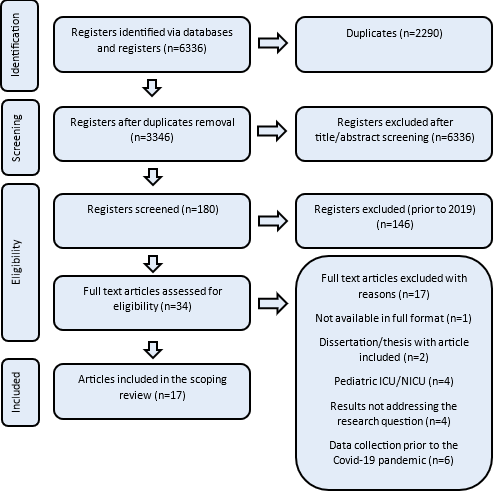
Figure 1 - PRISMA flowchart of the scoping review. Florianopolis (SC), Brazil, 2024.
The studies included in this scoping review are identified by numbers 17 to 33, following the numerical citation sequence from the introduction. Table 1 shows the characterization of the selected studies according to title, type of material, year, country, number of participants, and study design. Regarding the year of publication, 2022 predominated, with eight (47%) publications. Of the 17 selected studies, only one (5.9%) was a master's thesis. All selected studies were of the survey type, conducted via questionnaires or interviews.
According to the analysis of geographical distribution, the highest number of publications occurred in Brazil (n=4), representing 24% of the sample, followed by Saudi Arabia (n=2), Belgium (n=2), and China (n=2), each contributing 12%. Cuba, Spain, the United States of America, Greece, Iran, Portugal, and Turkey each had one study (6%) selected.
In terms of the number of participants, eight (47%) studies reported the involvement of fewer than 100 professionals, with one study including 20 nurses. Among studies with between 100 and 500 participants, there were seven (41%). Above 500 participants, two (12%) publications were recorded, with the largest sample comprising 2,321 nurses. Although the study populations included nurses, nursing technicians and assistants, the majority of selected professionals were nurses, with 3,256 participants (92.2%), followed by nursing technicians with 267 (7.6%) and eight nursing assistants (0.2%).
Table 1 - Characterization of studies according to title, type of material, year, country, number of participants and design. Florianopolis (SC), Brazil, 2024.
|
|
Title |
Type |
Year |
Country |
Participants |
Design |
|
17 |
Burnout in nurses of an intensive care unit during covid-19: a pilot study in Portugal |
Article |
2023 |
Portugal |
29 nurses |
Survey |
|
18 |
Spiritual Well-being and burnout among Saudi nurses in intensive care units |
Article |
2023 |
Saudi Arabia |
226 nurses |
Survey |
|
19 |
Association of burnout and intention-to-leave the profession with work environment: a nationwide cross-sectional study among Belgian Intensive care nurses after two years of pandemic |
Article |
2022 |
Belgium |
2321 nurses |
Survey |
|
20 |
Does perceived organizational support moderates the relationships between work frustration and burnout among intensive care unit nurses? A cross-sectional survey |
Article |
2023 |
China |
479 nurses |
Survey
|
|
21 |
Bullying and burnout in critical care nurses: a cross-sectional descriptive study |
Article |
2023 |
Iran |
184 nurses |
Survey |
|
22 |
Levels of burnout and exposure to ethical conflict and assessment of the practice environment in nursing professionals of intensive care |
Article |
2023 |
Spain |
39 nurses and eight nursing assistants |
Survey |
|
23 |
Investigating burn-out contributors and mitigators among intensive care unit nurses during covid-19: a focus group interview study |
Article |
2022 |
USA |
20 nurses |
Focus group and Survey
|
|
24 |
Burnout syndrome among nurses working in critical care units at a government hospital, Saudi Arabia |
Article |
2022 |
Saudi Arabia |
90 nurses |
Survey |
|
25 |
Associations between perceived overqualification, transformational leadership and burnout in nurses from intensive care units: a multicenter survey |
Article |
2022 |
China |
321 nurses |
Survey |
|
26 |
Nursing errors in intensive care unit and their association with burnout, anxiety, insomnia and working environment: a cross-sectional study |
Article |
2022 |
Greece |
90 nurses |
Survey |
|
27 |
Burnout syndrome in nursing professionals in covid -19 intensive care |
Article |
2022 |
Brazil |
157 (75 nurses and 82 technicians) |
Survey |
|
28 |
Burnout levels and care behaviors in intensive care nurses: a cross-sectional, multicenter study |
Article |
2022 |
Türkiye |
460 nurses |
Survey |
|
29 |
Burnout e resiliência em profissionais de enfermagem de terapia intensiva frente à covid-19: estudo multicêntrico |
Article |
2022 |
Brazil |
153 (69 nurses and 84 technicians) |
Survey
|
|
30 |
Prevalence of burnout risk and factors associated with burnout risk among ICU nurses during the covid-19 outbreak in french speaking Belgium. |
Article |
2021 |
Belgium |
1135 nurses |
Survey
|
|
31 |
Síndrome de burnout en enfermería intensiva y su influencia en la seguridad del paciente |
Article |
2021 |
Cuba |
32 nurses |
Survey |
|
32 |
Predictors of burnout syndrome in nursing technicians in an intensive care unit during the covid-19 pandemic |
Article |
2021 |
Brazil |
94 nursing technicians |
Survey |
|
33 |
Prevalência e fatores associados à síndrome de burnout em profissionais de enfermagem de uma unidade de terapia intensiva de um hospital geral na cidade de Caicó/RN |
Dissertation |
2020 |
Brazil |
32 (25 technicians and 7 nurses) |
Survey |
As shown in Table 2, there were considerable disparities in the prevalence of burnout observed among nursing professionals due to the Covid-19 pandemic. The results indicated that ICU nurses experiencing high work frustration and low perceived organizational support had a greater risk for burnout.17,19-21,29,32
Among the main limitations reported by the authors were the small sample sizes17,18,20,22-24,31,33, the cross-sectional nature of the research method18,20,21,27-31,33, self-reported information18-21,26,28,32, and studies conducted at only one hospital center.22-24 Based on the results of the selected studies, three categories were organized:
Prevalence of burnout in the nursing team and its potential factors related to Covid-19
The percentage of professionals with high total burnout scores ranged from 83.3% to 9.4%.26,33 However, some studies did not provide a percentage of professionals with burnout, reporting only levels of emotional exhaustion, depersonalization, and personal accomplishment.18,20,23,25,28
Among the three dimensions of burnout, it was found that emotional exhaustion and diminished personal accomplishment received the highest scores, with values varying significantly, reporting high emotional exhaustion rates between 75% and 28.7%.23,27
Sociodemographic characteristics
In terms of sociodemographic and professional characteristics, the average age of participants ranged between 28.1 and 42 years.28,33 The variable of work experience showed diverse values among professionals with less than 5 years of experience in ICU, ranging from 68.2% to 21.9%.24,31
The average experience in ICU varied from 11 to 4.1 years.19,28 Studies indicated that ICU professionals were more likely to report high levels of burnout when they had less professional experience.20,21,29,33
Four studies identified that the prevalence of burnout syndrome increased with advancing age.22,27,31,32 The predominance of the female sex was noted in 100% of the studies, varying between 73.9% and 100% of the samples.18,22 Regarding marital status, the percentage of married participants or those with a partner was predominant, ranging from 81% to 34.1%.25,28
Occupational factors
Hospitals with better-quality work environments, even during the pandemic, showed lower burnout rates and lower intentions of leaving their jobs or the profession compared to hospitals with less favorable work environments.19,20,22,25,27,28,30-33 High workload was considered a fundamental and significant factor contributing to professional burnout.19-21,23,24,29-33
Ethical conflicts were also a source of frustration in the workplace, including instances of bullying, which were associated with a perceived lack of institutional support, highlighting the need for organizational strategies to moderate the relationship between work frustration and burnout.17,20-22,28
Table 2 - Characterization of studies by objective, results, challenges and limitations. Florianopolis (SC), Brazil, 2024.
|
No. |
Objective |
Results |
Challenges and limitations |
|
17 |
To assess burnout in intensive care unit nurses and describe the relationship between burnout dimensions and sociodemographic and professional variables |
The study indicated a prevalence of 41.3% of burnout, especially in the dimensions of Emotional Exhaustion and Personal Fulfillment. The Covid-19 pandemic has increased the pressure on health professionals, highlighting the need for organizational strategies |
-Reduced sample size -Ethical restrictions on data availability -Lack of comparison with previous periods -Lack of assessment of some influential factors, such as organizational support. |
|
18 |
To relate burnout levels and spiritual well-being of Saudi nurses in intensive care units
|
Nurses had good spiritual well-being scores and an above-average Maslach burnout scale score. Burnout and spiritual well-being were negatively and significantly correlated. |
-Observational study -Sample size -Limitation in generalizing results beyond Saudi Arabia and specific hospitals -Variables not considered in the analysis -Possible response biases in self-administered questionnaires -Lack of longitudinal data to track changes over time. |
|
19 |
To describe the prevalence of burnout risk and intention to leave the job and nursing profession among ICU nurses and to analyze the relationships between these variables and the work environment after two years of the Covid-19 pandemic. |
The overall risk of burnout per hospital was 17.6%, with 71.6% of ICU nurses in Belgium showing high risk in at least one subdimension of burnout. About 42.9% of ICU nurses expressed an intention to leave their job, while 23.8% considered leaving the profession. |
-Interpretation of limited relationships -Self-reported outcomes require further exploration with more objective measures |
|
20 |
To investigate the relationship between job frustration and burnout among ICU nurses and to examine the moderating effect of perceived organizational support on their relationship.
|
The total burnout score was 55.79 ± 17.20 and the total job frustration score was 7.44 ± 1.86. There was a positive correlation between burnout and job frustration and a negative correlation between burnout and perceived organizational support. |
-Cross-sectional study -Small sample size -Causal inference between study variables -Limited generalization of results -A single-item measure was adopted to capture frustration at work -Self-reported results may be subject to reporting bias. |
|
21 |
To assess the incidence and association between workplace bullying and burnout among nurses in intensive care units in Iran.
|
70% of nurses working in critical care units in Iran suffer from moderate or high levels of burnout syndrome (62% had moderate emotional exhaustion, 59.8% had moderate depersonalization, and 46.2% had a moderate sense of personal accomplishment). 75.5% have faced bullying in the workplace. |
-Cross-sectional design prevents the conclusion of causality -Self-report, as responses may be influenced by mental state and desirable social tendency -Filling out questionnaires at the workplace -The presence of the researcher may have affected the participants' responses. |
|
22 |
To analyze the relationship between burnout levels, exposure to ethical conflicts and perception of the practice environment among themselves and with sociodemographic variables of different intensive care nursing professionals. |
31.10% of nursing professionals showed signs of burnout, 14.89% considered that they work in an unfavorable environment and 87.23% had a medium-high rate of exposure to ethical conflicts. The level of education and professional category influenced the level of burnout, with nursing assistants presenting higher levels. |
-Single center -Small and convenience sample -Characteristics of the population studied do not allow for extrapolation of data, as they do not fit into the normal distribution (none of the nurses in the sample were male and the perception of men and women may be different in some respects. |
|
23 |
To investigate the effect of the Covid-19 pandemic on ICU nurses’ burnout experiences and identify practical approaches to burnout mitigation. |
Of the 20 participants, 75% exhibited high emotional exhaustion, 60% reported moderate to high depersonalization, and only 25% reported high personal fulfillment at work. |
-Qualitative results reached saturation -Sample limited to nurses from two Covid-19 ICUs -Small sample size - Quantitative results on burnout and post-traumatic stress disorder may not be generalizable. |
|
24 |
To assess the prevalence of burnout syndrome among intensive care unit nurses at King Fahad Hospital in the Madinah region, Saudi Arabia. |
The level of occupational exhaustion was moderate; a high level of depersonalization/loss of empathy and a lower assessment of the sense of personal accomplishment.
|
-Limited sample size -Study carried out in just one hospital. |
|
25 |
To explore whether perceived overqualification increases the risk of burnout and whether transformational leadership negatively moderates this relationship. |
Burnout was positively associated with perceived overqualification and negatively associated with transformational leadership. |
-Study design does not allow inferring causal relationships between perceived overqualification, transformational leadership and burnout -Limited generalization of results. |
|
26 |
To register the frequency of various nursing errors, including checking patient data, preparing and administering medications, and infection control measures. |
83.3% of participants (n = 75) were at high risk of burnout. The most frequent errors were related to medication preparation and administration. 43.3% of nurses reported being "always/very often" distracted while preparing a medication, 90% reported administering medications at unscheduled times at least "half the time". |
-Self-reports and no other “countable” measures of nursing errors were used -Limited number of questions to increase response rate -Factors that may be related to reporting errors have not been extensively investigated |
|
27 |
To investigate BS and associated factors in nursing professionals in intensive care units (ICU) during the Covid-19 pandemic. |
The prevalence of BS was 45.2%, with some professionals having more than one factor of the syndrome: emotional exhaustion (28.7%), depersonalization (3.8%) and low professional achievement (24.8%). |
-Cross-sectional study does not allow for cause-and-effect analysis. |
|
28 |
To examine the relationship between burnout levels and caring behaviors in intensive care nurses in Türkiye, and the factors affecting this relationship.
|
High level of emotional exhaustion (73.9%) and depersonalization (52.2%), and medium level of personal fulfillment (40%). |
-Possible selection bias -Self-reports -Relevant factors, such as depression, anxiety and perceived workload, were not analyzed. -The analyses performed were univariate, which may limit the interpretation of the data due to the possibility of overlap between the variables. |
|
29 |
To analyze the relationship between the dimensions of burnout and resilience in the work of intensive care nursing professionals during the Covid-19 pandemic, in four hospitals in southern Brazil
|
Regarding burnout, 11.1% (n=17) of workers presented the syndrome. Resilience at work has an inverse correlation with emotional exhaustion and depersonalization and a direct correlation with professional achievement. The variable with the greatest influence on the correlation network was the perception of the impact of the pandemic on mental health. |
-Cross-sectional design does not allow monitoring of individuals to verify the impacts of the pandemic on mental health -Research that assesses resilience at work with the instrument used is also scarce. -Only healthy workers were included in the study |
|
30 |
To assess the prevalence of burnout risk and identify risk factors among ICU nurses during the Covid-19 pandemic
|
The overall prevalence of burnout risk was 68%. A total of 29% of ICU nurses were at risk of depersonalization, 31% of reduced personal accomplishment, and 38% of emotional exhaustion.
|
-Potential selection bias. -Prevalence of nurses at risk of burnout during the Covid-19 crisis possibly overestimated. -Due to the lack of longitudinal information, a causal relationship between the increased prevalence of burnout risk and the pandemic cannot be proven. |
|
31 |
To identify the magnitude of physical exhaustion in adult intensive care nursing professionals and its influence on patient safety |
Physical exhaustion was found in 75.0% of professionals, with 56.2% of them presenting high levels, with a prevalence of females (84.3%). |
-Cross-sectional study -Reduced sample size. |
|
32 |
To assess the prevalence and existence of predictors of burnout syndrome in nursing technicians working in intensive care units (ICU) during the pandemic |
The prevalence of the syndrome was observed in 25.5% of the sample analyzed. The variables that, after multiple analysis, were shown to be predictors associated with a higher prevalence of burnout syndrome were: age > 36 years, working overtime, considering the workload to be rigid and being an alcoholic. |
-Items of the questions in the data collection instrument may have been misunderstood or answered in a distorted manner, since the collection was based on self-administered questionnaires -The MBI-HSS has no diagnostic power. |
|
33 |
To identify the prevalence of burnout syndrome in nursing professionals, as well as to investigate associations with demographic, occupational, psychosocial and health variables. |
According to the criteria for diagnosing burnout, 03 (9.4%) professionals were affected by the disease and 29 (90.6%) professionals were not affected. The mean/median of burnout was significantly higher in professionals who had higher education or higher and who did not use medications frequently. |
-Cross-sectional study -Reduced sample size
|
Discussion
The prevalence of burnout among nursing professionals related to the pandemic, according to this scoping review, was considered moderate to high, which may be a precipitating factor for elevated and persistent symptoms related to the mental health of these professionals. During epidemics and pandemics, mental health symptoms can sometimes last longer than the epidemiological situation.33 The prevalence of burnout, compassion fatigue, secondary traumatic stress, and indirect trauma among ICU healthcare professionals remains an emerging topic even after the pandemic has ended.
Burnout among ICU nursing professionals poses a serious challenge, impacting both team well-being and patient care. The high-stress environment and demanding workload significantly contribute to this issue. Emotional exhaustion tends to be more prevalent among younger nurses with less experience and those working in high-stress environments. Depersonalization is associated with insufficient support and high patient turnover. Additionally, factors such as gender and work shifts also significantly impact burnout levels, indicating the need for tailored interventions.18-21
Burnout among nursing professionals is a prevalent phenomenon in the healthcare sector, and this review indicates that these professionals still exhibit high levels of burnout.18 Burnout syndrome is a concrete concern in ICU nursing during and after the Covid-19 pandemic, although substantial differences between groups can be observed depending on local and temporal contexts.26
The findings of this review are consistent with research on the topic, showing that individual characteristics, such as gender, age, marital status, and professional stage, contribute to occupational stress, burnout, and depression during and after Covid-19.34 Therefore, it becomes imperative to investigate mental health coping strategies applicable to nursing professionals working in intensive care, as these professionals play roles of significant psychosocial impact.
The lack of experience, new and complex work realities—both technical and relational—and distance or isolation from family (which helps manage work-related stress) may partly explain why younger nurses reported higher levels of burnout.35 In general, older nurses tend to exhibit fewer cases of depersonalization, although they experience a reduced sense of personal accomplishment. Conversely, nurses aged between 25 and 40 show a greater inclination to consider leaving their jobs and the nursing profession compared to those under 25.36
The prevalence of anxiety and depression among nursing professionals has emerged as an alarming aspect, especially in the context of the Covid-19 pandemic. A meta-analysis conducted during the pandemic identified a combined prevalence of 22.1% for anxiety and 21.7% for depression among healthcare professionals. Furthermore, a systematic review with meta-analysis conducted in the first eleven months of the pandemic reported a prevalence of 29% for anxiety and 22% for depression, specifically among nurses.37,38
A study involving 189 Brazilian nursing professionals observed a higher prevalence of symptoms of anxiety and depression, particularly among the female population, with a median age of 40 years, corroborating the data from this review.39 n a review aimed at describing the extent of psychological trauma and moral distress in healthcare professionals working in ICUs during the Covid-19 pandemic, it was noted that female nursing professionals are more likely to develop symptoms of post-traumatic stress disorder (PTSD), burnout, anxiety, and depression, with younger age identified as a risk factor for mental disorders, despite divergent results regarding the influence of prior professional experience.40
Considering that nursing is predominantly composed of women, who often face dual work responsibilities, and that nursing professionals, due to low remuneration, are subject to multiple employment ties and, consequently, long working hours, it is believed there may be greater vulnerability to the illness of these professionals.41,42
Given the variety of elements that may contribute to the phenomenon of burnout during and after the Covid-19 pandemic, leveraging prior knowledge about the burnout of ICU nursing professionals in the pandemic context is crucial for enhancing the capacity to effectively direct support to these professionals. There is a recognized need for standardization concerning the dimensions and cut-off points used, which include sociodemographic, psychosocial factors, work characteristics, and lifestyle habits that may be associated with burnout in ICU nurses.43
A study involving 498 nurses aimed at describing the experiences of ICU nurses during the Covid-19 pandemic in the United States analyzed reports of stress related to the lack of evidence-based treatment, poor patient prognosis, absence of family in the ICU, inadequate support from leadership, and feelings of injustice within the healthcare team, resulting in unprecedented overload during the pandemic.44
Identifying connections between Covid-19 and nurse burnout may inspire the development of new approaches to combat burnout among those caring for the most severely affected patients during future crises.45 Phenomena such as burnout syndrome, which are important manifestations of occupational stress, require analysis of the new configuration they assumed following the Covid-19 pandemic, making the development of studies dedicated to intervention strategies focused on the psychological and emotional support of nursing professionals even more relevant.
Approaches to mitigate burnout need to be diversified to meet the needs of all nursing professionals working in intensive care units. However, some risk factors, such as gender, age, and experience, may be difficult to modify, while other factors associated with burnout can be carefully addressed through evidence-based multimodal interventions.45
The global advancement of Covid-19 presents substantial challenges for public managers and healthcare professionals, including nurses, highlighting the fragilities of health services and the suffering of professionals in a precarious work context, with an increasing lack of protection and rising incidence of illness. With improved awareness of the topic, healthcare institutions can develop strategies to reduce the negative consequences in patient care contexts for employees whose work has led to the development of burnout.46
This review has the limitation of a predominance of cross-sectional studies, which prevented the authors from establishing causal relationships, thereby restricting the interpretation of the results to the observation of associations between individual factors and the manifestation of burnout in the evaluated professionals.
Conclusion
This scoping review mapped the evidence on the prevalence of burnout syndrome among nursing professionals working in adult intensive care units during and after the Covid-19 pandemic. Data were presented on the importance of institutional programs aimed at managing and preventing burnout in nursing teams operating in complex and stressful environments. There is an immediate need to address this issue, the impacts of which are still under study, through both administrative measures, such as increasing staffing, and psychological interventions.
By emphasizing the importance of recognizing this phenomenon and its impacts on professionals' performance, as well as its relationship with interpersonal and work dynamics, it is hoped that organizational strategies will be developed and implemented to mitigate the damage to the nursing team, both in the context of Covid-19 and in potential future pandemics.
Authors Contributions
Study design: Alex Becker, Daniele Delacanal Lazzari, Francine Carpes Ramos e Nicasio Urinque Mendes. Data collection: Alez Becker, Daniele Delacanal Lazzari, Francine Carpes Ramos e Nicasio Urinque Mendes. Data analysis and interpretation: Alex Becker, Daniele Delacanal Lazzari, Francine Carpes Ramos e Nicasio Urinque Mendes. Manuscript writing: Alex Becker, Daniele Delacanal Lazzari, Francine Carpes Ramos e Nicasio Urinque Mendes. Critical review of the manuscript: Daniele Cristina Perin, Danielle Martendal e Dionatha da Luz. Approval of the final version of the text: Alex Becker, Daniele Delacanal Lazzari, Francine Carpes Ramos e Nicasio Urinque Mendes.
Conflict of interest
The authors declare that there are no conflicts of interest.
References
- Macêdo ATS, Sousa MTD, Gomes RLM, Rolim MAB, Bastos JEP, Dantas R da SA, et al. Estresse Laboral em Profissionais da Saúde na Ambiência da Unidade de Terapia Intensiva. Rev Mult Psic. 2018;12(42):524–47. DOI: https://doi.org/10.14295/idonline.v12i42.1350
- Reis CD, Amestoy SC, Silva GTR da, Santos SD dos, Varanda PAG, Santos IAR dos, et al. Situações estressoras e estratégias de enfrentamento adotadas por enfermeiras líderes. Acta Paul de Enferm. 2020;33: eAPE20190099. DOI: https://doi.org/10.37689/acta-ape/2020AO0099
- Maslach C, Leiter M. Burnout. In Stress: Concepts, cognition, emotion, and behavior (pp. 351-357). Academic Press. 2016:351-357. DOI: https://doi.org/10.1016/B978-0-12-800951-2.00044-3
- West CP, Dyrbye LN, Shanafelt TD. Physician burnout: contributors, consequences and solutions. J Intern Med. 2018 Mar;283(6):516–29. DOI: https://doi.org/10.1111/joim.12752
- Ge MW, Hu FH, Jia YJ, Tang W, Zhang WQ, Chen HL. Global prevalence of nursing burnout syndrome and temporal trends for the last 10 years: A meta-analysis of 94 studies covering over 30 countries. J Clin Nurs. 2023 Sep;32(17-18):5836-5854. DOI: https://doi.org/10.1111/jocn.16708
- Quesada-Puga C, Izquierdo-Espin FJ, Membrive-Jiménez MJ, Aguayo-Estremera R, Cañadas-De La Fuente GA, Romero-Béjar JL, Gómez-Urquiza JL. Job satisfaction and burnout syndrome among intensive-care unit nurses: A systematic review and meta-analysis. Intensive Crit Care Nurs. 2024;82:103660. DOI: https://doi.org/10.1016/j.iccn.2024.103660
- Ribeiro BMDSS, Scorsolini-Comin F, de Souza SR. Burnout syndrome in intensive care unit nurses during the COVID 19 pandemic. Rev Bras Med Trab. 2021;19(3):363-371. DOI: https://doi.org/47626/1679-4435-2021-662
- Soares SSS, Souza NVD de O, Carvalho EC, Varella TCM y ML, Andrade KBS de, Pereira SRM, et al. De cuidador a paciente: na pandemia da Covid-19, quem defende e cuida da enfermagem brasileira?. Esc Anna Nery 2020;24:e20200161. DOI: https://doi.org/10.1590/2177-9465-EAN-2020-0161
- Silva M de O, Ribeiro A da S. Nurses on the front line of the combat to COVID-19: professional health and user assistance. RSD 2020 Jun;9(8):e172985241. DOI: https://doi.org/10.33448/rsd-v9i8.5241
- Wang S, Luo G, Ding X, Ma X, Yang F, Zhang M, et al. Factors associated with burnout among frontline nurses in the post-COVID-19 epidemic era: a multicenter cross-sectional study. BMC Public Health. 2024;24(1):688. DOI: https://doi.org/10.1186/s12889-024-18223-4
- Barello S, Caruso R, Palamenghi L, Nania T, Dellafiore F, Bonetti L, et al. Factors associated with emotional exhaustion in healthcare professionals involved in the COVID-19 pandemic: an application of the job demands-resources model. Int Arch Occup Environ Health. 2021;94(8):1751–61. DOI: https://doi.org/10.1007/s00420-021-01669-z
- Peters MDJ, Godfrey C, McInerney P, Munn Z, Tricco AC, Khalil, H. Chapter 11: Scoping Reviews. In: Aromataris E, Munn Z. JBI Manual for Evidence Synthesis, JBI, 2020; 169(7), 467-473. DOI: https://doi.org/10.46658/JBIMES-20-12
- Becker A, Lazzari DD, Ramos FC, Mendes NU, Perin DC. Burnout Syndrome in nursing professionals in adult intensive care units following the advent of the covid-19 pandemic: Scoping review protocol 2024. DOI: https://doi.org/10.17605/OSF.IO/YACPS
- Munn Z, Peters MDJ, Stern C, Tufanaru C, McArthur A, Aromataris E. Systematic review or scoping review? Guidance for authors when choosing between a systematic or scoping review approach. BMC Med Res Methodol. 2018;18(1):143. DOI: https://doi.org/10.1186/s12874-018-0611-x
- Ouzzani, M, Hammady, H, Fedorowicz, Z, & Elmagarmid, A. Rayyan-a web and mobile app for systematic reviews. Systematic reviews 2016;5(1):210. DOI: https://doi.org/10.1186/s13643-016-0384-4
- Tricco AC, Lillie E, Zarin W, et al. PRISMA Extension for Scoping Reviews (PRISMA-ScR): Checklist and Explanation. Ann Intern Med. 2018;169(7):467-473. DOI: https://doi.org/10.7326/M18-0850
- Almeida C, Poeira AF. Burnout in Nurses of an Intensive Care Unit during COVID-19: A Pilot Study in Portugal. Healthcare (Basel). 2023;11(9):1233. DOI: https://doi.org/10.3390/healthcare11091233
- Al-Osaimi DN, Al-Onazi AK, Al-Khammash NMS, Al-Shakarah NF, Al-Rashidi MK, Al-Shamry HM. Spiritual Well-being and Burnout among Saudi Nurses in Intensive Care Units. The Open Nursing Journal. 2023 Jun;17(1). DOI: https://doi.org/10.2174/18744346-v17-2305300-2022-160
- Bruyneel A, Bouckaert N, Maertens de Noordhout C, et al. Association of burnout and intention-to-leave the profession with work environment: A nationwide cross-sectional study among Belgian intensive care nurses after two years of pandemic. Int J Nurs Stud. 2023;137:104385. DOI: https://doi.org/10.1016/j.ijnurstu.2022.104385
- Yanbei R, Dongdong M, Yun L, Ning W, Fengping Q. Does perceived organization support moderates the relationships between work frustration and burnout among intensive care unit nurses? A cross-sectional survey. BMC Nurs. 2023;22(1):22. DOI: https://doi.org/10.1186/s12912-023-01180-5
- Amini K, Miyanaji H, Din Mohamadi M. Bullying and burnout in critical care nurses: A cross-sectional descriptive study. Nurs Crit Care. 2023;28(2):202-210. DOI: https://doi.org/1111/nicc.12744
- Salas-Bergües V, Lizarazu-Armendáriz E, Eraso-Pérez de Urabayen M, Mateo-Manrique P, Mendívil-Pérez M, Goñi-Viguria R. Levels of burnout and exposure to ethical conflict and assessment of the practice environment in nursing professionals of intensive care. Enferm Intensiva (Engl Ed). 2023;34(4):195-204. DOI: https://doi.org/10.1016/j.enfie.2023.02.003
- Saravanan P, Masud F, Kash BA, Sasangohar F. Investigating burn-out contributors and mitigators among intensive care unit nurses during COVID-19: a focus group interview study. BMJ Open. 2022;12(12):e065989. DOI: https://doi.org/10.1136/bmjopen-2022-065989
- Aragão NSC, Barbosa GB, Santos CLC, et al. Burnout Syndrome and Associated Factors in Intensive Care Unit Nurses [published correction appears in Rev Bras Enferm. 2021 Feb;74(1):e2020n1e03]. Rev Bras Enferm. 2021;74(suppl 3):e20190535. DOI: https://doi.org/1590/0034-7167-2019-0535
- Guo YF, Fan JY, Lam L, Plummer V, Cross W, Ma YZ, Wang YF, Jia YN. Associations between perceived overqualification, transformational leadership and burnout in nurses from intensive care units: A multicentre survey. J Nurs Manag. 2022 Oct;30(7):3330-3339. DOI: https://doi.org/10.1111/jonm.13774
- Betsiou S, Pitsiou G, Panagiotidou E, Sarridou D, Kioumis I, Boutou AK. Nursing errors in intensive care unit and their association with burnout, anxiety, insomnia and working environment: a cross-sectional study. Hippokratia. 2022;26(3):110-117. Avaliable from: https://pubmed.ncbi.nlm.nih.gov/37324040/
- Serra JG, Farias E dos S, Nunes L de L, Oliveira MX de, Castro TM de. Burnout Syndrome in Nursing Professionals in COVID -19 Intensive Care. Paidéia (ribeirão Preto) 2022;32:e3234. DOI: https://doi.org/10.1590/1982-4327e3234
- Efıl S, Turen S, Yıldız Ayvaz M, Bulbul E, Yenı T. Burnout levels and care behaviours in intensive care nurses: A cross-sectional, multicentre study. Intensive Crit Care Nurs. 2022 Aug;71:103246. DOI: https://doi.org/10.1016/j.iccn.2022.103246
- Vieira LS, Machado W de L, Dal Pai D, Magnago TSB de S, Azzolin K de O, Tavares JP. Burnout e resiliência em profissionais de enfermagem de terapia intensiva frente à COVID-19: estudo multicêntrico. Rev Latino-am Enfermagem 2022;30:e3589. DOI: https://doi.org/10.1590/1518-8345.5778.3589
- Bruyneel A, Smith P, Tack J, Pirson M. Prevalence of burnout risk and factors associated with burnout risk among ICU nurses during the COVID-19 outbreak in French speaking Belgium. Intensive Crit Care Nurs. 2021 Aug;65:103059. DOI: https://doi.org/10.1016/j.iccn.2021.103059
- Rodríguez RD, Yanine GT, Sánchez KT, Fuentes JT, Terrero DT. Síndrome de burnout en enfermería intensiva y su influencia en la seguridad del paciente. 2021;25(2):278-291. Available from: http://scielo.sld.cu/scielo.php?script=sci_arttext&pid=S1029-30192021000200278
- Freitas RF, Barros IM de, Miranda MAF, Freitas TF, Rocha JSB, Lessa A do C. Preditores da síndrome de Burnout em técnicos de enfermagem de unidade de terapia intensiva durante a pandemia da COVID-19. J Bras Psiquiatr. 2021 Jan;70(1):12–20. DOI: https://doi.org/10.1590/0047-2085000000313
- Véras, EW. Prevalência e fatores associados à Síndrome de Burnout em profissionais de enfermagem de uma unidade de terapia intensiva de um hospital geral na cidade de Caicó/RN. MS thesis. Universidade Federal do Rio Grande do Norte; 2020. Available from: https://repositorio.ufrn.br/handle/123456789/32180
- Sriharan A, Ratnapalan S, Tricco AC, Lupea D, Ayala AP, Pang H, Lee DD. Occupational Stress, Burnout, and Depression in Women in Healthcare During COVID-19 Pandemic: Rapid Scoping Review. Front Glob Womens Health. 2020 Nov 26;1:596690. DOI: https://doi.org/10.3389/fgwh.2020.596690
- Bisesti A, Mallardo A, Gambazza S, Binda F, Galazzi A, Pazzaglia S, Laquintana D. Facing COVID-19 Pandemic in a Tertiary Hospital in Milan: Prevalence of Burnout in Nursing Staff Working in Sub-Intensive Care Units. Int J Environ Res Public Health. 2021 Jun;18(13):6684. DOI: https://doi.org/10.3390/ijerph18136684
- Bruyneel A, Bouckaert N, Maertens de Noordhout C, Detollenaere J, Kohn L, Pirson M, Sermeus W, Van den Heede K. Association of burnout and intention-to-leave the profession with work environment: A nationwide cross-sectional study among Belgian intensive care nurses after two years of pandemic. Int J Nurs Stud. 2023 Jan;137:104385. DOI: https://doi.org/10.1016/j.ijnurstu.2022.104385
- Li Y, Scherer N, Felix L, Kuper H. Prevalence of depression, anxiety and post-traumatic stress disorder in health care workers during the COVID-19 pandemic: A systematic review and meta-analysis. PLoS One. 2021;16(3). DOI: https://doi.org/1371/journal.pone.0246454
- Ślusarska B, Nowicki GJ, Niedorys-Karczmarczyk B, Chrzan-Rodak A. Prevalence of depression and anxiety in nurses during the first eleven months of the COVID-19 pandemic: A systematic review and meta-analysis. Int J Environ Res Public Health. 2022;19(3):1154. DOI: https://doi.org/3390/ijerph19031154
- Ribeiro CL, Maia ICV de L, Pereira L de P, Santos V da F, Brasil RFG, Santos JS dos, et al. Ansiedade e depressão em profissionais de enfermagem de uma maternidade durante a pandemia de COVID-19. Esc Anna Nery. 2022 Jul; 26. DOI: https://doi.org/10.1590/2177-9465-EAN-2022-0041pt
- Wahlster S, Hartog C. Coronavirus disease 2019 aftermath: psychological trauma in ICU healthcare workers. Curr Opin Crit Care. 2022 Dec;28(6):686-694. DOI: https://doi.org/10.1097/MCC.0000000000000994
- Nascimento JOV, Santos JD, Meira KC, Pierin AMG, Souza-Talarico JN. Shift work of nursing professionals and blood pressure, burnout and common mental disorders. Rev Esc Enferm USP. 2019;53:e03443. DOI: https://doi.org/1590/S1980-220X2018002103443
- Padilha KG, Barbosa RL, Andolhe R, Oliveira EM de, Ducci AJ, Bregalda RS, et al.. Carga de trabalho de enfermagem, estresse/burnout, satisfação e incidentes em unidade de terapia intensiva de trauma. Texto Contexto - Enferm 2017;26:e1720016. DOI: https://doi.org/10.1590/0104-07072017001720016
- Aragão NSC de, Barbosa GB, Santos CLC, Nascimento D dos SS, Bôas LBSV, Martins Júnior DF, et al.. Burnout Syndrome and Associated Factors in Intensive Care Unit Nurses. Rev Bras Enferm 2021;74:e20190535. DOI: https://doi.org/10.1590/0034-7167-2019-0535
- Guttormson JL, Calkins K, McAndrew N, Fitzgerald J, Losurdo H, Loonsfoot D. Critical Care Nurses' Experiences During the COVID-19 Pandemic: A US National Survey. Am J Crit Care. 2022;31(2):96-103. DOI: https://doi.org/10.4037/ajcc2022312
- Roney JK, Mihandoust S, Bazan GN, Patterson T, Dunkle S, Whitley BE, Long JD. Caring for COVID-19 infected patients admitted to redesignated coronavirus ICUs: Impact on nurse stress and burnout. Nurs Forum. 2022 Nov;57(6):1321-1329. DOI: https://doi.org/10.1111/nuf.12810
- Dall'Ora C, Ball J, Reinius M, Griffiths P. Burnout in nursing: a theoretical review. Hum Resour Health. 2020;18(1):41. DOI: https://doi.org/10.1186/s12960-020-00469-9
Corresponding Author
Alex Becker
E-mail: alcker@gmail.com
© The Author(s) 2025. This work is licensed under Creative Commons Attribution 4.0 International. License text for use: https://creativecommons.org/licenses/by/4.0/
 Português (Brasil)
  English
  Español (España)