Idioma
Simulation scenario for Postpartum Hemorrhage management to reduce maternal mortality
 Tatiane da Silva Coelho1, Guilherme Frederico Abdul Nour2, Natália Cabrera Matos3, Ana Izabel Oliveira Nicolau4, Cicera Brena Calixto Sousa Borges5, Ingrid Caroline Uchôa Alexandre6, Maria Salete Barbosa Monteiro7, Ana Kelve de Castro Damasceno8
1-8Federal University of Ceará. Fortaleza (CE), Brazil.
Introduction
Postpartum hemorrhage (PPH) is the world's leading cause of maternal death and is responsible for around 140,000 deaths a year, so that every four minutes a woman dies from PPH.1 It is defined as cumulative blood loss greater than or equal to 1,000 ml, regardless of the route of delivery, or blood loss accompanied by signs or symptoms of hypovolemia within 24 hours of birth.2
In Brazil, in recent years, there have been approximately 110 maternal deaths per 100,000 live births, the vast majority of which are considered preventable. Despite the improvements in women's health care, there are still challenges to achieving the Sustainable Development Goals (SDGs) which, among other things, aim to reduce the annual global maternal mortality rate to less than 70 per 100,000 live births by 2030 and the qualification of care teams to deal with this serious problem.3,4
Clinical simulation has thus emerged as an effective method for improving and training health professionals. This pedagogical strategy seeks to ensure the development of skills through clinical scenarios that are close to the reality of care. It has been used in the continuing education of nursing professionals with the aim of improving the quality of care and ensuring patient safety by encouraging effective communication, timely decision-making and team leadership. With this, it is possible to strengthen informed learning without exposing the patient to avoidable errors due to a lack of knowledge, experience or confidence in carrying out the necessary conduct.5-7
In this way, the International Nursing Association Clinical Simulation & Learning (INACSL)8 establishes norms for the development of simulation standards, including the necessary steps for it to take place in an organized manner and for its outcome to be successful. These include the simulation's outline or design, which is essential for guaranteeing the expected results, as it plans all the elements needed to carry out the activity, from research with experts on the content to be covered to carrying out a pilot study before implementing the simulation with the final participant.
Several publications recommend that the pilot study be carried out before applying the simulation with the target audience, preferably in a group similar to the proposed audience, in order to make it as reliable as possible. It is at this stage that inadequate elements are identified, there is a lack of clarity or a need to add information that has not been mentioned and to correct possible errors so that the application of the scenario is guaranteed to achieve the expected results.9-11
Considering the above and the importance of clinical simulations for the development of professional skills, it is necessary to improve the clinical simulation scenario for the management of PPH, as well as the instruments used to conduct the scenario, collect data and evaluate it. These improvements, made after the pilot study, provide greater security for the scenario's application in the clinical trial, in order to ensure that it achieves the learning objectives. It also reinforces the importance of having validated simulation scenarios to be applied in daily teaching practices in service with multidisciplinary teams, in order to improve the care provided to women with postpartum hemorrhage.
Nurses play an important role in the assessment and early detection of this obstetric emergency, enabling interventions to be carried out in a timely and organized manner by the multidisciplinary team responsible for maternal care in the postpartum period. In addition, the experience of professionals in obstetric emergencies has a positive impact on care, as it directs the interventions that need to be carried out more precisely. However, inexperience can have a detrimental effect on the performance of this care.12-13
The aim was to identify the gaps and adaptations needed in the application of a clinical simulation scenario for the management of postpartum hemorrhage as a clinical trial tool.
Method
This is a pilot study of a randomized clinical trial developed in accordance with the Consolidated Standards of Reporting Trials (CONSORT).14 Data collection, carried out between October and November 2022, took place at the Assis Chateaubriand Teaching Maternity Hospital (Maternidade Escola Assis Chateaubriand, MEAC), located in the city of Fortaleza (CE9, a tertiary-level institution linked to the Unified Health System (Sistema Único de Saúde, SUS), developing medium- and high-complexity activities, in hospital and outpatient care for women and newborns.
The sample consisted of 12 resident obstetric nurses working in the service. This was a non-probabilistic convenience sample, after establishing the following inclusion criteria: being an obstetric nursing resident, working in the service and being available to take part in all study stages. Participants who were absent or on sick leave were excluded.
The data were collected using semi-structured instruments on the Google Forms virtual platform for subsequent descriptive analysis. The pre-test and post-test addressed questions about the participants' knowledge of postpartum hemorrhage; questions about previous participation in clinical simulation training; and teamwork with regard to the skills needed to manage PPH. A descriptive analysis was carried out to obtain a baseline of the participants' profile and to conduct the teaching-learning process.
The study was approved by MEAC's Research Ethics Committee under opinion No. 5.669.224.
The briefing or prebriefing is the activity carried out prior to the simulation to provide preparatory information on the subject; the scenario in which the simulation will take place is the environment designed to enable the participant to experience the experience as close to reality as possible; the facilitator is the individual responsible for coordinating the simulation; and the debriefing is the reflective process carried out at the end of the simulation to provide feedback on the positive and negative points perceived.7,13 Data collection took place in three stages, as shown in Table 1.
Chart 1 - Pilot study stages. Fortaleza (CE), Brazil, 2023.
|
|
Activities performed |
|
First stage |
ICF signing; Learning objectives presentation; Simulation scenario instruments presentation; Explanation of the stage managers' role on the set; Participant profile assessment; Pre-test. |
|
Second stage |
Randomization of participants for the simulation scenario; Prebriefing; Scenario application; Debriefing; Carrying out the post-test and scenario evaluation tools. |
|
Third stage |
Adjustments were made to the profile, experience and prior knowledge of the participants in relation to the postpartum hemorrhage management; Improvements to the clinical simulation scenario for the management of postpartum hemorrhage; Making adjustments to the assessment tools for the clinical simulation scenario for the postpartum hemorrhage management. |
First stage
It corresponded to the meeting held with the residents to present the learning objectives of the research, as well as details about the implementation of the clinical simulation. The research team consisted of the main researcher and an assistant. The clinical case and the tools for conducting the scenario were explained, including the outline of the script that would be used by the directors and the learning objectives. In this way, the aim was to bring the residents closer to the proposed theme and answer questions about the simulation scenario, creating the evaluation instruments, pre-test and post-test. In addition, the informed consent form was signed after agreeing to take part in the research. Finally, the participants filled in the sociodemographic and training assessment instruments and the pre-test.
Second stage
Simulation scenario components implementation: prebriefing, scenario, and debriefing. Participants were randomized into two parallel groups via www.randomizer.org, with six participants in each group. The first was made up of role-players who acted directly in the scenario, distributing the roles to each participant, and another group with participants who observed the activities carried out during PPH management in the clinical simulation scenario, using the checklist of expected actions.
The duration of each of these simulation components was diagrammed as follows: the prebriefing in three minutes and the scenario and debriefing ten minutes each.
During the prebriefing, the participants were introduced to the simulation scenario, familiarized with the clinical case, the materials and equipment of the scenario, and the learning objectives and subsequent stages were discussed. During scenario execution, the facilitator offered essential tips to redirect participants when they deviated from the intended objectives or when scenario progression was hindered. Additionally, the facilitator provided requested information, including supplementary case details
To conclude the second stage, a debriefing was held, a process in which participants reflect on the actions taken, using trigger questions guided by the facilitator, with the aim of analyzing the participants' conduct, as well as applying the scenario evaluation tool.
Third stage
It reflected the adjustments made after the pilot study regarding participants' profile, experience, and prior knowledge on postpartum hemorrhage management; the improvements in the clinical simulation scenario for managing postpartum hemorrhage (PPH); and the refinements of the evaluation instruments used in the clinical simulation scenario for PPH management.
Results
A total of twelve nursing residents took part in the study, aged between 24 and 30, most of them female (91.7%), single (75.0%), with between two and five years' training, with prevalence of two years' training (41.7%). Participation in training on the subject of postpartum hemorrhage was significant (91.7%), including 33.3% who had participated three times or more, with the last training about a year ago. The clinical trial included some questions about the profile of the participants, which were considered relevant for characterizing the subjects.
Another relevant tool for the study was the pre-test carried out in the first stage on previous knowledge of the subject. In the clinical trial, the two initial questions in this instrument were removed from the pre-test and inserted into the instrument referring to the participants' profile. In addition, other items were added to improve the instrument (Table 1).
Table 1 - Items used in the pre-test instruments of the pilot study and clinical trial. Fortaleza (CE), Brazil, 2023.
|
Items used in the pre-test instruments |
Pilot study |
Clinical trial |
|
Previous participation in PPH management |
ü |
-- |
|
Feeling prepared to care for a puerperal woman with PPH |
ü |
-- |
|
PPH initial assessment |
ü |
ü |
|
Shock index |
ü |
ü |
|
Blood loss visual diagnosis |
ü |
ü |
|
Standard prescription in PPH management |
ü |
ü |
|
PPH kit material |
ü |
ü |
|
PPH causes |
-- |
ü |
|
PPH risk stratification |
-- |
ü |
|
Golden hour in PPH |
-- |
ü |
|
Time between diagnosis and start of PPH treatment |
-- |
ü |
|
Teamwork in PPH management |
-- |
ü |
|
Non-surgical PPH management |
-- |
ü |
|
PPH prevention |
-- |
ü |
|
Clinical method for PPH diagnosis |
-- |
ü |
|
Nurses' skills in PPH management |
-- |
ü |
Key: ( ) Present; ( -- ) Absent.
A decision-making flowchart was created based on the need to give fluency to the actions expected during the simulation scenario. It describes the steps expected of the volunteer participant during the proposed scenario and the actions that the standardized patient must take if any activity is not carried out. It is a quality tool that, through graphic representation, allows the steps of a process to be easily visualized (Figure 1).
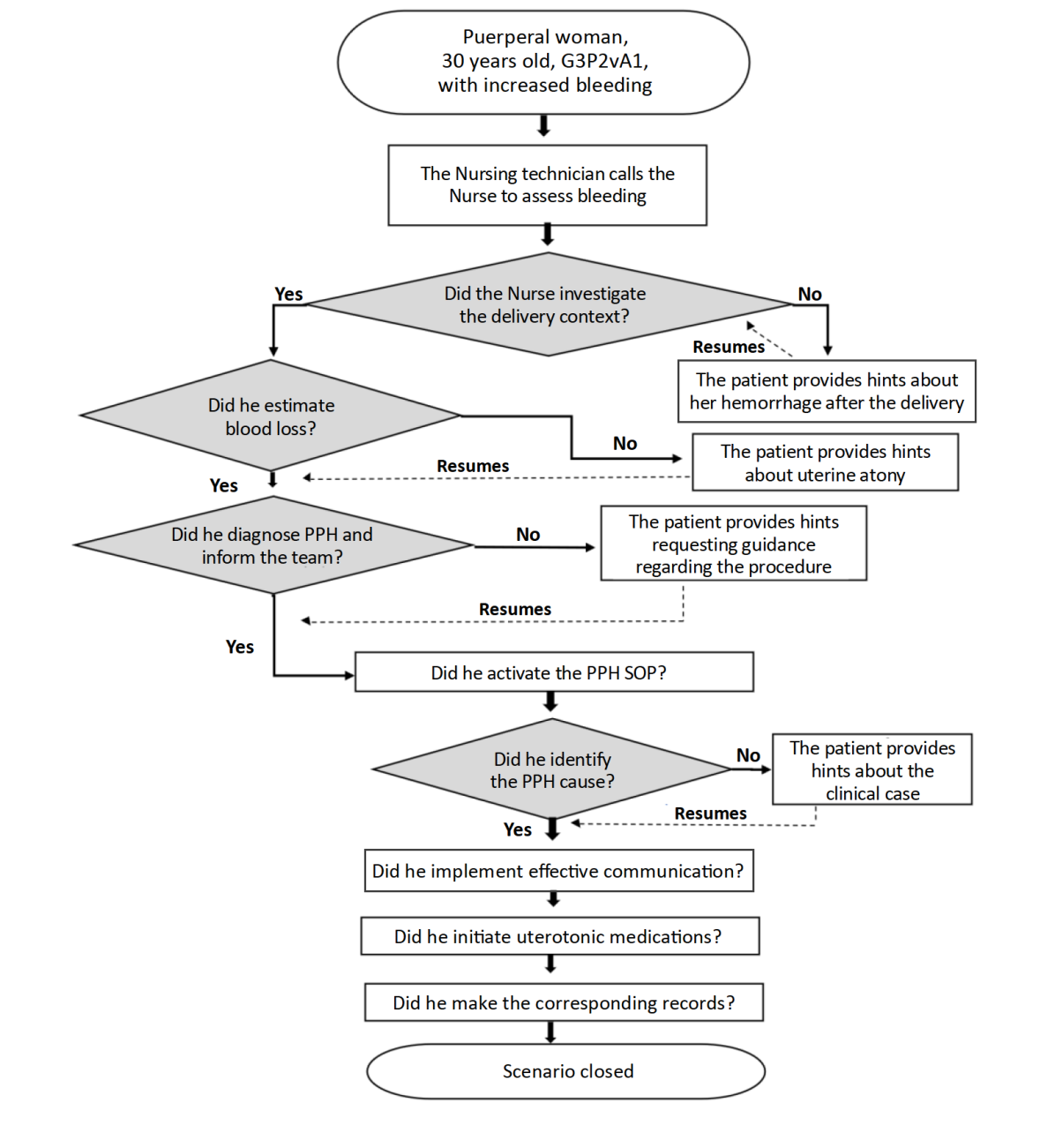
Figure 01 - Simulation scenario flowchart. Fortaleza (CE), Brazil, 2023.
Source: Adapted from Manual de Simulação Clínica para Profissionais de Enfermagem. COREN São Paulo, 2020. Fortaleza, Ceará, Brazil, 2023.
Figure 2 shows one of the questions addressed in the post-test instrument, which considered the criteria used to diagnose PPH. The most prevalent indicators for identifying PPH were the visual estimation of blood loss, the shock index and the patient's hemodynamic instability.

Figure 2 – Graphic representation of the criteria used to diagnose PPH. Fortaleza (CE), Brazil, 2023.
Based on the data provided in this tool, improvements were made to the moulage (a simulation technique that uses art to create realistic conditions in actors or mannequins) used in the simulation scenario, such as improving the color, density and viscosity of the artificial blood, and adding the real amount (measured in ml) of blood on the simulated patient's absorbent pad and sheets to make it easier to visually estimate blood loss; adapting the handmade uterus to simulate uterine atony, thus facilitating the definition of PPH's cause; and improving the multi-parametric monitor's indicator plates to check the vital signs of the hemorrhaging puerperal woman. Subsequently, an application was added that simulates the screen of the multiparameter monitor, providing more realism to the scene.
In relation to the improvements made to the simulation scenario, the duration times for each stage of the simulation were adjusted. In this way, the study identified that the time allotted for each activity was insufficient for the learning objectives to be achieved, necessitating adaptations. The prebriefing, which initially lasted three minutes, was adjusted to five minutes in the clinical trial. Similarly, the debriefing, which initially lasted ten minutes, now lasts thirty minutes in the clinical trial. The scenario did not require any adaptations in terms of running time, remaining at ten minutes.
Improvements were also made to the checklist of expected actions, and items relating to communication, physical examination and medication management were added, and the instrument was then submitted for validation with experts.
Considering that evaluating the data collected in the research helps validate the teaching method's effectiveness for the target audience, additional validated instruments were required for data collection. These included the Lasater Clinical Judgment Rubric (LCJR), which evaluates clinical judgment based on nurses' prior knowledge, relevant for both initial assessment and early diagnosis of postpartum hemorrhage (PPH); and the Clinical Competence Questionnaire (CCQ), which enables self-assessment of nursing clinical competence.
In relation to the scenario, an instrument was added to compare the two learning environments: traditional teaching and clinical simulation-based teaching – the Clinical Learning Environment Comparison Survey (CLECS). By using these instruments, it is possible to assess whether the simulated environment is considered to be an effective tool in approaching certain themes, facilitating the participant's learning process. In addition, following recommendations on the use of simulation evaluation scales, the Simulation Effectiveness Tool-Modified (SET-M) instrument was added, which evaluates the participants' perception of the effectiveness of the scenario for the teaching-learning process.
Discussion
In relation to the participants' profile, the information added to the clinical trial instrument was considered relevant, as previous theoretical and/or practical experiences, as well as knowledge about the subject, are influential factors in characterizing the sample.7
In clinical simulations, analyzing the participant's previous knowledge makes it possible to define the skills to be achieved, the objectives of the simulated scenario and the complexity of the activity.15 Additionally, results from a study analyzing nurses' performance in puerperal period-related emergencies5 highlighted that years of experience and professional training contribute to risk detection and management in such situations.
In relation to the participants' previous knowledge reported in the pre-test of this study, the first two questions (“Have you ever participated in PPH management?” and “Do you feel prepared to care for a puerperal woman with PPH?”) were taken from the pre-test of the clinical trial and inserted into the sociodemographic assessment instrument because they were considered to be questions involving the participant's profile.
For those participants who answered that they did not feel prepared to care for a puerperal woman with PPH, a question was added to find out why, which was relevant information for the researcher to identify the causes of this insecurity on the part of the professionals. In this context, an integrative review study evaluating nurses' care for puerperal hemorrhages16 found that many of the professionals who work in the pregnancy-puerperal period find it difficult to diagnose and manage PPH properly. Among the reasons cited were inadequate measurement of vital signs, poor record keeping, difficulty in visually estimating blood loss and lack of knowledge about basic care in these situations, such as uterine massage.
Considering that participant evaluation is a key step in the process of improving simulation quality and that its application aims to measure the expected research outcomes through the use of valid and reliable tools17, the need to enhance the applied pre-test was observed. Thus, in the clinical trial, this instrument addressed in more detail previous knowledge about PPH, as well as its management and the skills expected of nurses in these situations.
In addition, a flowchart containing the order of the actions carried out in the scenario was included in the clinical trial. This tool allows easy visualization of the simulation step by step and gives the reader a complete view of the process by means of standardized symbols representing each stage.7 This flowchart was used in the simulation scenario to sequence the actions expected by the participating nurse and to provide tips from the simulated patient to help the simulation continue.
In relation to the post-test carried out at the end of the simulation, the data showed that blood loss visual estimation, the shock index and the patient's hemodynamic instability were the indicators that most contributed to the PPH diagnosis. However, other important indicators for correctly identifying the aforementioned diagnosis, such as uterine atony and the complaints reported by the simulated patient, were not considered by the majority of participants.
In this way, the necessary improvements for the clinical trial were identified in relation to the equipment present in the simulation scenario, as well as the moulage used. This finding is corroborated by other studies which show that these devices, when used properly, make the scenario more realistic, increase participants' sensory perceptions and improve engagement in the simulation.17-18 Moulage is used as a visual and tactile cue to enhance the realism of the scenario.
A study evaluating the use of moulage in clinical simulation revealed that for it to have a positive effect, a high-fidelity scenario must be developed to assist in case assessment, decision-making, and sensory engagement by the participant.19 In line with this principle, adjustments were made to the artificial blood, aiming to make it more realistic and visible; improvements were also made to the handmade uterus to facilitate identifying the cause of PPH due to uterine atony; and the plates displaying the simulated patient’s vital signs were enhanced for clearer visibility on the multiparameter monitor, aiding in the identification of hemodynamic instability.
Another important aspect of the simulation is the duration of each of its stages. The study states that it is essential in the process of planning a simulation to delimit the duration of the activity, ensuring that it is sufficient to achieve the expected objectives. However, it is possible that by the end of the allotted time, the scenario may not be completed, or a slow pace may reduce the participant's immersion in the activity. These factors, however, can be discussed during the debriefing at the end of the simulation.20
Thus, it was observed that the time allotted for the prebriefing and debriefing was insufficient to cover the content planned by the simulation facilitator. Thus, when applying the scenario in the clinical trial, it was necessary to change the planning of these stages: the prebriefing, with an initial duration of 3 minutes, lasted 5 minutes in the clinical trial; and the debriefing, with an initial duration of 10 minutes, lasted 30 minutes in the clinical trial. This considerable increase in the duration of the debriefing is justified, as it is one of the most important stages of the simulation. It is the moment when the participant reflects on their performance in the scenario and receives feedback from other participants who acted as observers.21 The scenario duration did not require adjustments and remained at 10 minutes.
Another important factor in the simulated activity is the use of a checklist of expected actions. Its application is fundamental for evaluating the simulated experience, as it makes it easier to check the actions to be carried out during the scenario. It is also considered an instructional resource for monitoring the simulation, simplifying the debriefing process for the facilitator.15 To this end, the checklist used in the simulated PPH scenario made it possible to verify the items performed by the nurse in charge of managing the clinical picture of hemorrhage. INACSL stresses the importance of using the checklist or other instruments to validate and guarantee the consistency and reliability of the scenario.10
According to the results obtained and the search for improvements to the simulation implemented, it proved necessary to use validated instruments in the evaluation stage of the clinical trial, including: the Lasater Clinical Judgment Rubric (LCJR), the Clinical Competence Questionnaire (CCQ), the Clinical Learning Environment Comparison Survey (CLECS) and the Simulation Effectiveness Tool-Modified (SET-M).
The LCJR was added to the clinical trial as a tool for assessing nurses' clinical judgment, which is essential for decision-making during PPH management. This method promotes individual learning, identifies gaps and enables self-assessment and knowledge acquisition. The study validated and demonstrated the reliability of this instrument when applied to nursing students, concluding that the structural model proposed by the LCJR is of good quality for evaluating clinical judgment and can be recommended as a monitoring instrument in different care contexts.22
Another tool used was the CCQ. This instrument assesses the clinical competence of the participants before and after the simulation in order to compare what has improved with the simulated practice. A study translated and cross-culturally adapted this instrument into Portuguese and concluded that it is a useful tool for assessing both the behaviors and skills of the participants.23
Also applied in the clinical trial, CLECS is an instrument used to compare the traditional learning environment with the simulated learning environment. This information proved useful for the research due to the need to understand whether the simulated environment is effective in training healthcare professionals. Furthermore, previous evaluations of this tool show that nursing students find learning with the use of simulations satisfactory, but it cannot be considered a substitute for clinical experiences during their undergraduate studies.24
Finally, SET-M was an instrument used to verify the effectiveness of the simulation, in which the participant evaluates their experience in each of its stages (prebriefing, scenario and debriefing). The adaptation of this instrument to the Brazilian version showed that this tool is effective, but it was observed that even if the experience is effective for all participants, those who act directly in the scenario achieve statistically higher scores than the observers.25
The pilot study limitations include the fact that it was carried out in a single institution and that it was not tested in environments other than the obstetric center.
Conclusion
The pilot study achieved its proposed objective, making it possible to reformulate and add new questions for the pre- and post-test; improve moulage and scenario equipment, enhancing realism; adjust the duration of the prebriefing and debriefing; create a flowchart; and incorporate validated instruments.
The clinical trial pilot provided the researchers with questions and new perspectives for reflection on the theoretical framework adopted, through critical readings, reformulation of the questions addressed, as well as improvements to be made in order to achieve the learning objectives.
The need for further research in the field of obstetric nursing and the implementation of clinical simulations is reinforced so that there is a greater theoretical and practical basis for the application of simulation scenarios with the aim of training and improving the knowledge of professionals who work in the teaching-learning process of the pregnancy-puerperal cycle.
Authors' Contributions
Conception of this study: Tatiane da Silva Coelho, Natália Cabrera Matos. Data collection: Tatiane da Silva Coelho, Natália Cabrera Matos, Guilherme Frederico Abdul Nour, Maria Salete Barbosa Monteiro. Data analysis and interpretation: Ana Kelve de Castro Damasceno, Ana Izabel Oliveira Nicolau, Tatiane da Silva Coelho, Cícera Brena Calixto Sousa Borges. Writing of the manuscript: Guilherme Frederico Abdul Nour, Ingrid Caroline Uchôa Alexandre, Maria Salete Barbosa Monteiro. Critical review of the manuscript: Ana Kelve de Castro Damasceno, Ana Izabel Oliveira Nicolau, Tatiane da Silva Coelho, Guilherme Frederico Abdul Nour. Approval of the final version of the article: Tatiane da Silva Coelho, Guilherme Frederico Abdul Nour, Ana Kelve de Castro Damasceno, Ana Izabel Oliveira Nicolau.
Conflict of interests
The authors declare that there is no conflict of interests.
Acknowledgments
The nursing residents who participated in the research and contributed to developing and improving the scenario.
References
- Alves AL, Francisco AA, Osanan GC, Vieira LB. Hemorragia pós-parto: prevenção, diagnóstico e manejo não cirúrgicos. Femina. 2020 [cited 2023 Sep 29];48:671-9. Available from: https://www.febrasgo.org.br/pt/febrasgo-position-statement/item/hemorragia-pos-parto-prevencao-diagnostico-e-manejo-nao-cirurgico-pt
- Henrique MC, Alves AL, Lopes AV. Balões de tamponamento intrauterino na hemorragia pós-parto – Atualizações. Femina. 2022 [cited 2023 Jul 15];50:711-7. Available from: https://docs.bvsalud.org/biblioref/2023/02/1414425/femina-2022-5012-710-717.pdf
- Domingues RMSM, Rodrigues AS, Dias MAB, Saraceni V, Francisco RPV, Pinheiro RS, et al. Maternal health surveillance panel: a tool for expanding epidemiological surveillance of women’s health and its determinants. Rev bras epidemiol [Internet]. 2024 [cited 2024 May 10];27:e240009. DOI: https://doi.org/10.1590/1980-549720240009
- Roma JC. Os objetivos de desenvolvimento do milênio e sua transição para os objetivos de desenvolvimento sustentável. Cienc. Cult. [Internet]. 2019 Jan [cited 2024 Apr 10];71: 33-39. DOI: http://dx.doi.org/10.21800/2317-66602019000100011
- Conselho Regional de Enfermagem do Estado de São Paulo. Manual de Simulação Clínica para Profissionais de Enfermagem / Conselho Regional de Enfermagem do Estado de São Paulo. - São Paulo – SP; 2020. [cited 2023 Sept 22]. Available from: https://biblioteca.cofen.gov.br/wp-content/uploads/2022/01/manual-simulacao-clinica-profissionais-enfermagem.pdf
- Nunes JGP, Freitas P, Bergamasco EC, Cruz DALM. Implementação de boas práticas em simulação clínica no ensino em enfermagem. Acta paul enferm [Internet]. 2022;35:eAPE00347. [cited 2023 Sept 22]. DOI: https://doi.org/10.37689/acta-ape/2022AO00347
- Junior GAP, Guedes HTV. Simulação em saúde para ensino e avaliação: conceitos e práticas [Internet]. Editora Cubo; 2021 [cited 2023 Sept 22]. DOI: https://doi.org/10.4322/978-65-86819-11-3
- Watts PI, Rossler K, Bowler F, Miller C, Charnetski M, Decker S, et al. Onward and Upward: Introducing the Healthcare Simulation Standards of Best PracticeTM. Clin Simul Nurs [Internet]. 2021 Set [cited 2023 Aug 31];58:1-4. DOI: https://doi.org/10.1016/j.ecns.2021.08.006
- Franco RS, Franco CAGS. O uso de Feedback e Debriefing na Simulação. In: GA Pererira-Júnior, & HTV Guedes, Simulação em saúde para ensino e avaliação: conceitos e práticas. 2021. p. 205-20. Associação Brasileira de Educação Médica [cited 2023 Sep 29]. Available from: https://www.scirp.org/reference/referencespapers?referenceid=3251601
- Silva PN, Rocha IC, Silva A, Morais M, Katagiri S, Kamada I. Construção e validação de cenário de telessimulação no contexto da criança com estomia intestinal. Revista de Enfermagem do Centro-Oeste Mineiro. 2023;13:e4709. [cited 2023 Dec 10]. DOI: https://doi.org/10.19175/recom.v13i1.4709
- Campos DG, Silva JLG, Silva RLF, Almeida AO, Lira ALBC, Oliveira-Kumakura ARS. Cultural adaptation and evaluation of the measurement properties of the Facilitator Competency Rubric for clinical simulation facilitators. Rev. Latino-Am. Nursing. 2024;32:e4257 [cited 2025 Mar 14]. DOI: https://doi.org/10.1590/1518-8345.7214.4257
- Caetano JH, Lange C, Santos F, Filgueiras LPC, Lemões MAM, Soares MC. A atuação de enfermeiros em emergência no período puerperal. RBCS [Internet]. 2020 Mar 25 [cited 2024 Jan 01];24. Available from: https://periodicos.ufpb.br/index.php/rbcs/article/view/30300-p9
- Augusti R, Lemos EEPD, Melo JOF, Carvalho CBS, Morais CPG, Ramalho BL, Costa ECRD. Cuidados de enfermagem na hemorragia pós-parto: uma revisão integrativa da literatura. 2021;2:94-104 [cited 2023 Nov 30]. Available from: https://www.editoracientifica.com.br/artigos/cuidados-de-enfermagem-na-hemorragia-pos-parto-uma-revisao-integrativa-da-literatura
- Hopewell S, Chan AW, Collins GS, Hróbjartsson A, Moher D, Schulz KF, et al. CONSORT 2025 statement: updated guideline for reporting randomised trials. Available from: https://www.consort-spirit.org/
- Alves MDSM, Dalprá LAS, Beltrame RCT, Santos ECA, Corrêa ACP, Gaiva MAM. Simulação em saúde no manejo da hemorragia pós-parto: relato de experiência no ensino em enfermagem. Ciênc. cuid. saúde [Internet]. 2023 [cited 2024 Apr 11];22: e62100. DOI: http://dx.doi.org/10.4025/ciencuidsaude.v22i0.62100
- Branga L, Wilhelm LA, Arboit J, Pilger CH, Sehnem GD, Martins EL. Cuidados de enfermeiros frente às hemorragias puerperais: revisão integrativa. Rev Enferm UFSM [Internet] 2022 [cited 2023 Sep 22];12:e45. Available from: https://periodicos.ufsm.br/reufsm/article/view/70177
- Meschial WC, Paula A, Nespollo AM, et al. Explorando a utilização da simulação clínica no ensino de Enfermagem em emergência: uma revisão integrativa. Revista de Enfermagem do Centro-Oeste Mineiro. 2024;14:e5148. [cited 2025 Mar 15]; Available from: https://doi.org/10.19175/recom.v14i0.5148
- Carvalho RHN, Montenegro RM Júnior, Beltrão BA, Firmino ML, Carvalho AC, Silva JG. Uso da técnica de moulage para o treinamento de habilidades em ginecologia e obstetrícia: relato de experiência. Rev Med UFC. 2022;62(1supl):1-4. [cited 2024 Feb 24]. Available from: http://periodicos.ufc.br/revistademedicinadaufc/article/view/72447/226288
- Meska MHG, Costa RRO, Mano L, Santos ECN, Sanches HBC, Mazzo A. O uso da moulage na simulação clínica: estudo de casos múltiplos [Internet]. Estima, Brazilian Journal of Enterestomal Therapy. 2021;19 [cited 2023 Jun 31]. DOI: https://doi.org/10.30886/estima.v19.1141_PT
- Vera PIR, Martini JG. Satisfaction of nursing students with a clinical simulation practice in hi-fi settings. Texto contexto - enferm. [Internet]. 2020 [cited 2024 Jan 11]; 29:e20190348. DOI: http://dx.doi.org/10.1590/1980-265x-tce-2019-0348
- Neto AS, Fonseca A, Brandão CFS. Feedback e Debriefing. Simulação realística e habilidades na saúde. 2nd ed. Rio de Janeiro: Ed. Atheneu; 2020. P.25-115.
- Morais SCRV, Nunes JGP, Lasater K, Barros ALBL, Carvalho EC. Confiabilidade e validade da Lasater Clinical Judgment Rubric – Brazilian Version. Acta paul enferm [Internet]. 2018 May;31(3):265–71. DOI: https://doi.org/10.1590/1982-0194201800038
- Azuaga TL, Cavali PT, Risso NM, Zuiani GR, Pasqualini W, Veiga IG, et al. Tradução e adaptação transcultural para a língua portuguesa do "Swiss Spinal Stenosis Questionnaire". Coluna Columna [Internet]. 2013 [cited 2023 Jul 2023];12(1):36-41. DOI: https://doi.org/10.1590/s1808-18512013000100008
- Leighton K, Kardong-Edgren S, Schneidereith T, Foisy-Doll C, Wuestney KA. Meeting Undergraduate Nursing Students' Clinical Needs: A Comparison of Traditional Clinical, Face-to-Face Simulation, and Screen-Based Simulation Learning Environments. Nurse Educ. 2021 Nov-Dec 01;46(6):349-354. [cited 2023 Jul 31];12(1):36-41. Available from: https://www.ncbi.nlm.nih.gov/pmc/articles/PMC8579887/
- Bergamasco EC, Cruz D de ALM da. Simulation effectiveness tool modified (SET-M): adaptation and validation for Brazil. Rev Latino-Am Enfermagem [Internet]. 2021;29:e3437. [cited 2024 Jan 10]; DOI: https://doi.org/10.1590/1518-8345.4282.3437
Corresponding Author
Name: Guilherme Frederico Abdul Nour
E-mail: guilhermefrede@yahoo.com.br
© The Author(s) 2025. This work is licensed under Creative Commons Attribution 4.0 International. License text for use: https://creativecommons.org/licenses/by/4.0/
 Português (Brasil)
  English
  Español (España)