Idioma
Environmental education, street markets and health surveillance: learning from the Maguerez Arch
Silva MGO da1, Furtado RCS2, Almeida RM3, Serfaty DSM4, Paes FT5, Nascimento MTA6, et al.
1,2,3,5,6,7,8 - Federal University of Pará/UFPA. Belém (PA), Brazil.
4 - Oswaldo Cruz Foundation/UFPA. Rio de Janeiro (RJ), Brazil.
INTRODUCTION
The university is an environment for training critical and reflective citizens, with opportunities for developing technical skills to identify problems and find solutions to emerging issues.1 The teaching and learning processes that support this training are mechanisms that provide opportunities to implement learning associated with socio-environmental issues, group vulnerabilities and realities surrounding the institution. In the training of health students, and as a workforce for the Brazilian Health System (In Portuguese, Sistema Único de Saúde - SUS), they are opportunities to apply principles such as equity and comprehensiveness.2-3
As institutional relationships that can be established, it is important that there is integration of actions related to training, ensuring critical teaching that deals with reality and from a dialogical perspective. This can occur by inserting students into non-formal teaching environments, in which social interactions take place, instrumental for learning that aims to teach through practical fields in the surroundings of spaces of sociability, such as markets and street markets.4,5
Street markets are characterized by the consumption of goods and services, in which economic relations occur and are generally set in urban áreas,4-5 but not exclusively in these. They are marked by different configurations and diversities of activities, associated with natural, cultural and industrialized consumer products.5 It is also a territory of multiple social relations, which include contacts between different individuals in the course of exchanges involving this consumption.5-6
In the context of collective health, they are considered as territories of interaction of society, which also present associated social vulnerabilities.5 In this regard, informal work is highlighted, under conditions of vulnerability to health, safety, alternative means of obtaining income, autonomy and social inclusion. It presents aggravating factors such as poor sanitation, inadequate sanitary infrastructure, sale of uninspected products, various exposures, including to microorganisms, which can affect workers, market vendors and consumers.7-8
It is an exponential territory to discuss health surveillance performance and its subdivisions, with emphasis on epidemiological, sanitary, environmental and occupational health surveillance. In this regard, based on a dialogical model, and its pillars – surveillance, promotion, prevention and control of diseases and health problems –, the components of health surveillance provide an opportunity to discuss intersectoral action and quality of life.
This dialogue can be developed based on epidemiological surveillance, which is essential for identifying outbreaks that may occur in high-traffic environments, such as street markets. Health surveillance works to inspect and monitor food, identifying and mitigating health risks associated with the sale of products. Environmental surveillance can be discussed through monitoring environmental factors that may affect health, such as inadequate sanitation and irregular waste disposal. Occupational health surveillance is relevant for assessing and improving street vendors’ working conditions.5-8
There is, therefore, a broad dialogic possibility with an opportunity for environmental education practice and from the perspective of health surveillance, suitable for diverse practices. Thus, street markets, a territory with different manifestations, are an opportune time to introduce students to environmental health education and health education9 suitable for discussions on the elaboration of strategic plans and decision-making.
On the other hand, there is the intrinsic formative issue, which can be discussed in the conduct of educational processes and for learning about environmental education, since the subjects who participate in it and the topics that guide the outline of lesson plans foster knowledge of legislation on the subject. When adopting topics such as environmental education, it is possible to approach the Federal Constitution of 1988, Guidelines and Bases of National Education Law (In Portuguese, Lei de Diretrizes e Bases da Educação Nacional - LDB) or Law 9,394 of December 20, 1996 and the Brazilian National Curricular Guidelines for Undergraduate Nursing Degrees (In Portuguese, Diretrizes Curriculares Nacionais de Graduação em Enfermagem - DCENF).10 It therefore offers, as a cross-cutting topic, contextualization based on critical and reflective thinking as a response to emerging topics.
Thus, learning processes that observe the reality surrounding the services and problematize it are fundamental to raise issues related to environmental education1,2,9 and to foster citizenship training.3 Thus, problematization through Maguerez Arc, a teaching-learning strategy that consists of five stages (Observation of reality, Identification of key points, Theorizing, Solution hypothesis, Application in reality), makes it possible to problematize an action that, associated with other techniques, such as digital resources, can provide critical learning, fundamental for training nurses, since it includes structured and interdependent stages that support the development of skills directed towards research, management and education.11-12
It is therefore important to investigate how the investigations and relationships were constructed based on the structuring stages that refer to the main stages that make up the methodology adopted in this study, guided by Maguerez Arc, which are fundamental to organizing and directing the teaching-learning process. For this purpose, the application of activities in three open-air markets located in a capital city of the Amazon region of Pará, where the Climate Change Conference (COP-30) and the focus on health surveillance will be held, was considered. In this way, we sought to collaborate with the discussion on how to apply methods that unfold problematization and how these can point out and support relationships between concepts and actions on environmental education and health surveillance.
OBJECTIVE
Analyze the correlations established for learning, through the application of the Maguerez Arch method, in the nursing course on environmental education and health surveillance in street markets.
METHOD
This is a qualitative study with a descriptive, exploratory and documentary approach, as it analyzed and detailed the processes developed in conjunction with the environmental education policy. Documentary studies allow the exploration of diverse primary sources, including reports and educational products, mandatory records of professors in educational institutions, and are relevant for exploring the processes involved.13
The documents analyzed in this study were teaching plan and the final report of a strategic plan, used as a partial assessment, which supported the assessment of a curricular activity of Educational Processes in Nursing (In Portuguese, Processos Educativos em Enfermagem - PESE), which had a total workload of 120 hours, taught in the sixth semester (referring to the third year). PESE aims to discuss the historical, conceptual and cultural aspects of health education in Brazil.
The educational process based on Maguerez Arch, carried out in five meetings, totaled 15 hours from September to December 2023. These meetings took place over three months and, at each stage, theoretical and practical activities were carried out that aimed to build critical and contextualized knowledge around the problems observed in a single visit carried out at open-air markets.
The event took place in person at the nursing school of a federal university in northern Brazil, located in Belém, capital of the state of Pará, which has 1,303,403 inhabitants. The capital will host COP-30, a global event that “aims to stabilize greenhouse gas concentrations in the atmosphere to prevent dangerous human interference with the climate system”, consisting of eight administrative health districts. Of these, two districts were listed, DAGUA (Administrative District of Guamá) and DABEL (Administrative District of Belém), which have six health units and Family Health Strategy, according to the Brazilian National Registry of Health Establishments (In Portuguese, Cadastro Nacional de Estabelecimento de Saúde - CNES).
This innovative activity in street markets, carried out for the first time in the context of the PESE discipline, aimed to provide students with a practical and contextualized experience, exploring non-formal teaching spaces. The choice of these markets as a field of educational practice aimed to promote an approximation of students to the socioeconomic and health realities present in these environments. At the end, students filled out a single report that had five tables describing each stage.
Based on this, the street markets in the Guamá, Terra Firme and Cidade Velha (Ver-O-Peso) neighborhoods were defined as the study site. They are characterized as territories where vendors sell food, artisanal products and manual activities every day of the week. Unlike the other street markets, the Ver-O-Peso street market has a peculiar characteristic, as it is part of a tourist complex in the region.
The method used for the teaching strategy was Maguerez Arc, which is based on problematization. It is characterized by five stages that are correlated, starting from the proposed reality and thinking about its application in reality according to the assigned stages.10-11
Data were collected from curricular activity files, from Google Classroom, Google Drive and the Online Project System (SISPROL), which were sources of information, from teaching plan, strategic plan form and monitoring report. As a resource for organizing the data, a guide instrument was used with the following domains: curricular activity objective; assigned skills; workload; theoretical and methodological guidelines; processes developed; and products delivered. Data collection took place between December 2023 and January 2024.
In the analysis of results, the content analysis technique14 was used to organize, process and interpret the data, making inferences about the meanings of identified elements, their relationship with learning about environmental education and with the assumptions of Paulo Freire’s liberating pedagogy.
The documents analyzed were assessed by two people independently, in order to ensure consistency and minimize biases across four reports. First, each evaluator analyzed the documents separately, using a guide instrument with defined categories. After individual analysis, the evaluators met to discuss the results and identify possible divergences in data interpretation. These divergences were then resolved through consensus, ensuring a shared and aligned understanding of the elements assessed.
This study is documentary and describes the activity carried out with the exclusive objective of serving as a teaching practice, without the need to undergo assessment by the CEP/CONEP system, as per item VIII of Resolution 510 of April 7, 2016. Furthermore, the documents used are publicly accessible.
RESULTS
In the analysis of the PESE teaching plan, it was identified that the action based on the unfolding of this approach occurred over five pedagogical meetings, organized in two consecutive sequences and three subsequent sessions, spaced by intervals of 21 days. During the development of activities, there was a thematic integration that encompassed the construction of educational stages based on previously established contents. Among these contents, studies focused on legislation pertinent to environmental education and health education stand out.
Initially, in stages 1 and 2, the educator responsible for part of the activity via PESE selected three problem situations related to students’ reality, in addition to two propositions to encourage debate, as illustrated in Figure 1. In stage 2, according to data from documentary records, significant data emerged, through the identification of gaps in students’ knowledge about environmental and health legislation as well as the perception of the relevance of these laws in the context of their practical applicability.
Hence, three regulatory frameworks were adopted for the execution of stage 3. Law 9,795/99 (Brazilian National Environmental Education Policy), Law 11,445/2007 (Brazilian National Basic Sanitation Policy) and Law 12,305/2010 (Brazilian National Solid Waste Policy) generated three points of analysis and direction for stage 4. Moreover, they directed potential subtopics related to regional issues, expanding discussions and active engagement in proposed activities. Due to the condition, a proposal for a seminar on the summary of the execution of the stages and results was identified and presented in stage 5, in theory.
Regarding the records of partial assessments, the dynamics organization was identified in subdivisions of four groups, in which the choice of a leader, a recorder and a communicator was initially directed, in order to identify potentialities and train skills, according to what is proposed in teaching plan. Thus, the PESE plan expresses the articulation between theory and practice, configuring the praxis, aiming at temporal constructs, instigating students to research the subject and enabling critical and reflective analysis so that they can relate the findings and learn from reality.
As for the chosen markets, they are located in the following neighborhoods of the city of Belém: Terra Firme, Guamá and Cidade Velha. Thus, the first two are part of DAGUA, while the last one is Ver-O-Peso, which is part of DABEL. Street markets are spaces for economic and social interaction, where individuals, vendors and consumers are also exposed to occupational risks, such as accidents and burns, the spread of diseases resulting from the improper disposal and collection of solid waste as well as the issue of insecurity. Furthermore, it is an environment that reflects the social vulnerability of citizens who live near these markets.
Figure 1 presents the systematic application of the topic in the stages of construction and operation of Maguerez Arch.
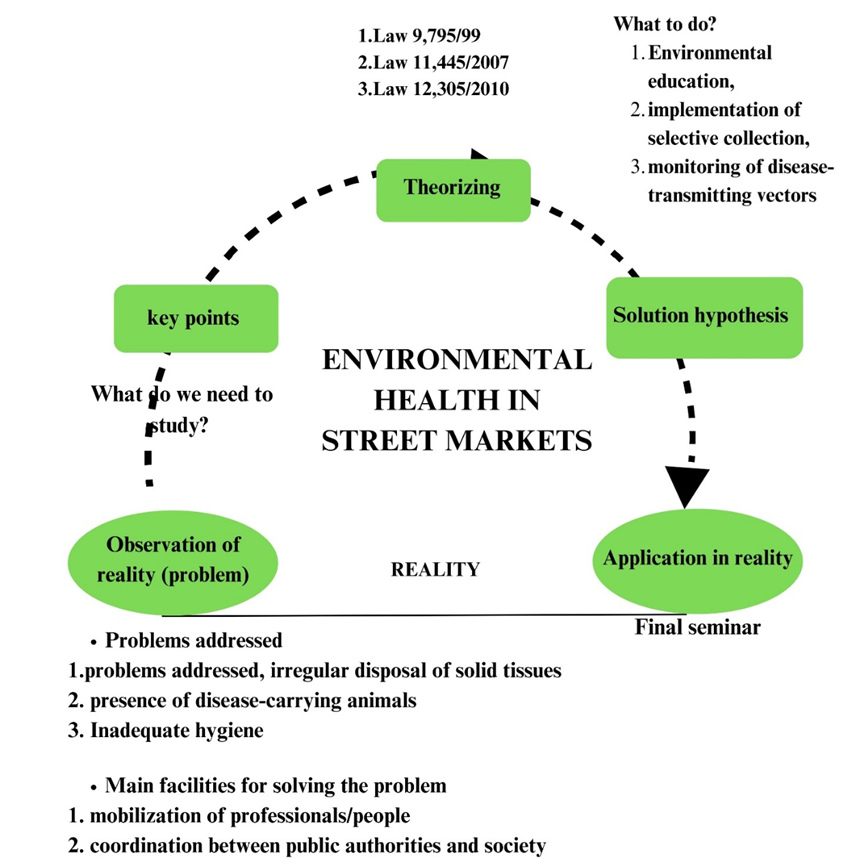
Figure 1. Thematic systematization applied to Maguerez Arch stages. Belém (PA), Brazil, 2024.
The observation of reality constitutes the first stage, in which irregular disposal of solid waste, associated with the presence of disease-carrying animals and inadequate hygiene, was elucidated as a problem. Furthermore, in this process, it is possible to describe the facilities for solving it, such as the mobilization of professionals or individuals and coordination between the government and society. Subsequently, in key points, the main topics related to the impasse are defined, which will be studied for the development of the next stage. In theorizing, the aim is to construct responses to the relevant aspects of the problem, through the survey of previous knowledge, contextualization and discussion regarding national policies.
In the next stage, hypotheses for solving the problem were developed, including the promotion of environmental education, the implementation of selective waste collection and the monitoring of disease-transmitting vectors. Finally, the application stage aimed to respond to individuals’ and communities’ needs through educational actions on the correct disposal of solid waste, population participation in regular waste collection, care with food exposed to open air, among other environmental issues.
Figure 2 shows the didactic systematization used by professors to discuss the relevant aspects of an environmental or health problem.
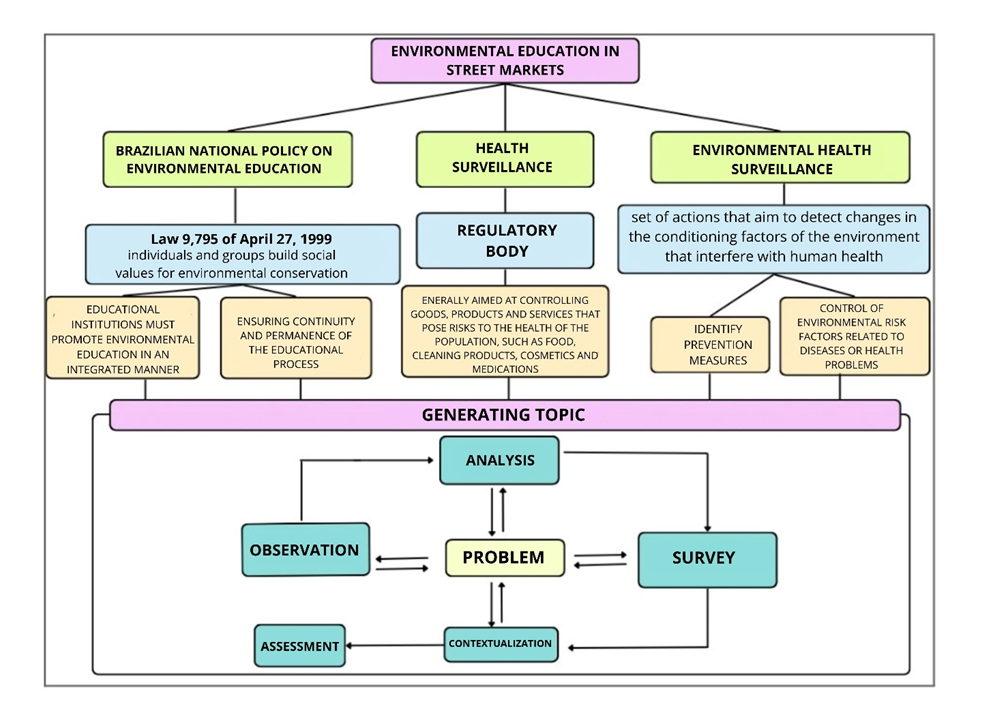
Figure 2. Flow of the didactic sequence, subject/problem, contents and topics to be addressed and developed on the generating topic. Belém (PA), Brazil, 2024.
The flowchart developed presents the necessary stages for implementing environmental education. In the first analysis, experimental observations are highlighted to identify persistent problems in the study site. Subsequently, the causes and consequences are analyzed. In the third stage, knowledge is gathered in databases about the Brazilian national environmental education policy and the requirements of health surveillance for the organization and operation of street markets, with the aim of seeking explanations that prevent the impasse from being resolved.
In the fourth stage, the obstacles listed are contextualized and presented through the application of pedagogical teaching proposals. Finally, professors discuss and assess the path adopted by students to develop educational activities that address hypothetical solutions to the problem studied. Chart 1 presents a summary of the objectives, the activities carried out and the outcomes of each stage of the teaching-learning process to structure Maguerez Arc.
Chart 1. Summary of objectives and outcomes of the stages of the teaching-learning process. Belém (PA), Brazil, 2024.
|
|
STAGES |
OBJECTIVES |
ACTIVITY PERFORMED |
OUTCOMES |
|
1 |
Problem |
Highlight the accumulation of solid waste, reduced access to running water and inadequate hygiene. |
Reflection on reality to identify the problem.
|
The accumulation of solid waste triggers numerous socio-environmental consequences. |
|
2 |
Key point |
List the relevant topics of the problem, such as environmental education, selective collection, environment, prevention and public health.
|
Analysis of the main aspects to be studied.
|
The lack of environmental education of market vendors, combined with the apparent disregard of public authorities, constitute some of the determining factors for the impasse. |
|
3 |
Theorizing |
Build responses to promote market vendors’ and consumers’ health. |
Survey of existing policies, laws or projects associated with solid waste disposal and selective collection. |
Street markets are dynamic spaces that require increased cleaning and adequate waste management. |
|
4 |
Solution hypotheses |
Present alternative solutions to the obstacle.
|
Proposals for creative and innovative initiatives.
|
The reduction in accumulation of waste could occur through mapping the physical composition of the structure for possible sanitary adaptation, distribution of waste bins, monitoring of disease-transmitting vectors and verification of the possibility of implementing selective collection. |
|
5 |
Application in reality |
Implement interventions that encourage individual and collective participation in environmental preservation. |
Application of health education for marketers and consumers. |
Environmental education is one of the means for preventing diseases and promoting a clean and healthy environment. |
It is worth noting that skills and competencies were developed during this process, as shown in Figure 3.
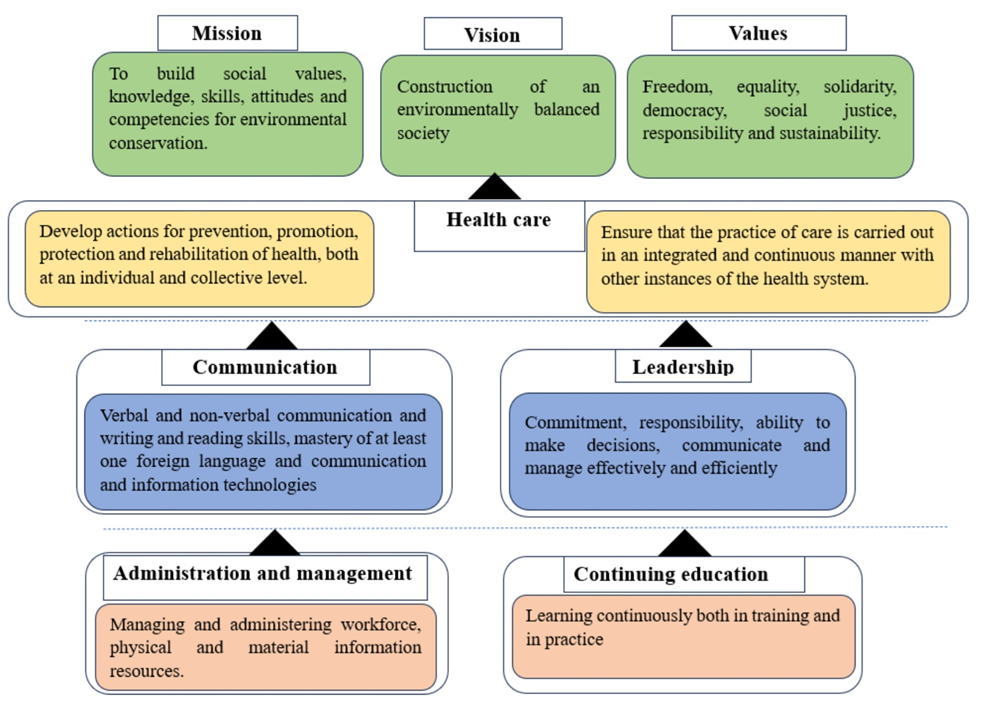
Figure 3. Map of strategic plan based on stages and skills to be developed according to the Brazilian National Curricular Guidelines for Undergraduate Nursing Degrees and environmental education. Belém (PA), Brazil, 2024.
The strategic map refers to the skills that must be improved by students during the nursing training process. The proposed educational activity had five stages of development, in which some skills could be encouraged, such as health care, communication, leadership, among others.
DISCUSSION
Environmental education emerges as a fundamental pillar for the promotion of public health and sustainability, given that it guides values, attitudes and knowledge.1 When articulated with health education, it can foster critical and reflective dialogues together with the application of the Maguerez Arch method.1-2 It ensures that training nursing professionals approaches the realities of territories,3,15,16 based on the problematization of students’ surroundings and through interdisciplinary learning.10
When approaching from the concepts of territories and territorialization,18 it is possible to integrate environmental education with health practices,17 with the opportunity to discuss other areas. In terms of territorialization,18 environmental education highlights other issues, such as street markets, which constitute scenarios of socioeconomic, environmental and social relevance,5-6 and provides opportunities for actions for Primary Health Care (PHC), incorporating perspectives on environmental and worker health, and health-disease processes in the territory.18
Due to the dimension of the social determinants of health,19 the pedagogical approach can include, in its instruments, notes on social actors’ cultural and social practices,5-6 which are appropriate for reflections on behaviors20 and for educational interventions on environmental health, as identified in stages 1 and 2. Furthermore, the investigation and discussion of the findings point the way to understanding social markers,19 model patterns on postures and consumption,4 and even signal constructed international issues, such as the relationships between market vendors and consumers.5,20
Based on the didactic sequence and organizational elements of the method, especially problem identification, it provides an opportunity for collective dialogue on the topic and related topics, such as health surveillance.21 If the moment for sharing the findings is previously planned, the opportunity arises to address intervention and intersectoral projects.22 In addition to this, it provides a series of reflections on legal frameworks and emerging environmental issues, which can be carried out through pedagogical meetings aligned with the method stages and the provocations encouraged by professor.3
Problem identification is a point that can support research on the subtopics listed from the scientific literature, providing contact with scientific texts and providing an opportunity to identify the importance of conducting evidence-based health care.3 It promotes a movement for learning through research capable of instigating the ability to question, look at concepts, paradigms and social actors involved.23 However, it is necessary to create a pre-established roadmap, including identification of the general topic, subtopics, territories, social actors and health programs covered, in which there is clarity in the pedagogical organization and well-founded problematization.24
This condition promotes the identification of social determinants19 that can be associated with emerging topics related to environmental education and health surveillance,21 capable of fostering reflections on diseases and injuries.4 In this sense, the findings are sources for discussions on the subdivisions of this surveillance, with the potential to aggregate discussions on epidemiological, environmental, sanitary and occupational health surveillance, including challenges regarding the different dimensions, such as popular health surveillance.25
They also explore interdisciplinarity,21,24 knowledge of actors and health promotion in territories,25 through a set of actions coordinated by the method stages, with integration of knowledge from different areas, such as health, environmental education and social sciences, recognizing all practices.21,25 It enriches learning, broadens perspectives on nursing practice10,23 and encourages deep reflection on sustainable practices, highlighting the importance of continuous, contextualized and evidence-based educational actions, with intersectoral proposals organized based on environmental education and health promotion strategies, according to Paulo Freire’s liberating pedagogy.25
In this way, the stages must be organized to enhance the critical sense and the practical application of contents, in theory, in action.3 The segregation of meetings in planning promotes stimuli based on students’ movement and their ability to research and provide answers as well as their continuous self-assessment.26-27 Furthermore, it allows professors to assess students’ ability to present innovative proposals for the environmental management of street markets as a possibility to demonstrate the applicability of the acquired knowledge.3,9
Furthermore, it presents significant learning, capable of overcoming traditional methodologies with limitations regarding the ability to encourage critical thinking.27 In the context of this study, active methodology was fundamental to involve students in practical activities related to environmental education and health surveillance in street markets, encouraging the resolution of real problems and directly connecting the contents worked on in classes, such as health surveillance and environmental education.
In these terms, collaborative actions between educators, health professionals, street market managers and the community are points for immersion in governance ideals, capable of promoting learning based on real problems. Due to the ability to integrate theory and practice, aligned with the demands for innovative, relevant education, with educational approaches that value the reality of learners, it promotes collective dialogues based on different knowledge.3,28
It encompasses a set of actions that prioritize the presentation of street markets as a space for promoting specific skills of health professionals, as long as they are directed to the method stages,26 in view of education in its different dimensions.5-6 In this movement of knowledge construction, a simultaneous relationship is established between service and society,3 while reflecting on actions in the scenario and implications for health.3,28
As spaces for exchange, trade29 and social interaction,5-6 which attract a broad and diverse audience, with different age groups and social groups, they deepen reflections on the negative impacts that these street markets can generate due to precarious sanitary conditions.4 It is a crucial scenario for discussing the irregular disposal of waste,16 the presence of stray animals, exposure to vector-borne diseases, occupational accidents, among others.
It is also possible to look at the structures that surround these places, such as the physical, human resources and logistics.29 Initially, it provides students with the opportunity to discuss how these structures influence the environment, interact with health and sustainable practices, becoming mechanisms of exposure to diseases and injuries due to precarious conditions.4
The implementation of stages provides training27-28 on health management, based on public health management and planning capable of training skills to develop, implement and assess public health action plans,30 aiming to manage resources, coordinate teams, lead projects, establish partnerships and work in health networks. Therefore, it brings relationships with society and its dynamics,28 signaling points of discussion on environmental education, efficient monitoring30 and community engagement, and demonstrating how street markets are examples of territories for collective health practices.4,30
In a broad sense of training, it raises students’ awareness to analytical and research skills, due to surveillance studies and epidemiological research.4,30 The approach of the topic to the actors involved indicates ways of how to develop actions with communities25 and groups in situations of social vulnerability,5-6 observing the need for practice on risk communication and prevention measures to the population in a clear and effective way.
During the initial stages – observation of reality, key positions and theorizing – it is also possible to discuss the principles of environmental education to promote a holistic understanding of health. At this stage, professors can direct the interdependence between human health, animal health and environmental health, based on the concept of “One Health”, ongoing training, implementation of educational projects involving schools, communities and universities, through findings about street markets and hygiene measures.4,30
In theory, theoretical knowledge about vector prevention and control methods, field experiences, popular participation in health,25 environmental and health education campaigns, and studies on the relationship between public health and the environment can be aligned through its stages, communicating theory and practice. It is therefore shown to be a method capable of bringing together health territories.26-28
There are also significant challenges that can be explored, such as debates about the presence of animals and proliferation of vectors. Their presence in street markets represents a significant challenge for public health, since these environments can become hotbeds for disease transmission.4 Therefore, the indication of subtopics, or through stage 2, contributes to the debate on an integrated and multidisciplinary approach,26 involving health surveillance, community education, prevention and control measures based on the discussion of the role of health surveillance, to identify and assess the presence of animals in markets.
Furthermore, according to the alignment of the instruments used by professors, it can promote the development of transversal skills, such as teamwork, communication and leadership, essential for professional performance in public health3 and environmental education. This type of approach meets DCENF,10 important for the development of professionals, as a workforce for SUS, observing the role of nurses as educators and social actors capable of promoting practices for transformation of reality.2-3
The flow of the didactic sequence, therefore, must foresee legislation, policies and concepts that encourage students to identify local problems, their causes and consequences,3 with the indication of stage 3 being essential. In the case of street markets, it is opportune to develop a process for decision-making in different cases,4-6 while assimilating exposure to risks, protective measures, disease notifications and health education,30 which can be systematized in stage 4.
In a broad sense, it can also support practical classes on the importance of health surveillance21 and environmental education in the context of health services, when conducted concurrently. This occurs through the inclusion of case studies based on real scenarios3 or during practical classes, supporting stage 5. It reinforces students’ understanding and intervention capacity to plan and develop an educational action2 that can be implemented in an intentionally chosen street market.
As for the proposed objectives, the outlined stages are articulated by objectives such as evidencing, listing, constructing, presenting and implementing.3 They propose an educational approach deeply rooted in critical reflection and systematic analysis.1,3 Such methodology not only equips students with the necessary theoretical knowledge, but also actively engages them in the learning process, encouraging them to raise relevant policies and formulate practical proposals as intrinsic to the health management of street markets and the social, economic and environmental impacts of activities in these Spaces.4-6
In addition, by emphasizing activities that involve the identification of policies, proposals and the application of innovative practices in education,9 this didactic approach seeks to transcend the traditional teaching model, moving towards the applicability of knowledge in real contexts. It is like a living laboratory for the development of transversal skills, such as teamwork, effective communication and critical thinking,10 contributing to strengthening public health.
In conducting the process with a view to equity, actions must be designed or adapted to ensure that they equally benefit participants from different socioeconomic and cultural backgrounds.3 Therefore, the learning constructed, not only in terms of acquired knowledge, but also in terms of developed skills, such as critical thinking, problem-solving and community engagement, must visualize social and regional cuts indicated in pedagogical projects.3,5,7
In relation to DCENF, it meets the ethical principles and the understanding of the social, cultural and economic reality of individuals and the community10. In this context, nurses’ work in street markets, from the perspective of health surveillance,21 presents a unique opportunity for the application of these guidelines,10 requiring a multidisciplinary and interprofessional approach that values both individual and collective health.
The development and improvement of specific competencies in health education9-10 enable nurses to play a central role in promoting healthy environments and preventing diseases identified in these territories4. This includes conducting educational campaigns, participating in multidisciplinary teams to develop integrated public health strategies, applying technologies and innovations to monitor health conditions, and disseminating information.21 These actions are aligned with the general competencies defined by the curricular guidelines,10 reinforcing the importance of nurses’ role at the interface between health and the environment.
Additionally, advocacy and public health leadership, together with the assessment and continuous improvement of health interventions, highlight the need for nurses prepared to influence public policies,3 lead community health projects and systematically assess the effectiveness of implemented actions. These practices are essential to ensure the relevance and sustainability of health interventions in contexts such as street markets.
As a limitation of this study, the application of Maguerez Arc in a specific reality, that of street markets in a given territory, limits the generalization of results to other regions or contexts. The socioeconomic and cultural conditions of these locations influence the interactions and dynamics of health surveillance and environmental education, and may not be representative of other urban or rural realities.
CONCLUSION
This study highlighted the relevance of using the Maguerez Arch method for training nursing professionals, specifically in the context of health surveillance in street markets. The application of this method promoted significant learning by integrating theory and practice, facilitating students’ understanding of the real challenges of public health, especially with regard to epidemiological, sanitary, environmental and occupational health surveillance.
When used as a field for educational practice, street markets make it possible not only to observe the reality of contexts of social vulnerability, but also to promote skills for working in the SUS, such as identifying health problems, proposing hypotheses for solutions and implementing practical strategies for promotion and prevention.
From this perspective, it is understood that street markets are informal spaces that favor the development of health professionals’ skills, since they consider the continuous relationships between service and society, i.e., health actions are focused on the scenario of individuals and collectives. Thus, such practices are opportune for health education, as long as educational actions are intersectoral, continuous, contextualized and based on evidence for promoting the population’s health.
It is recommended that further studies be conducted on the application of the Maguerez Arch method in other non-formal educational settings, such as traditional communities, schools or other forms of social organization. It is pertinent to conduct quantitative studies that analyze the effectiveness of the method applied, using measures such as the Content Validity Coefficient to assess the consistency of analyses and the impact of activities on student education.
CONTRIBUTIONS
Silva, MGO and Castro NJC participated in all stages. Furtado, RCSF, Almeida RM, Serfaty DSM, Paes FT, Nascimento MTA, and Lima NCSL participated in data analysis and interpretation, as well as in writing and critical review.
CONFLICTS OF INTERESTS
Nothing to declare.
REFERÊNCIAS
- Chirelli MQ, Sordi MRL. Critical thinking in nursing training: evaluation in the area of competence Education in Health. Rev Bras Enferm. 2021;74:e20200979. DOI: https://doi.org/10.1590/0034-7167-2020-0979
- Moniz MA, Daher DV, Sabóia VM, Ribeiro CRB. Environmental health: emancipatory care challenges and possibilities by the nurse. Rev Bras Enferm. 2020;73(3):e20180478. DOI: http://dx.doi.org/10.1590/0034-7167-2018-0478
- Castro NJC, Araújo JSA, Santos RA, Castro PC, Santos DN, Nascimento MTA, Mesquita DS. Processos de aprendizagem sobre equidade para reflexão da prática social da Enfermagem. REME Rev Min Enferm. 2023;27. DOI: https://doi.org/10.35699/2316-9389.2023.42296
- Abranches MV, Oliveira TC, José JFBS. A alimentação coletiva como espaço de saúde pública: os riscos sanitários e os desafios trazidos pela pandemia de Covid-19. Interface (Botucatu). 2021;25:e200654. DOI: https://doi.org/10.1590/Interface.200654
- Nascimento SGS, Hanke D, Ávila MR, Rosa MAT, Vargas D. Percepções sobre consumo e produção de alimentos: uma análise na feira livre de Dom Pedrito, RS. RBAS. 2020;10(1):104-1. DOI: https://doi.org/10.21206/rbas.v10i1.8164
- Pereira SB, Brito TP, Pereira VG. Feira-livre como experiência de Bem Viver: uma expressão pulsante das resistências cotidianas. PC. 2022;23(53):180-21. DOI: https://doi.org/10.5965/1984724623532022180
- Durães BJR. O trabalho informal de rua reconfigurado: sua função como agente da acumulação . Cad CRH. 2020;33:e020023. DOI: https://doi.org/10.9771/ccrh.v33i0.28167
- Siloto DAP, Leal GF, Schottz V. Escolhas alimentares e sustentabilidade : contribuições de um estudo de caso em uma feira livre. Temat. 2021;29(58):74-101. DOI: https://doi.org/10.20396/tematicas.v29i58.15133
- Santana KFS, Machado LDS, Machado MFAS, Dias MSA, Silva LMS, Lopes MSV. Competences in health promotion in the environmental education practices of community health agents. Rev Gaúcha Enferm. 2021;42:e20200053. DOI: https://doi.org/10.1590/1983-1447.2021.20200053
- Magnago C, Pierantoni CR. A formação de enfermeiros e sua aproximação com os pressupostos das Diretrizes Curriculares Nacionais e da Atenção Básica. Ciênc saúde coletiva. 2020;25(1):15–24. DOI: https://doi.org/10.1590/1413-81232020251.28372019
- Fontoura SE, Lindemann RH. Formação na área de enfermagem: discussão a respeito de abordagens metodológicas via arco de maguerez. Vivencias. 2022;18(35):41-54. DOI: https://doi.org/10.31512/vivencias.v18i35.613
- Almeida YS, Valente GSC, Moraes EB. Metodologia problematizadora com uso do Arco de Maguerez no ensino de gerência de enfermagem no período de pós-pandemia. Mom Dia Educ. 2024;33(1):210-3. DOI: https://doi.org/10.14295/momento.v33i1.15523
- 13. Gil AC. Como fazer pesquisa qualitativa. 1.ed. Barueri: Atlas; 2021. 190p.
- Sousa JR, Santos SCM. Análise de conteúdo em pesquisa qualitativa: modo de pensar e de fazer. PDE. 2020;10(2):1396-41. DOI: https://doi.org/10.34019/2237-9444.2020.v10.31559
- Souza BS, Santos CJS, Silva EF, Silva EDGT, Santos KT, Silva MP, Santos RA. Feira livre de Rio Largo/AL, Brasil: origem, tradição e rupturas. Div Journ. 2020;5(2):1007-28. DOI: https://doi.org/10.17648/diversitas-journal-v5i2-1168
- Jaeger AP, Freitas EM. Prática de Educação Ambiental: percepção de professores do ensino fundamental de escolas públicas municipais do Rio Grande do Sul. RevBEA. 2021;16(1):23-34. DOI: https://doi.org/10.34024/revbea.2021.v16.11108
- Brasil. Monitoramento dos casos de arboviroses urbanas transmitidas pelo Aedes Aegypti (dengue, chikungunya e zika). Boletim Epidemiológico| Secretaria de Vigilância em Saúde, Ministério da Saúde. 10 dez 2021; 51(28).
- Faria RM. A territorialização da Atenção Básica à Saúde do Sistema Único de Saúde do Brasil. Ciênc saúde coletiva. 2020;25(11):4521–30. DOI: https://doi.org/10.1590/1413-812320202511.30662018
- Patrício I, Duarte G, Concatto AM, Costa FH, Mello-Silva CC. Promovendo saúde com educação ambiental no enfrentamento da pandemia Covid-19. Ens. Saúde e Ambient. 2021;13(3):154-71. Available from: https://periodicos.uff.br/ensinosaudeambiente/article/view/43059
- Cazane AL, Machado JGCF, Sampaio FF. Seria possível as feiras livres recuperarem sua importância como distribuidores de alimentos? Proposta de ações baseadas no caso de Tupã, SP, Brasil. Rev Con & Ino. 2021; 2(1). Available from: http://ojs.unimar.br/index.php/conhecimentoeinovacao/article/view/1604
- Costa ILOF, Trindade CBS, Chaves ECR, Ferreira IP, Lima SBA, Costa FB, Mendonça MHR, Neto RLS. A vigilância em saúde e o planejamento nas equipes de atenção primária em saúde: revisão narrativa. REAS. 2020;(53):e3622. DOI: https://doi.org/10.25248/reas.e3622.2020
- Gonçalves ECP, Kligerman DC, Cohen SC, Kleinubing NV. Programa Saúde na Escola: projeto de intervenção contra a dengue em Matinhos-PR. Saúde debate. 2022;46(spe3):190–200. DOI: https://doi.org/10.1590/0103-11042022E314
- Silva ÍR, Ventura CAA, Costa LS, Silva MM, Silva TP, Mendes IAC. Knowledge management: connections for teaching research in undergraduate nursing. Rev Bras Enferm. 2021;74:e20201295. DOI: https://doi.org/10.1590/0034-7167-2020-1295
- Almeida LC. A dimensão metodológica da aula: revisitando a organização pedagógica do trabalho docente. Pro-Posições. 2022;33:e20200001. DOI: https://doi.org/10.1590/1980-6248-2020-0001
- Meneses MN, Quadros JD, Marques GP, Nora CRD, Carneiro FF, Rocha CMF. Práticas de vigilância popular em saúde no Brasil: revisão de escopo. Ciênc saúde coletiva. 2023;28(9):2553–64. DOI: https://doi.org/10.1590/1413-81232023289.13542022
- Dias GAR, Santos JPM, Lopes MMB. Arco da problematização para planejamento educativo em saúde na percepção de estudantes de enfermagem. Educ rev. 2022;38:e25306. DOI: https://doi.org/10.1590/0102-469825306
- Rodrigues Silva IM. Avaliação Formativa na Preceptoria da Residência Multiprofissional em Atenção Básica/Saúde da Família : Formative Assessment in the Preceptory of the Multiprofessional Residence in Primary Health Care/Family Health Strategy. Saúde Redes. 2024;10(1):4361. DOI: https://doi.org/10.18310/2446-4813.2024v10n1.4361
- Maier SRO, Santos BS. Metodologia inovadora de ensino na residência em saúde: Experiência refletida. Saúde Redes. 2019;4(3):127-32. DOI: https://doi.org/10.18310/2446-4813.2018v4n3p127-132
- Cruz MS, Ribeiro EM, Perondi MA, Araujo AM, Maltez MAP da F. Comprando qualidade: costume, gosto e reciprocidade nas feiras livres do Vale do Jequitinhonha . Rev Econ Sociol Rural. 2022;60(spe):e245926. DOI: https://doi.org/10.1590/1806-9479.2021.245926
- Santos EL, Santos FJR, Lima JNP, Borba MNJ, Moreno JS, Rodrigues EP et al. Avaliação das condições higiênico-sanitárias nas feiras livres das cidades de Cachoeira e Muritiba - BA. Holos. 2021;1:1–16. DOI: https://doi.org/10.15628/holos.2021.10223
Correspondence
Nádile Juliane Costa de Castro
E-mail: nadiledecastro@ufpa.br
Copyright© 2024 Revista de Enfermagem UFPE on line/REUOL.
Este é um artigo de acesso aberto distribuído sob a Atribuição CC BY 4.0 Creative Commons Attribution-ShareAlike 4.0 International License, a qual permite que outros distribuam, remixem, adaptem e criem a partir do seu trabalho, mesmo para fins comerciais, desde que lhe atribuam o devido crédito pela criação original. É recomendada para maximizar a disseminação e uso dos materiais licenciados.
 Português (Brasil)
  English
  Español (España)