Idioma
Artificial Intelligence use in the skin injury context: a scoping review protocol
 Ângelo Antônio Paulino Martins Zanetti1, Denise Desconsi2, Luisa Brolacci Lana3, Lucas Daniel Del Rosso Calache4, Silvana Andréa Molina Lima5, Clarita Terra Rodrigues Serafim6
1,2,5,6Nursing Department of School of Medicine of Botucatu – São Paulo State University “Júlio de Mesquita Filho”, Botucatu (SP), Brazil.
3,4School of Engineering of São João da Boa Vista – São Paulo State University “Júlio de Mesquita Filho”, São João da Boa Vista (SP), Brazil.
Introduction
Integrity and function of the skin play a crucial role in maintaining homeostasis in the human body and represent the largest organ of the human body, accounting for approximately 16% of total body weight.1 The skin serves as the primary interface between the internal and external environments and acts as an essential barrier to protect the organism against various environmental stressors. Its main function is to prevent unregulated water and electrolyte loss, playing a critical role in maintaining the physiological balance of the human body.1
Alterations in the microclimate, impaired tissue perfusion, nutritional factors, and the presence of comorbidities can compromise tissue tolerance, favoring the development of injuries such as incontinence-associated dermatitis (IAD), friction injuries, medical adhesive-related skin injuries, or pressure injuries.2,3
A systematic review investigating the global prevalence and incidence of pressure injuries in hospitalized patients identified a prevalence of 12.8% and an incidence of 5.4 cases per 10,000 patient-days.4 Another systematic analysis reported a prevalence and incidence of device-related injuries at 10% and 12%, respectively.5
The occurrence of skin injuries in healthcare institutions is considered a preventable adverse event, and its prevention is supported by Brazilian and international guidelines related to patient safety.3 In Brazil, in 2013, the Ministry of Health established the National Patient Safety Program, which aims to reduce the risk of unnecessary harm associated with healthcare, including the prevention, particularly of pressure injuries.6
Given the impacts of skin injuries, there has been a growing search for technological innovations aimed at supporting healthcare professionals in various care settings, highlighting the development of diverse Artificial Intelligence (AI) models applied to healthcare. AI arises from the fusion of advanced mathematical models and computational power, enabling the creation of sophisticated algorithms that mimic human intelligence.7 Thus, it encompasses a variety of tasks traditionally associated with human ability, such as pattern recognition and problem-solving.8
This technology has been applied in different scenarios, such as in the management of chronic wounds through the development of a structured system using AI, combined with the use of flexible wearable sensors integrated into technologically advanced dressings. Such devices allow continuous wound monitoring without direct contact with the skin, preserving the integrity of the dressing and achieving approximately 95% accuracy in identifying the stage of the skin.9
Another application involved the development of a tool to predict acute kidney injury in pediatric patients in intensive care, aiming to learn pre-disease patterns from physiological measurements and predict up to 48 hours before current diagnostic recommendations.10
Given the various applications of AI and the available scientific evidence, it becomes essential to conduct a comprehensive analysis of the use of this technology in the context of skin injuries in hospitalized patients, with the goal of exploring the current state of knowledge and identifying gaps to guide future research.
The objective of the present study is to describe the protocol for a scoping review that aims to map and analyze current scientific evidence regarding the use of AI in the context of skin injuries in hospitalized patients, with the purpose of minimizing potential confounding factors within the research scope.11
Method
Type of study
This is a study focused on describing the scoping review protocol, registered on the Open Science Framework (OSF) platform (doi.org/10.17605/OSF.IO/PT3RH) in May 2024, which will be carried out following the methodological steps recommended by the Joanna Briggs Institute (JBI)12 and reported in accordance with the PRISMA-Extension for Scoping Reviews (PRISMA-ScR) Checklist and Explanation.13
Research question
A literature review was conducted to identify studies on the topic; however, no related review works were found, highlighting a gap in knowledge and justifying the relevance of this research.
The PCC acronym (Population, Concept, and Context) was used to construct the guiding question and objectives of the review. Here, the Population (P) refers to hospitalized individuals, the Concept (C) refers to Artificial Intelligence (AI), and the Context (C) refers to skin injuries. Skin injuries will include pressure injuries, medical device-related injuries, incontinence-associated dermatitis, and skin tears.
Thus, the following question was formulated: What scientific evidence is available in the literature regarding the use of AI to identify, treat, and monitor skin injuries in the hospital environment?
Search strategy
The search strategy for conducting the research in the databases will be based on Health Sciences Descriptors (Descritores em Ciência da Saúde, DeCS), Medical Subject Headings (MeSH) and Emtree, aiming to use a structured vocabulary in Portuguese, English and Spanish. Boolean operators “AND” and “OR” will also be utilized.
The search strategy involves developing a strategic plan for selecting databases, choosing appropriate terms, defining the language and timeframe, and ensuring the strategy is broad and effective. It must be planned in advance to avoid unforeseen issues that could compromise the quality of the scoping review.13
The searches will be conducted in the following databases: Virtual Health Library (Biblioteca Virtual em Saúde, BVS), Embase, PubMed, Scopus, Latin American and Caribbean Health Sciences Literature (Literatura Latino-Americana e do Caribe em Ciências da Saúde, LILACS) via BVS, Cumulative Index to Nursing and Allied Health Literature (CINAHL), Web of Science, Cochrane Library, and Scielo via Web of Science, as shown in Chart 1. The construction of the search strategy will be supervised by a specialized librarian.
Additionally, a search of gray literature will be performed through the Catalog of Theses and Dissertations of the Coordination for the Improvement of Higher Education Personnel (Coordenação de Aperfeiçoamento de Pessoal de Nível Superior, CAPES), using the following combinations: (Pele OR Skin) AND (“Inteligência Artificial” OR “Artificial Intelligence” OR “IA (Inteligência Artificial") e (Pele) AND (“Inteligência Artificial" OR “IA (Inteligência Artificial”).
The database searches will be carried out using the Virtual Private Network (VPN) of “Júlio de Mesquita Filho” São Paulo State University (Universidade Estadual de São Paulo, UNESP).
Chart 1 - Search strategy developed for each database. Botucatu (SP), Brazil, 2024.
|
Database |
Search strategy |
|
SciELO BVS LILACS |
#1 (Pele OR Skin OR Piel) AND (“Inteligência Artificial” OR “Artificial Intelligence” OR “Inteligencia Artificial” OR “Aquisição de Conhecimento (Computador)” OR “Aquisição de Conhecimentos (Informática)” OR “IA (Inteligência Artificial)” OR “Inteligência de Máquina” OR “Raciocínio Automático” OR “Raciocínio Computacional” OR “Representação de Conhecimento (Computador)” OR “Representação do Conhecimento (Computador)” OR “Sistemas de Visão Artificial” OR “Sistemas de Visão Computacional” OR “Aprendizado de Máquina” OR “Machine Learning” OR “Aprendizaje Automático” OR “Aprendizado Automático” OR “Aprendizado de Transferência” OR “Aprendizagem Automática” OR “Aprendizagem de Máquina” OR “Aprendizagem de Transferência”) #2 (Pele OR Skin OR Piel) AND (“Ferimentos e Lesões” OR “Wounds and Injuries” OR “Heridas y Lesiones” OR Ferida OR Feridas OR Ferimento OR Ferimentos OR “Ferimentos e Traumatismos” OR Lesão OR Lesões OR Trauma OR Traumas OR Traumatismo OR Traumatismos) AND ((“Inteligência Artificial” OR “Artificial Intelligence” OR “Inteligencia Artificial” OR “Aquisição de Conhecimento (Computador)” OR “Aquisição de Conhecimentos (Informática)” OR “IA (Inteligência Artificial)” OR “Inteligência de Máquina” OR “Raciocínio Automático” OR “Raciocínio Computacional” OR “Representação de Conhecimento (Computador)” OR “Representação do Conhecimento (Computador)” OR “Sistemas de Visão Artificial” OR “Sistemas de Visão Computacional”) OR (“Aprendizado de Máquina” OR “Machine Learning” OR “Aprendizaje Automático” OR “Aprendizado Automático” OR “Aprendizado de Transferência” OR “Aprendizagem Automática” OR “Aprendizagem de Máquina” OR “Aprendizagem de Transferência”)) |
|
Scopus Web of Science Cochrane Embase PubMed CINHAL |
(Skin OR cutis OR derma OR “human skin” OR “skin layer”) AND (“Wounds and Injuries” OR “Wounds, Injury” OR “Wounds and Injury” OR “Injury and Wounds” OR “Injuries and Wounds” OR “Injuries, Wounds” OR “Physical Trauma” OR “Physical Traumas” OR “Trauma, Physical” OR Trauma OR Traumas OR “Research-Related Injuries” OR “Injury, Research-Related” OR “Research Related Injuries” OR “Research-Related Injury” OR Injuries OR Injury OR Wounds OR Wound OR “back injuries” OR “back injury” OR “back trauma” OR “injuries, poisonings, and occupational diseases” OR “injury force” OR “injury pattern” OR “injury rate” OR “major trauma” OR reinjuries OR reinjury OR “sprains and strains” OR “trauma mechanism” OR “traumatic injury” OR “traumatic lesion”) AND (“Artificial Intelligence” OR “Intelligence, Artificial” OR “Computational Intelligence” OR “Intelligence, Computational” OR “Machine Intelligence” OR “Intelligence, Machine” OR “Computer Reasoning” OR “Reasoning, Computer” OR “AI (Artificial Intelligence)” OR “Computer Vision Systems” OR “Computer Vision System” OR “System, Computer Vision” OR “Systems, Computer Vision” OR “Vision System, Computer” OR “Vision Systems, Computer” OR “Knowledge Acquisition (Computer)” OR “Acquisition, Knowledge (Computer)” OR “Knowledge Representation (Computer)” OR “Knowledge Representations (Computer)” OR “Representation, Knowledge (Computer)” OR “Machine Learning” OR “Learning, Machine” OR “Transfer Learning” OR “Learning, Transfer” OR “learning machines”) |
Eligibility criteria
The eligibility criteria will include: primary original articles, technical notes, dissertations, and theses addressing the topic of the use of AI to identify, treat, and monitor skin injuries. Regarding study types, both quantitative and qualitative studies will be considered, including case studies, cohort studies, cross-sectional studies, and randomized clinical trials. The study will consider the general population, without distinction by gender, specific age group, or language, published up to the year 2024. The exclusion criteria will be: advertisements, editorials, opinion articles, articles published in conference proceedings, letters to the editor, studies related to the theme of skin neoplasms, and those focused on chronic wounds. Additionally, studies that, after full reading, do not meet the research question will also be excluded. Duplicate studies will be counted only once.
Data extraction
From the construction of the search strategy for the selected databases, all captured content will be organized using the EndNote Web reference manager for better visualization of the results. After this step, the works will be directed to Rayyan for management and removal of duplicate studies. For article screening, a thorough reading of the titles and abstracts will be conducted by two reviewers in a blinded manner, aiming for selection based on eligibility criteria.
The article screening will be performed by two reviewers. In cases of disagreement regarding selection, a third reviewer will be consulted to assist in the analysis and reduce the possibility of bias. Subsequently, a full reading of the selected articles will be carried out to determine their eligibility for the review. After selecting the studies, the bibliographic references will be read with the aim of identifying additional scientific works that address the guiding question and meet the eligibility criteria. All excluded contents will be recorded.
To construct the scoping review, data from the selected studies will be obtained following the selection steps and will be organized into a spreadsheet with information according to Chart 2. If changes to the data collection process are necessary, they will be detailed in the scoping review.
Chart 2 - Data collection strategy for the selected studies. Botucatu (SP), Brazil, 2024.
|
Content of the selected study |
Information found in the selected study |
|
The authors |
Last name/First name |
|
Year |
Year of publication |
|
Title |
Study title |
|
Type of publication |
Article, thesis, dissertation |
|
Study locus |
Location (city/country) |
|
Journal |
Journal title |
|
Study objective |
Main objective |
|
Type of study |
Methodological design |
|
Study population |
Age range/age |
|
Artificial Intelligence |
Type of Artificial Intelligence used |
|
Type of injury |
Pressure injuries, medical device-related injuries, incontinence-associated dermatitis, skin tears |
|
Outcome |
Artificial Intelligence use in the skin injury context |
Ethical aspects
This study will respect ethical principles of authorship by appropriately citing all authors of the analyzed studies. Since this is a research project based exclusively on scientific literature, approval by a Research Ethics Committee was not required.
Results
The search, conducted using the proposed strategies, resulted in the identification of 1,062 studies. These records were first exported to EndNote Web and then to Rayyan with the aim of removing duplicates and subsequently applying eligibility criteria. Initially, the titles and abstracts will be analyzed, followed by a full reading of the selected studies.
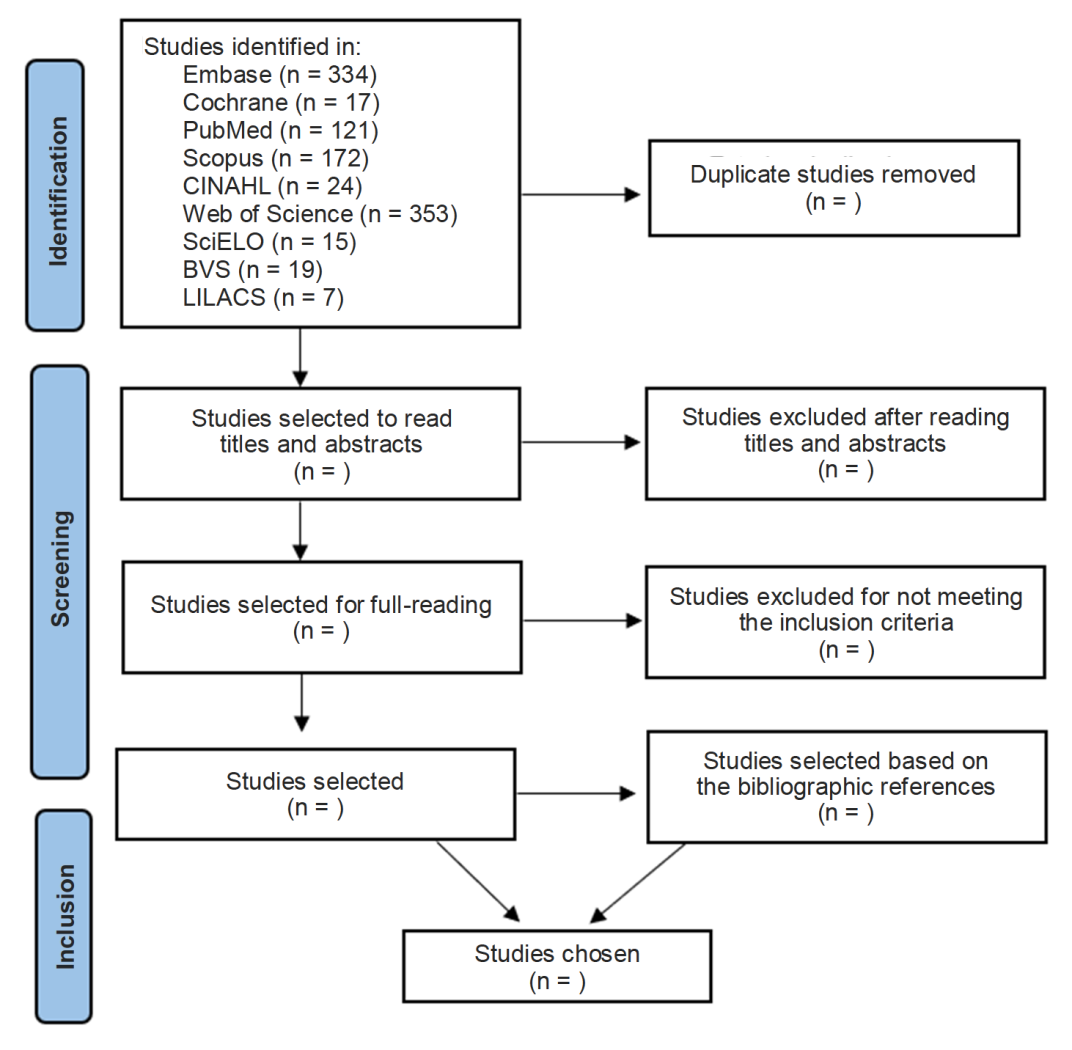
Figure 1 - PRISMA-ScR flowchart for study selection. Botucatu (SP), Brazil, 2024.
Discussion
The use of technology to assist healthcare professionals has been growing over the years, especially supported by the use of AI. This can be seen from the numerous technological projects developed, such as the comparison of machine learning performance with the Medication Fall Risk Score (MFRS) in predicting the risk of falls related to prescribed medications, where better performance was observed among the population attending the studied institution.6
Another important example is the implementation of an AI algorithm for sepsis detection, which portrays, through an experience report, the experiences of nurses before and after its implementation. The use of the computational decision-support tool in clinical practice may reinforce the central role of nursing in the early management of sepsis, resulting in increased visibility and professional satisfaction.14
A Brazilian study employed AI to predict bed bath duration in intensive care units, aiming to evaluate the predictive performance of different algorithms. It demonstrated that AI has the potential to build tools to guide nursing practices involving bed baths, assisting professionals in decision-making during the planning and execution of this intervention to improve human resource allocation and optimize workflow.15
It is worth noting that AI can be used in various fields, as addressed in a study analyzing the emotions of nursing students undergoing clinical simulation. The study aimed to assess emotions in maternal-infant health learning using Scherer’s Circumplex Model,16 showcasing the versatility of AI applications.
We highlight that AI-based clinical decision-support tools have great potential to assist nurses in providing higher quality, safer and more effective care. However, it is essential to strategically reflect on the current and future implementation of this technology.17
Furthermore, skin injuries in hospital environments are a significant concern for health authorities and healthcare professionals, particularly the nursing team, as they can increase the length of hospital stays, raise costs, and lead to long-term consequences and a decline in patients’ quality of life. Considering that these are preventable adverse events, it is believed that AI has the potential to assist in identifying predictive factors, given its versatility and applicability, as described by U.S. researchers who demonstrated that AI techniques are promising in identifying patients at risk of developing pressure injuries.18
Thus, with the computerization and systematization of healthcare services, it is crucial for nurses to become familiar with available technologies so they can contribute to the technological innovation process, delivering safer, more effective, technology-supported, and patient-centered care.14
Finally, during the conduct of the scoping review, any limitations identified in the protocol will be explicitly reported. Necessary changes made throughout the process will be implemented carefully and justified, being properly documented in the final version of the review to ensure the integrity, methodological rigor, and transparency of the study.
Final Considerations
We expect that dissemination of the results of this scoping review will contribute to expanding knowledge about the use of AI in predicting, assessing, classifying, and treating skin injuries. Moreover, we hope that this study will promote visibility and encourage the development and implementation of new technologies in the healthcare setting, strengthening evidence-based practices and improving the quality of care provided.
Authors' Contributions
Conception of this study: Ângelo Antônio Paulino Martins Zanetti, Denise Desconsi, Clarita Terra Rodrigues Serafim. Data collection: Ângelo Antônio Paulino Martins Zanetti, Denise Desconsi. Data analysis and interpretation: Ângelo Antônio Paulino Martins Zanetti, Denise Desconsi, Clarita Terra Rodrigues Serafim. Writing of the manuscript: Ângelo Antônio Paulino Martins Zanetti, Denise Desconsi, Luisa Brolacci Lana. Critical review of the manuscript: Ângelo Antônio Paulino Martins Zanetti, Denise Desconsi, Clarita Terra Rodrigues Serafim, Lucas Daniel Del Rosso Calache, Silvana Andréa Molina Lima. Approval of the final version of the article: Ângelo Antônio Paulino Martins Zanetti, Denise Desconsi, Clarita Terra Rodrigues Serafim.
Conflict of interests
The authors declare that there is no conflict of interests.
Funding
This paper was supported by the Coordination for the Improvement of Higher Education Personnel - Brazil (CAPES) - Funding Code 88887.961239/2024-00.
References
- Roger M, Fullard N, Costello L, et al. Bioengineering the microanatomy of human skin. J Anat. 2019;234(4):438-55. DOI: https://doi.org/10.1111/joa.12942
- Castiblanco-Montañez RA, Agudelo-Turriago AM, Salas-Pérez JY, Pérez-Pérez MM, Guzmán-Ruiz MY. Caracterización de lesiones de piel en una institución de salud en Bogotá. Rev Cienc Cuid. 2022;19(2):50-60. DOI: https://doi.org/10.22463/17949831.3213
- Monteiro DS, Borges EL, Spira JAO, Garcia TF, Matos SS. Incidence of skin injuries, risk and clinical characteristics of critical patients. Texto Contexto Enferm. 2021;30:e20200125. DOI: https://doi.org/10.1590/1980-265x-tce-2020-0125
- Li Z, Lin F, Thalib L, Chaboyer W. Global prevalence and incidence of pressure injuries in hospitalised adult patients: a systematic review and meta-analysis. Int J Nurs Stud. 2020;105:103546. DOI: https://doi.org/10.1016/j.ijnurstu.2020.103546
- Jackson D, Sarki AM, Betteridge R, Brooke J. Medical device-related pressure ulcers: a systematic review and meta-analysis. Int J Nurs Stud. 2019;92:109-20. DOI: https://doi.org/10.1016/j.ijnurstu.2019.02.006
- Agência Nacional de Vigilância Sanitária. Práticas seguras para prevenção de Lesão por Pressão em serviços de saúde [Internet]. Brasília: ANVISA; 2017 [cited 2025 Apr 13]. Available from: https://www.gov.br/anvisa/pt-br/centraisdeconteudo/publicacoes/servicosdesaude/notas-tecnicas/notas-tecnicas-vigentes/nota-tecnica-gvims-ggtes-no-03-2017.pdf
- Souza Filho EM, Fernandes FA, Soares CLA, Seixas FL, Santos AASMD, Gismondi RA, et al. Inteligência Artificial em Cardiologia: conceitos, ferramentas e desafios – “Quem Corre é o Cavalo, Você Precisa ser o Jóquei”. Arq Bras Cardiol. 2020;114(4):718-25. DOI: https://doi.org/10.36660/abc.20180431
- Dey D, Slomka PJ, Leeson P, Comaniciu D, Shrestha S, Sengupta PP, et al. Artificial intelligence in cardiovascular imaging: JACC State-of-the-art review. J Am Coll Cardiol. 2019;73(11):1317-35. DOI: https://doi.org/10.1016/j.jacc.2018.12.054
- Kalasin S, Sangnuang P, Surareungchai W. Intelligent wearable sensors interconnected with advanced wound dressing bandages for contactless chronic skin monitoring: artificial intelligence for predicting tissue regeneration. Anal Chem. 2022;94(18):6842-52. DOI: https://doi.org/10.1021/acs.analchem.2c00782
- Dong J, Feng T, Thapa-Chhetry B, et al. Machine learning model for early prediction of acute kidney injury (AKI) in pediatric critical care. Crit Care. 2021;25(1):288. DOI: https://doi.org/10.1186/s13054-021-03724-0
- Peters MDJ, Godfrey C, McInerney P, Khalil H, Larsen P, Marnie C, et al. Best practice guidance and reporting items for the development of scoping review protocols. JBI Evid Synth. 2022;20(4):953-68. DOI: https://doi.org/10.11124/JBIES-21-00242
- Peters MDJ, Marnie C, Tricco AC, Pollock D, Munn Z, Alexander L, et al. Updated methodological guidance for the conduct of scoping reviews. JBI Evid Synth. 2020;18(10):2119-26. DOI: https://doi.org/10.11124/JBIES-20-00167
- Tricco AC, Lillie E, Zarin W, O’Brien KK, Colquhoun H, Levac D, et al. PRISMA extension for scoping reviews (PRISMA-ScR): checklist and explanation. Ann Intern Med. 2018;169(7):467-73. DOI: https://doi.org/10.7326/M18-0850
- Gonçalves LS, Amaro MLM, Romero ALM, Schamne FK, Fressatto JL, Bezerra CW. Implementation of an artificial intelligence algorithm for sepsis detection. Rev Bras Enferm. 2020;73(3):e20180421. DOI: https://doi.org/10.1590/0034-7167-2018-0421
- Toledo LV, Bhering LL, Ercole FF. Artificial intelligence to predict bed bath time in Intensive Care Units. Rev Bras Enferm. 2024;77(1):e20230201. DOI: https://doi.org/10.1590/0034-7167-2023-0201pt
- Ponce de Leon CGRM, Mano LY, Fernandes DS, Paula RAP, Brasil GC, Ribeiro LM. Artificial intelligence in the analysis of emotions of nursing students undergoing clinical simulation. Rev Bras Enferm. 2023;76(Suppl 4):e20210909. DOI: https://doi.org/10.1590/0034-7167-2021-0909pt
- Cato KD, McGrow K, Rossetti SC. Transforming clinical data into wisdom: artificial intelligence implications for nurse leaders. Nurs Manage. 2020;51(11):24-30. DOI: https://doi.org/10.1097/01.NUMA.0000719396.83518.d6
- Anderson C, Bekele Z, Qiu Y, Tschannen D, Dinov ID. Modeling and prediction of pressure injury in hospitalized patients using artificial intelligence. BMC Med Inform Decis Mak. 2021;21(1):253. DOI: https://doi.org/10.1186/s12911-021-01608-5
Corresponding Author
Name: Ângelo Antônio Paulino Martins Zanetti
E-mail: angelo.zanetti@unesp.br
© The Author(s) 2025. This work is licensed under Creative Commons Attribution 4.0 International. License text for use: https://creativecommons.org/licenses/by/4.0/
 Português (Brasil)
  English
  Español (España)