Idioma
Factors associated with blood alcohol content in traffic accident victims submitted to autopsy
Maicon Henrique Lentsck1, Larissa Zakrzevski2, Flavia Dvulathca3, Bruno Bordin Pelazza4, Maria Regiane Trincaus5, Tatiane Baratieri6, Débora Regina de Oliveira Moura7, Erica de Brito Pilitin8
1,2,3,4,5,6 - State University of the Central-West. Guarapuava (PR), Brazil.
7- State University of Maringá. Maringá (PR), Brazil.
8- Federal University of the Southern Border. Chapecó (SC), Brazil.
INTRODUCTION
Traffic accidents are known to be a global problem, with preventable factors linked to individual behavior, vehicle safety, and the inadequacy of the urban environment. 1 They are also due to the constant increase in the number of vehicles, changes in lifestyle, and risk-taking behavior observed in the general population.
In this sense, the expression of mortality has shown growth. In the first decade of action for traffic safety in Brazil, there was a 13.5% increase compared to the 2000s and a mortality rate of 19.22/100,000 inhabitants,2, especially among young people aged 15 to 29 and due to the use of alcoholic beverages.3
In addition, although alcohol consumption is adopted and encouraged in many cultures, it produces euphoria and disinhibition, where high levels of alcohol in the blood (BAC) cause decreased alertness, false perception of speed, increased reaction time, drowsiness, decreased peripheral vision, and neuromotor alterations, 4. This relationship with vehicles intensifies the rapid and tragic nature of traffic fatalities. The impact of these fatalities transcends quantitative evaluations and falls on families and society, creating emotional voids, economic challenges, and lost opportunities.5
The Brazilian Traffic Code (CTB, in Portuguese) is the legislation that determines issues related to the transit of land vehicles in Brazilian territory, and its fundamental characteristics are road safety and the protection of life. It establishes strict rules to curb dangerous behavior in traffic, such as speeding, drinking alcohol at the wheel, and disobeying traffic regulations. It also provides for the application of penalties, such as fines and suspension of driving licenses, for those who fail to comply with its rules.6
The blood alcohol content measures the amount of alcohol present in the blood, expressed in grams per deciliter or milligrams per milliliter. It has become a crucial indicator for assessing the level of alcohol intoxication and is used in traffic legislation to establish the limits allowed for driving. In Brazil, a zero-tolerance policy has been established for alcohol consumption by drivers, known as the dry law, and in this context, understanding the effects of alcohol on the body and taking responsible action are fundamental to ensuring safety. Data from the Global Burden of Diseases (GBD) showed that alcohol consumption ranked 5th in 2017 among the risk factors that most contributed to the total number of Years of Life Lost Adjusted for Disability.4,7 In Brazil, data on alcohol consumption in fatal accidents is incipient, but even if outdated, the available data shows a blood alcohol content close to that identified in the United States (30%) and Europe (25%).8
While the panorama of vehicle safety is evolving, it is crucial to pay attention to another side of this challenge: the persistence of alcohol consumption by drivers and the pressing concern for traffic safety. Even in the face of safer and more technologically advanced vehicles, the adverse effects of alcohol on cognitive performance and motor coordination continue to pose a serious threat to road safety.9
Vehicle and pedestrian traffic stem from people's need to move around physically and its relationship with urban planning, education, citizenship, and safety. It is also a field of study for urban mobility and the quality of life of the urban population.10
The United Nations (UN) has determined a strategy for reducing traffic accidents for 2021 and 2030, actions for traffic safety, to reduce traffic deaths and injuries by 50% in this period.1 It should be noted that the prevention of traffic accidents caused by alcohol consumption is also included in the UN's 2030 Agenda to achieve sustainable development related to health and well-being, with targets for reducing the harmful use of alcohol and road deaths and injuries.11 In this scenario, nursing stands out as a profession capable of acting both in assisting victims and in implementing prevention programs and managing public health data, expanding the capacity for prevention and intervention in cases of alcohol-related accidents.12
When considering the 2030 Agenda and the power of key actors such as nurses, whether in the application or the identification and analysis of factors associated with blood alcohol content in fatal victims of traffic accidents, obtaining accurate data on the presence of alcohol in the blood of victims contributes significantly to understanding the dynamics of these accidents. In this context, the type of data collection should be considered, with reservations for the collection of autopsy data, as it is an essential source of information, considering it as a detailed post-mortem examination that allows for the precise identification of causes of death and associated conditions, such as alcohol, with highly reliable data for epidemiological analysis and intervention. Collecting data from this examination, particularly in traffic accidents, is essential for mapping risk factors and targeting preventive actions.13
OBJECTIVE
To identify the factors associated with alcohol consumption in victims of traffic accidents registered at the Forensic Medical Institute of Guarapuava-PR between 2020 and 2021.
METHOD
This is a cross-sectional study, limited to the Forensic Medical Institute (IML, in Portuguese) of the Scientific Police of the Guarapuava-PR Unit, to analyze deaths from traffic accidents submitted to autopsy in the years 2020 and 2021, considering the approval of the research to start in this period and because the research is an initial constituent of the project: "As Causas Externas no Paraná: Estudo de Coorte Retrospectivo e Prospectivo" (External Causes in Paraná: Retrospective and Prospective Cohort Study).
The IML is an autonomous administrative, technical, and financial unit linked to the Paraná State Secretariat for Public Security (SESP/PR). The Guarapuava IML unit has the fourth-highest demand in the state, behind Curitiba, Londrina and Ponta Grossa, serving 19 cities: Boa Ventura de São Roque, Campina do Simão, Candói, Cantagalo, Foz do Jordão, Guarapuava, Goioxim, Inácio Martins, Laranjeiras do Sul, Marquinho, Nova Laranjeiras, Palmital, Pinhão, Porto Barreiro, Prudentópolis, Reserva do Iguaçu, Santa Maria do Oeste, Turvo and Virmond.
The region chosen for the study considers geographical issues, as it is at the crossroads of state and federal highways that imply dynamic traffic of people and loads transportation. In addition, as a medium-sized municipality, the hub city is an important center for social and economic reproduction and, as a result, presents contemporary problems for this type of city, such as a lack of urban planning and the consequent increase in vehicles and traffic violence.
The data was obtained through records of administrative information represented by the following documents: necropsy reports, toxicology reports, and information contained in the Death Certificate (DO, in Portuguese) filed physically and digitally at the IML. The documents were able to provide a broader profile of the victims of traffic accidents by clarifying physiological and toxicological aspects, which were the basis for the accuracy of forensic medicine, and which were filled in and filed under confidentiality, except for the DO, which in this case was accessed from the archived copy at the institution.
The autopsy report makes it possible to analyze the events that took place during the death, the weapons used, the cause of death, and the victim's personal information, among other aspects. The toxicological examination exposes the presence of exogenous chemical substances in the blood sample analyzed, both of which are used in police investigations and legal proceedings. The DO, on the other hand, is the base document for the Ministry of Health's Mortality Information System (SIM/MS) and provides data on deaths relating to the identification of the victim, place of death, cause of death, and external causes, among other elements.
During data collection, between December 2021 and September 2023, 794 reports were accessed, 50 of which were excluded because the cause of death was natural or undetermined, the document contained missing information, and the reports belonged to other IML units in Paraná. The data was then organized in a Microsoft Excel® spreadsheet, considering initial access to scanned documents and data from physical documents. The entry of variables into the spreadsheet considered previously defined groups of information after pilot collection to ensure better organization and unidirectionality of collection by the collectors, who were nursing and medical students, who, after training, were divided into pairs with a guarantee of refinement of the variables collected to qualify the spreadsheet and have uniformity in the collection.
For study variables, we considered sociodemographic characteristics (gender, age group, marital status, race/color, schooling, number of children, and occupation); death history (year of occurrence, quarter of death, municipality of residence; municipality of occurrence; place of occurrence; type of environment and fatal death); necropsy (immediate cause of death; kind of trauma; type of energy used; kind of injury; number of injuries and aggravating factor of death); toxicology (alcohol and cocaine); suicidal event and work accident.
The dependent variable was BAC, defined by the identification of alcohol toxicology, considered to be that with the detection of alcohol equal to or greater than 0.01 g of alcohol per liter of blood. Following the data analysis, frequency and proportion tables were drawn up for the categorical variables using relative (%) and absolute (n) frequencies, in which the comparison between the groups with the presence or absence of BAC was carried out using Pearson's Chi-square test or Fischer's exact test (for expected values of less than 5), in which a value of p≤0.05 was considered significant. Multiple analyses were carried out to identify the association independently of the other variables using logistic regression models and the stepwise forward model, which estimated the odds ratio (OR) and respective confidence intervals (CI). Variables with p<0.20 in the bivariate analysis were included in the model, and variables that remained significant (p<0.05) or adjusted the model were kept in the final model. The adequacy of the final models was checked using the deviance and Hosmer-Lemeshow tests, the collinearity of the variables was tested using the variance inflation factor (VIF), and the statistical analyses were carried out using Stata® software version 12.
This research complied with Resolution 466/12 of the National Health Council and was approved for ethical analysis under Opinion No. 4.821.226/2021.
RESULTS
The results presented reveal a comprehensive analysis of deaths from external causes recorded at the Forensic Medical Institute (IML) of Guarapuava-PR, during the period from 2020 to 2021. Of the 744 cases, 444 (59.7%) were excluded because they were external causes not classified as traffic accidents. Of the remainder, 300 (40.3%) cases were classified as traffic accidents, and of these, 106 (35.3%) cases were not tested for alcohol. In the final population (194), 81 (41.7%) cases tested positive for alcohol (Figure 1).
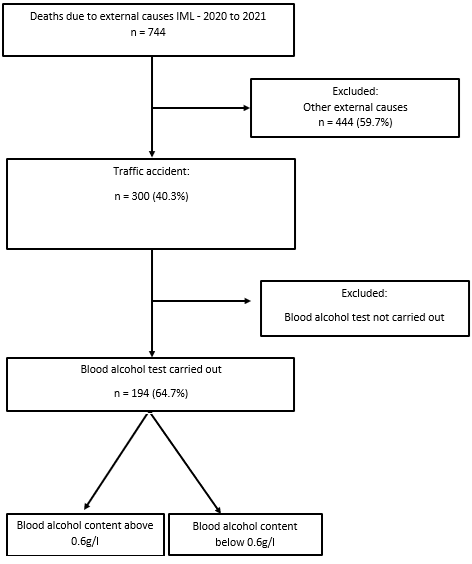
Figure 1. Study population design. Guarapuava (PR), Brazil, 2024.
For sociodemographic characteristics, significant bivariate associations were identified between the variables gender (p=0.005), marital status (p=0.008), occupation (p<0.001), and blood alcohol content in traffic accident victims. The relevant prevalence rates for the presence of alcohol in the blood of individuals who died in traffic accidents were male (92.6%), aged between 20 and 59 (87.7%), single (72.8%), and the occupations farmer and bricklayer (19.8%) (Table 1).
Table 1. Sociodemographic characteristics of traffic accident victims admitted to the Guarapuava-PR IML, according to blood alcohol level. Guarapuava (PR), Brazil, 2020-21. (N= 194).
|
Characteristics |
Total |
|
Alcohol content |
|
P value* |
|||||
|
|
No |
|
Yes |
|
||||||
|
N |
% |
|
n |
% |
|
n |
% |
|
||
|
Gender |
|
|
|
|
|
|
|
|
|
0.005 |
|
Female |
32 |
16.5 |
|
26 |
23.0 |
|
6 |
7.4 |
|
|
|
Male |
162 |
83.5 |
|
87 |
77.0 |
|
75 |
92.6 |
|
|
|
Age group |
|
|
|
|
|
|
|
|
|
-† |
|
0 to 19 years |
15 |
7.7 |
|
10 |
8.8 |
|
5 |
6.2 |
|
|
|
20 to 59 years |
149 |
76.8 |
|
78 |
69.0 |
|
71 |
87.7 |
|
|
|
60 years and over |
28 |
14.4 |
|
23 |
20.4 |
|
5 |
6.2 |
|
|
|
Not informed |
2 |
1.0 |
|
2 |
1.8 |
|
0 |
0.0 |
|
|
|
Marital status |
|
|
|
|
|
|
|
|
|
0.008 |
|
Married |
54 |
27.8 |
|
41 |
36.3 |
|
13 |
16.0 |
|
|
|
Single |
112 |
57.7 |
|
53 |
46.9 |
|
59 |
72.8 |
|
|
|
Divorced |
8 |
4.1 |
|
6 |
5.3 |
|
2 |
2.5 |
|
|
|
Stable Union |
5 |
2.6 |
|
4 |
3.5 |
|
1 |
1.2 |
|
|
|
Widowed |
5 |
2.6 |
|
3 |
2.7 |
|
2 |
2.5 |
|
|
|
Not informed |
10 |
5.2 |
|
6 |
5.3 |
|
4 |
4.9 |
|
|
|
Color |
|
|
|
|
|
|
|
|
|
- |
|
Brown |
23 |
11.9 |
|
10 |
8.8 |
|
13 |
16.0 |
|
|
|
White |
164 |
84.5 |
|
99 |
87.6 |
|
65 |
80.2 |
|
|
|
Black |
4 |
2.1 |
|
2 |
1.8 |
|
2 |
2.5 |
|
|
|
Yellow/Indigenous |
2 |
1.0 |
|
1 |
0.9 |
|
1 |
1.2 |
|
|
|
Not informed |
1 |
0.5 |
|
1 |
0.9 |
|
0 |
0.0 |
|
|
|
Education |
|
|
|
|
|
|
|
|
|
0.132 |
|
Illiterate |
10 |
5.2 |
|
5 |
4.4 |
|
5 |
6.2 |
|
|
|
Incomplete primary education |
55 |
28.4 |
|
30 |
26.5 |
|
25 |
30.9 |
|
|
|
Elementary school |
56 |
28.9 |
|
27 |
23.9 |
|
29 |
35.8 |
|
|
|
High school |
53 |
27.3 |
|
38 |
33.6 |
|
15 |
18.5 |
|
|
|
Higher education |
11 |
5.7 |
|
6 |
5.3 |
|
5 |
6.2 |
|
|
|
Not informed/Ignored |
9 |
4.6 |
|
7 |
6.2 |
|
2 |
2.5 |
|
|
|
Number of children |
|
|
|
|
|
|
|
|
|
0.238 |
|
0 |
74 |
38.1 |
|
38 |
33.6 |
|
36 |
44.4 |
|
|
|
1 |
52 |
26.8 |
|
29 |
25.7 |
|
23 |
28.4 |
|
|
|
2 and more |
47 |
24.2 |
|
31 |
27.4 |
|
16 |
19.8 |
|
|
|
Not informed |
21 |
10.8 |
|
15 |
13.3 |
|
6 |
7.4 |
|
|
|
Occupation |
|
|
|
|
|
|
|
|
|
<0.001 |
|
Farmer |
31 |
16.0 |
|
15 |
13.3 |
|
16 |
19.8 |
|
|
|
Driver |
20 |
10.3 |
|
17 |
15.0 |
|
3 |
3.7 |
|
|
|
Bricklayer/bricklayer's assistant |
21 |
10.8 |
|
5 |
4.4 |
|
16 |
19.8 |
|
|
|
Student |
14 |
7.2 |
|
11 |
9.7 |
|
3 |
3.7 |
|
|
|
General help and services |
20 |
10.3 |
|
9 |
8.0 |
|
11 |
13.6 |
|
|
|
Others |
88 |
45.4 |
|
56 |
49.6 |
|
32 |
39.5 |
|
|
*Pearson's chi-square or Fischer's exact.
†P-value not informed because it contains cells with a value of zero.
For the characteristics of the history of death, there was a significant association only between municipality of occurrence (p=0023) and blood alcohol level. However, there was a higher prevalence among deaths in 2020 (54.3%), in the fourth quarter (32.1%), the place of occurrence was the highway (50.6%), and in environments considered non-rural (50.6%) (Table 2).
Table 2. Characteristics of the history of death of victims of traffic accidents admitted to the IML in Guarapuava-PR, according to blood alcohol content. Guarapuava (PR), Brazil, 2020-21. (N=194).
|
Characteristics |
Total |
|
Alcohol content |
P Value* |
|||||
|
|
No |
|
Yes |
||||||
|
N |
% |
|
n |
% |
|
n |
% |
||
|
Year |
|
|
|
|
|
|
|
|
0.207 |
|
2020 |
95 |
49.0 |
|
51 |
45.1 |
|
44 |
54.3 |
|
|
2021 |
99 |
51.0 |
|
62 |
54.9 |
|
37 |
45.7 |
|
|
Trimester of death |
|
|
|
|
|
|
|
|
0.266 |
|
First trimester |
43 |
22.2 |
|
29 |
25.7 |
|
14 |
17.3 |
|
|
Second trimester |
38 |
19.6 |
|
20 |
17.7 |
|
18 |
22.2 |
|
|
Third trimester |
45 |
23.2 |
|
22 |
19.5 |
|
23 |
28.4 |
|
|
Fourth quarter |
68 |
35.1 |
|
42 |
37.2 |
|
26 |
32.1 |
|
|
Municipality of residence |
|
|
|
|
|
|
|
|
0.847 |
|
Guarapuava |
49 |
25.3 |
|
27 |
23.9 |
|
22 |
27.2 |
|
|
Other |
144 |
74.2 |
|
85 |
75.2 |
|
59 |
72.8 |
|
|
Municipality of occurrence |
|
|
|
|
|
|
|
|
0.023 |
|
Guarapuava |
67 |
34.5 |
|
46 |
40.7 |
|
21 |
25.9 |
|
|
Laranjeiras do Sul |
18 |
9.3 |
|
14 |
12.9 |
|
4 |
4.9 |
|
|
Pinhão |
16 |
8.2 |
|
4 |
3.5 |
|
9 |
11.5 |
|
|
Pitanga |
13 |
6.7 |
|
8 |
7.1 |
|
8 |
9.9 |
|
|
Prudentópolis |
13 |
6.7 |
|
5 |
7.1 |
|
8 |
9.9 |
|
|
Others |
67 |
34.5 |
|
36 |
31.9 |
|
31 |
38.3 |
|
|
Place of occurrence |
|
|
|
|
|
|
|
|
-† |
|
Public road |
95 |
49.0 |
|
64 |
56.6 |
|
31 |
38.3 |
|
|
Road |
82 |
42.3 |
|
41 |
36.3 |
|
41 |
50.6 |
|
|
Home |
2 |
1.0 |
|
1 |
0.9 |
|
1 |
1.2 |
|
|
Workplace |
2 |
1.0 |
|
2 |
1.8 |
|
0 |
0.0 |
|
|
River/lake/pool |
1 |
0.5 |
|
1 |
0.9 |
|
0 |
0.0 |
|
|
Rural area |
4 |
2.1 |
|
1 |
0.9 |
|
3 |
3.7 |
|
|
Hospital/health service |
8 |
4.1 |
|
3 |
2.7 |
|
5 |
6.2 |
|
|
Type of environment |
|
|
|
|
|
|
|
|
0.186 |
|
Non-rural |
110 |
56.7 |
|
69 |
61.1 |
|
41 |
50.6 |
|
|
Rural |
84 |
43.3 |
|
44 |
38.9 |
|
40 |
49.4 |
|
|
Fatal death/Immediate |
|
|
|
|
|
|
|
|
0.339 |
|
Yes |
167 |
86.1 |
|
95 |
84.1 |
|
72 |
88.9 |
|
|
No |
27 |
13.9 |
|
18 |
15.9 |
|
9 |
11.1 |
|
|
External cause category |
|
|
|
|
|
|
|
|
- |
|
Not specified |
17 |
8.8 |
|
13 |
11.5 |
|
4 |
4.9 |
|
|
Hit by car |
27 |
13.9 |
|
12 |
10.6 |
|
15 |
18.5 |
|
|
Rollover |
23 |
11.9 |
|
10 |
8.8 |
|
13 |
16.0 |
|
|
Collisions |
121 |
62.4 |
|
76 |
67.3 |
|
45 |
55.5 |
|
|
Vehicle fall |
5 |
2.6 |
|
1 |
0.9 |
|
4 |
4.9 |
|
|
Heavy machinery accident |
1 |
0.5 |
|
1 |
0.9 |
|
0 |
0.0 |
|
|
Victim category |
|
|
|
|
|
|
|
|
- |
|
Pedestrian |
27 |
13.9 |
|
12 |
10.6 |
|
15 |
18.5 |
|
|
Cyclist |
2 |
1.0 |
|
0 |
0.0 |
|
2 |
2.5 |
|
|
Motorcyclist |
29 |
14.9 |
|
16 |
14.2 |
|
13 |
16.0 |
|
|
Car occupant |
130 |
67.0 |
|
79 |
69.9 |
|
51 |
63.0 |
|
|
Truck occupant |
5 |
2.6 |
|
5 |
4.4 |
|
0 |
0.0 |
|
|
Heavy vehicle occupant |
1 |
0.5 |
|
1 |
0.9 |
|
0 |
0.0 |
|
*Pearson's chi-square or Fischer's exact.
†P-value not informed because it contains cells with a value of zero.
For the characteristics of the autopsy and toxicology, no significant associations were observed between the variables and the blood alcohol content of traffic accident victims. There was a high prevalence of deaths due to head trauma (36.8%), polytrauma (94.7%), blunt injury (96.1%) and negative toxicology tests for cocaine (80.2%) (Table 3).
Table 3. Necropsy and toxicology characteristics of traffic accident victims admitted to the Guarapuava-PR IML, according to blood alcohol content. Guarapuava (PR), Brazil, 2020-21. (N=194).
|
Characteristics |
Total |
|
Alcohol content |
|
P Value* |
|||||
|
|
No |
|
Yes |
|
||||||
|
N |
% |
|
n |
% |
|
n |
% |
|
||
|
Immediate cause of death |
|
|
|
|
|
|
|
|
|
0.536 |
|
Head trauma |
60 |
30.9 |
|
29 |
25.7 |
|
31 |
38.3 |
|
|
|
Hypovolemic shock |
43 |
22.2 |
|
27 |
23.9 |
|
16 |
19.8 |
|
|
|
Polytrauma |
48 |
24.7 |
|
29 |
25.7 |
|
19 |
23.5 |
|
|
|
Neurogenic shock |
18 |
9.3 |
|
10 |
8.8 |
|
8 |
9.9 |
|
|
|
MTR |
8 |
4.1 |
|
6 |
5.3 |
|
2 |
2.5 |
|
|
|
Thoracic trauma |
8 |
4.1 |
|
5 |
4.4 |
|
3 |
3.7 |
|
|
|
Other |
9 |
4.6 |
|
7 |
6.2 |
|
2 |
2.5 |
|
|
|
Type of trauma |
|
|
|
|
|
|
|
|
|
0.709 |
|
Single |
11 |
5.7 |
|
7 |
6.2 |
|
5 |
4.9 |
|
|
|
Polytrauma |
183 |
94.3 |
|
106 |
93.8 |
|
77 |
95.1 |
|
|
|
Type of energy used |
|
|
|
|
|
|
|
|
|
0.642 |
|
Mechanical |
189 |
97.4 |
|
109 |
96.5 |
|
80 |
98.8 |
|
|
|
Other |
5 |
2.5 |
|
4 |
3.6 |
|
1 |
1.2 |
|
|
|
Type of injury |
|
|
|
|
|
|
|
|
|
-† |
|
Blunt |
187 |
96.4 |
|
109 |
96.5 |
|
78 |
96.3 |
|
|
|
Puncture-blunt |
2 |
1.0 |
|
2 |
1.8 |
|
0 |
0.0 |
|
|
|
Blunt |
4 |
2.1 |
|
1 |
0.9 |
|
3 |
3.7 |
|
|
|
Undetermined |
1 |
0.5 |
|
1 |
0.9 |
|
0 |
0.0 |
|
|
|
Number of injuries |
|
|
|
|
|
|
|
|
|
- |
|
1 |
5 |
2.6 |
|
4 |
3.5 |
|
1 |
1.2 |
|
|
|
2 |
4 |
2.1 |
|
2 |
1.8 |
|
2 |
2.5 |
|
|
|
> 2 |
183 |
94.3 |
|
105 |
92.9 |
|
78 |
96.3 |
|
|
|
No injuries |
2 |
1.0 |
|
2 |
1.8 |
|
0 |
0.0 |
|
|
|
Aggravating factor |
|
|
|
|
|
|
|
|
|
- |
|
No |
183 |
94.3 |
|
106 |
93.8 |
|
72 |
94.3 |
|
|
|
Yes |
9 |
4.6 |
|
5 |
4.4 |
|
4 |
4.9 |
|
|
|
No elements |
2 |
1.0 |
|
2 |
1.8 |
|
0 |
0.0 |
|
|
|
Toxicology for cocaine |
|
|
|
|
|
|
|
|
|
0.717 |
|
Negative |
158 |
81.4 |
|
93 |
82.3 |
|
65 |
80.2 |
|
|
|
Not performed |
36 |
18.6 |
|
20 |
17.7 |
|
16 |
19.8 |
|
|
|
Suicide |
|
|
|
|
|
|
|
|
|
- |
|
No |
194 |
100.0 |
|
113 |
100.0 |
|
81 |
100.0 |
|
|
|
Accident at work |
|
|
|
|
|
|
|
|
|
0.642 |
|
No |
190 |
97.9 |
|
110 |
97.3 |
|
80 |
98.8 |
|
|
|
Yes |
4 |
2.1 |
|
3 |
2.7 |
|
1 |
1.2 |
|
|
*Pearson's Chi-square or Fischer's exact.
†P-value not informed because it contains cells with a value of zero.
Table 4 shows the bivariate model of the variables chosen (p<0.020) in their order for the multiple models. The logistic regression analyses determined in the numerous model that the following variables were associated with blood alcohol level independently of the other variables in traffic accident victims submitted for autopsy at the Guarapuava-PR IML: marital status single (p=0.016 and OR = 3.34); occupation bricklayer (p=0.005 and OR = 6.00); occupation farmer (p=0.029 and OR = 3.11); male gender (p=0.034 and OR = 3.18); and category of external cause (EC) rollover (p=0.020 and OR = 6.98) (Table 4).
Table 4. Bivariate and multiple analyses of the association between deaths of victims of traffic accidents and blood alcohol levels in autopsies at the IML in Guarapuava-PR, according to blood alcohol levels, according to the order of entry in the multiple models. Guarapuava (PR), Brazil, 2020-21. (N=194).
|
|
Bivariate model |
|
Multiple Model‡ |
||||
|
Characteristics |
OR |
CI |
P value* |
|
ORaj |
CI |
P value† |
|
Marital status - Single |
3.51 |
1.69; 7.25 |
0.001 |
|
3.34 |
1.25; 8.92 |
0.016 |
|
Occupation - Bricklayer |
5.60 |
1.87; 16.72 |
0.002 |
|
6.00 |
1.74; 20.71 |
0.005 |
|
Sex - male |
3.73 |
1.45; 9.56 |
0.006 |
|
3.18 |
1.09; 9.25 |
0.034 |
|
Place of occurrence - Highway |
2.06 |
1.12; 3.79 |
0.020 |
|
1.71 |
0.85; 3.45 |
0.131 |
|
External cause category - Fall from vehicle |
13.00 |
1.10; 152.35 |
0.041 |
|
35.00 |
0.10; 34.98 |
0.982 |
|
External cause category - Hit by a car |
4.06 |
1.04; 15.72 |
0.042 |
|
4.31 |
0.89; 20.69 |
0.068 |
|
External cause category - Rollover |
4.22 |
1.05; 16.98 |
0.042 |
|
6.89 |
1.35; 34.98 |
0.020 |
|
Municipality of occurrence - Laranjeiras do Sul |
0.33 |
0.09; 1.11 |
0.074 |
|
0.59 |
0.15; 2.37 |
0.465 |
|
Occupation - driver |
0.30 |
0.08; 1.13 |
0.077 |
|
0.28 |
0.06; 1.24 |
0.094 |
|
Municipality of occurrence - Guarapuava |
0.53 |
0.26; 1.07 |
0.078 |
|
0.70 |
0.27; 1.79 |
0.460 |
|
Quarter of death - Third |
2.16 |
0.91; 5.14 |
0.080 |
|
1.97 |
0.69; 5.57 |
0.201 |
|
Place of occurrence - hospital |
3.44 |
0.77;15.33 |
0.105 |
|
2.74 |
0.47; 15.94 |
0.260 |
|
Number of children - not informed |
0.42 |
0.14. 1.20 |
0.108 |
|
0.52 |
0.15; 1.81 |
0.308 |
|
Number of children - 1 to 2 children |
0.54 |
0.25; 1.16 |
0.115 |
|
0.45 |
0.15; 1.39 |
0.169 |
|
Immediate cause - other |
0.26 |
0.05; 1.39 |
0.117 |
|
0.32 |
0.04; 2.35 |
0.266 |
|
Category of victim - car occupant |
0.51 |
0.22; 1.19 |
0.122 |
|
0.65 |
0.25; 1.71 |
0.393 |
|
Place of occurrence - rural area |
6.19 |
0.61; 61.98 |
0.121 |
|
2.88 |
0.25; 33.13 |
0.395 |
|
Occupation - General service worker |
2.13 |
0.80; 5.71 |
0.129 |
|
1.85 |
0.58; 5.83 |
0.292 |
|
Color - White |
0.50 |
0.20; 1.21 |
0.129 |
|
0.44 |
0.14; 1.38 |
0.161 |
|
Occupation - farmer |
1.86 |
0.81; 4.27 |
0.139 |
|
3.11 |
1.12; 8.60 |
0.029 |
|
Municipality of occurrence - Pinhão |
2.61 |
0.73; 9.32 |
0.139 |
|
2.39 |
0.56; 10.21 |
0.237 |
|
Environment of death - rural |
1.52 |
0.85; 2.72 |
0.148 |
|
1.16 |
0.54; 2.52 |
0.691 |
|
Immediate cause - hypovolemic shock |
0.55 |
0.24; 1.23 |
0.148 |
|
0.80 |
0.29; 2.18 |
0.676 |
|
Immediate cause - chest trauma |
0.31 |
0.05; 1.67 |
0.174 |
|
0.50 |
0.07; 3.55 |
0.496 |
|
Quarter of death - Second |
1.81 |
0.75; 4.59 |
0.179 |
|
1.14 |
0.38; 3.42 |
0.806 |
|
Schooling - High school |
0.39 |
0.09; 1.56 |
0.186 |
|
0.27 |
0.04; 1.74 |
0.170 |
*Simple logistic regression.
†Multiple logistic regression.
‡Model adjusted for number of children
DISCUSSION
The global problem of road accidents related to alcohol consumption has profound implications and is one of the leading causes of this type of occurrence worldwide. The influence of alcohol significantly increases the likelihood of accidents. It affects drivers and pedestrians, and even in moderate amounts, the substance compromises visual and motor skills and impairs the capacity for discernment, which is essential for traffic safety. This effect is aggravated by the association of alcohol consumption with risky behavior, such as speeding and neglecting to wear a seat belt.4
In the Brazilian context, the situation of fatalities in traffic accidents is a worrying reality, with the country ranking among the world leaders in mortality rates in this scenario. The direct relationship between alcohol consumption and traffic deaths makes this a critical issue, especially considering that it is one of the leading causes of death, especially among young people, where traffic accidents are considered to be one of the primary injuries attributable to alcohol.14 In this study, deaths from traffic accidents were more prevalent than other external causes.
This study contributes to understanding mortality among traffic accident victims by identifying factors associated with alcohol use, adding information to the existing literature. In the scenario in question, for the years 2020 to 2021, 41.7% of the observed population had a blood alcohol level in a combination of alcohol and unquestionably dangerous driving. In addition, significant associations were found between variables such as marital status, occupation, gender, and category of external cause and blood alcohol content, suggesting that these factors may influence deaths in traffic accidents. For example, there was a higher incidence of involvement in accidents among single people. In this context, we will examine some possible causes of these injuries and suggest measures to mitigate them.
Concerning gender, men are more likely to drive under the influence of alcohol, which significantly increases the risk of fatal accidents.15 This study found that males were 3.18 times more likely to consume alcohol in traffic accident deaths. As in this study, in Joinville-SC, it was found that men accounted for 83.6% of the cases registered among those killed, which corroborates the results of the current study.16 The use of alcohol affects reaction time, decision-making, and motor coordination, making driving much more dangerous.5
Some explanations may be sufficient to explain this male behavior in traffic, such as risky behaviors like speeding, aggressive driving, and lack of use of safety devices. As well as alcohol and drug consumption, the use of motorcycles, less safe vehicles, and aggressiveness and impulsiveness are also more common among men, along with possible physiological differences in response to stress.15
Although, at first glance, it may seem simple to say that men are more involved in traffic accidents because they are the main drivers, it is crucial to consider several factors beyond gender distribution. The way individuals drive vehicles reflects not only their gender identity but also broader aspects of their personality and social behavior. Exemplary individuals behind the wheel are characterized by remarkable social balance, confidence, caution, and sobriety. In contrast, those with markedly antisocial behavior are more likely to be involved in accidents, often due to their lack of respect for traffic rules and laws.5
In this comparison, women tend to adopt a more careful approach to driving, regardless of the type of vehicle. Women stand out as examples of safe behavior in traffic, as indicated by government data in São Paulo, the country's most significant capital. In this state, only one in five people involved in traffic accidents is female, attributing this rate to more cautious behavior and less hostility on the roads by female drivers.6
Single people are 3.34 times more likely to consume alcohol in traffic fatalities than other categories of marital status. A study that assessed traffic mortality in Roraima, comparing data from the IML and the Mortality Information System, found that, among other characteristics, single people accounted for 66.7% of the deaths investigated.17
The relationship between drinking and driving and being single is often associated with a more active social lifestyle. Single people tend to have a more energetic social lifestyle, attending social events and parties where drinking is daily. This type of environment provides opportunities for alcohol consumption due to the festive nature and the social pressure to fit in. In social environments, such as parties and events, there is often intense peer pressure to accept and consume alcohol. The need to fit in with the group and the influence of friends can lead a person to drink more than they initially intended, which results in the risk of making reckless decisions, such as driving after drinking.18
Compared to those in stable relationships, singles may have a less structured network, which means they may not have close figures to intervene or offer safe transportation alternatives at social events where alcohol is consumed. In addition, a lack of family responsibilities can also influence their behavior concerning alcohol and traffic. Without the obligation of caring for a family, singles may feel less inclined to moderate their alcohol consumption. This combination of a limited support network and a reduced sense of family responsibility can increase their likelihood of making irresponsible decisions, such as driving under the influence of alcohol.19
Although this is not a factor related to blood alcohol levels, the literature points to the complex relationship between young people and their lack of commitment to family and society, which can influence a greater propensity to experiment with alcohol.19 At this stage of life, these responsibilities may be fewer or non-existent, making them more inclined to explore alcohol without considering the possible consequences.18 In addition, the availability of free time can play a significant role. This excess of free time can lead young people to engage in risky behaviors, including alcohol consumption, as a way of passing the time or seeking sensations.20
In addition, the lack of a stable social structure can also contribute to experimentation with alcohol. Individuals facing social instability, such as the lack of a solid support network, may turn to alcohol as a way of coping with stress, loneliness, or other emotional problems. This can be especially relevant in more vulnerable demographic groups, such as unemployed people, disadvantaged communities, or those in transition to adulthood.21
Another factor associated with blood alcohol content, independently of other variables, was the occupation of bricklayer, with a 6-fold more significant chance of alcohol consumption in traffic accident deaths than other occupations. A study examining the prevalence of consumption, use, and misuse of addictive substances among construction workers in Morocco found a 63% prevalence of alcohol consumption, which can increase the risk of traffic accidents.22
Fatal traffic accidents associated with alcohol and the bricklaying profession are linked by a variety of factors ranging from working conditions to cultural and socio-economic aspects. Firstly, there are the demanding working conditions faced by many bricklayers, where the construction sector often involves long working hours, exposure to dangerous environments, and intense physical demands. In addition, there are socio-economic factors that affect both bricklayers and the general population, such as financial instability, the scarcity of stable employment opportunities, and the pressures of the work environment, which can lead many individuals to turn to alcohol as a means of coping with difficulties.
Such conditions can result in fatigue and stress, which leads many workers to seek a form of escapism or relaxation after work. Unfortunately, alcohol is often used as a coping mechanism to deal with these work pressures.23 Also, the construction industry's culture often values socializing after work, often in bars or places where alcohol consumption is typical. The habit of drinking in establishments after work can be an ingrained practice in this environment, creating a climate conducive to excessive alcohol consumption.24
Another critical factor is the irregular shift lifestyle every day in construction, where bricklayers and other workers in this area often face unpredictable and irregular working hours, affecting their sleep patterns, leisure time, and even family life. This lack of routine can contribute to unhealthy habits, including alcohol consumption as a way of coping with stress and the lack of stability in everyday life.25
Another important finding of this study is the significant association between alcohol consumption and farmers in traffic accident deaths in the population investigated. The specificity of this result indicates that there is plenty of room for exploration in future research, even though a relationship has already been observed, as in a study in Vietnam, which identified the relationship between alcohol use and traffic accidents and found that 55% of the victims were farmers.26
When it comes to analyzing the elements associated with fatal traffic accidents involving farmers who have consumed alcohol, it is essential to consider a variety of considerations. Rural and traditional lifestyles can play a significant role, as in many rural communities, alcohol consumption is an integral part of the local culture, which is integrated into a complex framework of inequalities and difficulties in accessing various public policies for the Brazilian rural population, as pointed out by a study in northeastern Brazil that identified a prevalence of alcohol abuse of 32% among farmers, and even identifying the association with traffic accidents, indicates the need for social support through state policies for this segment of the population.27
The challenging working conditions faced by farmers, such as long working hours, intense manual labor, and stress related to seasonal pressures such as harvesting, can contribute to alcohol consumption as a way of coping with stress and fatigue.28 These environmental and seasonal factors, such as the pressure to complete work within tight deadlines, can also increase the risk of traffic accidents. Modern agriculture requires frequent travel and the use of vehicles, making driving skills essential. However, stress and intense working hours can lead farmers to turn to alcohol, compromising their ability to drive safely.
Considering that many farmers live in remote areas, they may face social isolation, which in turn can lead to mental health problems such as depression and anxiety. Alcohol consumption can be used as a coping mechanism to deal with these feelings of loneliness and isolation. A lack of social support and resources to deal with mental health issues can increase the risk of risky behaviors, including drinking and driving.29
This study also identified a direct relationship between the external cause category and blood alcohol content, in which individuals involved in rollover traffic accidents were 6.89 times more likely to have alcohol in their blood than other categories. This category of external cause traffic accidents may be related to high speeds on curves or roads in poor condition, slippery surfaces, or abrupt braking, resulting in loss of control of the vehicle and its rotation around its longitudinal or lateral axis, causing the car to rotate around itself.30
There are many stressors that drivers face daily on their usual route, work routine, and trips, both short and long, and the combination of these stressors with the physical and emotional challenges experienced by the driver while driving considerably increases the risk of traffic accidents, regardless of the category or type of accident. This conclusion has been consistently addressed in research over time, underlining the importance and topicality of the subject.31
In the meantime, rollovers are a severe traffic occurrence, often resulting in severe injuries and death. When combined with alcohol consumption, the risk increases significantly due to the driver's reduced ability to react. To prevent such tragedies, it is essential to avoid driving under the influence of alcohol, respect speed limits, and maintain attention on the road. Awareness-raising measures about the dangers of alcohol at the wheel and effective enforcement are crucial.32
To achieve this prevention, it is imperative to implement measures that address road users, and the vehicles and equipment involved. This includes rigorous enforcement, the application of appropriate punishments, and driver education programs.26
There is a clear need for a continuous effort to prevent accidents and a review of current legislation to ensure its effectiveness. This implies a more active police presence, with frequent patrols around the city and using breathalyzers on the streets, especially on weekends and in areas with a high concentration of bars and nightclubs, where alcohol consumption tends to increase in all age groups.33 In this sense, the role of professional nurses stands out, both in providing immediate assistance to victims and in promoting public policies and educational programs aimed at raising awareness about the risks of alcohol in traffic, considering the multifaceted nature of the profession. These professionals are on the front line of urgent and emergency services, and their technical and scientific training allows them to quickly assess the clinical condition of victims and take decisive action. In addition, they play a strategic role in promoting health and educating the population in various environments, helping to promote behavioral change and reduce the incidence of alcohol-related accidents, reinforcing the importance of an interdisciplinary approach to harm reduction.
A study that sought to develop a prioritization index to accelerate the achievement of the national health goals proposed by the 2030 Agenda identified the mortality rate from traffic accidents as one of the five indicators with the worst national performance.34 Thus, it is clear that the study of blood alcohol content and traffic mortality is fundamental to understanding the phenomenon and directing public policies to achieve the SDG 3 target of a 50% reduction in deaths and injuries from traffic accidents.
A limitation of the study is the short period covered by the research and the limited number of toxicology tests carried out by the IML during the period analyzed, with a lack of information in the collection reports or discrepant information, such as age, color, place of occurrence and residence of the victims. However, some of these limitations were minimized by consulting the DC directly. Furthermore, due to the cross-sectional nature of this study, temporality and causality may be compromised.
CONCLUSION
This study identified the factors associated with alcohol consumption in traffic accident victims registered at the Guarapuava-PR IML between 2020 and 2021. It was found that the male gender, single marital status, occupations of bricklayer and farmer, and the external cause category rollover were associated with blood alcohol content in traffic accident deaths.
It is recommended that public policies be improved regarding checks on alcohol consumption among drivers, especially with a focus on single men who work as bricklayers and farmers. Educational actions should also be intensified, emphasizing the target audience in question, to improve awareness and consequent traffic education, which would reduce accidents and deaths.
The proposed actions align with SDG 3—Health and Well-being, which stresses the importance of preventing harmful alcohol consumption. Educational and enforcement actions in traffic also contribute to achieving the goal of halving overall deaths and injuries from road accidents.
Finally, the study revealed data that has been little explored about occupation and the category of external causes of rollover, which improves the view of the public in the literature, leading to the need for further studies to understand the phenomenon.
CONTRIBUTIONS
Maicon Henrique Lentsck: conception, study planning, analysis and interpretation, writing and critical review; Larissa Zakrzevski: conception, study planning, collection, analysis and interpretation, and writing; Flavia Dvulathca: study planning, collection, analysis and interpretation, and writing; Bruno Bordin Pelazza: study planning, writing and critical review; Tatiane Baratieri: study planning, analysis and interpretation, writing and critical review; Maria Regiane Trincaus: data analysis and interpretation and critical review; Débora Regina de Oliveira Moura: critical review; Érica de Brito Pitilin: critical review.
CONFLICT OF INTERESTS
Nothing to declare.
ACKNOWLEDGMENTS
We thank the team at the Forensic Medical Institute of the Scientific Police of the Guarapuava-PR Unit. (Instituto Médico Legal da Polícia Científica da Unidade de Guarapuava-PR).
REFERENCES
- Who. World Health Organization. Global plan for the decade of action for road safety 2021-2030[Internet]. 2021 [cited 2024 Jun 5]. Available from: https://www.who.int/publications/m/item/global-plan-for-the-decade-of-action-for-road-safety-2021-2030
- Carvalho CHR, Guedes EP. Balanço da primeira década de ação pela segurança no trânsito no Brasil e perspectivas para a segunda década. Nota Técnica 42. Instituto de Pesquisa Econômica Aplicada – IPEA. Brasília: IPEA [Internet]. 2023 [cited 2024 set 20]. Available from: https://repositorio.ipea.gov.br/bitstream/11058/12250/4/NT_42_Dirur_Balanco.pdf
- Leitão NCL, Bezerra ÍMP, Pimentel RMM, Pereira GAV, Monteiro A, Silva AP, et al. Fatores associados à incidência e mortalidade em acidentes de trânsito envolvendo motociclistas e pedestres: uma revisão sistemática rápida.J Hum Growth Dev [Internet]. 2022 [cited 2024 jun 19]; 32(1):72-82. DOI: http://dx.doi.org/10.36311/jhgd.v32.12614
- Malta DC, Bernal RTI, Silva AG, Lima CM, Machado IE, Silva MMA. Tendência temporal da prevalência de indicadores relacionados à condução de veículos motorizados após o consumo de bebida alcoólica, entre os anos de 2007 e 2018. Rev Bras Epidemiol [Internet]. 2020 [cited 2024 jun 19]; 23(1):1-12. DOI: https://doi.org/10.1590/1980-549720200012.SUPL.1
- Carvalho CHR. Custos dos acidentes de trânsito no Brasil: Estimativa simplificada com base na atualização das pesquisas do IPEA sobre custos de acidentes nos aglomerados urbanos e rodovias. Texto para discussão 2565. Instituto de Pesquisa Econômica Aplicada – IPEA. Brasília: IPEA. 2020 [cited 2024 set 20]. Available from: https://www.ipea.gov.br/atlasviolencia/arquivos/artigos/7018-td2565.pdf
- Carmo MH. Trânsito: uma questão de segurança pública. Braz J Dev [Internet]. 2021 [cited 2024 jun 15]; 7(3):24799-24814. DOI: http://dx.doi.org/10.34117/bjdv7n3-269.
- Griswold MG, Fullman N, Hawley C, Arian N, Zimsen SRM, Tymeson HD, et al. Alcohol use and burden for 195 countries and territories, 1990–2016: a systematic analysis for the Global Burden of Disease Study 2016. The Lancet, [Internet]. 2018 [cited 2024 jun 15]; 392(10152):1015–1035. DOI: https://doi.org/10.1016/S0140-6736(18)31310-2
- European Comission. Road safety thematic report – Alcohol and drugs. European Road Safety Observatory. Brussels, European Commission, Directorate General for Transport. 2023 [cited 2024 set 20]. Available from: https://road-safety.transport.ec.europa.eu/document/download/bd2408b2-64ce-44a8-a4ca-d7820c7c91ba_en?filename=ERSO-TR-alcohol_drugs_2023.pdf
- Másilková M, Vorel F. Alcohol and addictive substances in deceased active participants of traffic accidents. Soud Lek [Internet]. 2023 [cited 2024 jun 15]; 68(2):19-23. Available from: https://www.prolekare.cz/en/journals/forensic-medicine/2023-2-20/alcohol-and-addictive-substances-in-deceased-active-participants-of-traffic-accidents-134832
- Pereira RHM, Warwar L, Parga J, Bazzo J, Braga CK, Herszenhut D, et al. Tendências e desigualdades da mobilidade urbana no Brasil I: o uso do transporte coletivo e individual. Texto para Discussão 2673. Instituto de Pesquisa Econômica Aplicada - IPEA 2021. Brasília: IPEA. 2021 [cited 2024 set 20]. DOI: http://dx.doi.org/10.38116/td2673
- Sperkoka K, Anderson P, Llopis EJ. Alcohol policy measures are an ignored catalyst for achievement of the sustainable development goals. Plos One [Internet]. 2022 [cited 2024 mai 13]; 17(5):e0267010. DOI: https://doi.org/10.1371/journal.pone.0267010
- Nshutiyukuri C, Bhengu BR, Gishoma D. An assessment of Nurses' knowledge, attitude and practice of emergency care related to road traffic accident victims at three selected hospitals in Rwanda. Afr J Emerg Med [Internet]. 2020 [cited 2024 set 20]; 10(3): 127–131. DOI: https://doi.org/10.1016/j.afjem.2020.03.003
- Gonçalves AC, Parreira JG, Gianvecchio VAP, Lucarelli-Antunes PS, Pivetta LGA, Perlingeiro JAG, et al. Valor da autópsia no diagnóstico de lesões despercebidas e na definição dde metas para programa de qualidade em trauma: estudo de 192 casos. Rev Col Bras Cir [Internet]. 2022 [cited 2024 set 20]; 49:e20223319. DOI: https://doi.org/10.1590/0100-6991e-20223319
- Centro de informações sobre álcool e drogas (CISA). Álcool e a saúde dos brasileiros: Panorama 2023 [Internet]. 2023 [cited 2024 Jun 26]. Availabe from: https://cisa.org.br/images/upload/Panorama_Alcool_Saude_CISA2023.pdf?utm_source=sitecisa&utm_medium=cpc&utm_campaign=panorama_2023&utm_id=panorama2023&utm_term=panorama%2Bsaude%2Balcool&utm_content=btnlink
- Baska T, Buck S, Straka L, Janík M, Malinovská N, Hudecková. Links between alcohol and external causes of deaths in males: an autopsy study. Public Health [Internet]. 2022 [cited 2024 jun 20]; Mar204:76-81. DOI: http://dx.doi.org/10.1016/j.puhe.2022.01.006
- Cardoso S, Gaertner MHCN, Haritsch L, Henning E, Kropiwiec MV, Franco SC. Perfil e evolução da mortalidade por causas externas em Joinville (SC), 2003 a 2016. Cad Saúde Col [Internet]. 2020 [cited 2024 jun 20]; 28(2):89-200. DOI: https://doi.org/10.1590/1414-462X202028020115
- Ferreira AAM, Souza LZ Flário FM. Aspectos epidemiológicos e deontológicos da mortalidade no trânsito em Roraima. Rev Bioét [Internet]. 2020 [cited 2024 jul 07]; 28(1):156-65. DOI: https://doi.org/10.1590/1983-80422020281378
- Lucidi F, Girelli L, Chirico A, Alivermini F, Cozzolino M, Violani C, et al. Personality Traits and Attitudes Toward Traffic Safety Predict Risky Behavior Across Young, Adult, and Older Drivers. Front Psychol [Internet]. 2019 [cited 2024 jun 20]; 101:536. DOI: http://dx.doi.org/10.3389/fpsyg.2019.00536
- Zeyin Y, Long S, Gaoxido R. Effects of scale driving climate among friends on prosocial and aggressive driving behaviors of Young drivers: The moderating role of traffic locus of control. J Safety Res [Internet]. 2022 [cited 2024 jun 08]; 81:297-304. DOI: https://doi.org/10.1016/j.jsr.2022.03.006
- Tubman JG, Meca A, Schawarts SJ, Velasquez MR, Egbert AW, Soares MH, et al. Brief Underage alcohol use screener scores predict health risk behaviors. J Sch Nurs [Internet]. 2021 [cited 2024 jun 20]; 37(3):323-332. DOI: http://dx.doi.org/10.1177/1059840519871092
- Valentim O, Moutinho L, Pinho L, Firmino C, Tomás C, Querido A. Consumo de álcool e vulnerabilidade em saúde das pessoas em situação de sem-abrigo. Rev port enferm saúde mental [Internet]. 2021 [cited 2024 jun 19]; esp8:29-36. DOI: https://doi.org/10.19131/rpesm.336
- Laraqui O, Manar N, Laraqui S, Hammouda R, Deschamps F, Laraqui CEH. Prevalence of consumption of psychoactive substances among construction workes. J Prev Med Hyg [Internet]. 2021 [cited 2024 jun 19]; 62(1):E132-E140. DOI: https://doi.org/10.15167/2421-4248/jpmh2021.62.1.1238
- Hashemi NS, Skogen JC, Sevic A, Thorrisen MM, Rimstad SL, Sagvaag H, et al. A systematic review and meta-analysis uncovering the relationship between alcohol consumption and sickness adsence. When type of designs, data, and sickness absence make a difference. Plos One [Internet]. 2022 [cited 2024 jun 20]; 17(1):e0262458. DOI: http://dx.doi.org/10.1371/journal.pone.0262458
- Fisch JG, Kaspary T, Rebonatto CS, Costa S. Perspectiva do gestor frente ao alcoolismo no contexto laboral da construção civil. Rev Psicol Organ Trab [Internet]. 2021 [cited 2024 mai 20] ;21(3):1560-1567. DOI: https://doi.org/10.5935/rpot/2021.3.20321
- Sawicki M, Szóstak M. Impacto f alcohol on occupational health and safety in the construction industry at workplaces with scaffoldings. Appl Sci [Internet]. 2020 [cited 2024 mai 18]; 10(19):6690. DOI: https://doi.org/10.3390/app10196690
- Vu HM, Tran TT, Vu GT, Nguyen CT, Nguyen VM, Vu LG, et al. Alcohol use disorder among patientes suffered from road collisions in a vietnamese Delta Province. Int J Environ Res Public Health [Internet]. 2019 [cited 2024 jun 20]; 16(3):2024. DOI: http://dx.doi.org/10.3390/ijerph16132423
- Alves RM, Santos EBO, Barbosa IR. Abuse of alcohol among farmers: prevalence and associated factors. Plos One [Internet]. 2021 [cited 2024 mai 18]; 16(8):e0254904. DOI: http://doi.org/10.1371/journal.pone.0254904
- Borda AJ, Sárvari B, Balogh JM. Generations change in agriculture: a systematic review of the literature. Economies [Internet]. 2023 [cited 2024 jun 20]; 11(9):129. DOI: https://doi.org/10.3390/economies11050129
- Dimenstein M, Macedo JPS, Leite J, Dantas C, Silva MPR. Iniquidades Sociais e Saúde Mental no Meio Rural. Psico USF [Internet]. 2017 [cited 2024 jun 18]; 22(3):541-553. DOI: http://dx.doi.org/10.1590/1413-82712017220313
- Santos LLM, Oliveira LP, Vissoci JRN. Traumatismo cranioencefálico e os acidentes de trânsito: levantamento epidemiológico entre os anos de 2008 E 2016. Rev gest sist saúde [Internet]. 2020 [cited 2024 jun 20]; 9(1):32-51. DOI: https://doi.org/10.5585/rgss.v9i1.13193
- Salvagioni DAJ, Melanda FN, Mesas AE, Gonzáles AD, Gabani FL, Andrade SM. Physical, psychological and occupational consequences of job burnout: a systematic review of prospective studies. Plos One [Internet]. 2017 [cited 2024 jun 20]; 12(10):0185781. DOI: https://doi.org/10.1371/journal.pone.0185781
- Fell JC, Scolese J, Achoki T, Burks C, Goldberg A, DeJong W. The effectiveness of alternative transportation programs in reducing impaired driving: a literature review and synthesis. J Safety Res [Internet]. 2020 [cited 2024 jun 19]; 75:128-139. DOI: https://doi.org/10.1016/j.jsr.2020.09.001
- Moraes MX, Souza J, Passarelli-Araújo H. O impacto da mortalidade por causas externas na esperança de vida nos municípios produtores de petróleo da Bacia de Campos/RJ. R Bras Est Pop [Internet]. 2023 [cited 2024 mai 18]; 40:1-24:e0248. DOI: http://dx.doi.org/10.20947/S0102-3098a0248
- Miranda WDD, Silva GDMD, Fernandes LDMM, Silveira F, Sousa RPD. Desigualdades de saúde no Brasil: proposta de priorização para alcance dos Objetivos do Desenvolvimento Sustentável. Cad Saúde Pública [Internet]. 2022 [cited 2024 jun 20]; 39(4):e00119022. DOI: http://dx.doi.org/10.1590/0102-311XPT119022
Correspondence:
Maicon Henrique Lentsck
E-mail: mlentsck@unicentro.br
Copyright© 2024 Revista de Enfermagem UFPE online/REUOL.
This is an open-access article distributed under the CC BY 4.0 Creative Commons Attribution-ShareAlike 4.0 International License, which allows others to distribute, remix, adapt, and create from your work, even for commercial purposes, as long as they credit you for the original creation. Maximizing the dissemination and use of licensed materials is recommended.
 Português (Brasil)
  English
  Español (España)