Idioma
Application of nursing diagnoses in the context of Primary Health Care: scoping review
 Rafael Cerva Melo1, Franciela Delazeri Carlotto2, Daniel Magno Galdino3, Nikole Martins de Figueiredo4, Andriws Lara Barão5, Deise Lisboa Riquinho6
1-6Federal University of Rio Grande do Sul. Porto Alegre (RS), Brazil.
Introduction
The Nursing Process (NP) structures the professional and scientific practice of nursing, involving a series of interconnected dynamic actions grounded in a set of values and beliefs, from a technical-scientific perspective within the field.1 The first known description of the NP in the literature was provided by Yura and Walsh in 1967,2 based on the discussion of organizing nursing work within the context of mental health. Since then, nursing practice based on the NP perspective has advanced both in theoretical-methodological contexts and in professional practice,3 with particular emphasis on Nursing Diagnosis (ND), the most recognized stage due to the classification systems NANDA-I® or CIPE®, which are distinct ND classifications.
NDs can be defined as a clinical judgment regarding the health needs of an individual, family, or community. Within the NP context, it is oftentimes viewed as the second stage or even as an isolated list of titles.4
According to the Federal Nursing Council, Nursing professionals' activities concerning methods, personnel and tools enable operationalizing the NP.5 In this sense, thinking about the Nursing practice means considering care organized through the NP framework, based on theory for data collection, identification of needs, planning of interventions and evaluation of outcomes derived from this process.
The Family Health Strategy (FHS) represents the reorganization and implementation of the Unified Health System (Sistema Único de Saúde, SUS), playing a fundamental role in these settings for the prevention, promotion, recovery and rehabilitation of the health of individuals, families and communities, coordinating actions to address the health-disease process. Nurses' work in Primary Health Care (PHC) has been marked by a set of complex activities, ranging from clinical care to management tasks, the latter occupying a significant portion of their working time.6,7
Although the literature highlights the potential of NDs to consolidate Nursing work in PHC and improve health outcomes for the population served, some incompatibility remains between using NDs and nurses' professional responsibilities in this setting. It is also worth noting that the NP has historically been more effectively consolidated in hospital-based care.8 Even in care protocols aimed at Nursing work in PHC published by the Ministry of Health, they are rarely structured from the NP perspective.
Studies on nurses' practice in PHC9 do not emphasize the NP. However, the focus on this topic is generally restricted to studies specifically addressing this subject matter. Even so, the literature describes that teams have some limited understanding of the NP, recognizing its importance for improving work quality in PHC. Although the debate on the application and development of NDs is growing, there is still a need to develop diagnostic skills among Nursing professionals and enhance their use in practical work contexts.10 Insufficient knowledge remains one of the main challenges reported by nurses for using NDs in PHC settings.11 It is crucial to address this issue in the literature to highlight the need for a broader perspective on the use of NDs in the PHC context. No review studies were found in the international literature addressing this topic.
Given the above, this article aims at mapping the application of Nursing diagnoses used in the Primary Health Care context.
Method
This is a scoping review developed based on the methodological guidelines set forth in the JBI Institute Reviewers Manual.12 This type of study is characterized by an exploratory review of the literature.13 According to the method, the following stages were followed: Identification of the research question; Inclusion criteria; Search strategy; Data extraction; and Presentation of results.12 The optional consultation step was not used in this study.
The research question was formulated using the PCC method (Population, Concept, Context),12 as follows: Population, nurses; Concept, application of Nursing diagnoses; and Context, Primary Health Care in the international scope. The guiding question was the following one: How are Nursing diagnoses applied and utilized in the Primary Health Care context internationally?
Selection of the articles was carried out based on eligibility criteria. The inclusion criteria were as follows: articles discussing how Nursing diagnoses are used in Primary Health Care, published between 2003 and 2023 in English, Spanish or Portuguese. The selected languages were chosen based on reading feasibility for the researchers. The selected time frame relates to the volume of published studies and to the possibilities for analysis within a review article.
Duplicate studies, reviews, editorials, theses, dissertations and books were excluded, as we understood that the material available in the articles was compatible with the study objectives, even if some of them highlighted studies outside the PHC setting.
The databases and virtual libraries used for the search were as follows: Scientific Electronic Library Online (SciELO), National Library of Medicine (PubMed and Web of Science), Scopus and Google Scholar. Databases such as Scopus and CINAHL were not included intentionally, as the topic is quite extensive and a decision was made to use the databases with the highest number of publications at the time the search strategies were applied. The controlled descriptors recommended by the Health Sciences Descriptors (Descritores em Ciências da Saúde, DeCS) and Medical Subject Headings (MeSH) were used: Nursing Diagnosis and Primary Health Care, as well as their equivalents in Portuguese and Spanish. The search strategy utilized the definitions of each database and Boolean operators, with the following combinations: (Nursing Diagnosis OR Diagnóstico de Enfermería OR Diagnóstico de Enfermagem) AND (Primary Health Care OR Atención Primaria de Salud OR Atenção Primária à Saúde). The searches were conducted in June 2023, on a single day.
The recommendations set forth in the Preferred Reporting Items for Systematic Reviews and Meta-Analyses extension for Scoping Reviews (PRISMA-ScR)14 were followed. The studies were pre-selected based on reading their titles and abstracts, and the final study sample was reached after a full-text review of the pre-selected articles, as shown in the flowchart presented in Figure 1.
Two independent reviewers blindly assessed the titles and abstracts against the established inclusion criteria. Subsequently, the full texts of potentially relevant studies were meticulously analyzed by the same reviewers, also in relation to the inclusion criteria. Full-text studies that did not meet the inclusion criteria were excluded. In cases of disagreements between the reviewers at any stage of the selection process, these discrepancies were solved through discussion or, when necessary, with the intervention of a third reviewer experienced in the subject matter.
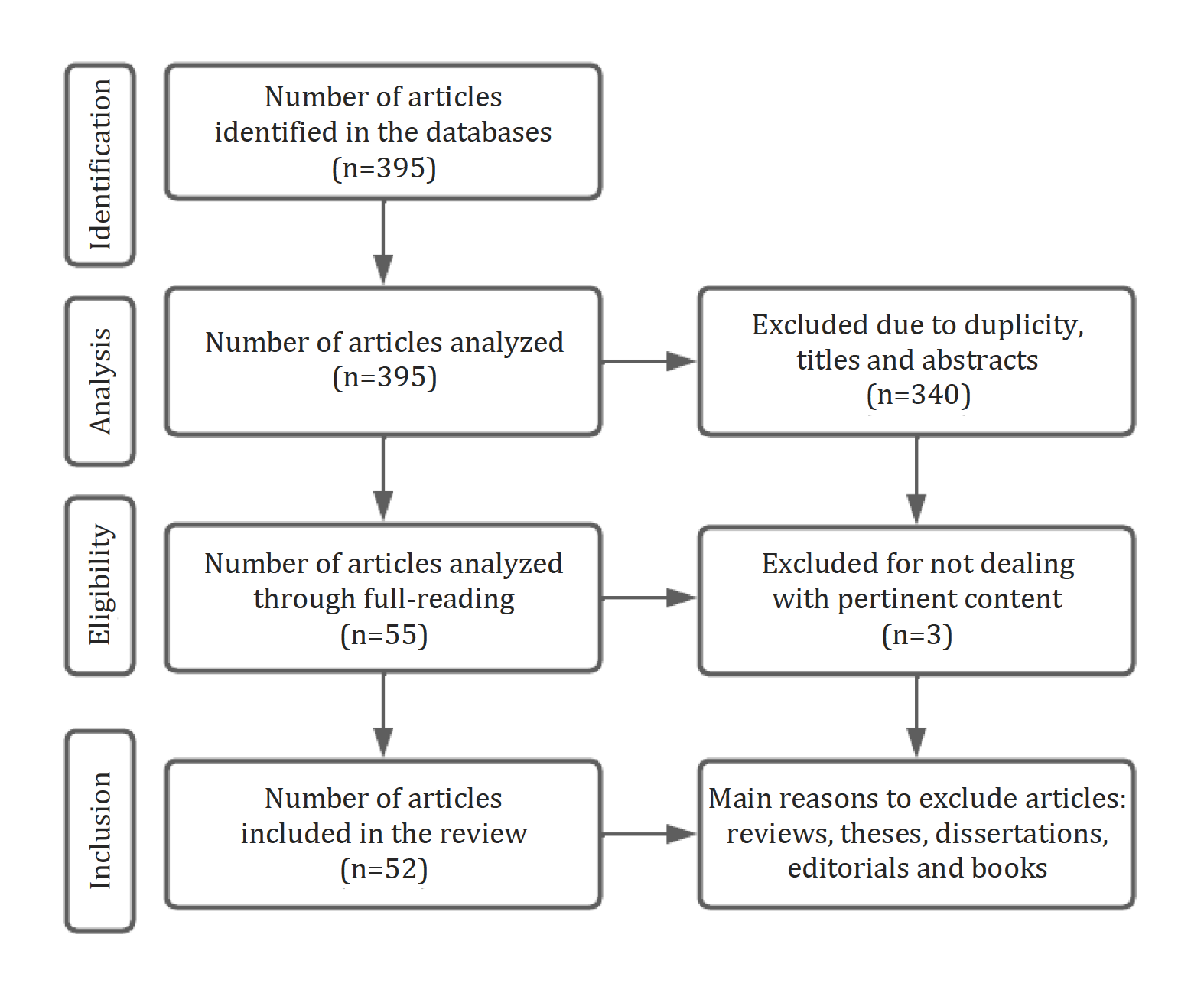
Figure 1 - Flowchart of the study selection process according to PRISMA-ScR (2018).
Data extraction from the articles selected was performed using a structured instrument created in Google Sheets, including author's name, year of publication, study locus, objective, methodology and main results.14 For the presentation of results, a table was created with the main characteristics of the studies, allowing grouping the data obtained for further discussion. The data analysis was conducted through descriptive statistics and thematic description, based on an extensive reading of the findings from the articles selected.
No similar review studies were found that align with what is being proposed here. For registration purposes, the scoping review protocol was registered with DOI: 10.17605/OSF.IO/H7QPU.
Results
After the evaluation and selection process of the articles, 52 studies were included in this review, published between 2003 and 2023, consistent with the stated objective. The results are presented in a table, highlighting their main characteristics. Three categories emerged from the analysis of the articles selected, namely: Challenges for implementing Nursing diagnoses in PHC; Potential for using Nursing diagnoses in PHC; and Creation and development of Nursing diagnoses and terminology subsets for PHC.
The highest number of publications (n=6) was found in 2016, 2019, 2020 and 2021, followed by 2013 and 2022 (n=4). Regarding the use of taxonomies, NANDA-I (n=25), CIPE (n=21), Omaha System (n=1) and both NANDA-I and CIPE (n=1) were utilized. As for the countries where the studies were conducted, most of them were carried out in Brazil (n=36), followed by Spain (n=12), Cuba (n=1), Chile (n=1), Sweden (n=1) and the United States (n=1). In terms of approach, the majority were quantitative (n=36), followed by qualitative (n=14) and mixed-methods (n=1).
Table 1 - Description of the information from the studies included.
|
Taxonomy |
Authors Country (Year) |
Methodology |
|
NANDA-I |
Gache et al. Cuba (2003) |
Longitudinal, descriptive, qualitative. |
|
Not specified |
Törnvall et al. Sweden(2004) |
Cross-sectional, quantitative study. |
|
NANDA-I |
Alves et al. Brazil (2006) |
Cross-sectional, quantitative study. |
|
NANDA-I |
Casado et al. Spain ( 2007) |
Reflective, qualitative study. |
|
CIPE |
Apostólico et al. Brazil (2007) |
Exploratory descriptive study, based on the Praxic Nursing Intervention Theory in Collective Health. |
|
NANDA-I |
Brito et al, Spain ( 2009) |
Cross-sectional observational study with a quantitative approach. |
|
Omaha System |
Hong et al. USA (2009) |
Retrospective descriptive study with a quantitative approach. |
|
CIPE |
Egry et al. Brazil (2009) |
Reflective, qualitative study. |
|
NANDA-I |
Freitas et al. Brazil (2011) |
Database-based supplementary study, with a quantitative approach. |
|
NANDA-I |
Aguilar et al. Spain ( 2011) |
Retrospective observational study with a quantitative approach. |
|
NANDA-I |
Araújo et al. Brazil (2012) |
Cross-sectional study with a quantitative approach. |
|
CIPE |
Brito et al. Brazil (2013) |
Experience report with a qualitative approach. |
|
CIPE |
Apostólico et al. Brazil (2013) |
Case study, descriptive and qualitative. |
|
CIPE |
Alves et al. Brazil (2013) |
Experience report with a qualitative approach. |
|
NANDA-I |
Oliveira et al Brazil (2013) |
Methodological study with a quantitative approach. Diagnosis validation. |
|
CIPE |
Luciano et al. Brazil (2014) |
Descriptive, retrospective study with a quantitative approach. |
|
CIPE |
Almeida et al. Brazil (2016) |
Experience report with a qualitative approach. |
|
CIPE |
Clares et al. Brazil (2016) |
Descriptive study with a quantitative approach. Development: Nursing diagnosis. |
|
NANDA-I |
Giordano et al. Chile (2016) |
Experience report with a qualitative approach. |
|
NANDA-I |
Pedro et al. Spain ( 2016) |
Content validation study with experts. |
|
CIPE |
Mazzo et al. Brazil (2016) |
Methodological study with a quantitative approach. |
|
NANDA-I |
Goris et al. Spain ( 2016) |
Cross-sectional study with a quantitative approach. |
|
CIPE |
Apostólico et al. Brazil (2017) |
Exploratory study with a quantitative approach. |
|
NANDA-I |
Sampaio et al. Brazil (2017) |
Cross-sectional study with a quantitative approach. |
|
CIPE |
Kahl et al. Brazil (2018) |
Qualitative research, based on the Grounded Theory. |
|
CIPE and NANDA-I |
Ribeiro et al. Brazil (2018) |
Descriptive-exploratory research with a quantitative approach. |
|
CIPE |
Costa et al. Brazil (2018) |
Descriptive, analytical and quantitative study. |
|
NANDA-I |
Gutierrez et al. Spain (2018) |
Cross-sectional study with a quantitative approach. |
|
NANDA-I |
Rodrigues et al. Brazil (2019) |
Descriptive research with a quantitative approach. |
|
NANDA-I |
Mota et al. Brazil (2019) |
Uncontrolled quantitative clinical trial. |
|
NANDA-I |
Enrique et al. Spain ( 2019) |
Exploratory, quantitative study. Flowchart construction with experts. |
|
NANDA-I |
Álvaro et al. Spain ( 2019) |
Retrospective epidemiological study with a quantitative approach. |
|
NANDA-I |
Santos et al. Brazil (2019) |
Cross-sectional study with a quantitative approach. |
|
CIPE |
Silva et al. Brazil (2020) |
Cross-sectional study with a quantitative approach. |
|
CIPE |
Barra et al. Brazil (2020) |
Methodological and validation study. |
|
NANDA-I |
Morais et al Brazil (2020) |
Cross-sectional study with a quantitative approach. |
|
CIPE |
Siega et al. Brazil (2020) |
Methodological study with a quantitative approach. |
|
NANDA-I |
Miguel Spain ( 2020) |
Delphi methodology with a quantitative approach. |
|
CIPE |
Costa et al. Brazil (2020) |
Methodological study with a quantitative approach. Diagnostic accuracy. |
|
Not specified |
Pérez-Rivas et al. Spain ( 2020) |
Cross-sectional descriptive study with a quantitative approach. |
|
Not specified |
Garcia et al. Brazil (2021) |
Descriptive study with a quantitative approach. |
|
Not specified |
Júnior et al. Brazil (2021) |
Documentary, retrospective and quantitative study. |
|
CIPE |
Costa et al Brazil (2021) |
Cross-sectional study with a quantitative approach. |
|
CIPE |
Silva et al. Brazil (2021) |
Methodological research with a quantitative approach. |
|
CIPE |
Zocche et al. Brazil (2021) |
Qualitative research. Validation and construction of a Nursing consultation instrument. |
|
CIPE |
Santos et al. Brazil (2021) |
Methodological, quantitative study. |
|
NANDA-I |
Severina et al. Brazil (2022) |
Cross-sectional study with a quantitative approach. |
|
CIPE |
Silva et al. Brazil (2022) |
Methodological study with a quantitative approach. |
|
NANDA-I |
Cavalcante et al. Brazil (2022) |
Cross-sectional study with a quantitative approach. |
|
NANDA-I |
Alves et al. Brazil (2022) |
Case study with a qualitative approach. |
|
NANDA-I |
Krepker et al. Brazil (2023) |
Methodological study, with qualitative and quantitative approaches. |
|
NANDA-I |
Fernandez et al. Spain ( 2023) |
Retrospective, with a quantitative approach. |
|
|
||
NANDA-I: North American Nursing Diagnosis Association International. CIPE: International Classification for Nursing Practice.
Challenges for implementing Nursing diagnoses in PHC
The literature shows that most NDs are incorporated into the NP. Nevertheless, there are challenges related to theoretical knowledge about the NP, incomplete Nursing consultation records, use of diagnoses focused on biological aspects, and difficulties accessing diagnoses.
A Cuban study15 evaluated the team's preparedness to apply the NP and demonstrated that, although nurses used correct and high-quality NDs, they faced theoretical knowledge gaps regarding the NP. Additionally, a study by Ribeiro and Padoveze16 assessed nurses' perceptions regarding the NP, with reports highlighting lack of academic training and preparation for its use in PHC. Some studies also reveal errors in the use of NDs. In the study by Sampaio et al.,17 conducted through Nursing consultations for patients with hypertension and diabetes, difficulties were identified in prioritizing problem-focused diagnoses, with higher prevalence of risk-related diagnoses. Errors were also found by Apostólico et al.,18 who identified challenges in defining NDs related to child domestic violence, mainly due to the standardization of Nursing care focused on identifying clinical and biological problems.
Some studies pointed out incompleteness of Nursing consultation records, with greater difficulties related to NDs.19-22 A study by Garcia et al.21 evaluated 314 Nursing records in PHC and showed that only 62.2% contained NDs. Corroborating this result, another study analyzed 190 Nursing records in charts of patient with tuberculosis and found that 88.9% did not include NDs, 66.8% lacked evaluations and 60.5% omitted data collection.22 Moreover, one study demonstrated that, even when a diagnosis was included, defining characteristics, related factors or risk factors were not provided.20 Törnvall, Wilhelmsson and Wahren19 reported that, in addition to incomplete records, there was predominance of diagnoses considered medical.
Furthermore, some articles also report that use of the diagnoses is limited to biological needs.17-18,21-23 In prenatal consultations, Costa et al.23 identified that most NDs addressed psychobiological needs, with a small proportion related to psychosocial needs and none related to psycho-spiritual needs. Similarly, Garcia et al.21 evaluated 314 Nursing consultation records with diverse populations and also identified predominance of biological diagnoses.
Another challenge in using NDs in PHC relates to the need for quick responses and constant decision-making due to time constraints and high service demand. Thus, nurses reported needing easily accessible informational resources and quick responses to ease adherence to using NDs.24
Potential for using Nursing diagnoses in PHC
This category highlights successful experiences and strategies that enhanced or eased the use of NDs in the practice, as well as study findings reasserting the critical role of NDs in the PHC context.
Initially, the value of using NDs, along with the other NP stages, stands out as an essential element for qualifying nurses' performance. The NP is recognized as a crucial component of nurses' clinical practice,24 while NDs serve as indicators of care needs and nurses' professional practice. In this sense, using NDs in PHC involves activities that help define and value nurses' work, as well as delineate the practice scope exclusive to Nursing.18-25 Despite the aforementioned challenges, one study16 highlighted that Nursing teams recognize the use of the Systematization of Nursing Care (SNC) and the NP stages as important for planning the Nursing practice, enabling standardized language and valuing this practice through documentation. This corroborates the findings of a Cuban study,15 which emphasized the high incidence of correct ND application in their experience.
Regarding the relationship between applying the NP and using NDs and PHC users' quality of life, a statistically significant difference was observed in adherence to systemic arterial hypertension treatment after Nursing interventions, which were conducted both individually and collectively. Practices related to "Readiness for Enhanced Therapeutic Regimen Management" and "Sedentary Lifestyle" emerged as the most prevalent NDs.26 Similarly, studies on the application of NDs in caring for people with chronic diseases such as Diabetes Mellitus and Systemic Arterial Hypertension and their impact on quality of life stand out.17,27-29
In this category, it is relevant to highlight several studies30-37 that addressed the potential of using protocols, flowcharts, practice guidance tools, standardized care plans and technology integration in implementing, consolidating and qualifying how NDs are used in the PHC practice. Building facilitators for targeted ND application encourages their use in daily work in this care setting, enabling continuous practice guided by the NP.
In the context of elderly population health care, the "Risk of Falls" diagnosis, combined with other instruments, represented an important strategy for identifying intrinsic and extrinsic factors contributing to falls in this population.38 Likewise, in the post-discharge context, the application of NDs focused on functionality and users' ability to perform activities stands out.39 The "Risk of Falls" diagnosis was frequent in the Spanish context.40
In a Chilean experience report,41 the authors highlighted that applying the NP and using NDs in the health care service of a family unit were related to better planning and health performance, showing the usefulness of using the Nursing process in family studies.
Another relevant theme that emerged was studies related to the application and frequency of NDs in specific population segments, particularly with the application of descriptive prevalence studies of NDs, where the thematic organization of NDs is associated in the literature with a better interpretation of the ND application scenario. A cross-sectional study conducted in Spain42 identified Acute Pain, Ineffective Therapeutic Regimen Management, Risk of Infection, Chronic Pain, Imbalanced Nutrition, Anxiety, Impaired Skin Integrity, Risk of Falls, Risk of Unstable Blood Glucose and Caregiver Role Strain as the most frequent NDs from the NANDA-I taxonomy in the PHC context. In the United States, a study addressing interventions and NDs according to the Omaha System taxonomy described applications in vulnerable populations, where diagnoses in the physiological domain were the most frequent.43
The highest number of studies related to NDs was observed in maternal breastfeeding follow-up and child health care.18,44-48 In maternal follow-up, one study addressed NDs for postpartum women,49 while another23 focused on the use of CIPE® diagnoses in prenatal care, where most of them addressed psychobiological needs involving nutrition, hydration, elimination and exercise and physical activity needs.
Creation and development of Nursing diagnoses and terminology subsets for PHC
The identification of individual needs in PHC, considering the sociocultural reality of each country, stimulates the development and reassessment of Nursing diagnoses within the taxonomies used. This section presents studies that address both the development (creation and validation) of Nursing diagnoses and of terminology subsets for taxonomies.
During the review of terms and concepts relevant to nurses' practice in PHC, it is possible to identify those not included in related databases, as well as to formulate diagnoses pertinent to the needs observed by nurses during Nursing consultations.50 Constructing Nursing diagnostic statements contributes to improving standard languages/taxonomies, as PHC clinical nurses must observe the health needs of those they serve based on clinical reasoning. In this way, effective and practice-related diagnoses are essential for continuity of the Nursing process.51
When validating diagnoses, those that encompass a balance between biological, psychological and social spheres are prioritized. To this end, expert nurses' technical-scientific knowledge level for validation requires integrating the care reality with expertise related to the topic under study. In turn, expert evaluation allows indicating possible diagnoses according to the PHC reality.52
The validation of diagnoses in the aforementioned studies enables their implementation in PHC care practices. Thus, their definition assists in care planning through information organization. In this way, they can be understood and identified by their specificity and proximity to the PHC reality, with "priority" or "high priority" diagnoses as those that encompass multiple aspects of the patients' sociodemographic characteristics. The review of diagnoses also allows for restructuring elements and bridging the gap between theory and practice.52
The development of a terminology subset enables defining diagnoses and interventions relevant to a specific group, conceptually organized, supporting care based on careful assessment. The validation of a subset by nurses brings diagnoses closer to the clinical practice, considering compatibility with nurses' experiences.37,49,53
Discussion
The findings of this review reassert the relevance of the NP and the application of NDs for qualified professional practice in the PHC context. On the one hand, there are challenges to applying NDs in PHC, ranging from professionals' knowledge for correct application and recording of stages to adequacy of ND taxonomies for this context. On the other hand, the literature highlights a series of potentials for their application. The herein studies reviewed seem to link application of appropriate NDs to the clinical practice with improved decision-making by nurses in their work process and, consequently, in the service users' quality of life.
Along with the organization of protocols and workflows for applying these diagnoses, the creation of specific nomenclatures and NDs for PHC is a strategy pointed out to enhance and streamline the NP, favoring its consolidation. These findings align closely with those reported in another recent review study,54 where the authors discuss the importance of NDs for a practice focused on basic human needs, overcoming the disease-centered approach. It is worth noting that the nomenclatures traditionally used in Nursing have been more oriented toward hospital practice, except for those that underwent specific adaptation processes, such as the International Classification for Nursing Practice in Collective Health (ICNPCH) and the International Classification of Primary Care (ICPC).
In this sense, thinking about how to adapt nomenclatures that advance particularly in collective care and self-care issues can improve the use of NDs. It is therefore important to revisit the Nursing work process in PHC, described in the literature as comprehensive, encompassing dimensions of both collective and individual care at various life cycle stages and across diverse sociocultural contexts.55 Even so, it is worth noting that Nursing consultations are the most common form of clinical practice in this context, as highlighted by a cross-sectional study.56
A relevant issue to highlight is the difficulty correlating and establishing dialogue between the nomenclatures used in ND taxonomies and those from other professional fields. NANDA-I/NIC/NOC and CIPE/CIPESC lack the potential for communication with other professional categories, which poses a challenge in coordinating work within PHC.54 Coordination among various professionals is essential for comprehensive care in PHC and has been discussed in the national literature.57 Similarly, international debates emphasize the importance of interprofessional collaboration and of adopting a broader perspective on health needs.58-59
The consolidation of ND taxonomies in the PHC context requires a deep and necessary discussion about language and care practice adaptations, guided by the longitudinal and holistic nature of care, which is largely the potential of PHC.
Despite the breadth of this article, encompassing studies conducted in different realities, the authors acknowledge the limitation referring to predominance of studies from Western countries, especially in the Americas (particularly Brazil). Thus, an expanded discussion addressing the realities of nations with different systems and primary care organization was not feasible. This article aims at contributing to the clinical practice in PHC by presenting knowledge developed regarding the application of NDs in a relatively understudied context, which is crucial for developing standardized Nursing languages.
Aggregation of this information allows for an understanding of where Nursing currently stands in terms of creating, developing, reviewing and maintaining Nursing diagnoses in PHC. The challenges of implementing NDs in PHC do not negate the potential of this practice; in fact, using NDs proves effective and necessary, given the specificity of the PHC context.
Final Considerations
The consolidation of standardized languages in describing health/disease issues may not only enhance Nursing care processes but also ease the implementation of records that enable interdisciplinary dialogue within PHC. Identifying the needs of individuals served in primary care is a fundamental part of implementing the NP, and using NDs tailored to the PHC reality contributes to clinical nurses' practice as well as to more accurate care for those using these services.
This study successfully identified general trends regarding how NDs are used in PHC, including their application and existing gaps hindering their consolidation. No scoping reviews as broad as the current one were found in the literature reviewed. Despite the challenges raised regarding the use of NDs in PHC, it is understood that this discussion holds potential for strengthening Nursing practices and, to a large extent, for enhancing Brazilian PHC, a field led by Nursing care.
Authors' Contributions
Conception of this study: Rafael Cerva Melo, Franciela Delazeri Carlotto, Daniel Magno Galdino. Data collection: Rafael Cerva Melo, Franciela Delazeri Carlotto, Daniel Magno Galdino, Nikole Martins de Figueiredo, Andriws Lara Barão. Data analysis and interpretation: Rafael Cerva Melo, Franciela Delazeri Carlotto, Daniel Magno Galdino, Nikole Martins de Figueiredo, Andriws Lara Barão, Deise Lisboa Riquinho. Writing of the manuscript: Rafael Cerva Melo, Franciela Delazeri Carlotto, Daniel Magno Galdino. Critical review of the manuscript: Rafael Cerva Melo, Franciela Delazeri Carlotto, Deise Lisboa Riquinho. Approval of the final version of the article. Deise Lisboa Riquinho.
Conflict of interest
The authors declare that there are no conflicts of interest.
Acknowledgments
We wish to thank Dr. Karina de Oliveira Azzolin, Dr. Amália de Fátima Lucena, Dr. Maria da Graça de Oliveira Crossetti and Dr. Miriam de Abreu Almeida, professor of Advanced Studies in Nursing Process, from the Graduate Nursing Program at the Federal University of Rio Grande do Sul, for their invaluable support and critical reading, which were fundamental in conceiving this paper.
References
- Chiavone FBT, Paiva R de M, Moreno IM, Pérez PE, Feijão AR, Santos VEP. Tecnologias utilizadas para apoio ao processo de enfermagem: revisão de escopo. Acta Paul. Enferm. [Internet]. 2021;34:eAPE01132. DOI: https://doi.org/10.37689/acta-ape/2021AR01132
- Yura H, Walsh MB. The nursing process: assessment, planning, implementation and evaluation. New York (USA): Appleton-Century-Crofts; 1967.
- Barros ALBL de, Lucena A de F, Almeida M de A, Brandão MAG, Santana RF, Cunha ICKO, et al.. The advancement of knowledge and the new Cofen resolution on the Nursing Process. Gaúcha Enferm. 2024;45:e20240083. DOI: https://doi.org/10.1590/1983-1447.2024.20240083.en
- Carpenito LJ. Manual de Diagnósticos de Enfermagem. Porto Alegre: Artmed; 2018. 1176 p.
- Conselho Federal de Enfermagem. Resolução COFEN nº 736 de 2024. Brasília: Conselho Federal de Enfermagem; 2024 [cited 2025 Jul 10]. Available from: https://www.cofen.gov.br/resolucao-cofen-736-2024
- Nunciaroni, AT, Cunha CLF, Borges FA, Souza IL de, Koster I, Souza IS de, Silva L dos S, Ferreira SRS. Enfermagem na APS: contribuições, desafios e recomendações para o fortalecimento da Estratégia Saúde da Família. APS em Rev. 2022;4(1):61–80. DOI: https://doi.org/10.14295/aps.v4i1.234
- Pires R de CC, Lucena AD, Mantesso JB de O. Atuação do enfermeiro na atenção primária à saúde (APS): uma revisão integrativa da literatura. Recien. 2022 ;12(37):107-14. Available from: https://www.recien.com.br/index.php/Recien/article/view/600
- Spazapan MP, Marques D, Almeida-Hamasaki BP, Carmona EV. Nursing Process in Primary Care: perception of nurses. Bras. Enferm. 2022;75(6):e20201109. DOI: https://doi.org/10.1590/0034-7167-2020-1109pt
- Macedo ER, Basílio ACM, Silva BJR, Santos BDV, Andrade CR de, Souza G de, Pardini RD. Fatores que dificultam a aplicação do processo de enfermagem pelos enfermeiros da atenção primária à saúde. REAS. 2022;15(2):e9584. DOI: https://doi.org/10.25248/reas.e9584.2022
- Tinôco JD, Silva LS, Medeiros TM, Grande ME, Guedes ML, Fernandes MI, et al. Jogo Enfermeiro Diagnosticador para ensino do raciocínio diagnóstico em enfermagem: estudo quase-experimental. Acta Paul. Enferm. 2023;36:eAPE00001. DOI: https://doi.org/10.37689/acta-ape/2023AO00011
- Macedo ER., Basílio ACM, Silva BJR., Santos BDV, Andrade CRG, Pardini RD. Fatores que dificultam a aplicação do processo de enfermagem pelos enfermeiros da atenção primária à saúde. Rev. Eletr. Acervo Saúde. 2022;15(2):e9584. DOI: https://doi.org/10.25248/reas.e9584.2022
- Joanna Briggs Institute (JBI). Aromataris E, Munn Z (Editors). JBI Manual for Evidence Synthesis. JBI. 2020. DOI: https://doi.org/10.46658/JBIMES-20-01
- Tricco AC, Lillie E, Zarin W, O’Brien KK, Colquhoun H, Levac D, et al. PRISMA Extension for Scoping Reviews (PRISMA-ScR): Checklist and Explanation. Ann. of Internal. Medicine. 2018;169(7):467–73. DOI: https://www.acpjournals.org/doi/10.7326/M18-0850
- Melnyk BM, Fineout-Overholt E. Evidence-Based Practice in Nursing & Healthcare: A Guide to Best Practice [Internet]. Google Books. Lippincott Williams & Wilkins; 2022 [cited 2023 Sep 8]. Available from: https://books.google.com.br/books?hl=pt-PT&lr=&id=EPaBEAAAQBAJ&oi=fnd&pg=PT26&dq=Making+the+case+for+evidence-based+practice.+In:+Melnyk+BM
- Gache OO, Oquendo DD, Vázquez IH, Ibáñez ML. Preparación del personal para la aplicación del proceso de atención de enfermeria. Policlínico Mario Muñoz. Vertientes 2001. Archivo Médico Camagüey [Internet]. 2015 [cited 2023 Sep 8];7(6). Available from: https://revistaamc.sld.cu/index.php/amc/article/view/3164
- Ribeiro GC, Padoveze MC. Nursing Care Systematization in a basic health unit: perception of the nursing team. Esc. Enf. da USP. 2018;52(0). DOI: https://doi.org/10.1590/S1980-220X2017028803375
- Sampaio F de C, Oliveira PP de, Mata LRF da, Moraes JT, Fonseca DF da, Vieira VA de S. Profile of nursing diagnoses in people with hypertension and diabetes. Invest. y Educ. en Enfermería. 2017;35(2):139–53. DOI: https://doi.org/10.17533/udea.iee.v35n2a03
- Apostolico MR, Cubas MR, Altino DM, Pereira KCM, Egry EY. Contribuição da CIPESC® na execução das políticas de atenção à saúde da criança no município de Curitiba, Paraná. Texto Contexto Enferm. 2007;16(3):453–62. DOI: https://doi.org/1590/S0104-07072007000300011
- Törnvall E, Wilhelmsson S, Wahren LK. Electronic nursing documentation in primary health care Scand. Caring Sci. 2004;18:310–317. DOI: https://doi.org/10.1111/j.1471-6712.2004.00282.x
- Rodríguez-Álvaro M, Brito-Brito PR, García-Hernández AM, Aguirre-Jaime A, Fernandez-Gutierrez DA. The Grieving Nursing Diagnoses in the Primary Healthcare Setting. Int. J. Nurs. 2019;30(1):34-42. DOI: https://doi.org/10.1111/2047-3095.12202
- Garcia NP, Lettiere-Viana A, Santos F, Matumoto S, Kawata LS, Freitas KD. The nursing process in postpartum consultations at Primary Health Care Units. Esc. Enferm. USP. 2021;55:e03717. DOI: https://doi.org/10.1590/S1980-220X2020005103717
- Silva Júnior JNB, Guedes HCS, Januário DC, Silva ACO, Palha PF, Nogueira MF, et al. Unsatisfactory completeness of nurses’ records in the medical records of users with tuberculosis. Bras. Enferm. 2022;75(3):e20210316. DOI: https://doi.org/10.1590/0034-7167-2021-0316
- Costa ER, Pina MM, Jensen R, Jamas MT, Parada CM. Perfil de diagnósticos de enfermagem CIPE® para pré-natal, por trimestre gestacional. Acta Paul. Enferm. 2021;34:eAPE00575. DOI: https://doi.org/10.37689/acta-ape/2021AO00575
- Kahl C, Meirelles BHS, Lanzoni GMM, Koerich C, Cunha KS. Actions and interactions in clinical nursing practice in Primary Health Care. Esc. Enferm. USP. 2018;52:e03327. DOI: http://dx.doi.org/10.1590/S1980-220X2017025503327
- Del-Pino-Casado R, Martínez-Riera JR. Estrategias para mejorar la visibilidad y accesibilidad de los cuidados enfermeros en atención primaria de salud. de adm. sanit. 2007;5(2):311-337. Available from: https://www.researchgate.net/publication/28225753_Estrategias_para_mejorar_la_visibilidad_y_accesibilidad_de_los_cuidados_enfermeros_en_atencion_primaria_de_salud#fullTextFileContent
- Mota BAM, Moura-Lanza F, Nogueira-Cortez D. Efetividade da consulta de enfermagem na adesão ao tratamento da hipertensão arterial sistêmica. Rev. Salud Pública. 2019; 21(3):324-332. DOI: https://doi.org/10.15446/rsap.V21n3.70291
- Freitas RWJF de, Araújo MFM de, Marinho NBP, Damasceno MMC, Caetano JÁ, Galvão MTG. Fatores relacionados ao diagnóstico de enfermagem autocontrole ineficaz da saúde entre diabéticos. Acta Paul. Enferm. 2011;24(3):365–72. DOI: https://doi.org/10.1590/S0103-21002011000300010
- Araújo MFM de, Alencar AMPG, Araújo TM de, Damasceno MMC, Caetano JÁ, Ximenes LB, et al. Readiness for enhanced self-health management among people with diabetes mellitus. Acta Paul. Enferm. 2012;25:133–9. Available from: https://www.scielo.br/j/ape/a/5M35McZ8bnM348pdyRcGLcb/?lang=en
- Severina IC, Lima LR de, Funghetto SS, Santos WS, Volpe CRG, Stival MM. Padrão de sexualidade ineficaz de idosos com Diabetes mellitus. Anna Nery. 2022;26. DOI: https://doi.org/10.1590/2177-9465-EAN-2021-0326pt
- Egry EY. Cipescando rumo à equidade: reflexões acerca da Classificação Internacional de Práticas de Enfermagem em Saúde Coletiva. Rev. Bras. Enferm. 2009;62(5):762–5. DOI: https://doi.org/10.1590/S0034-71672009000500020
- Alves KYA, Dantas CN, Salvador PTCO, Dantas RAN. Vivenciando a classificação internacional de práticas de enfermagem em saúde coletiva: relato de experiência. Esc. Anna Nery. 2013;17(2):381-388. DOI: https://doi.org/10.1590/S1414-81452013000200025
- Mazzo MHSN, Brito RS. Nursing instrument to attend mothers who recently gave birth in primary health care. Bras. Enferm. 2016;69(2):294-303. DOI: http://dx.doi.org/10.1590/0034-7167.2016690215i
- Lumillo-Gutierrez I, Romero-Sánchez JM, D'Agostino F, Paramio-Cuevas JC, Fabrellas N, Moreno-Corral LJ, Paloma-Castro O. Nurses' characteristics and practice environments: Comparison between clusters with different attitude and utilisation profiles regarding nursing diagnosis. J. Nurs. Manag. 2019;27(1):93-102. DOI: https://doi.org/ https://doi.org/10.1111/jonm.12652
- Monsalvo San Macario E, Sarrión Bravo JA. Consulta de Alta Resolución en Cuidados: desempeñando competencias de la Enfermera Especialista en Familia y Comunidad. 2019;13(4):13410. Available from: https://scielo.isciii.es/scielo.php?script=sci_abstract&pid=S1988-348X2019000400009&lng=es&nrm=iso&tlng=en
- Miguel Barbero Carlota de. Estandarización del diagnóstico y plan de cuidados enfermero ante el "Riesgo del síndrome de la Fragilidad del Anciano”. 2020;14(2):14209. Available from: http://scielo.isciii.es/scielo.php?script=sci_arttext&pid=S1988-348X2020000200009&lng=es
- Pérez-Rivas FJ, Martín-García Á, Sánz-Bayona MT, Fernández-Díaz MC, Barberá-Martín A, Cárdenas-Valladolid J, López-Palacios S, Rico-Blázquez M; nurses at the Quality of Care Commission of the Community of Madrid, Spain. Establishing Technical Values for Nursing Diagnoses in Primary Healthcare. Int. J. Nurs. 2020;31(2):124-133. DOI: https://doi.org/10.1111/2047-3095.12253
- Santos JC, Dutra HS. Nursing protocol in chronic kidney disease prevention in older adults in primary care. Rev Bras Enferm. 2023;76(1):e20220052. DOI: https://doi.org/10.1590/0034-7167-2022-0052
- Santos PHFS, Stival MM, Santos WS, Volpe CRG, Rehem TCMSB, Funghetto SS. Nursing diagnosis Risk for Falls in the elderly in primary healthcare. Bras. Enferm. 2020;73(Suppl 3):e20180826. DOI: https://dx.doi.org/10.1590/0034-7167-2018-0826
- Aguilar LV, Pancorbo-Hidalgo PH. Diagnósticos, resultados e intervenções de enfermagem identificados em pacientes idosos multipatológicos após a alta hospitalar. Gerokomos. 2011;22(4):153-161. DOI: https://dx.doi.org/10.4321/S1134-928X2011000400002
- Domínguez-Fernández S, Ajejas-Bazán MJ, Pérez-Rivas FJ. Evaluation of the use of a nursing diagnosis Risk for Falls in the Community of Madrid (Spain) Primary Care System. Int. J. Nurs. Knowl. 2023 Mar 1. DOI: https://dx.doi.org/10.1111/2047-3095.12421
- Parra-Giordano D, González-Molina D, Pinto-Galleguillos D. Proceso de enfermería en un estudio de familia de persona adulta mayor en atención primaria de salud. Enferm. univ . 2017;14(1):67-75. DOI: https://doi.org/10.1016/j.reu.2016.11.003
- Brito Brito Pedro Ruyman. Diagnósticos enfermeros priorizados en atención primaria. glob. 2009;16. Available from: http://scielo.isciii.es/scielo.php?script=sci_arttext&pid=S1695-61412009000200008&lng=es
- Hong WHS, Lundeen SP. Using ACHIS to Analyze Nursing Health Promotion Interventions for Vulnerable Populations in a Community Nursing Center: A Pilot Study. Nurs. Research. 2009;3(3):130–8. DOI: https://doi.org/10.1016/S1976-1317(09)60024-4
- Luciano TS, Nóbrega MML, Saparolli ECL, Barros ALBL. Mapeamento cruzado de diagnósticos de enfermagem em puericultura utilizando a Classificação Internacional de Práticas de Enfermagem. Esc. Enferm. USP. 2014;48(2). Available from: https://www.scielo.br/j/reeusp/a/TdVwbbCrcQGzjmxVLWCJBCM/?format=pdf&lang=pt
- Costa P, Duarte AP, Belela-Anacleto ASC, Andrade PR, Balieiro MMFG, Veríssimo MDLOR. Nursing diagnoses in primary health care consultations to newborns. Rev. Bras. 2018;71(6):2961-8. DOI: http://dx.doi.org/10.1590/0034-7167-2017-0954
- Rodrigues LN, Santos AS, Torquato RC, Lopes APA, Gomes PPS, Chaves EMC. Diagnósticos de enfermagem relacionados à amamentação em nutrizes acompanhadas na atenção primária à saúde. Foco. 2029;10(6):125-130. Available from: https://enfermfoco.org/wp-content/uploads/articles_xml/2357-707X-enfoco-10-06-0125/2357-707X-enfoco-10-06-0125.pdf
- Morais EPAM et al. Avaliação do diagnóstico de enfermagem amamentação ineficaz em puérperas. Rev. Cub. de Enfermería. 2020; 36(1):e3112. Available from: https://pesquisa.bvsalud.org/portal/resource/pt/biblio-1280231
- Cavalcante TF, de Oliveira LR, Moreira RP, Costa EC, de Souza Maciel Ferreira JE. Ineffective health management in people with type 2 diabetes. Int. J. Nurs. 2022;33(1):64-71. DOI: https://doi.org/10.1111/2047-3095.12331
- Silva LLSB , Jordão RRR , Mendes RCMG , Holanda VR , Perrelli JGA , Mangueira SO. Diagnósticos de enfermagem CIPE® identificados em puéperas na atenção primária à saúde. Enferm. Foco 2021;12(3):520-5. DOI: https://doi.org/10.17665/1676-4285.20236664
- Clares JWB, Guedes MVC, Silva LF, Nóbrega MML, Freitas MC. Subset of nursing diagnoses for the elderly in Primary Health Care. Esc. Enferm. USP. 2016;50(2):270-276. DOI: http://dx.doi.org/10.1590/S0080-623420160000200013
- Silva, Halene Cristina Dias de Armada e et al. Construction and validation of nursing diagnoses for people with diabetic foot ulcers. Esc. Enferm. USP. 2022;56(e20220022). DOI: https://doi.org/10.1590/1980-220X-REEUSP-2022-0022en
- Barra DCC, Gapski GB, Paese F, Dal Sasso GTM, Sousa PAF, Alvarez AG, et al. Validation of nursing diagnosis for nursing consultation on home visit to adults. Bras. Enferm. 2021;74(2):e20200115. DOI: http://doi.org/10.1590/0034-7167-2020-0115
- Siega CK, Adamy EK, Sousa PAF, Zanatta EA. ICNP® terminology subset to infants in Primary Health Care. Bras. Enferm. 2020;73(Suppl 6):e20190742. DOI: http://dx.doi.org/10.1590/0034-7167-2019-0742
- Vilas Boas MAA, Caballero SPOS, Gryschek ALDFPL, Fracolli LA, Padoveze MC. Análise crítica do potencial de utilização das nomenclaturas de enfermagem na atenção primária à saúde. Foco. 2020; 13:10(7). Available from: https://biblioteca.cofen.gov.br/wp-content/uploads/2020/03/2471-13213-2-PB.pdf
- Malham AS, Breton M, Touati N, Maillet L, Duhoux A, Gaboury I. Changing nursing practice within primary health care innovations: the case of advanced access model. BMC Nursing. 2020;19(1). DOI: https://doi.org/1186/s12912-020-00504-z
- Alvarenga J da PO, Sousa MF de. Processo de trabalho de enfermagem na Atenção Primária à Saúde no estado da Paraíba – Brasil: perfil profissional e práticas de cuidados na dimensão assistencial. Saúde debate. 2023; 46(135). DOI: https://doi.org/10.1590/0103-1104202213509
- De Fátima M, Sousa AM, Samyra P, Lustoza Xavier, De Lima Rodrigues A, Fernandes Lima T, et al. Trabalho em equipes multiprofissionais na atenção primária no Ceará: porosidade entre avanços e desafios. Saúde debate. 2021;45(131). DOI: https://doi.org/10.1590/0103-1104202113104
- Almujadidi B, Adams A, Alquaiz A, Van Gurp G, Schuster T, Andermann A. Exploring social determinants of health in a Saudi Arabian primary health care setting: the need for a multidisciplinary approach. Int. J. for Equ. in Health. 2022;16;21(1). DOI: https://doi.org/10.1186/s12939-022-01627-2
- Mawardi F, Lestari AS, Randita ABT, Kambey DR, Prijambada ID. Strengthening Primary Health Care: Emergency and Disaster Preparedness in Community with Multidisciplinary Approach. Dis. Med. and Public Health Prep. 2020;15(6):675-676. DOI: https://doi.org/10.1017/dmp.2020.143
Corresponding Author
Name: Rafael Cerva Melo
E-mail: rafael.cerva@ufrgs.br
© The Author(s) 2025. This work is licensed under Creative Commons Attribution 4.0 International. License text for use: https://creativecommons.org/licenses/by/4.0/
 Português (Brasil)
  English
  Español (España)