Idioma
Emotional experiences and coping styles of Brazilians in Canada during the Covid-19 pandemic facing stressful situations with their family and friends in Canada and Brazil
 Margareth Santos Zanchetta1, Idevania Geraldina Costa2, Stephanie Pedrotti Lucchese3, Mavi Galante Mancera Molinari Blotta4, Clarissa Moura de Paula5, Talita Maciel6, Marcelo Medeiros7, Rosana Barbosa8, Walterlânia Silva Santos9, Kelly Graziani Giacchero Vedana10, Vanessa Fracazzo11, Kênia Lara Silva12, Maria Odete Pereira13
1,4,5,6Toronto Metropolitan University. Toronto (ON), Canada.
2Lakehead University. Thunder Bay (ON), Canada.
3McMaster University. Hamilton (ON), Canada.
7Federal University of Goiás. Goiânia (GO), Brazil.
8Saint Mary’s University. Halifax (NS), Canada.
9University of Brasília. Ceilândia (DF), Brazil.
10University of São Paulo. Ribeirão Preto (SP), Brazil.
11Centre-West State of Paraná University. Irati (PR), Brazil.
12,13Federal University of Minas Gerais. Belo Horizonte (BH), Brazil.
Introduction
Immigration to Canada has increased significantly in recent years with more than 235,000 immigrants coming to Canada each year since 2000.1 Beginning in the 1980s, Brazilian immigration to Canada has also increased considerably.2 There were 5,295 Brazilian immigrants living in Canada prior to 1991; 15,120 in 2006, and 36,830 in 2016.2 Resettlement to another country is a major challenge to one’s mental health since it involves social integration, struggles with discrimination, as well as difficulties mobilizing one’s talents and realizing their professional dreams.3 There are also challenges related to adapting to cultural norms, religious practices, and social networking/supports. Social support is a strong protective factor against mental health problems4 and there is clinical evidence that shows it can lead to positive psychological outcomes such as increased self-esteem, resilience, and self-efficacy.5,6
In Canada, a survey found that 82.1% of participants reported social connection with friends and family to be a key coping strategy during the COVID-19 pandemic7 highlighting the importance of developing ways to engage friends and family remotely to prevent the spread of the virus and promote mental health well-being. During the COVID-19 pandemic, recent immigrant’s reported fair or poor mental health in relation to the COVID-19 pandemic compared to their Canadian counterparts.8 Research is required to examine the emotional experiences of the pandemic within immigrant communities in Canada. With the increase in Brazilian immigration to Canada, it is important to explore the psychological experiences during the pandemic among this cultural group to better understand and address their health needs. There was no scientific literature exploring the emotional health impact of Brazilian immigrants in Canada, let alone studies that assess the COVID-19 pandemic’s emotional impact. Furthermore, no specific studies were identified in the international literature focusing on Brazilian immigrants, refugees, undocumented immigrants, stateless individuals, or even those who were unable to leave a foreign country during the COVID-19 pandemic’s emergency phase.
Conceptual framework
Our research was guided by an original conceptual framework that posed questions to participants designed to prompt a wide array of responses, as well as supported data analysis and interpretation. The framework was inspired by Lazarus and Folkman’s Transactional Model of Stress and Coping (TMSC).9 The TMSC, as a theoretical model, considers coping to be cognitive and behavioral efforts to adapt to specific situations appraised to be stressful by an individual, with stressful situations classified as involving harm/loss, threat, or challenge. The TMSC seeks to capture the emotional response or “style” that is evoked during a stressful situation. “Emotion-focused” styles can include strategies of avoidance, minimization, distancing, selective attention, positive comparisons, and get positive values from negative events, which can be adaptive or maladaptive. Another coping strategy is “problem-focused,” which involves an active search to solve stressful situations. More recently, Folkman10,11 proposed a “meaning-focused” coping style whose types are benefit finding, benefit reminding, adaptive goal processes, and recording priorities. Whatever the coping strategy, the individual tries to reshape significance, priority, and value. Personal beliefs and values that allow a person to keep up their motivation and sustain their coping strategies during a stressful situation are the focus.11 The framework drove the retrieval and identification of a tendency towards coping strategies but did not allow for their in-depth analysis due to the superficiality of the collected responses.
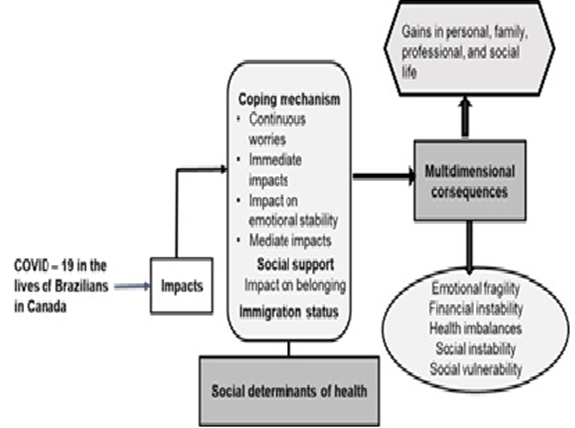
Figure 1 - Conceptual Framework. Toronto (ON), Canada, 2021.
Research question
What was the overall emotional experience of Brazilians living in Canada during the COVID-19 pandemic?
Objective
To identify emotional experiences of Brazilians in Canada during the COVID-19 pandemic and the coping strategies they adopted in the face of stressful situations for themselves, their families, and friends in both Canada and Brazil.
Method
This research was reviewed and approved by the Toronto Metropolitan University Research Ethics Board: REB #2021-194-1; Lakehead University: Romeo File No: 1468750; and St. Mary’s University Research Ethics Board: 21-111 all located in Canada. All participants provided explicit online, informed consent.
The research design was a modified online survey. It was created from a qualitative perspective12 aimed at redesigning methodological strategies to make the recruitment and data collection feasible in unknown and especially hard-to-reach settings.13 The survey questionnaire applied senior qualitative and quantitative researchers’ expertise in qualitative and quantitative research. It was implemented as a part of a convergent mixed-methods design.14 The design has a single-phase approach with combined collection of quantitative data and gathering of qualitative evidence but with separate analysis of both evidence for a further comparison of both sets of results.
Participants
Brazilians living in Canada composed the purposeful sample.15 The criteria of inclusion were: (a) 18 years and above; (b) born in Brazil or of Brazilian descent; (c) living in Canada during the COVID-19 pandemic; (d) access to the internet; and (e) willingness to provide the implied consent for online survey and/or for phone-online individual interview. The criteria of exclusion were: (a) younger than 18 years of age at the time of the research; (b) not living in Canada during the COVID-19 pandemic; and (c) if in Canada but without a relative living in Brazil during the COVID-19 pandemic.
Criterion sampling, which is a form of purposive sampling, was used to recruit and select participants who have experienced the phenomenon of interest.16 A variety of strategies were used for the recruitment, such as: (a) informative video (https://www.youtube.com/watch?v=pio7-UgQNhQ); (b) snowball sampling; and (c) posting announcements on social media and conducting online presentations supported by community stakeholders.
Data Collection
Data collection ran from July – October 2021 following the wide dissemination of a recruitment video and announcement among Brazilian professional and social networks in Canada.
Measures
The original questionnaire did not intend to serve as a coping inventory tool; it was not designed so that the answers could allow for the categorization of coping strategies. The use of the theoretical model inspired us to create the answer options as possibilities of actions and behaviors socially and legally contextualized and acceptable to what was experienced in Canadian society at the time of data collection. Only a questionnaire created, tested, and validated by psychology experts would allow the allocation of answers into coping categories.
The questionnaire had 26 close-ended questions and among them, five with “other” as a response option, which allowed for short narrative responses, and one open-ended question. The questionnaire was available in English, Portuguese, and French, and was designed for the exploratory descriptive part of the research. The major content sections were basic demographics (gender, sex, age, province of residence), time living in Canada, identity as a health professional or health sciences student, number of people living in the household, barriers and factors that prevented travel to Brazil (e.g., student visa, work permit, etc.), frequency to which participants had maintained contact with family and friends in Brazil and in Canada, and those individuals’ health needs in Brazil during the COVID-19 pandemic. The questionnaire explored the pandemic’s impacts on personal emotions, family members, acquaintances, or friends who experienced any severe health problem, hospitalization, or death due to the pandemic in Brazil, sought help to deal with emotions caused by the pandemic, sought help from their Brazilian social network in Canada, ways of dealing with emotions, self-perception of general health, access to emotional health services in the Portuguese language, practice of socializing, approach to coping with the pandemic, concerns related to relatives in Brazil, and strategies to monitor family events in Brazil. The type of scales used to measure the items on the instrument were categorical, continuous scales, and ranking.
Questionnaire validity was not established representing threats to construct validity. The team used two specific strategies to secure content validity by having themselves as natural experts regarding the phenomenon under investigation. The development of the questions and response options was done in two rounds: (a) Brazilian co-investigators (n=7) who were living in Canada designed questions based on their own experiences of geographical separation from Brazilian relatives living in Brazil, and (b) Brazilian co-investigators (n=8) who were living in Brazil helped develop questions that expressed the uniqueness of lived situations during the COVID-19 pandemic, time-bounding is the main threat to external validity because the results cannot be generalized to past or future situations.14 Participants’ histories can be listed as a threat to internal validity because their experiences may jeopardize the researcher’s ability to draw correct inferences about the population from the data.
The first author (a Brazilian diaspora nursing faculty fluent in Portuguese, English, and French) supervised the translation of the questionnaires by the bilingual co-investigators (French/Portuguese and English/Portuguese) and reviewed them to secure semantic appropriateness. All questionnaires were revised and edited to accommodate native speakers using simple, plain language to allow for high comprehension by the prospective participants. The decision to present multiple response options for an online questionnaire follows the current trends of online research13 within the perspective of global health.
The online survey was used because it was the only feasible way to reach participants in distant geographic regions without depending on government post services, which were highly disturbed during the period of data collection. Moreover, this methodological choice was also due to the known higher response rate of online questionnaires compared to other forms of delivery, thus avoiding bias by non-response.16,17
Analysis
There was no inferential analysis because this research was descriptive and did not formulate inferential hypotheses, and no inferential tests were performed. Sociodemographic data and answers to closed-ended questions were compiled and organized in tables and graphics as descriptive statistics14 by the Opinio platform. This statistical analysis was intended to describe and synthesize data about a particular aspect or characteristics of the data set18 as those inherent to the new phenomenon of emotionally reacting to the COVID-19 pandemic’s psychological experience and its unknown significant variables.
Results
The lived experience of Brazilians in Canada was unique with respect to safety, freedom, and approaches to self-care (e.g., access to alcohol and drugs for personal use) and social inclusiveness (e.g., offer of health services without a proof of immigration status), since all individuals in the country had access to healthcare services and to health protection. Such a context created a sense of safety and protection that was identified among the participants.
This section describes the results as absolute and relative frequency. The answers of 387 participants in Portuguese (n=293), English (n=91), and French (n=3). Tables 1 to 5 compile results per each participants’ preferred language. Table 1 displays the overall demographic range of the participants. Participants were residing in 8 out 10 Canadian provinces as per the following distribution: Ontario (n=178; 46%), Manitoba (n=72; 17 %), Quebec (n=64; 16%), Alberta (n=19; 5 %), New Brunswick (n= 13; 3%), British Columbia (n=13; 3%), Nova Scotia (n=8; 2%), and Saskatchewan (n=6; 1.5%). When asked about possibility of travelling to Brazil, 166 participants (43%) informed that a valid student, work, or tourist visa was not applicable to their situation in Canada, but 231 participants (57%) had no visa restrictions to travel to Brazil starting March 2020, because such a condition was inapplicable to their immigration status. The participants’ overall health status was expressed by “doing well” (n=253; 65%) when asked how much the COVID-19 pandemic had impacted their emotions. On the other hand, 95 participants (39%) answered “a little” to the same question, and 43 participants (11%) “a lot,” which explained the response of 242 participants (62.5%) who had reported that they had not sought help to deal with their emotions.
Table 1 - Sociodemographic (per language of responses*; n = 387). Toronto (ON), Canada, 2021.
|
Variable |
English (n=91; 23%) |
Portuguese (n=293; 76%) |
French (n=3, 1%) |
|
Sex |
|
|
|
|
Female |
69 (76%) |
221 (75%) |
3 (100%) |
|
Male |
22 (24%) |
60 (24%) |
- |
|
Intersex |
- |
1 (0.3%) |
- |
|
Time living in Canada |
|
|
|
|
less than 18 months |
3 (3%) |
15 (5%) |
- |
|
19 months-less than 2 years |
4 (4%) |
20 (7%) |
- |
|
2–5 years |
42 (46%) |
132 (45%) |
1 (33%) |
|
6–10 years |
19 (21%) |
57 (19%) |
- |
|
11–15 years |
9 (10%) |
23 (7%) |
1 (33%) |
|
16–20 years |
2 (2%) |
15 (5%) |
- |
|
+ 20 years |
12 (13%) |
20 (7%) |
1 (33%) |
|
Household size |
|
|
|
|
live alone |
7 (8%) |
20 (0.7%) |
- |
|
myself and 1 person |
35 (38%) |
124 (42%) |
1 (33%) |
|
myself and 2 persons |
23 (25%) |
51 (17%) |
- |
|
myself and 3 persons |
20 (22%) |
63 (21.5%) |
- |
|
myself and 4 persons |
3 (3%) |
20 (7%) |
2 (67%) |
|
myself and 5 persons |
3 (3%) |
6 (2%) |
- |
|
Health professional |
|
|
|
|
No |
80 (88%) |
246 (84%) |
2 (67%) |
|
Yes |
10 (11%) |
37 (13%) |
1 (33%) |
|
Student in health sciences |
|
|
|
|
No |
88 (97%) |
275 (94%) |
3 (100%) |
|
Yes |
3 (3%) |
9 (3%) |
- |
The sociodemographic data indicated that most participants were women (n=293; 76%), living in Canada between 2 to 5 years (n=175, 45%), whose families are composed of two individuals (n=160, 41%), with most participants neither health professionals nor students in health sciences. In the three groups of participants there were severe cases of COVID-19 infection among their acquaintances (n=203; 52%), close relatives (n=178; 46%), close acquaintances (n=163; 42%), and other individuals that participants casually knew through their own social media network (n=124; 32%). The unavailability of health services in Portuguese to deal with emotional issues and comfortably express needs was noted by 282 participants (73%). The weekly practice of social contact (e.g., phone calls, WhatsApp, etc.) was a relevant strategy to manage the impact of geographic and physical distancing as presented in Table 2.
Table 2 - Contact with family and social networks during the COVID-19 pandemic (per language of responses*; n = 387). Toronto (ON), Canada, 2021.
|
Variable |
English (n=91; 23%) |
Portuguese (n=293; 76%) |
French (n=3; 1%) |
|
Contact with Brazilian friends/colleagues/acquaintances in Canada |
|
|
|
|
Daily |
27 (30%) |
86 (29%) |
- |
|
Weekly |
33 (36%) |
116 (40%) |
1 (33%) |
|
Every two weeks |
7 (8%) |
18 (6%) |
- |
|
Monthly |
2 (2%) |
8 (3%) |
1 (33%) |
|
Whenever I need |
13 (14%) |
28 (9.5%) |
- |
|
Rarely |
7 (8%) |
27 (9%) |
1 (33%) |
|
Contact with Brazilian friends/colleagues/acquaintances in Brazil |
|
|
|
|
Daily |
27 (27.5%) |
- |
1 (33%) |
|
Weekly |
34 (37%) |
95 (32%) |
2 (67%) |
|
Every two weeks |
8 (9%) |
- |
- |
|
Monthly |
8 (9%) |
80 (27%) |
- |
|
Whenever I need |
11 (12%) |
- |
- |
|
Rarely |
3 (3%) |
- |
- |
|
Contact with your family members who live in Brazil |
|
|
|
|
Daily |
40 (44%) |
151 (51.5%) |
2 (67%) |
|
Weekly |
36 (40%) |
98 (33%) |
1 (33%) |
|
Every two weeks |
6 (7%) |
10 (3%) |
- |
|
Monthly |
1 (1%) |
2 (0.7%) |
- |
|
Whenever I need |
6 (7%) |
17 (6%) |
- |
|
Rarely |
2 (2%) |
5 (2%) |
- |
Note*: absolute frequency is smaller than the sub-sample size due to the lack of responses in some items.
Table 3 - Situations that best described participants' self-perceived mode of living, during the COVID-19 pandemic (per language of responses*; n = 387). Toronto (ON), Canada, 2021.
|
Statement |
English** (n=91; 23%) |
Portuguese** (n=293; 76%) |
French** (n=3; 1%) |
|
I am feeling good as I think I am more protected in Canada. |
58 (64%) |
142 (48.5%) |
2 (67%) |
|
I am sad about being away from my family in this difficult time. |
49 (54%) |
127 (43%) |
2 (67%) |
|
Some days, I feel like I want to eat more. |
44 (48%) |
130 (44%) |
- |
|
I have been doing less physical exercise due to working more hours at home. |
38 (42%) |
101 (34.5%) |
1 (33%) |
|
Sometimes, I feel a little agitated or nervous or have palpitations. |
34 (37%) |
125 (43%) |
1 (33%) |
|
Sometimes, I feel “paralyzed,” I am unable to do daily basis tasks or work like before. |
31 (34%) |
110 (37.5%) |
- |
Note: * absolute frequency is smaller than the sub-sample size due to the lack of responses in some items; ** results from a question with 21 statements as choice of responses. Participants provided more than one response for this question, which surpasses 100%.
Table 3 summarizes participants’ most popular answers related to their self-perceived mode of living during the COVID-19 pandemic. It shows that most participants (n=202; 52%) perceived themselves to be more protected from this pandemic in Canada, which made them feel positive about their mode of living. On the other hand, several participants indicated feelings of anxiety and distress related to being away from their families during the pandemic (n=178; 46%), which manifested in overeating (n=174; 45%), doing fewer physical activities (n=140; 36%), feeling a little agitated, nervous, or even having palpitations, and feeling “paralyzed,” or unable work like before or even to do the activities of daily life (n=141; 36%). Among “other” answers related to changes in mode of living affected by the pandemic, the participants indicated a high demand for information queries on pandemic management in both Brazil and Canada added to reports that one’s life remained unchanged. However, most commonly, participants indicated feelings of anguish, sadness, mourning and much anxiety about the future. Table 4 summarizes participants’ responses regarding their main worries related to their families in Brazil.
Table 4 - Main worries related to family in Brazil and situations that caused the most worries since the beginning of the COVID-19 pandemic (per language of responses*; n = 387). Toronto (ON), Canada, 2021.
|
Statement |
English (n=91; 23%) |
Portuguese (n=293; 76%) |
French (n=3; 1%) |
|
Main worries related to family** |
|
|
|
|
I am afraid that my family members who are in the at-risk group will get COVID-19. |
67 (74%) |
222 (79%) |
2 (67%) |
|
I am afraid that a family member will pass away, and I will not be able to say goodbye. |
65 (71%) |
198 (70.5%) |
- |
|
I am afraid that my family members may not have access to health services if they need them. |
46 (50.5%) |
123 (44%) |
- |
|
I worry that my family members are not properly socially isolated and taking care of themselves. |
46 (50.5%) |
136 (48%) |
2 (67%) |
|
I worry about the emotional well-being of my family during the pandemic. |
40 (44%) |
194 (69%) |
- |
|
I worry that my family members are exposed to the virus as they cannot work from home. |
34 (37%) |
92 (33%) |
2 (67%) |
|
Situations causing most worry*** |
|
|
|
|
Having family in Brazil that are in the at-risk group. |
67 (77%) |
131 (53%) |
- |
|
Knowing that my family in Brazil cannot get the vaccine fast enough. |
54 (62%) |
149 (60%) |
2 (67%) |
Notes: *absolute frequency is smaller than the sub-sample size due to the lack of responses in some items; **results from a question with 9 statements as choice of responses; ***results from a question with 25 statements as choice of responses. Participants provided more than one response for this question, which surpasses 100%.
Table 5 summarizes the strategies used to monitor family events in Brazil and of coping strategies used with family, friends, and relatives. Participants who had frequent contact with their families, some of them decided not to worry them excessively or follow-up about situations in Brazil causing suffering, such as community violence and their difficulties accessing healthcare due to social isolation and quarantine. Other participants reported no family or close friend loss, which had no emotional impact. Studying spirituality, practicing meditation, appreciating life’s simplicity, chatting with relatives, and playing/enjoying time with children were additional coping strategies presented by participants.
Table 5 - Ways of monitoring family events in Brazil and of coping with family members’, friends’ or acquaintances’ hospitalization or death due to the COVID-19 infection (per language of responses*; n = 387). Toronto (ON), Canada, 2021.
|
Statements |
English (n=91; 23%) |
Portuguese (n=293; 76%) |
French (n=3; 1%) |
|
Strategies used to monitor family events** |
|
|
|
|
I am part of a family group on social media platforms |
52 (58%) |
204 (72%) |
3 (100%) |
|
I make a video call at least once a week. |
47 (52%) |
151 (53%) |
1 (33%) |
|
I always see my family members’ posts on social media. |
40 (44%) |
141 (50%) |
1 (33%) |
|
I make a video call whenever I feel like it. |
40 (44%) |
172 (61%) |
- |
|
I make an audio call whenever I feel like it. |
31 (34%) |
116 (41%) |
2 (67%) |
|
Coping strategies*** |
|
|
|
|
I watch movies or TV shows. |
37 (45%) |
128 (52%) |
2 (67%) |
|
I pray. |
35 (43%) |
82 (33%) |
2 (67%) |
|
I try to go out for a walk, run, or bike ride to refresh my thoughts. |
28 (34%) |
87 (35%) |
- |
|
I listen to music. |
27 (33%) |
78 (32%) |
- |
|
I am concerned at times, but I recognize that this situation is inevitable. |
24 (26.3%) |
84 (34%) |
2 (67%) |
Notes: *absolute frequency is smaller than the sub-sample size due to the lack of responses in some items; **results from a question with 13 statements as choice of responses; ***results from a question with 26 statements as choice of responses. Participants provided more than one response for this question, which surpasses 100%.
Evidence indicates that participants’ main worries related to the safety of significant ones living in Brazil due to high risk of infection, lack of self-protection, as well as restricted access to healthcare services (e.g., vaccination, hospitalization, emergency care, admission to intensive care units, and outpatient care). In Canada, the common use of communication platforms and social media somehow alleviated the impact of stressful situations. Moreover, less worry about personal safety was due to feeling protection in Canada despite the contradictory feelings of insecurity due to job termination. Key coping practices included walking, contact with nature, biking, prayers, as well as reconnecting with one’s religion and spirituality.
In sum, in terms of their emotional well-being, Brazilians in Canada experienced a high sense of safety during the COVID-19 pandemic while they worried about their at-risk relatives in Brazil. To deal with such worries they used monitoring strategies of family events, mainly by using social media and communication digital platforms.
Discussion
Our study and questionnaire identified and detailed many types of emotional experiences noted by Brazilians living in Canada during the COVID-19 pandemic. It is important to note that there may have been an imbalance among participants regarding the language of participation, but they were free to choose the language of preference to answer it. There was no intention to compare types of responses by used language.
Furthermore, analysis of the results indicated that participants’ feelings of worry, fear, and understanding of potential solutions to their problems, related mainly to the daily life of their families and friends in Brazil. However, they also indicated concern and a sense of safety regarding themselves, their friends, and relatives in Canada. These experiences appear to have been less stressful and relatively manageable. Despite the results displayed in Tables 3–5, they did not allow inferences to be drawn regarding predominant coping strategies adopted for two reasons: first, the classification of coping strategies was not a research objective; second, it was risky to infer predominant responses by listing them as typical coping strategies without potential misidentification and misinterpretation. Therefore, we opted for a descriptive approach to presenting the evidence.
In March 2020, Canada’s diverse and largest cities – Toronto, Montreal, and Vancouver – provided wide access to COVID-19-related healthcare to respond to the needs of vulnerable ethnic-minorities.19 Our survey did not ask participants about their immigration status (e.g., refugee, permanent residency, work or study permit, visitor, undocumented, etc.). Interestingly, a study implemented in the province of Ontario exploring racism and discrimination during the COVID-19 pandemic those who perceived racism and discrimination were only 9% of the participants self-identifying as “other,” groups of identification including the Latino ones and of those 2.58% holding a temporary/student visa and 6% of non-identified status.20
Trust in all levels of government’s public health guidelines among individuals living in Canada influenced their self-perception of their ability to conform to guidelines and/or be able to mitigate the threat of COVID-19 infection.21 Our results confirmed such self-perception and attest to experiences of fear and anxiety about infection during everyday activities supported by the contact with close social networks to get necessary information and material social support, including emotional support from significant friends and family members living abroad.21 Our sub-sample of men was 21% needs to be compared to other Canadian evidence that found that individuals most-at-risk for severe loneliness during the pandemic were immigrant men with small social networks.22
The exacerbation of immigrants’ social vulnerabilities was examined by international literature reviews indicating impacts on immigrants’ mental health as expressed by symptoms of anxiety and depression.23 The support provided by immigrants’ culture and religion to solve complex health issues (mostly for those without history of psychological illnesses) was analyzed: having positive religious coping strategies helped to manage COVID-19-related stress and promote mental and physical well-being.24 In another literature review,25 the confluence between COVID-19 infection and other non-communicable diseases was explored showing the further aggravation of health disparities. Authors of these studies warned that the syndemic impact of COVID-19 infection and mental health on underlying chronic illnesses remains only partially understood.
Inequities in access to healthcare services are exacerbated for immigrants who may reject seeking help for their mental health problems due to their partial knowledge about where/how to access such services. A study evaluating the effects of the COVID-19 pandemic on the mental health of Hispanic/Latino immigrants in North America reported an increase of mental health issues among them. Reasons included inadequate awareness of services and how to access them, sociocultural factors, stigma, financial constraints (i.e., lack of insurance), immigration status, discrimination, and language barriers.26
Our findings showed that, other than directly seeking healthcare services, participants used a variety of coping strategies to manage stress and anxiety during the pandemic. Mostly, participants adopted self-care activities by increasing screen-time activities, praying, listening to music, or doing physical activities, which corroborated evidence from other studies about engagement in outdoor physical activities and maintaining on virtual connection with family as helpful.27 During the pandemic, rural Latino immigrants in the US used coping strategies, such as religious and faith-based practices and social supports by connecting virtually or over the phone with friends and family members to support their mental health.28
Social connectedness for coping, as per a media study about Google searches for prayer, revealed the intensified demand for religious practice during the COVID-19 pandemic’ early months.29 Interest in prayer, as captured by Internet searches, related to having a religious goal: to have an emotion-focused coping strategy for dealing with adversity. International studies identified that looking for refuge in religious practices happened globally at all levels of income, social inequity and insecurity, and all major religions, except Buddhism, indicating a global rise in religiosity.29 Religion helps with the comprehension of existential matters, feelings, loss, and acts as a therapeutic resource.30 Our evidence about the dependence on religious practices for comfort and well-being corroborates Brazilian results about religion as a measure of self-care and self-knowledge. Regular worship practices provided emotional comfort by reducing stress, anxiety, and depression.31 For religious individuals in the US and UK, COVID-19-related anxiety strengthened their beliefs while for non-religious individuals, such anxiety provoked high skepticism and weakened overall religious trust/beliefs.32 To pray and trust on the protective power of faith was also seen among Catholics during the pandemic.33
Regardless of the novelty brought by the evidence of how the experiences of Brazilians living in Canada aligned with these recent studies, our research has important methodological limitations restraining the results’ generalization: (1) the survey non-validity represents threats to construct validity, which also restrained our ability to perform powerful or meaningful analysis within the conceptual framework; (2) the undetermined sample representativeness due to the unknown total number of Brazilians living in Canada during the first nineteen months of the COVID-19 pandemic; (3) the non-approval by the Research Ethics Board of intrusive questions limited a more in-depth exploration. It would be informative to learn about individual strategies to overcome daily obstacles, according to the specific circumstances encountered in provincial, cultural, and social contexts; and, (4) despite the wide publicity of our project in different social media and environments, it was not possible to recruit those representing gender diversity, ill individuals, or those without access to computers or the internet due to public health restrictions caused by the COVID-19 pandemic. Altogether, these limitations jeopardize the whole picture of psychological fragilities and strengths of this population. Moreover, the nature of anonymous surveys made it infeasible to validate the data interpretation with some participants.
These findings help close the knowledge gap on how an ethnocultural minority composed of individuals integrated into a protective context in a host society dealt with the emotional impact of COVID-19 pandemic on their lives. Findings also contribute to the literature warning about the post-pandemic need of redesigning health services to respond to the particularities of ethno-linguistic minorities and provide social and psychological support during a health crisis and across a person’s life span. Theoretical implications regarding the use of TMSC include a better understanding of emotional experiences and coping strategies by immigrants, refugees, and stateless and undocumented individuals in similar emergencies. It can refine TMSC as a meaningful and culturally sensitive framework to analyze other humanitarian crises in diverse host societies.
Conclusion
Our results responded to the exploratory research question about the nature of the overall emotional experience of Brazilians living in Canada during the COVID-19 pandemic. Moreover, our results uncovered a range of embedded coping strategies deployed by participants whose interpretation was supported by the TMSC’s theoretical concepts and assumptions.
Results corroborated with the general consensus that the COVID-19 pandemic was unprecedented and unforeseen, bringing uncomfortable emotions, such as anxiety, worry, and fear, as typical responses to stressful and uncertain situations. Participants acknowledged their experiences with these types of emotions and reported diverse adaptive strategies depending on their approaches to the situation. A more detailed analysis of these coping strategies drawn from interviews with 70 Brazilians living in Canada is the focus of another manuscript under development.
This research contributes to strengthening existing links in the area of Canada-Brazil scientific collaboration, especially related to global health aimed at understanding minority populations’ adaptation in a host society. For participants, it might be beneficial to them to be aware of their inestimable contribution to researchers interested in the health of Brazilians in Canada by assisting researchers to understand the emotional experiences related to the COVID-19 pandemic amongst them and how the mitigation strategies to reduce the spread of the virus has impacted their coping strategies to deal with separation from relatives both in Brazil and in Canada. As members of an ethnic-cultural minority, Brazilians in Canada should be included in future health promotion initiatives acknowledging their situation as a linguistic minority, high sense of belonging, and emotional endurance. Such efforts promise to build a healthier community of immigrants to Canada, which make them better situated to contribute to their host country and strengthen Canada’s diverse communities.
Data Access
The data sets used and/or analyzed during the current research are not available due to informed consent restrictions.
Authors Contributions
Study conception: Margareth Santos Zanchetta, Idevania Geraldina Costa, Stephanie Pedrotti Lucchese, Marcelo Medeiros, Rosana Barbosa, Walterlânia Silva Santos, Kelly Graziani Giacchero Vedana, Vanessa Fracazzo, Kênia Lara Silva, Maria Odete Pereira. Data collection: Margareth Santos Zanchetta, Vanessa Fracazzo. Data analysis and interpretation: Margareth Santos Zanchetta, Idevania Geraldina Costa, Stephanie Pedrotti Lucchese, Marcelo Medeiros, Talita Maciel, Walterlânia Silva Santos, Kelly Graziani Giacchero Vedana, Vanessa Fracazzo, Kênia Lara Silva. Manuscript writing: Margareth Santos Zanchetta, Idevania Geraldina Costa, Stephanie Pedrotti Lucchese, Marcelo Medeiros, Talita Maciel, Rosana Barbosa, Walterlânia Silva Santos, Kelly Graziani Giacchero Vedana, Vanessa Fracazzo, Kênia Lara Silva, Maria Odete Pereira. Manuscript critical review:: Margareth Santos Zanchetta, Stephanie Pedrotti Lucchese, Marcelo Medeiros, Talita Maciel, Rosana Barbosa, Walterlânia Silva Santos, Kelly Graziani Giacchero Vedana, Vanessa Fracazzo, Kênia Lara Silva, Maria Odete Pereira. Final draft approval: Margareth Santos Zanchetta, Stephanie Pedrotti Lucchese, Marcelo Medeiros, Walterlânia Silva Santos.
Conflict of interest
The authors declare no conflict of interest.
Funding
Mitacs Globalink Research Award (Canada).
Acknowledgments
The authors thank the Brazilian community stakeholders located in Canada for their assistance with the recruitment; the General Consulate of Brazil located in Toronto; the Council of Citizenship of Ontario, Montreal and Winnipeg; the Brazil Canada Chamber of Commerce; the Jornal de Toronto; Miss Mara Moura; as well as the many unnamed volunteer recruiters. We also wish to thank the participants for their cooperation and enthusiastic support that made the research possible.
References
- Statistics Canada. 150 years of immigration in Canada [Internet]. 2016 [cited 2022 Dec 12]. Available from: https://www150.statcan.gc.ca/n1/pub/11-630-x/11-630-x2016006-eng.htm
- Statistics Canada. Immigration and ethnocultural diversity: key results from the 2016 census [Internet]. 2017 [cited 2021 May 13]. Available from: https://www150.statcan.gc.ca/n1/daily-quotidien/171025/dq171025b-eng.pdf
- Jarvis GE, Kirmayer LJ. Global migration: moral, political and mental health challenges [Internet]. Transcult Psychiatry. 2023 [cited 2023 May 29];60(1):5–12. DOI: https://doi.org/10.1177/13634615231162282
- Brooks SK, Webster RK, Smith LE, Woodland L, Wessely S. Greenberg N, et al. The psychological impact of quarantine and how to reduce it: rapid review of evidence [Internet]. Lancet. 2020 [cited 2025 Mar 12];395(10227):912-920. DOI: https://doi.org/10.1016/S0140-6736(20)30460-8
- Boursier V, Gioia F, Musetti A, Schimmenti A. Facing loneliness and anxiety during the covid-19 isolation: the role of excessive social media use in a sample of Italian adults [Internet]. Front Psychiatry. 2020 [cited 2023 Jun 10];11(586222):1-10. DOI: https://doi.org/3389/fpsyt.2020.586222
- Paykani T, Zimet GD, Esmaeili R, Khajedaluee AR, Khajedaluee M. Perceived social support and compliance with stay-at-home orders during the covid-19 outbreak: evidence from Iran [Internet]. BMC Public Health. 2020 [cited 2023 May 29];20(1650):1-9. DOI: https://doi.org/1186/s12889-020-09759-2
- Centre for Addiction and Mental Health. Covid-19 national survey dashboard [Internet]. 2020 [cited 2021 May 13]. Available from: https://www.camh.ca/en/camh-news-and-stories/covid-19-pandemic-adversely-affecting-mental-health-of-women-and-people-with-children
- Statistics Canada. Mental health status of Canadian immigrants during the COVID-19 pandemic [Internet]. 2020 [cited 2021 May 13]. Available from: https://www150.statcan.gc.ca/n1/pub/45-28-0001/2020001/article/00050-eng.htm
- Lazarus RS, Folkman S. Stress, appraisal, and coping. New York (NY): Springer. 1984.
- Folkman S. The case for positive emotions in the stress process [Internet]. Anxiety Stress Coping. 2008 [cited 2023 May 29];21(1):3–14. DOI: https://doi.org/10.1080/10615800701740457
- Folkman S. Stress, coping, and hope [Internet]. Psychooncology. 2010 [cited 2023 Apr 25];19(9):901-8. DOI: https://doi.org/10.1002/pon.1836
- Braun V, Clarke V, Boulton E, Davey L, McEvoy E. The online survey as a qualitative research tool [Internet]. Int J Soc Res Methodol. 2020 [cited 2023 May 29];24(6):641-654. DOI: https://doi.org/10.1080/13645579.2020.1805550
- Zanchetta MS, Metersky K, Medeiros M, Santos WS, Mésenge C., Lessa, MI. Conducting international online surveys: trials, tribulations, and suggestions for success [Internet]. NTQR. 2022 [cited 2023 Oct 10];10:e-514. DOI: https://doi.org/10.36367/ntqr.10.2022.e514
- Creswell JW, Creswell JD. Research design: qualitative, quantitative, and mixed methods approaches. 6th Thousand Oaks (CA): Sage Publications. 2022.
- Grove S, Burns N, Gray JR. The practice of nursing research: appraisal, synthesis and generation of evidence. 7th ed. St. Louis (MI): Elsevier Saunders. 2013.
- Palinkas LA, Horwitz SM, Green CA, Wisdom JP, Duan N, Kimberlay H. Purposeful sampling for qualitative data collection and analysis in mixed method implementation research [Internet]. Adm Policy Ment Health. 2015 [cited 2023 Jun 1];42:533-544. DOI: https://doi.org/10.1007/s10488-013-0528-y
- Smith AB, King M, Butow P, Olver I. A comparison of data quality and practicality of online versus postal questionnaires in a sample of testicular cancer survivors [Internet]. Psychooncology. 2013 [cited 2023 Jun 1];22(1):233-7. DOI: https://doi.org/10.1002/pon.2052
- Kleinbaum DG, Kupper LL, Muller KE. Applied regression analysis and other multivariable methods. 2nd ed. Boston (MA): PWS-Kent. 1988.
- Paquet M, Benoit N, Atak I, Joy M, Hudson G, Shields J. Sanctuary cities and COVID-19: the case of Canada. In: Triandafyllidou A, Migration and pandemics: spaces of solidarity and spaces of exception [Internet]. Cham (CH): Springer Nature; 2022 [cited 2023 Dec 12]. p. 85-104. DOI: https://doi.org/10.1007/978-3-030-81210-2
- Fahim C, Cooper J, Theivendrampillai S, Pham B, Straus SE. Exploring Canadian perceptions and experiences of stigma during the COVID-19 pandemic [Internet]. Front Public Health. 2023 [cited 2023 Dec 20];11:1068268. DOI: https://doi.org/10.3389/fpubh.2023.1068268
- Leung D, Lee C, Wang AH, Guruge S. Immigrants’ and refugees’ experiences of access to health and social services during the COVID-19 pandemic in Toronto, Canada [Internet]. J Health Serv Res Policy. 2023 [cited 2023 Dec 2];28(1):34–41. DOI: https://doi.org/10.1177/13558196221109148
- Lin S. The “loneliness epidemic”, intersecting risk factors and relations to mental health help-seeking: a population-based study during COVID-19 lockdown in Canada [Internet]. J Affect Disord. 2023 [cited 2023 Dec 20];320:7–17. DOI: https://doi.org/10.1016/j.jad.2022.08.131
- Camara C, Surkan PJ, Van Der Waerden J, Tortelli A, Downes N, Vuillermoz C, et al. COVID-19-related mental health difficulties among marginalised populations: a literature review [Internet]. Glob Ment Health (Camb). 2023 [cited 2023 Dec 20];10:e2. DOI: https://doi.org/10.1017/gmh.2022.56
- Sisti LG, Buonsenso D, Moscato U, Costanzo G, Malorni W. The role of religions in the COVID-19 pandemic: a narrative review [Internet]. Int J Environ Res Public Health. 2023 [cited 2023 Dec 20];20(3):691. DOI: https://doi.org/10.3390/ijerph20031691
- Saqi K, Qureshi AS, Butt ZA. COVID-19, mental health, and chronic illnesses: a syndemic perspective [Internet]. Int J Environ Res Public Health. 2023 [cited 2023 Dec 12];20:3262. DOI: https://doi.org/10.3390/ijerph20043262
- Ormiston CK, Chiangong J, Williams F. The COVID-19 pandemic and hispanic/latina/o immigrant mental health: why more needs to be done [Internet]. Health Equity. 2023 [cited 2023 Dec 12];7(1):3-8. DOI: https://doi.org/10.1089/heq.2022.0041
- Badon SE, Croen LA, Ferrara A, Ames JL. Hedderson MM, Young-Wolff KC. et al. Coping strategies for COVID-19 pandemic-related stress and mental health during pregnancy [Internet]. J Affect Disord. 2022 [cited 2023 Jun 12];309:309-13. DOI: https://doi.org/10.1016/j.jad.2022.04.146
- Goldman-Mellor S, Plancarte V, Perez-Lua F, Payán DD, Young MET. Mental health among rural Latino immigrants during the COVID-19 pandemic [Internet]. SSM Ment Health. 2023 [cited 2023 Dec 12];3:100177. DOI: https://doi.org/10.1016/j.ssmmh.2022.100177
- Bentzen JS. In crisis, we pray: religiosity and the COVID-19 pandemic [Internet]. J Econ Behav Organ. 2021 [cited 2022 Dec 15];192:541-583. DOI: https://doi.org/10.1016/j.jebo.2021.10.014
- Mónico L. Religião, espiritualidade e saúde: funções, convivências e implicações [Internet]. HORIZONTE - Revista de Estudos de Teologia e Ciências da Religião. 2021 [cited 2022 Dec 12];19(60):951-977. DOI: https://doi.org/5752/P.2175-5841.2021v19n60p951
- Martins AM, Soares, AKS, Arruda GO, Baptista JC. Association between religion, mental health and social distancing during the COVID-19 pandemic [Internet]. Psico-USF. 2023 [cited 2023 Dec 12];28(1):79-90. DOI: https://doi.org/1590/1413-82712023280107
- Rigoli F. The link between COVID-19, anxiety, and religious beliefs in the United States and the United Kingdom [Internet]. J Relig Health. 2021 [cited 2022 Dec 12];60(4):2196-2208. DOI: https://doi.org/10.1007/s10943-021-01296-5
- Kowalczyk O, Roszkowski K, Montane X, Pawliszak W, Tylkowski B, Bajek A. Religion and faith perception in a pandemic of COVID-19 [Internet]. J Relig Health. 2020 [cited 2022 Dec 18];59:2671-7. DOI: https://doi.org/10.1007/s10943-020-01088-3
Corresponding Author
Margareth Santos Zanchetta
E-mail: mzanchet@torontomu.ca
© The Author(s) 2025. This work is licensed under Creative Commons Attribution 4.0 International. License text for use: https://creativecommons.org/licenses/by/4.0/
 Português (Brasil)
  English
  Español (España)