Idioma
Refresher course in faculty development for Interprofessional Health Education: perceptions of course participants
 Andrezza Karine Araújo de Medeiros Pereira1, Claudia Fell Amado2, Cristiane Spadacio3, Andrea Ribeiro da Costa4, Marcelo Viana da Costa5
1State University of Rio Grande do Norte. Natal (RN), Brazil. 2Federal University of Bahia. Salvador (BA), Brazil. 3 University of São Paulo. São Paulo (SP), Brazil. 4 Federal University of Paraná. Curitiba (PR), Brazil. 5 Federal University of Rio Grande do Norte. Natal (RN), Brazil.
Introduction
In recent decades, there has been an international call for interprofessional work to be recognized as one of the central pillars for strengthening people-centered health systems geared toward better health outcomes. This movement has been accompanied by the recognition of Interprofessional Education (IPE) as an educational approach capable of sustaining changes in teaching practices and, consequently, in professional practices in the field of health. In this scenario, faculty development for IPE is not only a training necessity but also a strategic action to bring about epistemological and ethical shifts in the ways of teaching, learning, and practicing health.1-2
International and national literature has indicated that training EIP facilitators is a complex and multifaceted process, requiring efforts to build pedagogical, communication, political-institutional, and affective-relational skills. At the same time, it requires an in-depth understanding of the theoretical-conceptual and methodological foundations of interprofessionality, critical teaching-learning references, and the tensions that emerge from the relationships between professions in training practices.3-4 Other elements are also fundamental to this process, such as the development of pedagogical proposals focused on collaborative learning; the choice of assessment methods consistent with training objectives; the strengthening of educational leadership; and the creation of simulated or real spaces for interprofessional practice that foster the experience of collaboration and shared care.5
In the same vein, teacher development plays a strategic role, as it refers to a coordinated set of actions aimed at improving the educational practices of teachers, managers, leaders, and researchers, contributing to the qualification of training processes and health work arrangements. When guided by the assumptions of IPE, this process not only favors the construction of collaborative skills but also enables critical questioning of the institutional, organizational, and relational barriers that limit interprofessional learning, while proposing ways to overcome them, incorporating theoretical perspectives committed to equity and comprehensive care.5-6
Teachers prepared to work in this way are key players in mediating learning environments that embrace diversity, challenge stereotypes, and promote mutual recognition between professions.7-9 Face-to-face strategies, such as workshops and reflective groups, have recognized potential for promoting the exchange of experiences and knowledge. However, online approaches have also been valued for their ability to expand access, diversify learning formats, and ensure the continuity of training processes.4-6,8
In the Brazilian context, the incorporation of IPE has advanced through specific public policies and regulations, such as Resolution No. 569/2017 of the National Health Council, which establishes general guidelines to be included in the National Curriculum Guidelines (NCG) for health courses.10 The National Action Plan for the Implementation of IPE (2017–2018) and the Education through Work for Health Program – PET-Interprofessional Health (2019–2021) also stand out as institutional milestones that express a commitment to training for interprofessional and collaborative work, in line with recommendations from the Pan American Health Organization (PAHO) and the World Health Organization (WHO).11-12
Within the scope of these actions, the Refresher Course in Faculty development for Interprofessional Education (CADDEIP) was designed and offered to coordinators, teachers, and preceptors of the PET-Interprofessional Health projects. The course aimed to support the critical and situated incorporation of IEP principles into educational practices and services, promoting spaces for reflection, continuing education, and knowledge production on interprofessionality. With a remote format, an initial duration of six months, and mediation by tutoring, the course involved 293 participants from 120 PET-Health Interprofessionality projects.
CADDEIP has therefore become one of the main strategies for supporting teacher development in the context of IPE in Brazil, coordinating the monitoring of projects and the production of scientific evidence on the effects of interprofessionality on health training and work. By recognizing the centrality of teacher development for the advancement of IIPE in the country, the premise that there can be no sustainable transformation of training without the transformation of those who teach is reaffirmed.
From this perspective, this research was guided by the following question: What potentialities, weaknesses, and suggestions emerged from the teacher development course focused on interprofessional education, offered to participants in the PET-Health-Interprofessionality projects, from the perspective of its participants? In this sense, the article aims to analyze the contributions to teacher training, the factors that influenced the training experience, and the CADDEIP learning process, based on the evaluations answered by the course participants.
Method
This is a descriptive study with a quantitative and qualitative approach based on data collected through an online evaluation form. A total of 241 evaluation forms completed individually by course participants at the end of CADDEIP were analyzed.
The course was hosted on the Virtual Campus for Public Health (CVSP), a Virtual Learning Environment (VLE) of the Pan American Health Organization/World Health Organization (PAHO/WHO), and was intended for participants (project coordinators, teachers, and preceptors) of the Education through Work for Health Program (PET-Saúde)/Interprofessionality.
PET-Health/Interprofessionality was a strategy of the Ministry of Health (MS), through the Department of Labor and Health Education Management (DEGES), launched by Notice No. 10/201812, to promote interprofessional training in the field of health undergraduate education through collaborative practices between students, tutors, and preceptors working in the SUS services, affirming the political and educational intention to induce structural changes in health training.
The structure of the course offered was designed to promote shared and networked learning in the process of adopting IPE in health education and work, based on four thematic units (Figure 1).
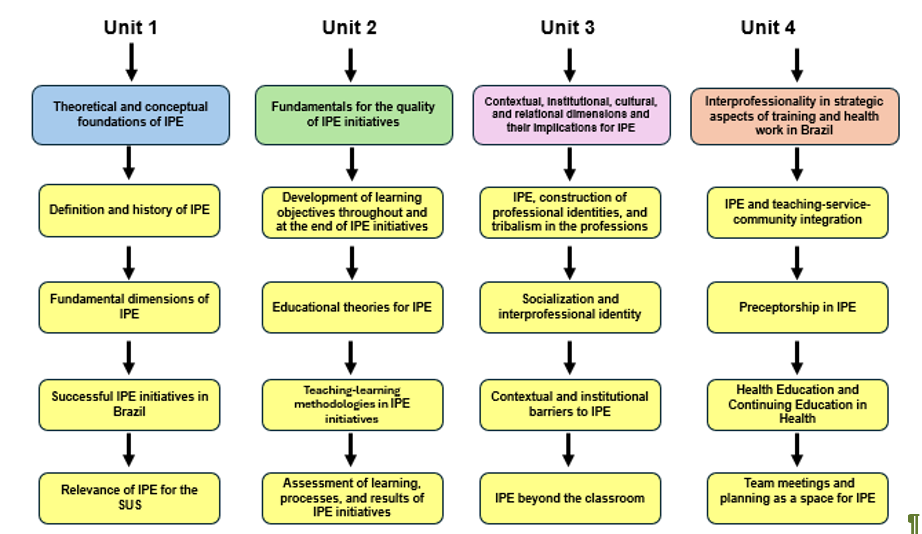
Figure 1: Structure of the Refresher Course in Teacher Development for the IIPE. Natal (RN), Brazil, 2020.
The students were divided into 12 groups, with an average of 25 participants, accompanied by a tutor in each group. The total course load was 120 hours. It is important to note that, from the outset, the course was designed to be offered in distance learning mode, using Health Information and Communication Technology (HICT) platforms. Contextually, the COVID-19 pandemic imposed an acceleration in the use of ICTs, highlighting challenges and possibilities for health training.13
Each CADDEIP unit proposed readings, suggestions for collective activities, a repository of texts, and the preparation of tests as a form of cognitive assessment at the end of each unit. The collective activities proved to be driving forces for interprofessional, collaborative, and networked learning. In the first two units, activities were proposed at the end of each class, which proved challenging, especially in the context of the pandemic. In units three and four, activities were proposed at the end of all classes in the form of “integrative activities.”
For all units, discussion forums were proposed on the virtual teaching platform, providing students with the opportunity to clarify doubts and exchange experiences and knowledge. Synchronous webinars were also held throughout the course, with the aim of broadening the discussion proposed in the activities, bringing in guests who are references in the content of the different themes. The topics covered in the webinars were: “Interprofessional health care in the 21st century,” “Teacher training for IPE,” “PET-Interprofessionality and Information and Communication Technologies,” and “Interprofessional education and curriculum: challenges and possible paths.”
The students and the activities of each group were monitored and evaluated by the tutors throughout the educational trajectory, with appreciative and formative feedback, and through assignments at the end of each learning cycle. As a final activity, students were encouraged to fill out an evaluation form on the central aspects of the course and present strengths, weaknesses, and suggestions for future teacher development initiatives for IIPE in Brazil.
At the end, a six-question multiple-choice evaluation form was administered to the course participants, organized on a Likert scale (strongly agree, agree, undecided, disagree, strongly disagree), focusing on the following aspects: (1) whether the content covered contributed to the improvement of teaching practices in health; (2) whether the teaching materials used, such as readings, videos, case studies, and PowerPoint presentations, were useful and appropriate for understanding the topics; (3) whether the proposed activities (tasks, questionnaires, forums, interventions, among others) were interesting and contributed to the learning process; (4) whether the virtual classes and their resources were clear, accessible, and facilitated learning; (5) whether the course provided opportunities for participants to exchange knowledge and experiences; and (6) which platforms were used for this interaction.
In addition to these questions, the form included three open-ended questions, inviting participants to report: (a) the main difficulties encountered during the course; (b) the positive aspects of the format adopted; and (c) suggestions for future teacher development initiatives focused on IPE in Brazil. Additional space was also provided for other comments that course participants wished to record.
All CADDEIP participants (N = 293) were invited during the period to complete the online evaluation form hosted on the course's virtual platform. A total of 241 course participants completed the course evaluation (response rate = 82.25%), resulting in a convenience sample.
Two researchers independently conducted a careful and repeated reading of the forms, starting with a general exploratory reading until they reached the data extraction stage. In this phase, guided by the questions on the evaluation form itself, they identified the main topics addressed in the responses and recorded the frequency with which each of them appeared. The extracted information was organized in a Microsoft Excel spreadsheet to facilitate data systematization and analysis. The researchers then coded the data, seeking elements relevant to the analysis and developing an individual matrix with the identified themes, to be discussed and analyzed in the next stage.
The responses to the closed questions were analyzed and systematized quantitatively using descriptive statistics and expressed in graphs. The responses to the open questions were analyzed qualitatively using Content Analysis14, and some excerpts were selected to compose the results, aligned with the objective of the study.
Consensus and dissent were discussed by the researchers, and the data were organized into categories based on the topics in the coding structure (evaluation forms). The records of the open-ended questions were presented without grammatical corrections, and to ensure anonymity, they were coded with the letter “C” for course participant, followed by numbers between 300 and 541, added randomly.
The research was approved by the National Research Ethics Commission (CONEP) under Opinion No. 4,498,726 of 2021 and complied with all ethical principles established for research involving human subjects.
Results
The analysis of the data allowed for its organization into two thematic categories, based on the main topics addressed in the evaluation form completed by the course participants: (1) Methodological and organizational aspects of the course and (2) Difficulties, facilities, and suggestions. In each category, we sought to measure and highlight aspects evaluated by the students, reflecting on the strengths and difficulties experienced in the course delivery process.
Methodological and organizational aspects of the course
Overall, almost all respondents (99%) reported that the content offered enabled them to improve their teaching practices, demonstrating the contribution of the development course to facilitating IPE in undergraduate health courses.
Regarding the usefulness of the reading materials, videos, case studies, and PowerPoint files made available on the virtual learning platform, virtually all participants (90.2%) agreed that the suggested resources were able to support their understanding of the content covered and related to interprofessionality in health education and work, contributing to the facilitation of learning. Regarding the activities related to tasks, questionnaires, forums, and intervention proposals used, 90% of the course participants perceived them as interesting and useful for mediating the active learning of the participants.
With regard to virtual classes and the resources used, most participants (84.7%) stated that the resources developed in the virtual environment were accessible and well structured to facilitate the learning process. As for the possibility of interacting with other course participants, mediated by the VLE, the evaluation confirmed that there was interaction, made possible through the exchange of knowledge and experiences with other participants, according to 85.1% of the students.
The students used various platforms to interact with each other, with the discussion forum being the most used, followed by social networks. The difficulty of face-to-face interaction was exacerbated by the context of social distancing resulting from the COVID-19 pandemic.
Difficulties, facilities, and suggestions
The course was offered during the COVID-19 pandemic, with the challenge of ensuring shared and networked interprofessional learning, even in the face of restrictions on face-to-face activities, which in itself was already a challenge. Considering this reality, course participants were asked about the greatest difficulties in completing the course activities. Many participants were involved in the front line of the fight against the pandemic, therefore, a total of 73.44% (n=177) reported limited time to complete the activities as a difficulty, 7.47% (n=18) pointed out difficulties with the functionalities of the virtual learning platform, and 5.81% (n=14) reported difficulties in accessing the Internet.
In addition, the form also provided space for describing other difficulties: aligning schedules with the activities of other participants in the PET-Saúde/Interprofissionalidade projects; deepening readings and discussions, which was hampered by the pandemic; and the complexity of some activities that required greater autonomy from participants for deeper understanding. The excerpts below reveal these aspects:
I cannot fail to mention the pandemic as something that hindered the process of multiplying learning and made interaction within my project difficult. We did all the tasks collectively, but I think it would have been more beneficial to do them in person. (C335)
The tasks required knowledge of communication and information technologies, which made some of them difficult to perform. The complexity of the tasks also made it difficult. The issue of doing the activities together during this pandemic was also a complicating factor. (C301)
Regarding the advantages of the course format, the form allowed respondents to choose more than one option. A percentage of 86.72% (n=209) of respondents pointed out autonomy and freedom in schedules, an important feature of online educational offerings, 73.03% (n=176) chose access to various sources of information, which can be attributed to the variety of texts and materials available in the course library; and 29.46% (n=71) highlighted the exchange with colleagues from other regions of the country as one of the advantages of the course. Other aspects were mentioned in addition to the suggested options, such as: critical reflection on one's own teaching practice; reflection on the activities developed by the Interprofessional PET-Health projects; adjustments to the course schedule and activities due to the difficulties imposed by the pandemic; the qualification and availability of tutors to address the doubts and learning needs of course participants; as well as knowledge and discussion of new active methodologies applicable to the virtual environment.
The course provided knowledge and reflection and gave me a solid foundation to continue multiplying these teachings. I truly feel empowered to develop training in interprofessional education. Working with collaborative skills in health training has strengthened me to develop strategies in the context of reorienting training and work in health. (C303)
We will make use of the resources and knowledge we have built. We are already developing ideas for an institutional project to continue the Interprofessional PET-Health program. (C340)
Finally, course participants were encouraged to submit suggestions for future teacher development proposals focused on EIP. Important aspects were mentioned, such as: the availability of videos with synchronous classes, and not just reading material, aiming to broaden understanding of the content; the holding of meetings at the end of each learning unit focused on summarizing and reflecting on concepts and discussions related to teaching practice; the holding of workshops, courses, and study groups on topics related to scientific research methodologies related to the evaluation of EIP; the expansion of synchronous meetings to intensify interaction and understanding of the topics covered; the certification of other participants in the Interprofessional Health PET who participated in the development of the activities; and the expansion of the VLE interaction tools.
I believe that a few more synchronous meetings could further facilitate the development of activities and learning in general, as sometimes the class material left some questions that could be readily clarified in a debate, for example. (C386)
I suggest that in future editions, recorded classes addressing the topics of the slides be made available, or a support handout in addition to the slides, as it was sometimes difficult to correctly locate the reference cited. (C491)
This course was important for broadening and deepening knowledge about IPE, so I believe it is important to continue offering it, giving other professionals the opportunity to enroll. This will certainly help to increase the network of advocates and implementers of IPE in health training courses. (C539)
Discussion
The training experience analyzed shows that online teacher development courses, structured with participatory methodologies and supported by tutors committed to the subject, have the potential to strengthen interprofessional health education by promoting critical reflection on health work and pedagogical practice.15 This finding is consistent with studies that have shown that well-designed training activities can have effects that extend beyond individual qualifications, transforming educational practices in different institutional contexts.16-17
These changes become even more relevant when considering that the sustainability of transformations at the macro (policies and financing), meso (curricula, methodologies, and institutional support), and micro (interprofessional relationships and power dynamics) levels depends on the existence of a faculty prepared to mediate such processes with technical competence, sensitivity, and critical capacity. In the absence of such preparation, IPE initiatives tend to be limited to fragmented or symbolic actions, with little potential to produce lasting impacts on the training and organization of health work.7,11
Another relevant point concerns the appreciation of methodological and evaluative diversity. Varied teaching-learning strategies expand opportunities for engagement and favor the integration of different learning styles.18 In the case of CADDEIP, interaction between professionals from different areas, universities, and health services reinforces the power of interprofessional training to create collaborative environments that simulate the real dynamics of health work. This characteristic responds to a recurring demand in the literature for initiatives that promote contextualized and interprofessional educational practices.18-19
The replicable nature of the course suggests that similar experiences can be incorporated into different teaching and healthcare settings, increasing the sustainability of interprofessional practices. In this sense, initiatives such as CADDEIP are aligned with international agendas that advocate interprofessional education as a strategic axis for the qualification of care and the integration of healthcare systems.20
Although teacher development programs are fundamental to successful IPE experiences, the formats adopted are diverse, and there is still insufficient evidence to indicate which model would be most effective.20-22 However, regardless of format, duration, and setting, these initiatives should provide theoretical, conceptual, and methodological support that can enhance interprofessional learning experiences as a prerequisite for the development of collaborative skills. Addressing central themes of the teaching-learning process, such as educational theories, teaching methodologies, learning assessment, and the necessary adaptations for interprofessional, shared, and collaborative learning, is one of the challenges of IPE and can be discussed in faculty development initiatives for IPE.21
Despite the dissemination of faculty development experiences for IPE in international journals, the literature draws attention to the need for more consistent evidence that can guide these initiatives around the world, as well as highlight their effects. This weakness highlights the need to establish a training approach explicitly anchored in solid theoretical and conceptual references, such as those that underpin interprofessionality, meaningful learning, and teaching-service-community integration. The absence of this alignment compromises not only the internal coherence of IPE teacher training programs but also the possibility of generating lasting transformations in institutional culture and modes of professional practice. 22-23
Programs analyzed in Chile and the United Kingdom demonstrated effectiveness by relying on four pillars: professional diversity, egalitarianism, blended/online learning, and active learning strategies.15 The results indicated positive impacts, regardless of geographical context. The main lessons learned — inclusive teaching across professions, an adaptable learning environment, and encouragement of collaborative work among peers — reinforce that training educators in interprofessional settings is essential to breaking down professional silos and consolidating teaching practices aligned with the demands of team-based care. These experiences, as well as CADDEIP, demonstrated that teacher development programs focused on IPE should be designed to reflect the principles of interprofessional collaboration in health.
In the proposal developed in Brazil, some innovations deserve to be highlighted: a nine-month course, offered online, mediated by tutoring, and implemented amid the COVID-19 pandemic. These challenges imposed a permanent need for reflection on the entire training process. The main focus of the course was to encourage interaction as a principle of learning, training leaders capable of multiplying the discussion to a larger number of people. In this sense, the learning units were open weekly, not allowing students to start the next class at different times from their colleagues. This choice was justified by the need to create a culture of collaboration, preventing participants from trying to advance in the course from an individual perspective.
The opportunity to exchange experiences and knowledge on the theme of interprofessionality, enhanced by CADDEIP, is also highlighted by a study that evaluated a one-year development program for IPE, involving participants from different institutions and combining face-to-face and virtual meetings. The findings, as well as those found in CADDEIP, indicated that participants described positive impacts of the educational offer in expanding a network around IPE, enabling exchanges and building institutional capacity through the development of new relationships and collaborations within and outside their institutions of origin.
The discussion forums, used at different times during the course, encouraged interaction and the exchange of knowledge and experiences among participants, as well as the creation of safe virtual learning environments, which proved to be an effective strategy for sharing good practices, challenges, and barriers faced in IPE initiatives, contributing to engagement and collective learning. In addition, throughout CADDEIP, tutors continuously monitored course participants, offering appreciative and formative feedback that valued progress and encouraged interactive learning In this sense, the active performance of tutoring in teacher development courses for IPE is decisive, as qualified feedback encourages critical reflection, strengthens understanding of the theoretical and methodological frameworks of IPE, and contributes to the sustainability of actions, including the establishment of support networks for the implementation of IPE plans.6,20
The incorporation of methodological strategies with the potential to promote moments of reflection is fundamental in teacher development programs focused on IPE, given the need for participants to critically revisit both their own professional roles and those of other categories, as well as their performance as teachers and/or preceptors.24 At CADDEIP, the creation of spaces for reflection among peers stood out as a potential strength. Critical self-reflection on teaching practice and analysis of the interprofessional activities developed in the Interprofessional PET-Health projects were central elements of the training process, helping participants feel more prepared to develop new IIPE initiatives and to redirect, when necessary, the paths taken in the Interprofessional PET-Health projects.20
The participation of preceptors in the course was also noteworthy, given the leading role they play in training workers for the SUS and in the movement for change in health work induced by PET-Health. Training them in the theoretical and methodological foundations of IIPE represents a step forward in bringing training closer to health work, offering the potential to reflect on possibilities for implementing practical activities and interprofessional curricular internships, as well as inducing changes in the primary health care work process that favor collaborative interprofessional work and user-centered care.24-25
Despite the transformative potential of training activities, preceptors still face obstacles that restrict their professional and pedagogical development. Time constraints, for example, make it difficult to participate regularly in training activities. In this context, it is essential to recognize and understand the tension between the need for pedagogical innovation and the practical constraints of everyday professional life. For teacher development to be effective, training policies and programs must be designed with sensitivity to the conditions of educators, promoting learning environments that are more inclusive, sustainable, and aligned with the current demands of health education.26
In the context of CADDEIP, difficulties were encountered that were linked to the different contexts of the participants, the involvement of some in the front line of COVID-19, which overloaded their daily routines and limited the time available, the incompatibility of schedules for collective activities, and difficulties in accessing and using information and communication technologies. These difficulties required frequent changes to the course schedule. This strategy was fundamental to stimulating interprofessional and collaborative learning and the training of leaders in this area, with the skills to advance similar strategies in the educational institutions in which they work. These findings corroborate a study that described lessons learned from a teaching development experience for IPE, in which scheduling conflicts among participants and the difficulty of completing activities within the stipulated time also required additional time or changes in plans, with such adjustments being beneficial to participants.27
In terms of the study’s limitations, the form was the sole data source. Conducting interviews or focus groups could have provided additional elements to better capture and deepen the aspects explored in this study. Another limitation refers to the fact that evaluation strategies capable of measuring the impact of CADDEIP on the knowledge, skills, and attitudes of participants, as well as on possible changes in the organizational practice of the IPE programs of the institutions in which the participants were inserted, were not planned or used. In addition, the fact that participants were already engaged in PET-Health may have led them to be more inclined to evaluate CADDEIP's actions positively. Furthermore, it is suggested that studies evaluating the impacts of these educational initiatives on teacher development be conducted longitudinally.
Conclusion
The online format of the course, combined with the qualified mediation of tutors, proved to have a potential strategy to promote teacher development in a context strongly marked by social isolation resulting from the COVID-19 pandemic. This approach not only responded to the demands of the emergency but also constituted a powerful and replicable experience for future health crises that require physical distancing. In a country of continental dimensions such as Brazil, the remote model proved even more relevant by enabling the equitable participation of teachers and workers from the five regions of the country, overcoming not only geographical barriers but also logistical challenges related to the incompatibility of institutional agendas and schedules.
The availability of funding was a determining factor for the operational feasibility necessary to implement the course, allowing, among other things, the hiring of tutors responsible for mediating virtual activities in small learning groups and hosting the platform on the PAHO/WHO Virtual Campus for Public Health (CVSP). The qualifications of these tutors, with consolidated expertise in IPE and previous experience in group facilitation, combined with clearly defined objectives, learning outcomes, and the use of methodologies focused on interaction and participant leadership, were central to the initiative's success.
The limitations of the course were linked to the challenges imposed by the pandemic, which required successive adjustments to the schedule and the extension of deadlines for completing activities. In this scenario, self-instructional courses present themselves as promising complementary alternatives, especially when combined with face-to-face or synchronous discussion sessions. Given the impossibility of face-to-face meetings, tutoring emerged as the main strategy to foster interaction among participants, contributing to the collective construction of knowledge and maintaining engagement throughout the training process.
With regard to a future research agenda related to teacher development in the country, it is suggested that strategies be used to evaluate learning and the applicability of the content covered in the courses, as well as studies that evaluate changes in behavior and work processes resulting from participation in teacher development activities. It is also necessary to include in the research agenda the institutional aspects involved in the changes and the results achieved in teaching practice. Longitudinal monitoring will allow for the evaluation of the real impact of these actions on changes in teaching practices for the advancement of interprofessional education.
In addition, it is also suggested that new studies be conducted with the aim of mapping Interprofessional Education (IPE) initiatives that have been triggered or strengthened in Higher Education institutions as a result of CADDEIP offerings. It is also recommended to investigate the presence of interprofessionality as a structuring axis of the teacher development programs currently in force in the country, to understand its degree of institutionalization and potential for sustainability in the field of health education.
Finally, this study reaffirms that knowledge about participants' perceptions can not only provide input for the continuous improvement of training activities aimed at faculty development but also lead to the formulation of guidelines for future initiatives. By understanding, from the participants' perspective, the pedagogical, institutional, and relational elements that enhance or limit training for interprofessional work, this study contributes to the strengthening of interprofessionality as a structuring axis for the strengthening of the Brazilian Unified Health System (SUS), in line with the principles of comprehensiveness, equity, and democratization of knowledge.
Authors' contributions
Study design: Andrezza Karine Araújo de Medeiros Pereira, Claudia Fell Amado, Cristiane Spadacio, Andrea Ribeiro da Costa, Marcelo Viana da Costa. Data collection: Andrezza Karine Araújo de Medeiros Pereira. Data analysis and interpretation: Andrezza Karine Araújo de Medeiros Pereira, Claudia Fell Amado, Cristiane Spadacio, Andrea Ribeiro da Costa, Marcelo Viana da Costa. Manuscript writing: Andrezza Karine Araújo de Medeiros Pereira, Claudia Fell Amado, Cristiane Spadacio, Andrea Ribeiro da Costa, Marcelo Viana da Costa. Critical review of the manuscript: Andrezza Karine Araújo de Medeiros Pereira, Claudia Fell Amado, Cristiane Spadacio, Andrea Ribeiro da Costa, Marcelo Viana da Costa. Approval of the final version of the text: Andrezza Karine Araújo de Medeiros Pereira, Claudia Fell Amado, Cristiane Spadacio, Andrea Ribeiro da Costa, Marcelo Viana da Costa.
Conflict of interest
The authors declared that there is no conflict of interest.
Funding
Pan American Health Organization (PAHO) and the World Health Organization (WHO)/Americas through Letter of Agreement SCON2018-00510.
Acknowledgments
The authors would like to thank PAHO/WHO Americas, which funded the teaching development course for IPE and the collection of scientific evidence on the implications of the projects approved in the PET-Health/Interprofessionality Call for Proposals for the development of collaborative skills and the induction of changes in health training and work. They also thank the Brazilian Ministry of Health for supporting the course and for granting access to the course participants' evaluation forms.
References
1. Costa MV, Silva JAM, Regis CG, Peduzzi M. Educação Interprofissional no Brasil: desafios e agenda para o futuro. In: Dias MSA, Vasconcelos MIO, organizadores. Interprofissionalidade e colaboratividade na formação e no cuidado no campo da atenção primária à saúde. Sobral: Edições UVA; 2021. p. 35–58.
2.Pan American Health Organization. Interprofessional health teams for integrated care. Washington (DC): Pan American Health Organization; 2025. Available from: https://iris.paho.org/handle/10665.2/66952
3. Christianson TM, Bainbridge L, Halupa C. A pilot study on interprofessional education: how prepared are faculty to teach? Prof Dev Educ. 2018 [cited 2024 Mar 19];45(4):659-69. DOI: https://doi.org/10.1080/19415257.2018.1474490
4. McCabe C, Patel KD, Fletcher S, Winters N, Sheaf G, Varley J, et al. Online interprofessional education related to chronic illness for health professionals: a scoping review. J Interprof Care. 2021 [cited 2024 Sept 10];35(3):444-453. Available from: https://pubmed.ncbi.nlm.nih.gov/32323605/
5. Steinert Y. Learning together to teach together: Interprofessional education and faculty development. J Interprof Care. 2005 [cited 2024 Sept 10];19(Suppl 1)1:60-75. DOI: https://doi.org/10.1080/13561820500081778
6. Wong PS, Chen YS, Saw PS. Influencing factors and processes of interprofessional professional education (IPE) implementation. Med Teach. 2021 [cited 2024 Sept 10] Jul;43(sup1):S39-S45. DOI: https://doi.org/10.1080/0142159X.2019.1672864
7. Pereira AK, Lucena EE, Silva JA, Vilar MJ, Costa MV. Bases teórico-conceituais e metodológicas para adoção da educação interprofissional: uma análise a partir do PET-Saúde Interprofissionalidade. Med (Ribeirao Preto). 2025 [cited 2025 Dec 10];57(2). DOI: https://doi.org/10.11606/issn.2176-7262.rmrp.2024.225683
8. Steinert Y, Mann K, Anderson B, Barnett BM, Centeno A, Naismith L, et al. A systematic review of faculty development initiatives designed to enhance teaching effectiveness: A 10-year update: BEME Guide No. 40. Med Teach. 2016 [cited 2024 Dec 10];38(8):769-86. DOI: https://doi.org/10.1080/0142159X.2016.1181851
9. Schlicker A, Nitsche J, Ehlers J. Special challenge interprofessional education – how should lecturers be trained? Front Educ. 2023 [cited 2024 Feb 03];8. DOI: https://doi.org/10.3389/feduc.2023.1260820
10. Conselho Nacional de Saúde (BR). Resolução nº 569, de 8 de dezembro de 2017. Aprova o Parecer Técnico nº 300/2017. Diário Oficial da União [Internet]. 2018 [cited 2023 Apr 10]. Available from: https://www.conass.org.br/wp-content/uploads/2018/02/anexo_CI_46_18.pdf
11. Freire Filho JR, Fernandes MN, Gilbert JH. The development of interprofessional education and collaborative practice in Latin America and the Caribbean: preliminary observations. J Interprof Care. 2023 Jan-Feb [cited 2024 Apr 10];37(1):168-172. DOI: 10.1080/13561820.2022.2041572
12. Ministério da Saúde (BR). Edital nº 10, de 23 de julho de 2018: seleção para o Programa de Educação pelo Trabalho para a Saúde PET-Saúde/Interprofissionalidade 2018/2019. Diário Oficial da União, Brasília (DF) [Internet]. 2018 [cited 2023 Apr 10]. Available from: https://www.in.gov.br/materia/-/asset_publisher/Kujrw0TZC2Mb/content/id/38934359/do3-2018-08-30-edital-n-10-de-23-de-julho-2018-selecao-para-o-programa-de-educacao-pelo-trabalho-para-a-saude-pet-saude-interprofissionalidade-2018-2019-38934180
13. Lobo Coelho A, De Araujo Morais I, Vieira da Silva Rosa W. A utilização de tecnologias da informação em saúde para o enfrentamento da pandemia do Covid-19 no Brasil. Cad. Ibero Am. Direito Sanit. 2020 [cited 2024 Apr 23];9(3):183-99. DOI: https://doi.org/10.17566/ciads.v9i3.709
14. Bardin L. Análise de conteúdo. Lisboa: Edições 70; 2009.
15. Orsini C, Rodrigues V, Tricio J. Implementation and lessons learned from 2 online interprofessional faculty development programs for improving educational practice in the health professions in Chile and the United Kingdom from 2018 to 2021. J Educ Eval Health Prof. 2021[cited 2024 Apr 23];18:21. DOI: https://doi.org/10.3352/jeehp.2021.18.21
16. Van Diggele C, Roberts C, Burgess A, Mellis C. Interprofessional education: tips for design and implementation. BMC Med Educ. 2020 [cited 2024 Apr 23];20(S2). DOI: https://doi.org/10.1186/s12909-020-02286-z
17. Evans S, Perry E. An exploration of perceptions of online asynchronous and synchronous interprofessional education facilitation strategies. J Interprof Care. 2023 Nov [cited 2024 Apr 23] 2;37(6):1010-1017. DOI: https://doi.org/10.1080/13561820.2023.2213718
18. Gonçalves AC, Ferreira ED, Cotta RM. PET-Saúde: contribuições para implementação da EIP e o desenvolvimento de competências colaborativas. Rev Bras Educ Medica. 2023 [cited 2024 Mar 19];47(4):e116. DOI: https://doi.org/10.1590/1981-5271v47.4-2023-0031
19. Liao TH, Rindfleisch JA, Howard KP, Castellani M, Noyes SG. Advancing a new model of collaborative practice: a decade of Whole Health interprofessional education across Veterans Health Administration. BMC Med Educ. 2024 [cited 2025 Mar 12];24(1). DOI: https://doi.org/10.1186/s12909-024-05945-7
20. Watkins KD. Faculty development to support interprofessional education in healthcare professions: A realist synthesis. J Interprof Care. 2016 Nov [cited 2024 Mar 19];30(6):695-701. DOI: https://doi.org/10.1080/13561820.2016.1209466
21. Silva GTR, Silva EAL, Silva RMO, Batista SHS. Training of teachers in the Health field from the perspective of interprofessional education. Rev Bras Enferm. 2022 [cited 2024 Mar 19];75(4):e20201369. DOI: https://doi.org/10.1590/0034-7167-2020-1369
22. Newman M, Reeves S, Fletcher S. Critical Analysis of Evidence About the Impacts of Faculty Development in Systematic Reviews. J Contin Educ Prof. 2018 [cited 2025 Mar 12];38(2):137-44. DOI: https://doi.org/10.1097/ceh.0000000000000200
23. Ogata MN, Silva JA, Peduzzi M, Costa MV, Fortuna CM, Feliciano AB. Interfaces entre a educação permanente e a educação interprofissional em saúde. Rev Esc Enferm USP. 2021 [cited 2024 Mar 19];55. DOI: https://doi.org/10.1590/s1980-220x2020018903733
24. Abu-Rish Blakeney E, Owen JA, Ottis E, Brashers V, Summerside N, Haizlip J, et al. Measuring the impact of the national Train-the-Trainer Interprofessional Team Development Program (T3-ITDP) on the implementation of interprofessional education and interprofessional collaborative practice. J Interprof Educ Amp Pract. 2021 [cited 2024 Apr 23];24:100442. DOI: https://doi.org/10.1016/j.xjep.2021.100442
25. Pinho RCX, Costa JAB da. Formação docente para educação interprofissional em saúde (EIP) da teoria a prática no âmbito SUS. Saúde e meio ambient.: rev. interdisciplin. 2020 [cited 2024 Apr 23]; 9(Supl.1):61-2. DOI: https://doi.org/10.24302/sma.v9isupl.1.3419
26. Iqbal S, Ali A. Education and professional development: opportunities and challenges for in-service teachers: a review. Gomal Univ J Res. 2024 [cited 2025 Jan 20];40:117–33. DOI: https://doi.org/10.51380/gujr-40-01-10
27. Shrader S, Mauldin M, Hammad S, Mitcham M, Blue A. Developing a comprehensive faculty development program to promote interprofessional education, practice and research at a free-standing academic health science center. J Interprof Care. 2015 Mar [cited 2024 Apr 23];29(2):165-7. DOI: https://doi.org/10.3109/13561820.2014.940417
Corresponding Author
Andrezza Karine Araújo de Medeiros Pereira
Email: andrezza_kam@hotmail.com
The Author(s) 2026. This work is licensed under Creative Commons Attribution 4.0 International. License text for use: https://creativecommons.org/licenses/by/4.0/deed.pt_BR
 Português (Brasil)
  English
  Español (España)